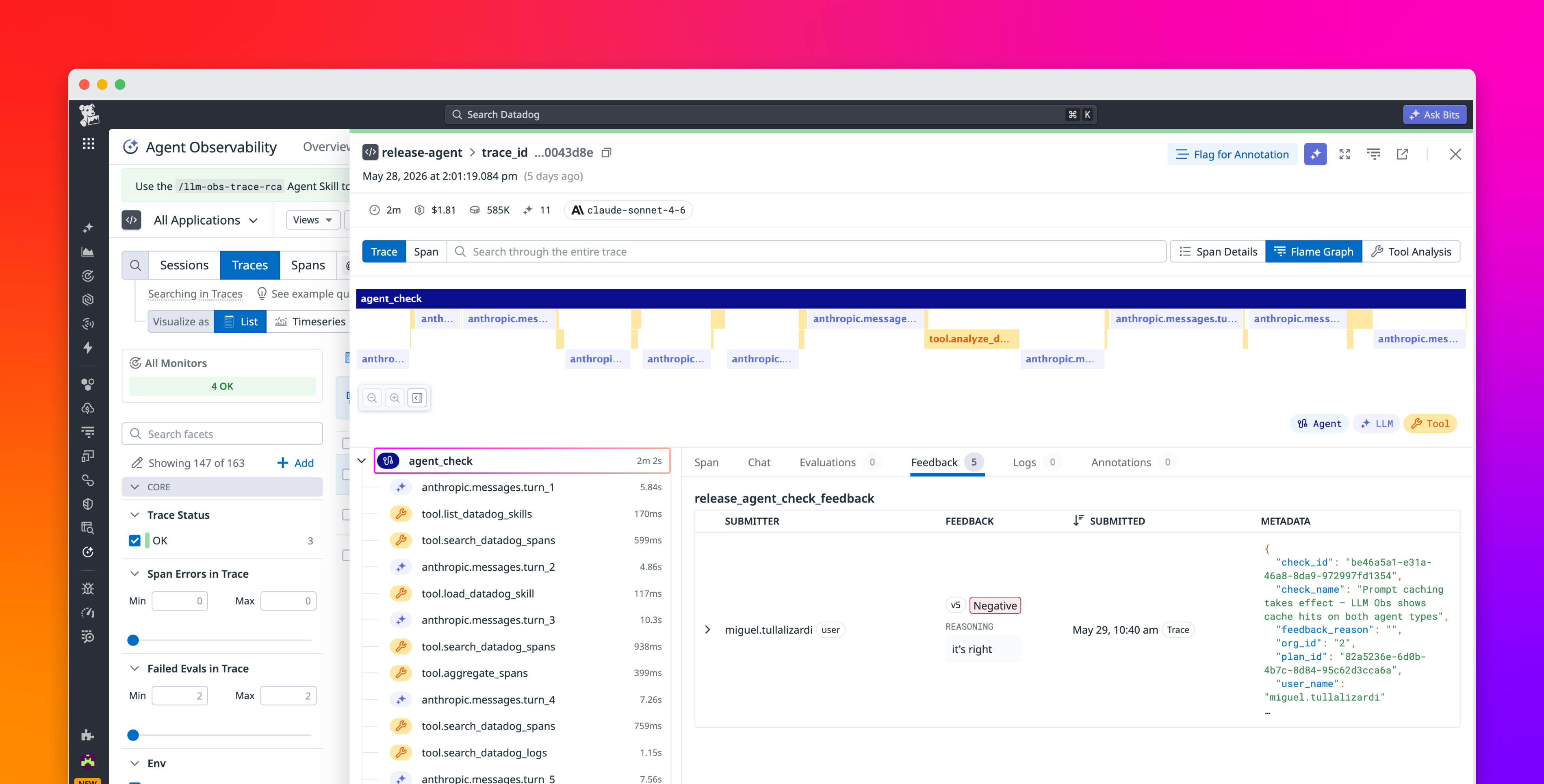
Part 2 of a series on building production AI on .NET. Part 1 covered what evals are and the Analyze → Measure → Improve lifecycle. This post is about the step everyone wants to skip: **Analyze.
When a team decides to "take evals seriously," the first thing they usually do is wrong. They open a dashboard tool, wire up a generic "correctness" score, and watch a number. It feels productive. It produces a chart. And it tells them almost nothing, because they skipped the step that decides what the chart should even measure.
That step is error analysis: reading your AI's actual outputs and naming, precisely, the ways they go wrong. It's unglamorous — no library, no dashboard, just you and a few dozen real examples. It is also, by a wide margin, the highest-leverage thing you will do in evals: error analysis is where the signal comes from. Everything downstream is just operationalising what you find here.
Why you can't skip straight to metrics
There's a gap between you and your running system that's easy to underestimate. Thousands of inputs flow through your AI feature daily, in shapes you never anticipated, and you have no realistic way to see them at scale. Call it the comprehension gap — the distance between the developer and a true understanding of what the data and the model are actually doing.