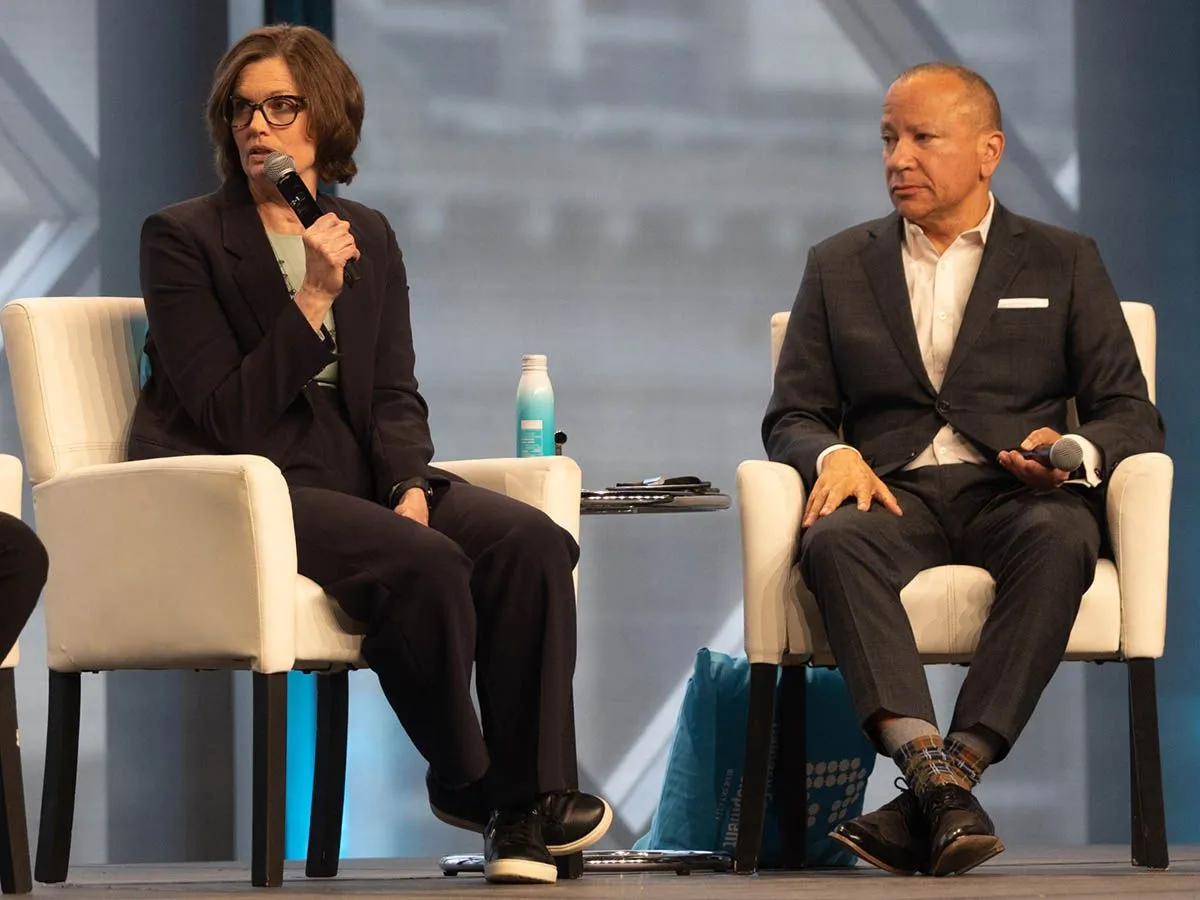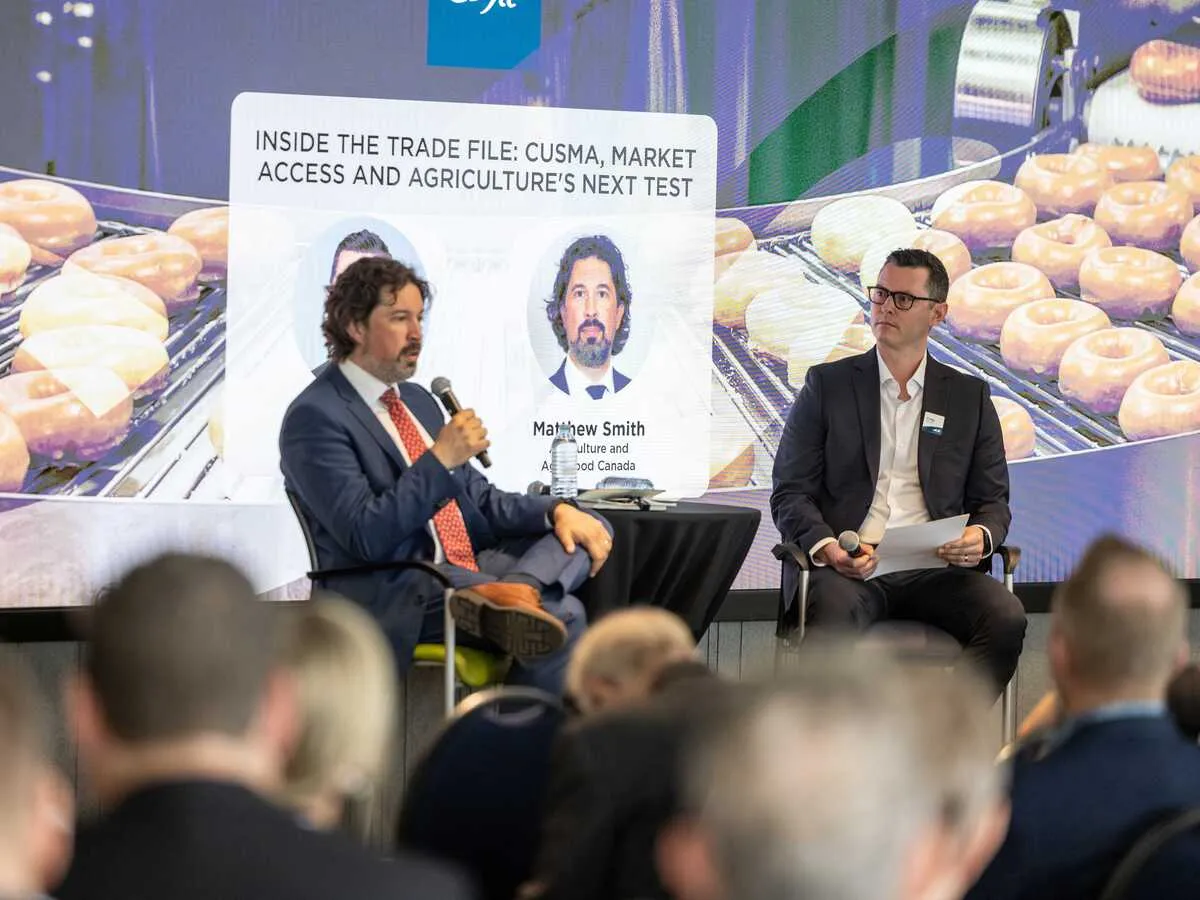
Skip to Content News Archives Economy Energy Oil & Gas Renewables Electric Vehicles Mining Commodities Agriculture Real Estate Mortgages Mortgage Rates Finance Banking Insurance Fintech Cryptocurrency Work Wealth Smart Money Wealth Management Investor Personal Finance Family Finance Retirement Taxes High Net Worth FP Comment Executive Women Puzzmo Newsletters Financial Times Business Essentials More Innovation Information Technology FP500 Podcasts Small Business Lives Told Tails Told Shopping Financial Post Store Obituaries Place a Notice Advertising Advertising With Us Advertising Solutions Postmedia Ad Manager Sponsorship Requests Classifieds Place a Classifieds ad Working Profile Settings My Subscriptions Saved Articles My Offers Newsletters Customer Service FAQ News Economy Energy Mining Real Estate Finance Work Wealth Investor FP Comment Executive Women Puzzmo Newsletters Financial Times Business Essentials HomeCommoditiesAgriculture'We need potash’: Agriculture a key asset – and possible liability – for Canada in U.S. trade talksAmerican farmers have told their government that they want to stay integrated in a North American marketLast updated 4 hours ago You can save this article by registering for free here. Or sign-in if you have an account.Matthew Smith, left, is Canada's chief agriculture negotiator for CUSMA and works as the director general of trade agreements and negotiations at Agriculture and Agri-Food Canada. He speaks to Craig Johnston, the vice-president and chief economist at Farm Credit Canada during a June 10 discussion in Regina, Sask. Photo by SUPPLIED/Farm Credit CanadaAgriculture is emerging as a key sector during North American trade talks as Canada and the United States clash on reoccurring pain points of protections for food industries.Subscribe now to read the latest news in your city and across Canada.Exclusive articles from Barbara Shecter, Joe O'Connor, Gabriel Friedman, and others.Daily content from Financial Times, the world's leading global business publication.Unlimited online access to read articles from Financial Post, National Post and 15 news sites across Canada with one account.National Post ePaper, an electronic replica of the print edition to view on any device, share and comment on.Daily puzzles, including the New York Times Crossword.Subscribe now to read the latest news in your city and across Canada.Exclusive articles from Barbara Shecter, Joe O'Connor, Gabriel Friedman and others.Daily content from Financial Times, the world's leading global business publication.Unlimited online access to read articles from Financial Post, National Post and 15 news sites across Canada with one account.National Post ePaper, an electronic replica of the print edition to view on any device, share and comment on.Daily puzzles, including the New York Times Crossword.Create an account or sign in to continue with your reading experience.Access articles from across Canada with one account.Share your thoughts and join the conversation in the comments.Enjoy additional articles per month.Get email updates from your favourite authors.Create an account or sign in to continue with your reading experience.Access articles from across Canada with one accountShare your thoughts and join the conversation in the commentsEnjoy additional articles per monthGet email updates from your favourite authorsSign In or Create an AccountorOn the same day that U.S. President Donald Trump said his country doesn’t need anything from its northern neighbour, one of Canada’s chief trade negotiators said his American counterparts are asking for more perks to keep the giant economy onside.“That conversation (has been about) how do you consider maybe adding to what we have in front of us, rather than starting all over again?” Matthew Smith said to an audience at Farm Credit Canada’s Regina headquarters on Wednesday.Smith, who works for Agriculture and Agri-food Canada, is responsible for reviewing what gains or losses could be expected in the sector based on any changes the U.S. proposes.He appeared reluctant to reveal details from those closed-door conversations, though he highlighted the strength of American farmers who have told their government that they want to stay integrated in a North American market.The continent is confronting a pressing deadline on July 1 as the U.S. stalls renewal of the trilateral trade agreement as part of a scheduled review.During a press briefing in the Oval Office on Wednesday, Trump repeated his long-standing argument that the U.S. doesn’t need “anything” that Canada has, musing that he might even pull his country out of the trade pact.But a day later, Pete Hoekstra, the U.S. ambassador to Canada, was in Toronto at a Canada-U.S. summit where he appeared to add nuance to the president’s remarks.“America has a tremendous amount of things where we have a need,” he said. “We need potash.”While the countries appear to be in mutual agreement that fertilizer should be trade-barrier free, Canada’s protections for some food producers have been a point of contention.Canada has long refused to remove its supply management regulations for quotas on dairy, poultry and eggs.Smith said the U.S. will likely slide past the July 1 deadline, but that the Americans have scheduled meetings with Mexico next month.CUSMA still stands until at least 2036 unless one country pulls out of the pact. However, without a 16-year extension signed by all countries, the deal requires annual renewals.The lack of any long-term commitments is especially affecting investor confidence in Canada and Mexico.“There’s some real value to the United States in keeping that uncertainty,” Smith said. “If you’re going to pick one of the three countries in this moment … there is more investment (that’s) going to be pointed at the United States.”Craig Johnston, the chief economist at Farm Credit Canada, says it’s creating headwinds for Canada with businesses largely taking a “wait and see” approach.Any trade frictions that could lead to restructuring, like protectionist policies, are costly. However, Johnston is “optimistic” that global demand for Canada’s agri-foods exports provides a chance for the country to diversify away from the U.S.Saskatchewan exports to the U.S. dipped in 2025 with less shipments of petroleum, potash, canola and uranium.“Canada is in prime position to capitalize on this growth potential, but it really will take action,” Johnston said. “Growth isn’t necessarily inherited; it’s earned through that investment.”It’s a possibility that the U.S. returns to the table with the added provision of bilateral agreements for certain sectors.“There is a movement towards more bilateral agreements within the U.S. administration … and so it’s very plausible that that could happen,” Johnston said in an interview.On June 1, a coalition of 160 organizations representing value chains across the three countries came together to pen a letter to the three government representatives, urging them to renew CUSMA.“In order to remain globally competitive, the efficiencies and seamless integration between the United States, Canada and Mexico are crucial,” the groups said in the open letter.The Saskatoon Star Phoenix has created an Afternoon Headlines newsletter that can be delivered daily to your inbox so you are up to date with the most vital news of the day. Click here to subscribe. With some online platforms blocking access to the journalism upon which you depend, our website is your destination for up-to-the-minute news, so make sure to bookmark thestarphoenix.com and sign up for our newsletters so we can keep you informed. Click here to subscribe. Join the Conversation This website uses cookies to personalize your content (including ads), and allows us to analyze our traffic. Read more about cookies here. By continuing to use our site, you agree to our Terms of Use and Privacy Policy.
'We need potash’: Agriculture a key asset – and possible liability – for Canada in U.S. trade talks
One of Canada’s chief trade negotiators said his American counterparts are asking for more perks to keep the giant economy onside.
1,195 words~5 min read