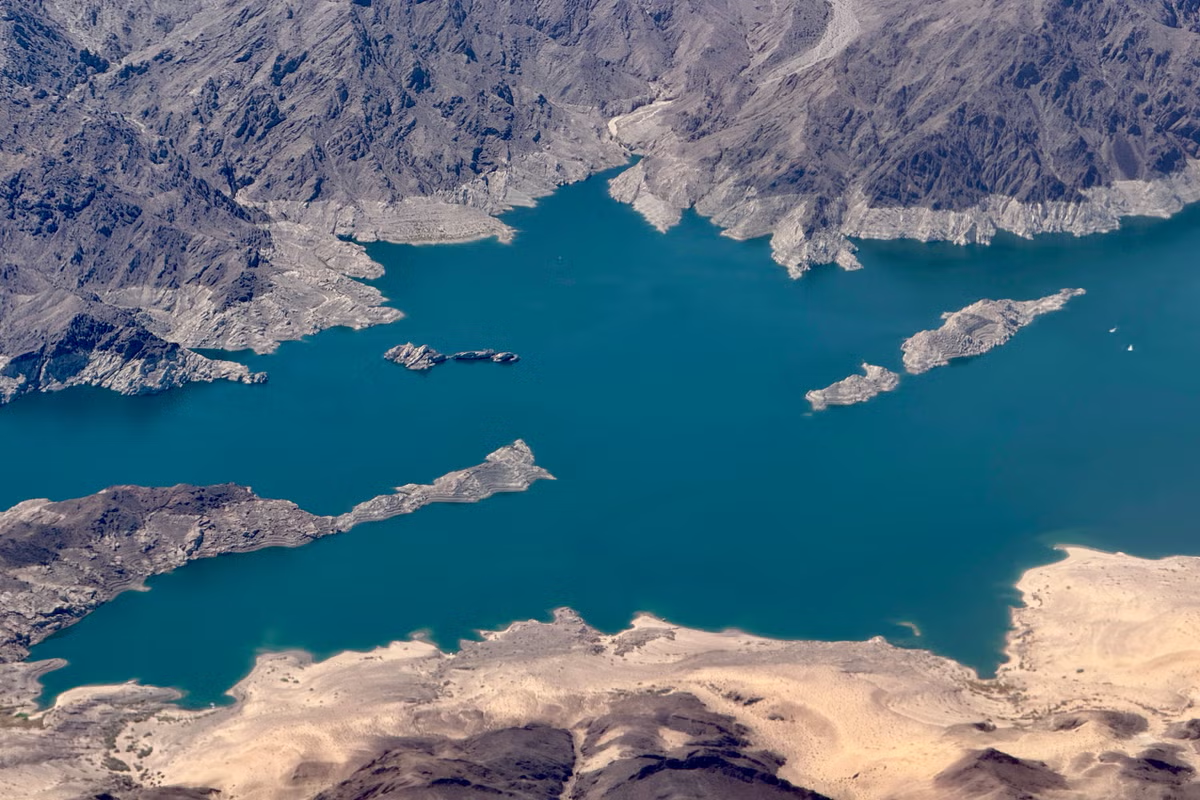
Some day in the next 12 months—maybe in late August, maybe not until next spring— Lake Mead will drop below the critical threshold of 1,035 feet above sea level.
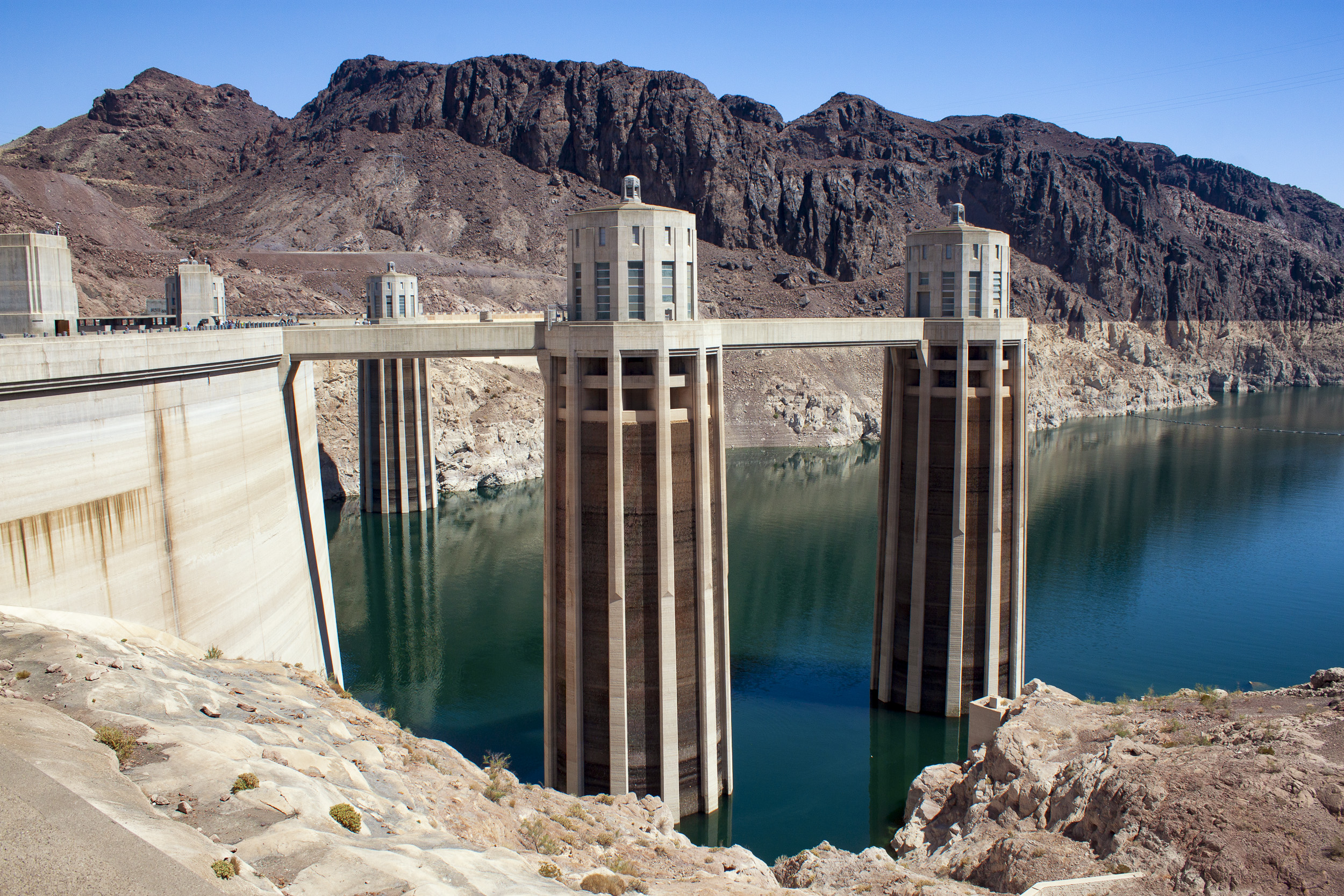
That is the water-level elevation at which hydropower generating capacity at Hoover Dam, the largest in the Colorado River basin, will be cut by 70 percent. The drastic and immediate reduction in a cheap source of power that is responsive to hourly changes in electricity demand will have consequences for the region’s power customers and the broader electric grid alike.
Water managers have known for at least a year and a half that elevation 1,035 feet will be a problem for Hoover’s hydropower. Twelve of the dam’s 17 turbines are not designed to operate in low-water conditions that would be present when Mead is below that level. After record-low winter runoff into already-depleted reservoirs, water managers now know that the day of reckoning is coming soon.
“We’re going to go to 1,035,” Tom Buschatzke, director of the Arizona Department of Water Resources, said at a meeting in mid-May. “There’s no question that’s going to happen.”
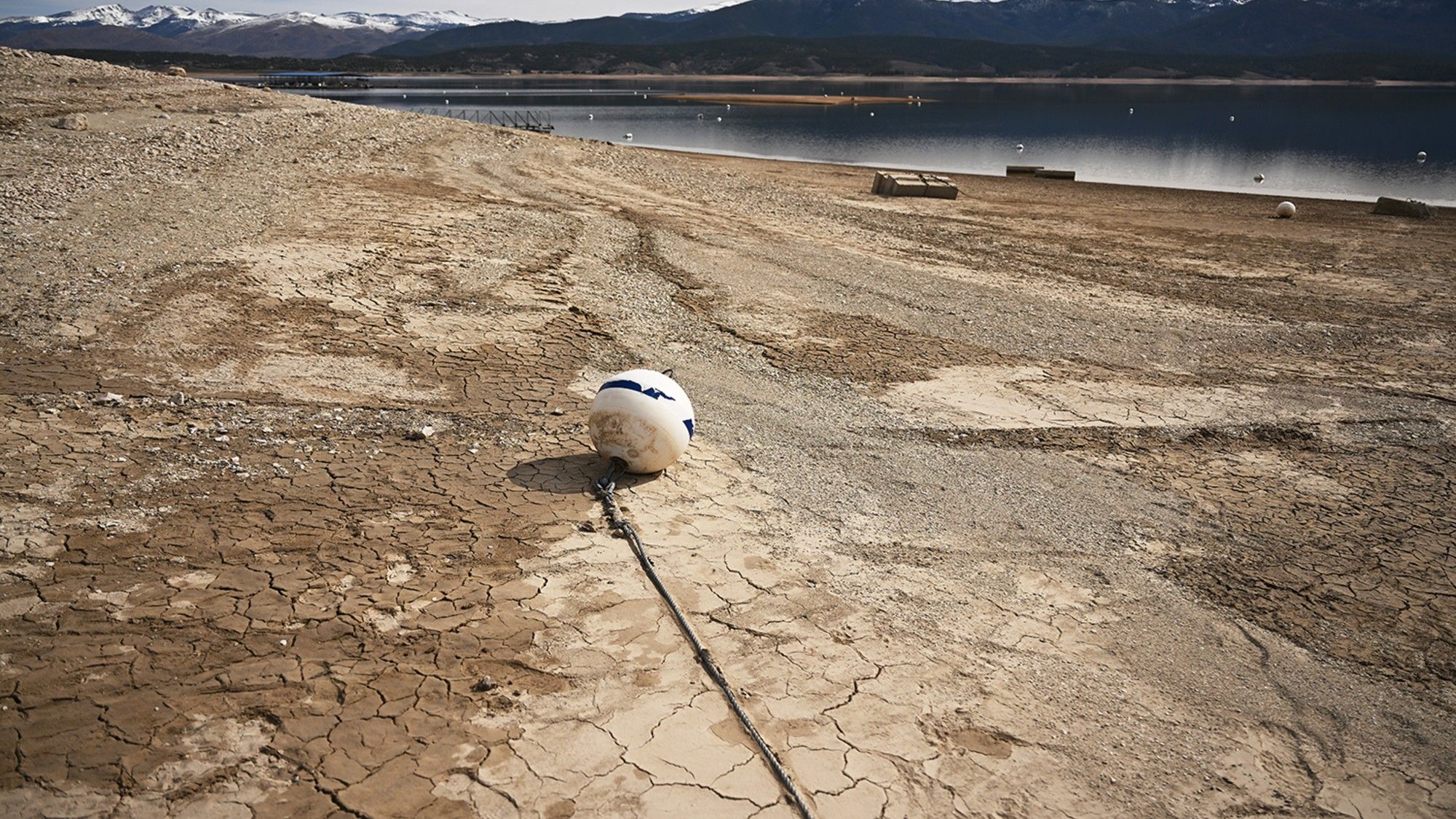
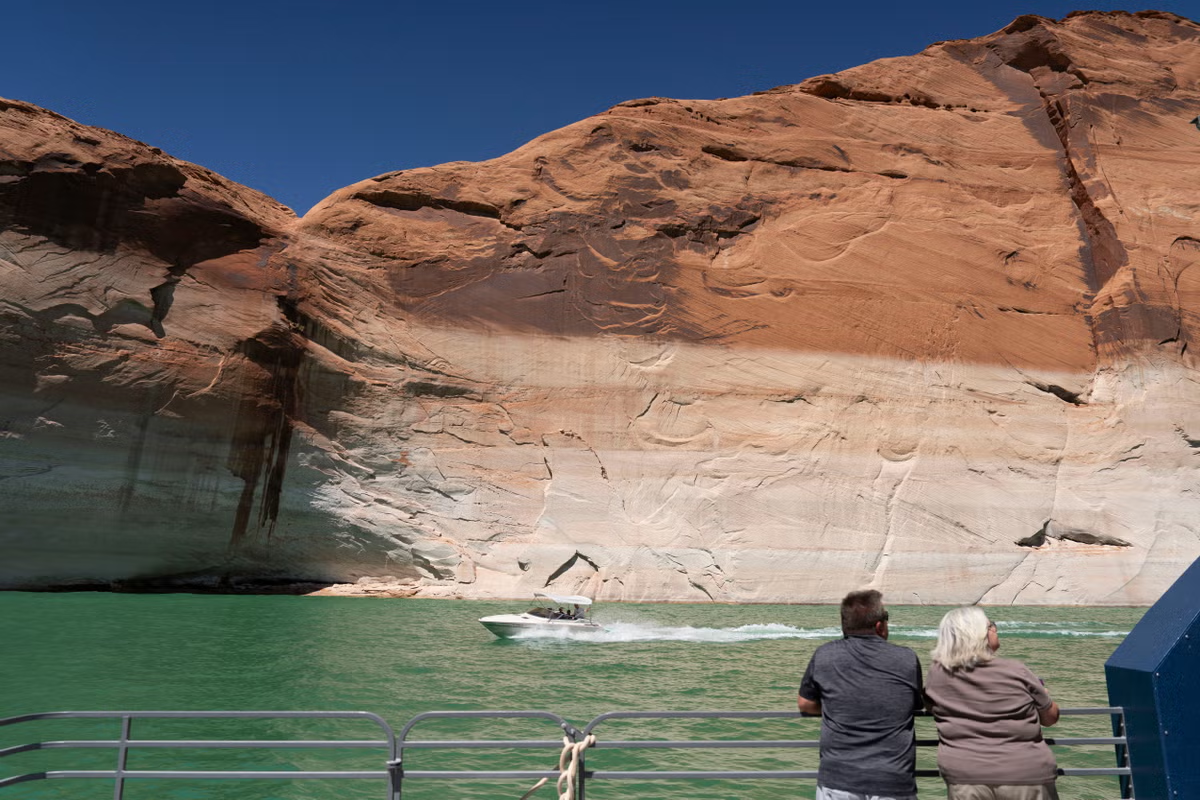
The Colorado River’s big reservoirs, Lakes Mead and Powell, are filled with trip wires—water-level elevations that, once breached, trigger a negative outcome. Both reservoirs are low enough that those trip wires for hydropower generation are in sight. With so little water in the system, water managers are in a triage situation, trying to minimize damage but acknowledging there will be unfortunate tradeoffs.