Read The Diplomat, Know The Asia-Pacific
While TNI’s past counterterrorism involvement has proved beneficial, it is important not to overlook how a further expansion of its role could complicate existing efforts.
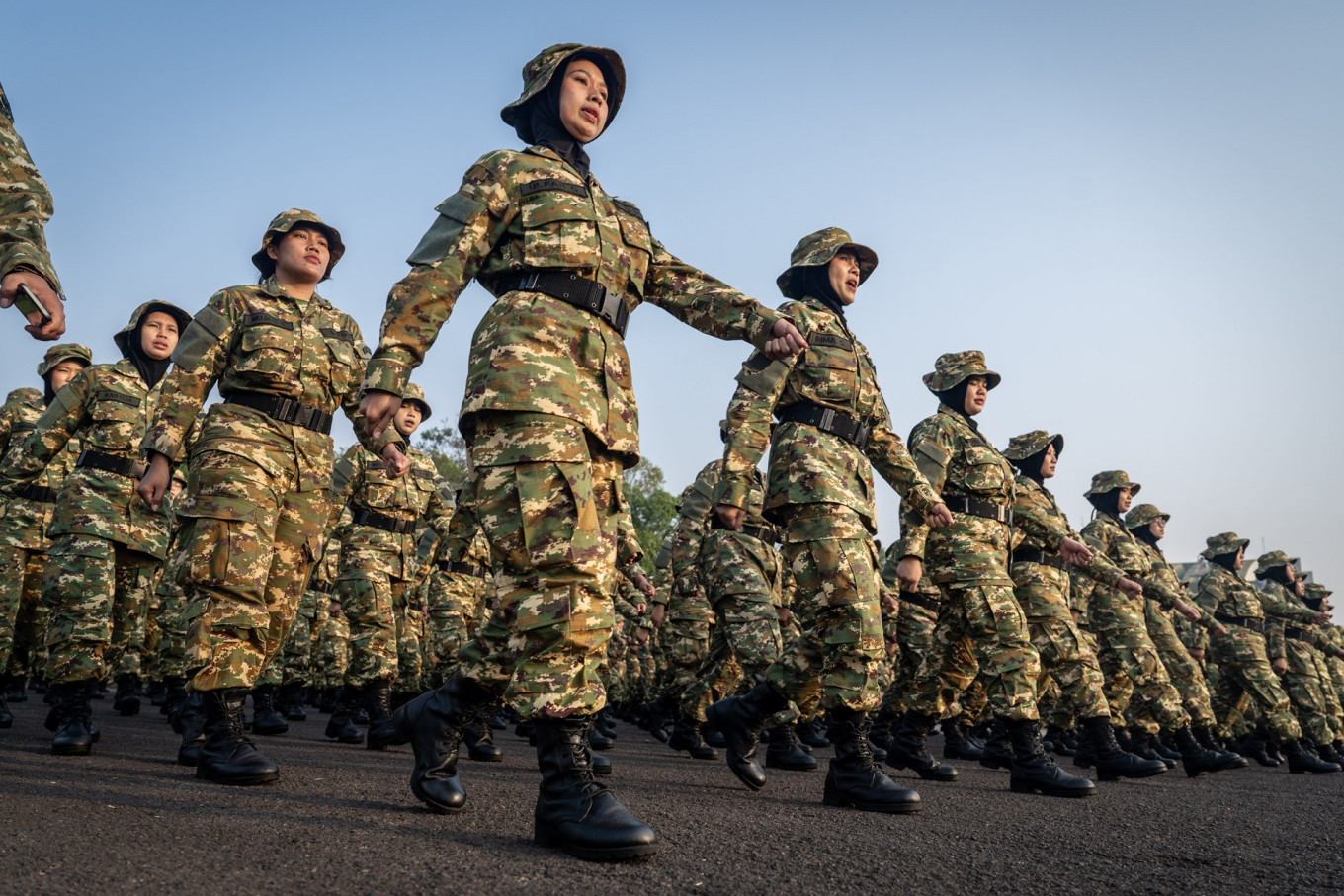
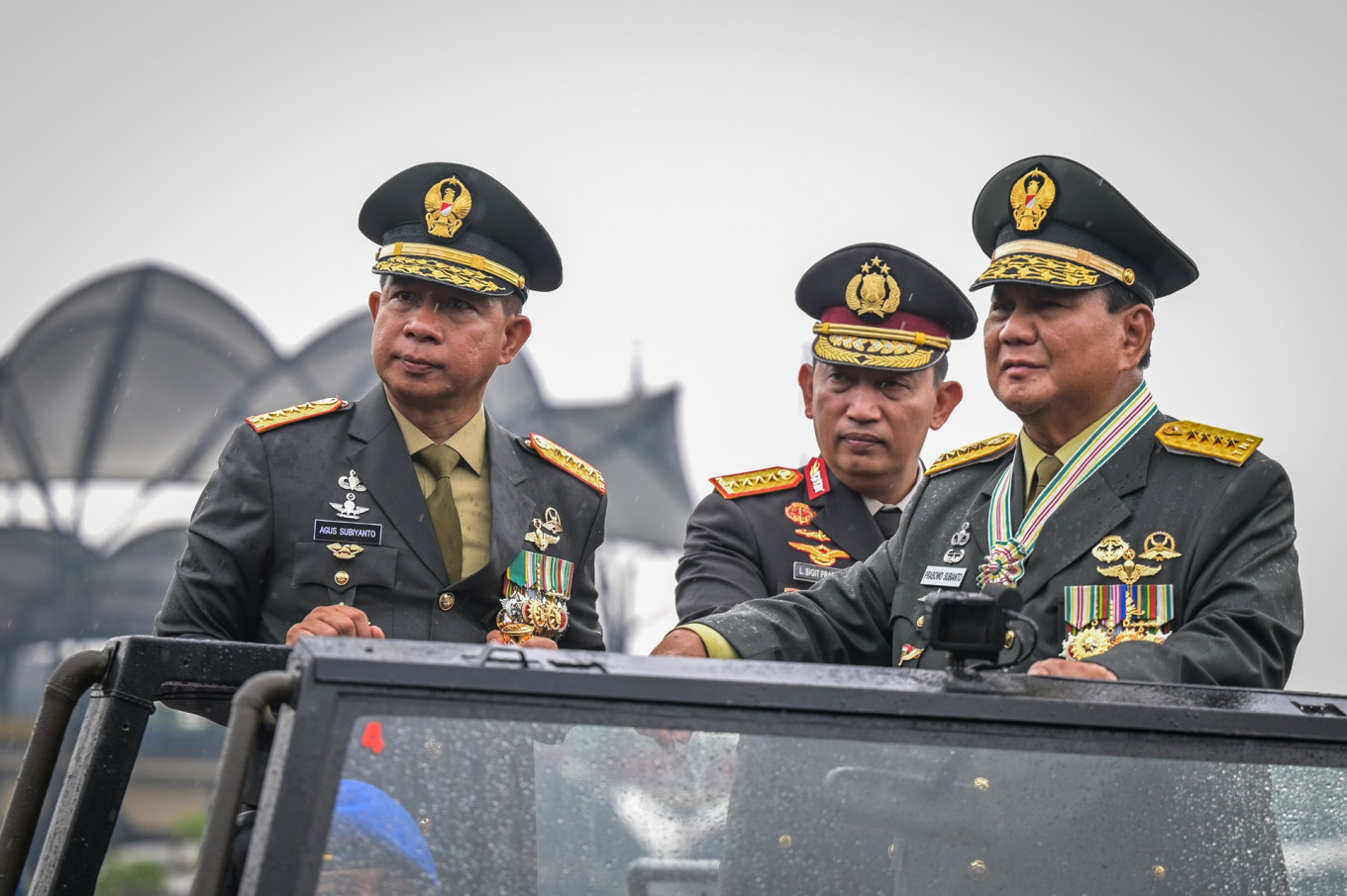
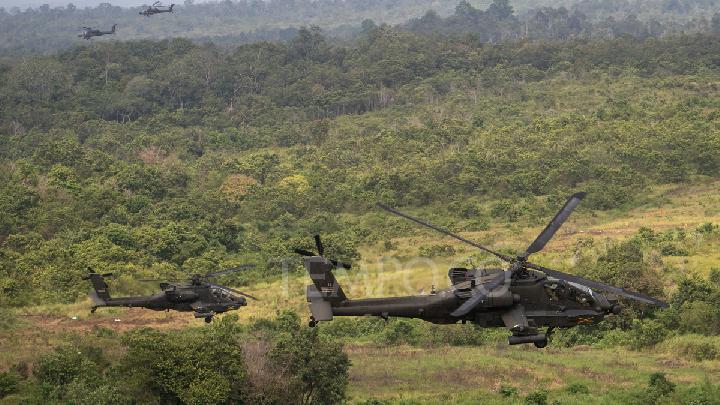
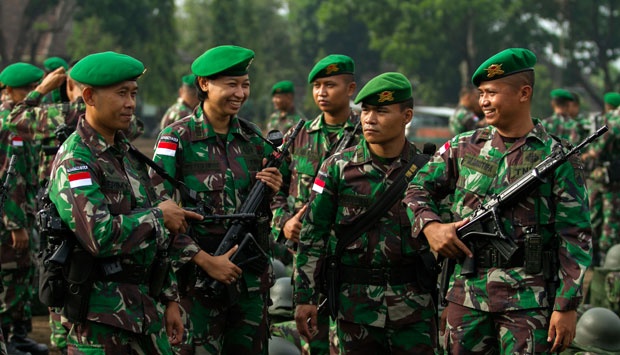
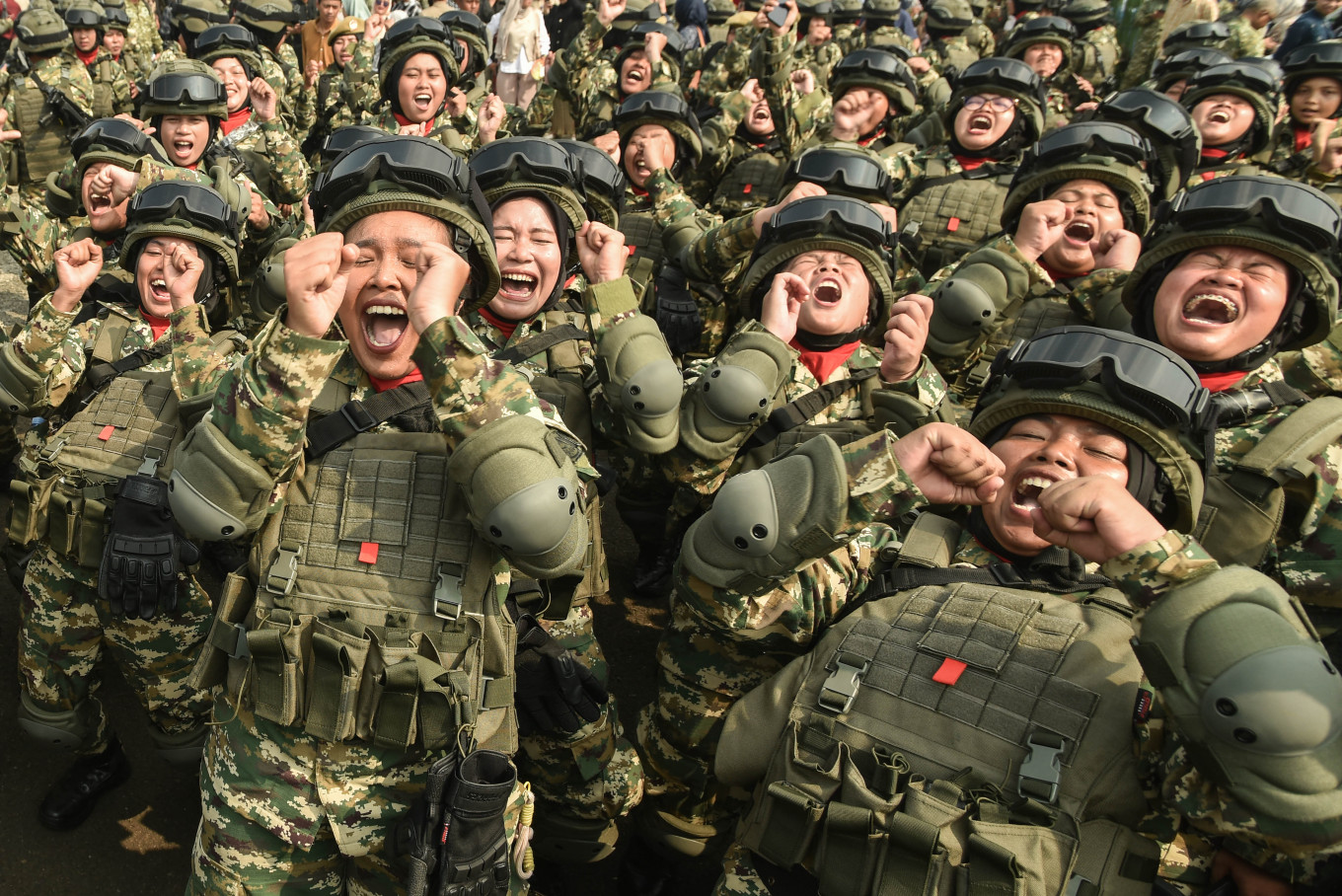
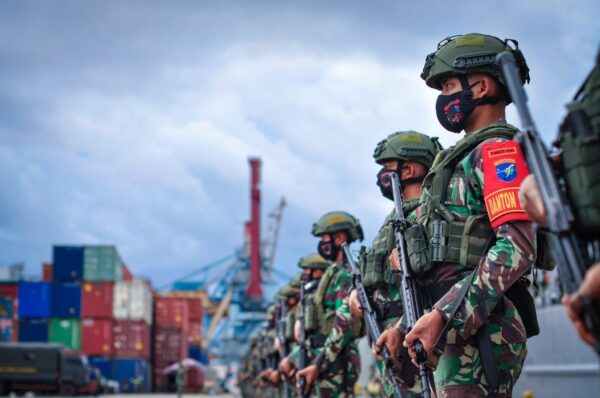
In January, a draft presidential regulation (perpres) on the Indonesian National Armed Forces’ (TNI) Role in Counterterrorism was released. Much like an earlier version released in 2020, the draft outlines three main counterterrorism functions for the military: prevention, which grants authority for the TNI to carry out intelligence, territorial, information, and “miscellaneous” operations for counterterrorism purposes; enforcement, which permits TNI’s use of force in response to terrorist acts that, among others, threaten the president and vice president, targets strategic national infrastructure, or poses danger to Indonesia’s state ideology and sovereignty; and recovery, which the draft leaves largely unspecified.
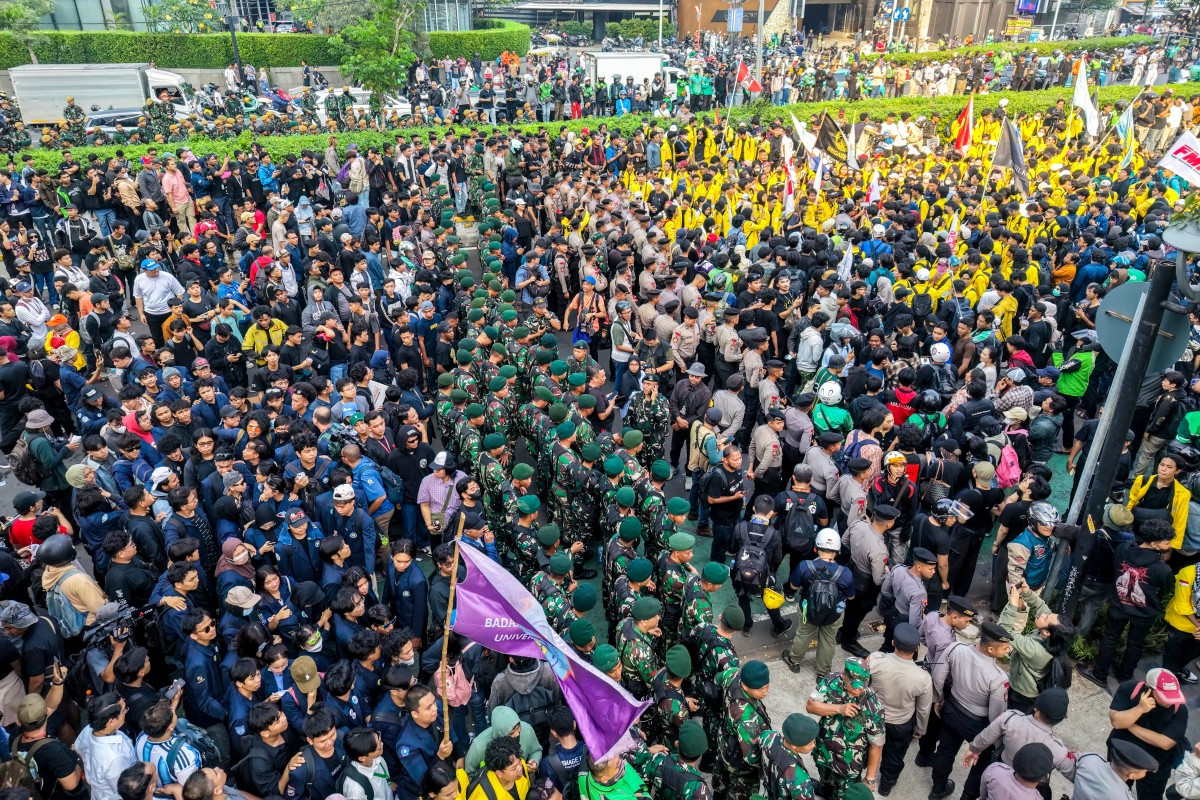
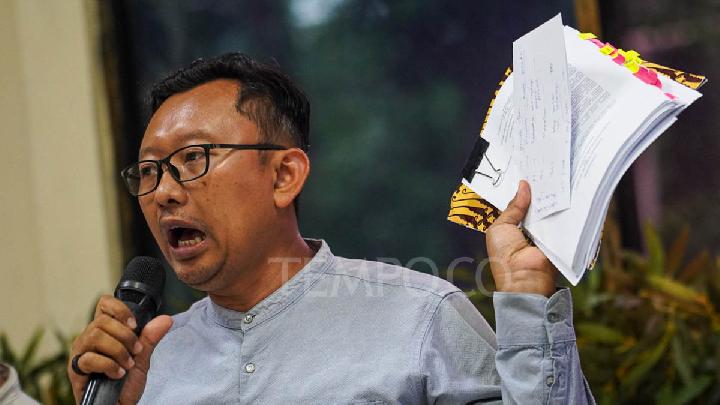
As in 2020, the draft drew strong criticism from the public. Following its release, the Civil Society Coalition for Security Reform – a network of 21 civil society organizations including notable human rights groups such as Imparsial, the Commission for Disappeared and Victims of Violence, and Amnesty International Indonesia – issued a press statement contending that the draft’s broad expansion of the military’s counterterrorism role, combined with the vague definitions of its operational scope, risks enabling overreach and creating unnecessary overlaps of authority with other counterterrorism units.