June 7, 2026 | 03:47 pm
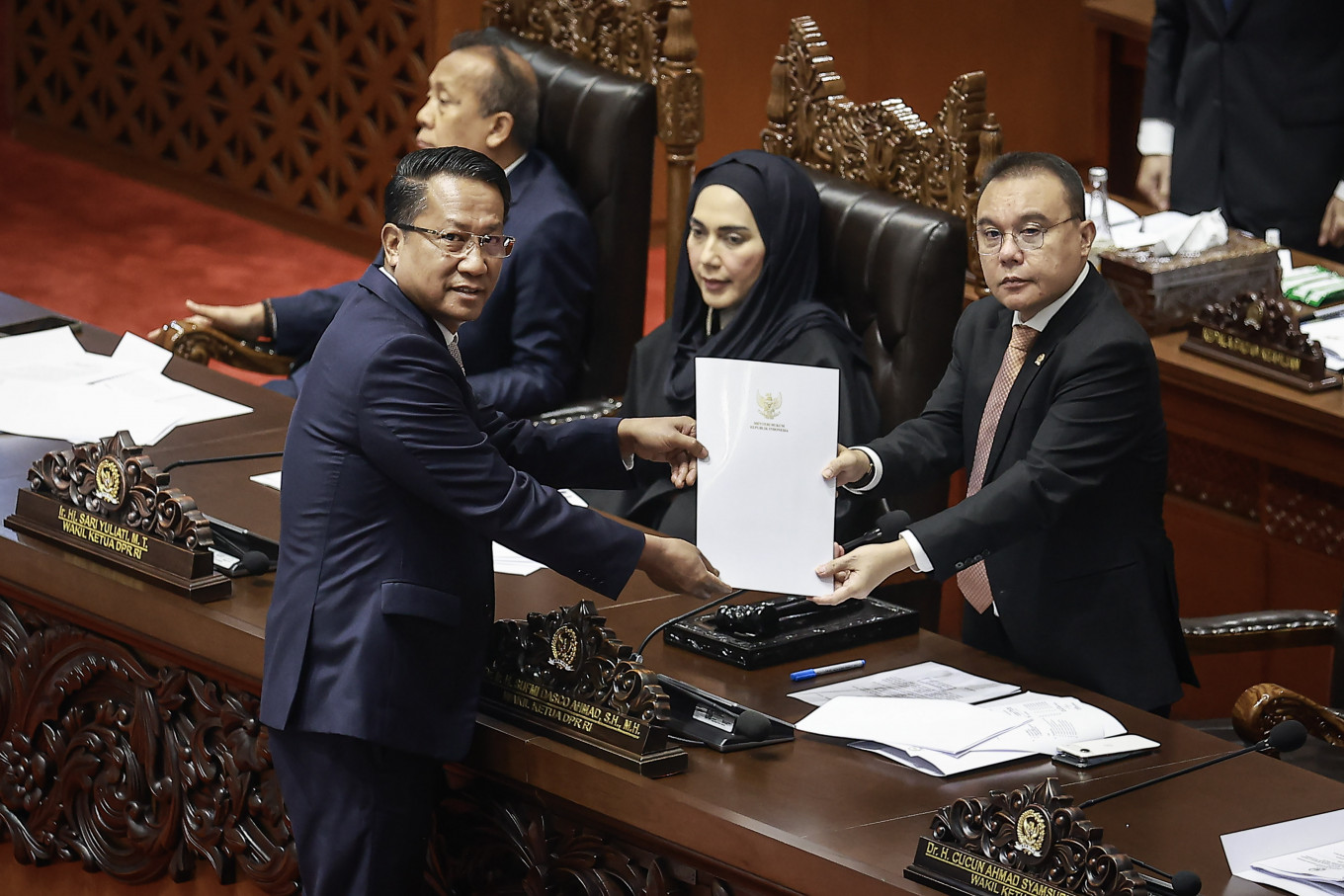
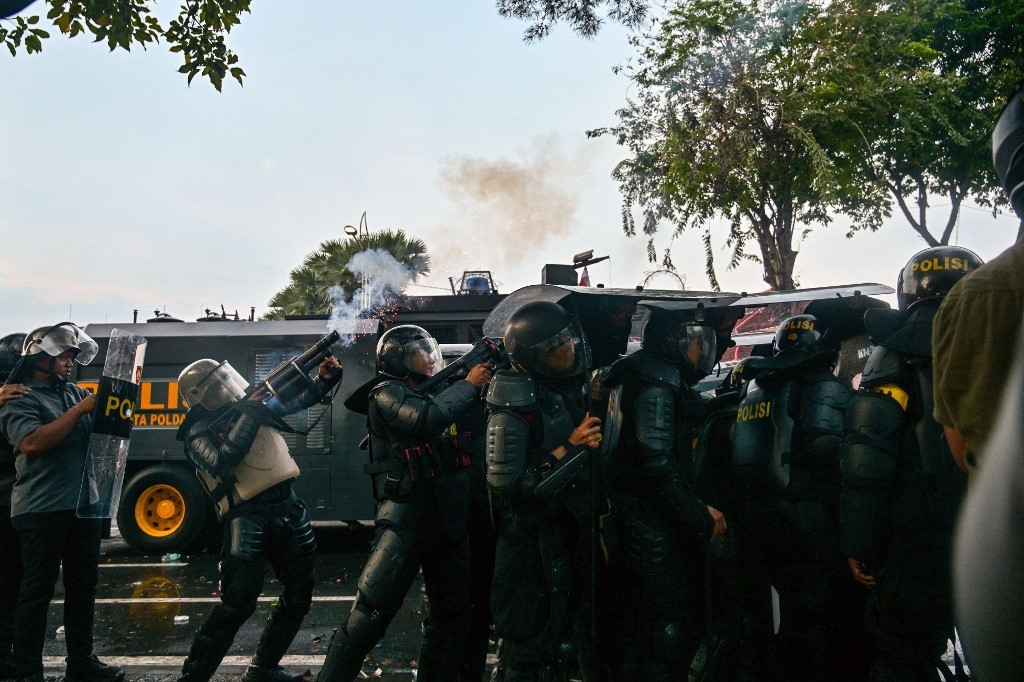
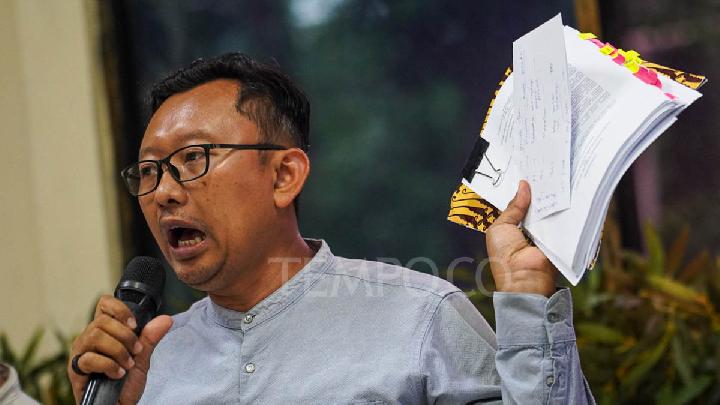
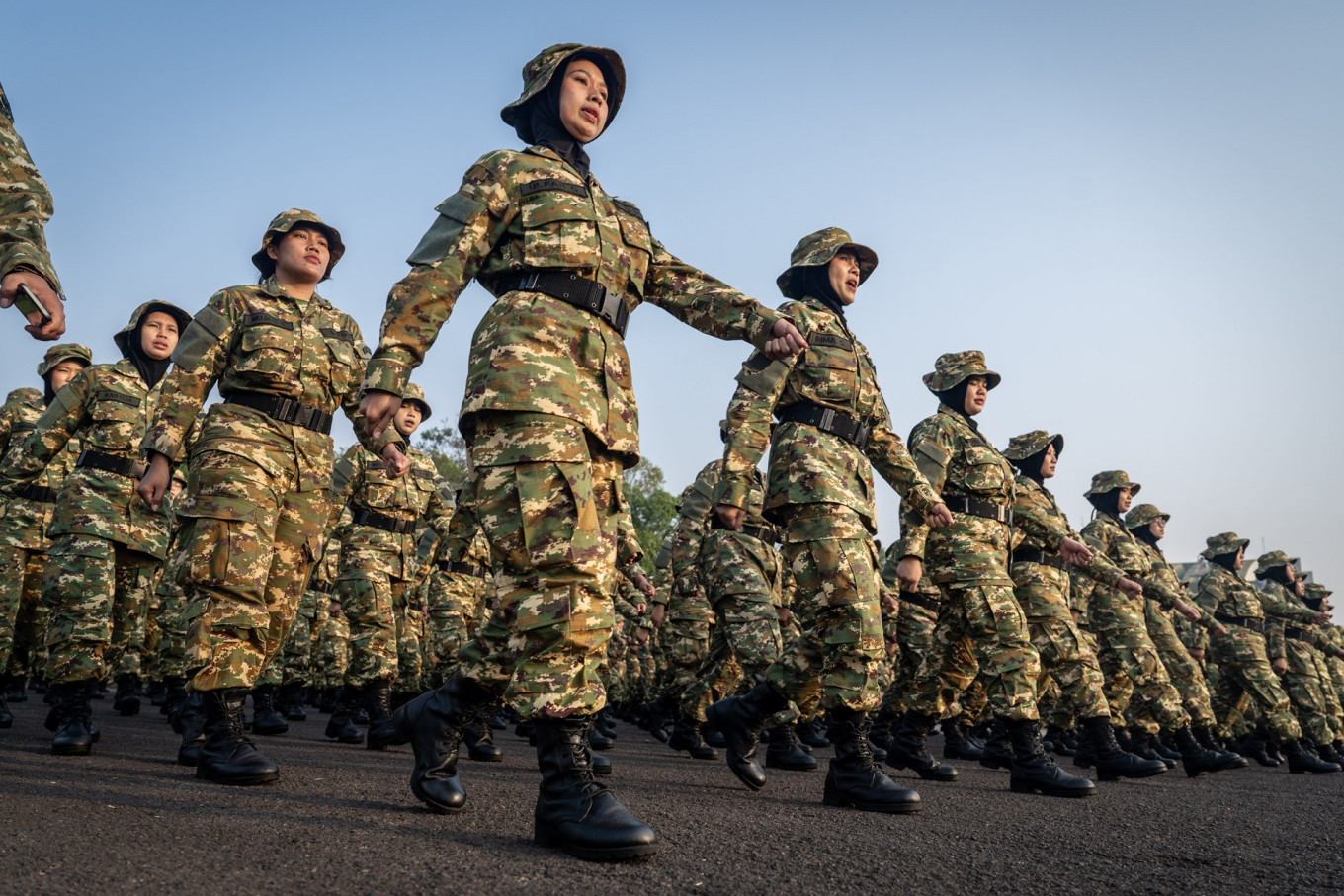
TEMPO.CO, Jakarta - Human Rights Watch (HRW) has criticized the Indonesian government's plan to involve the military in tackling street crime, including violent robberies known locally as begal, arguing that law enforcement in civilian settings should remain the responsibility of the police.Meenakshi Ganguly, Deputy Asia Director at Human Rights Watch, said the deployment of the Indonesian National Armed Forces (TNI) in civilian law enforcement risks undermining legal protections and due process."The Indonesian government has a responsibility to ensure public security. This includes the presumption of innocence, fair legal process, and the rule of law," Ganguly said in a written statement received on Friday, June 5, 2026.She pointed to the United Nations' Basic Principles on the Use of Force and Firearms by Law Enforcement Officials, which state that law enforcement personnel, including military officers when involved in such operations, should prioritize non-violent measures whenever possible.According to Ganguly, the military should not be deployed to carry out civilian law enforcement duties. Instead, the government should strengthen police investigations and ensure that criminal suspects are prosecuted through legitimate legal processes.The criticism came after Defense Minister Sjafrie Sjamsoeddin argued that the expansion of territorial development battalions across Indonesia could help reduce street crime.Speaking during a hearing with House of Representatives Commission I on May 19, Sjafrie said the presence of military units at the regency level had contributed to improvements in security."Previously, there were no forces stationed in regencies. What happened? Street crime became a significant problem," Sjafrie said at the parliamentary complex in Jakarta.The defense minister was explaining the government's plan to establish 750 territorial development battalions over the next five years.According to Sjafrie, the initiative is intended to strengthen national defense and territorial security, particularly given Indonesia's vast geography and its 514 regencies and municipalities, including 11 regions bordering neighboring countries.He said soldiers stationed in the regions regularly conduct training exercises and patrols using Defense Ministry vehicles. Sjafrie also claimed that crime rates in areas where the battalions operate have declined significantly."Street crime and other criminal activities in those areas have fallen by more than 50 percent," he said.The proposal has sparked debate over the appropriate role of the military in domestic security, with rights groups warning that civilian law enforcement should remain under police authority and in line with international human rights standards.Dian Rahma Fika and Andi Adam Faturahman contributed to this article.Read: Fact Check: No, Indonesia's Human Rights Minister Never Told Iran to Leave Strait of Hormuz