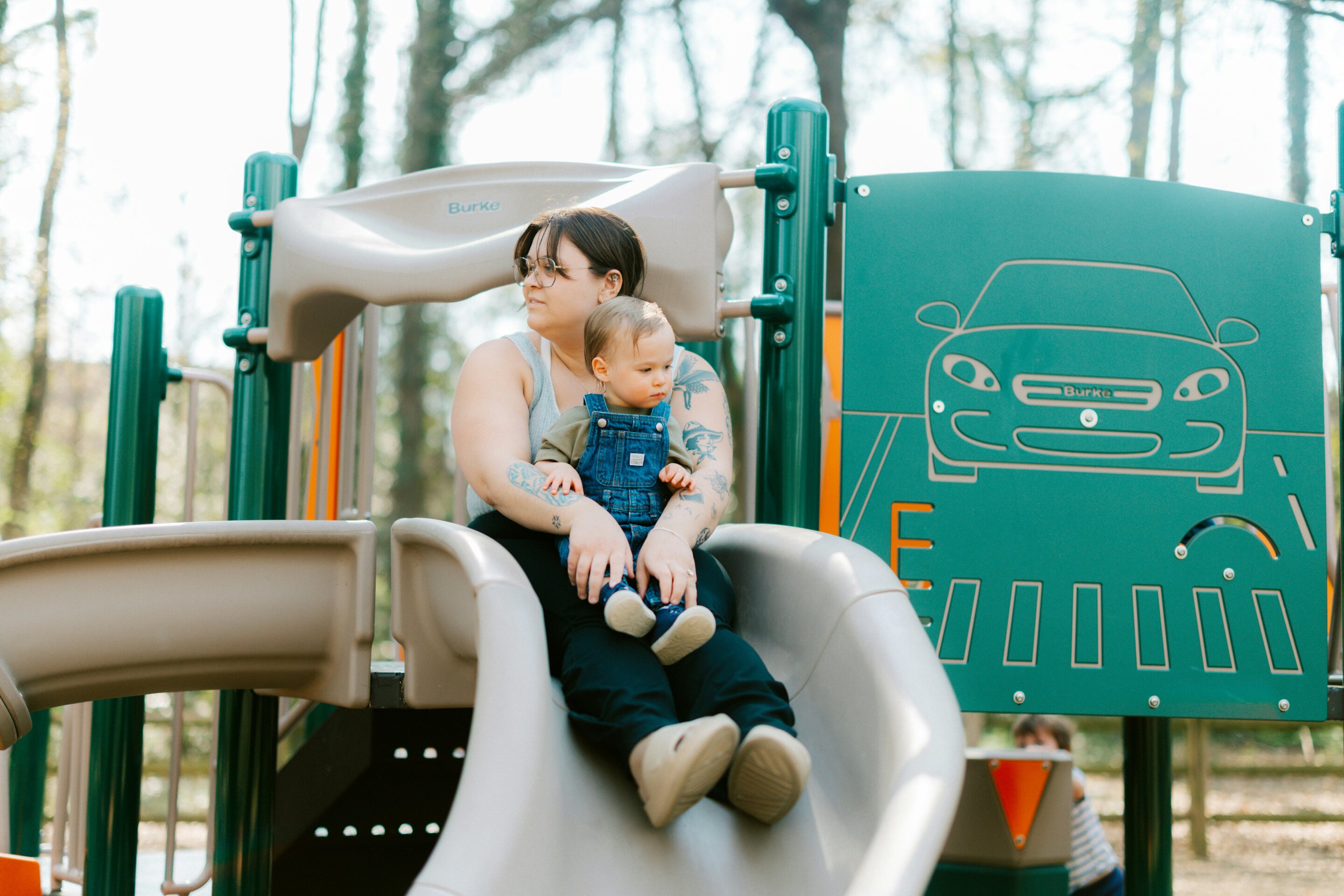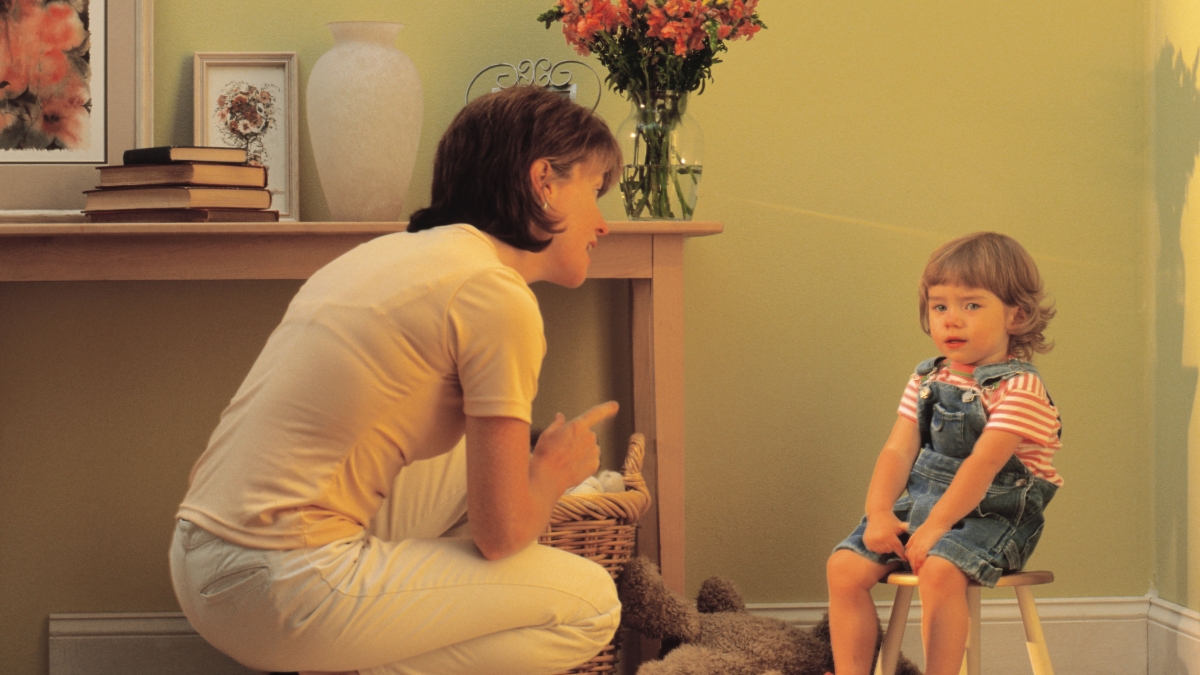
Growing up in a home where the emotional weather could change at any moment teaches the nervous system one central lesson: never let your guard down completely. A peer-reviewed study on disorganized attachment, published in Neuroscience Insights and indexed in PMC, notes that children raised by caregivers who were simultaneously a source of comfort and fear tend to become adults with nervous systems that have difficulty calming down, even in the absence of threat.Those wires don’t disappear when you move out, get a steady job, or are in a healthy relationship. It just goes silent for a bit, then pops up in little confusing ways. You feel restless on a calm Sunday. You pick a fight after a good week. You can’t enjoy a holiday without checking your phone every 20 minutes. This doesn't mean that there is something wrong with you. It just means your body learned a survival pattern early on, and it’s still running the old program.Here is how you observe that pattern in day-to-day adult life.Calm feels like a red flag, not a reliefIf quiet was never dependable growing up, your brain learned to associate stillness with the lull before something bad happens, rather than with actual safety. So when life is really good, some little nagging uneasiness can sneak in anyway. You may find yourself looking for a problem just to get rid of the discomfort of “nothing's wrong.”This isn't anxiety for no reason. It’s the nervous system doing exactly what it was trained to do years ago.You're drawn to people who keep you guessingSteady and predictable partners can feel strangely unexciting at first, not because they’re boring, but because consistency wasn’t the picture of closeness growing up. The usual rhythm of intimacy can begin to feel like warmth abruptly taken away or closeness that causes conflict.According to Simply Psychology, adults with this type of history often develop fearful-avoidant attachment, wanting to be close but also becoming spooked when they are. Even if it’s just familiar unease, the push-pull cycle can feel like passion.You start drama just when things are going wellSome people hold someone too close, then suddenly feel suffocated. When life is good, they just find a way to pick a fight out of nowhere. This is sometimes called repetition compulsion, an unconscious desire to return to familiar emotional patterns, even painful ones, because familiar feels easier than the unknown.Consistency can feel unfamiliar when chaos was once the norm. Image Credits: ChatGPTSimply Psychology’s overview of repetition compulsion points to a tendency to recreate childhood dynamics, often unconsciously, because the brain interprets familiar as safe, even when the familiar pattern was hurtful.You're calm in a crisis, but a quiet afternoon undoes youA lot of people with this background are surprisingly calm when something hits the fan. Clear-headed, quick, decisive in a jam, but it is the ordinary Tuesday that is hard to take.The nervous system has a script for high alert. It knows what to do when something's burning. But an open afternoon with nothing to manage and no role to play can seem strangely uncomfortable, just because no one ever modeled that peace was something you were allowed just to sit in.You remain half-braced even when things are going wellThere’s a certain kind of unease that rises when things are actually good. Not ingratitude, just a quiet sense that fully relaxing into it is risky; letting your guard down is what invites the next problem.So you keep one foot out the door, emotionally. Not quite celebrating, not quite letting it register. And then you wonder why the good times in your life never felt as good as they should have.You over-explain, over-apologize, and over-performIf being useful and agreeable once felt the safest way to not trigger a parent’s mood, that habit doesn’t just turn off in adulthood. It can look like constantly managing other people’s feelings before they say anything, apologizing for things that don’t need apologizing for, or quietly doing more than your share at work or at home.From the outside, this can look like a great employee or a chill friend, but it's often still an old habit underneath trying to keep the peace.You feel guilty when you’re not “doing” anythingA free Saturday can seem less like a gift and more like time wasted. If you have a boring week, you might feel like you're forgetting something, even if you aren't. This shows up as obsessively checking your phone while on vacation, overbooking your evenings, or feeling strangely off when there are no plans.If you didn’t feel safe resting as a kid, your nervous system might have quietly filed downtime under the heading of “something to feel bad about.” And that filing system can stay around long after it stops making sense.When a quiet morning brings guilt instead of peace. Image Credits: ChatGPTYou confuse intensity with connection, and instant familiarity with fateWhen home means a roller coaster of emotions for you, a steady, low-drama partner can seem like they don’t care enough, while a chaotic, hot-and-cold dynamic can feel like real chemistry. The same peer-reviewed study of disorganized attachment research, published in Neuroscience Insights, notes that adults with this attachment style tend to find themselves in unstable and intense relationships and feel pulled towards closeness and distance at the same time.This is also why some connections feel instantly fated, as if you’ve “known this person forever.” That feeling doesn’t always mean something special. Sometimes it is your nervous system recognizing a familiar emotional rhythm and settling into a pattern it already knows how to play, for better or worse.The good news here None of this is fate and none of this means you’re broken. These patterns were wise adaptations to an unpredictable childhood. They don't change automatically when your life gets safer. Often, experiencing them is the first real step to feeling okay with calm, instead of waiting for it to fall apart.
Psychology says adults who grew up in emotionally unpredictable homes don't just remember the chaos; their nervous system learned to treat instability as normal, so calm can feel foreign and low-grade disorder can feel strangely like home
This article explores how childhood experiences in unpredictable emotional environments shape adult attachment styles and emotional responses. It delves into the challenges of embracing calmness and healthy relationships for those with a background of instability.
982 words~4 min read