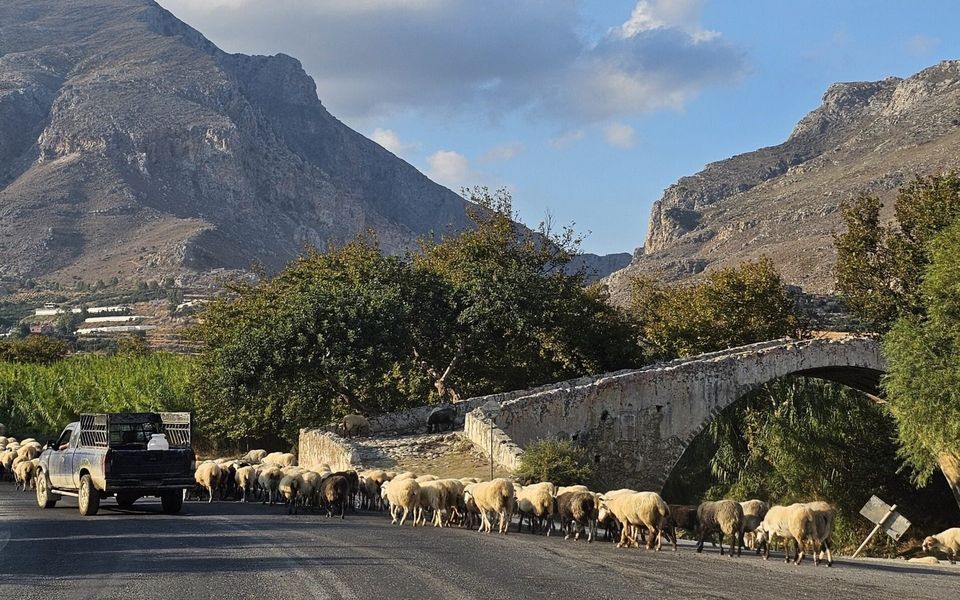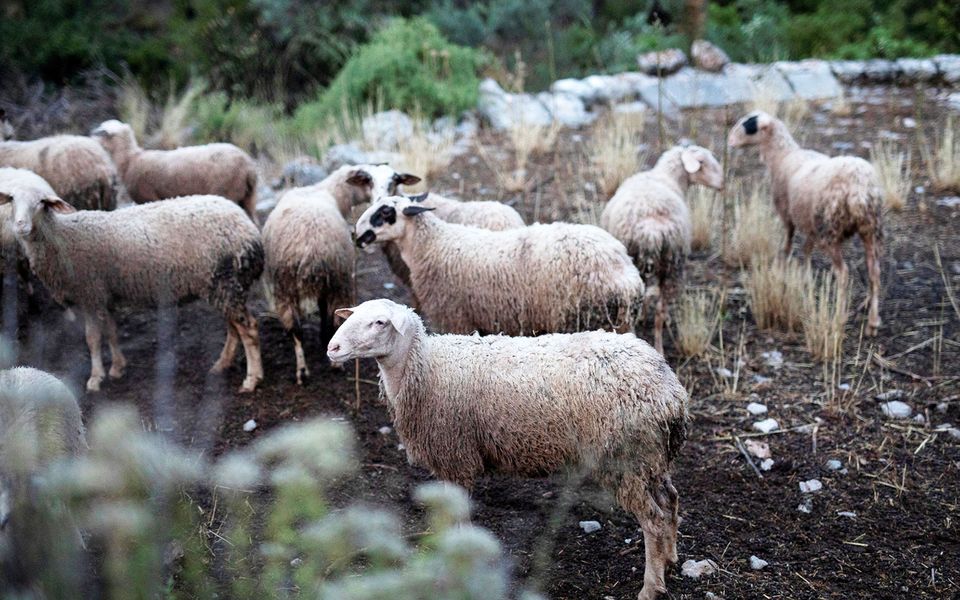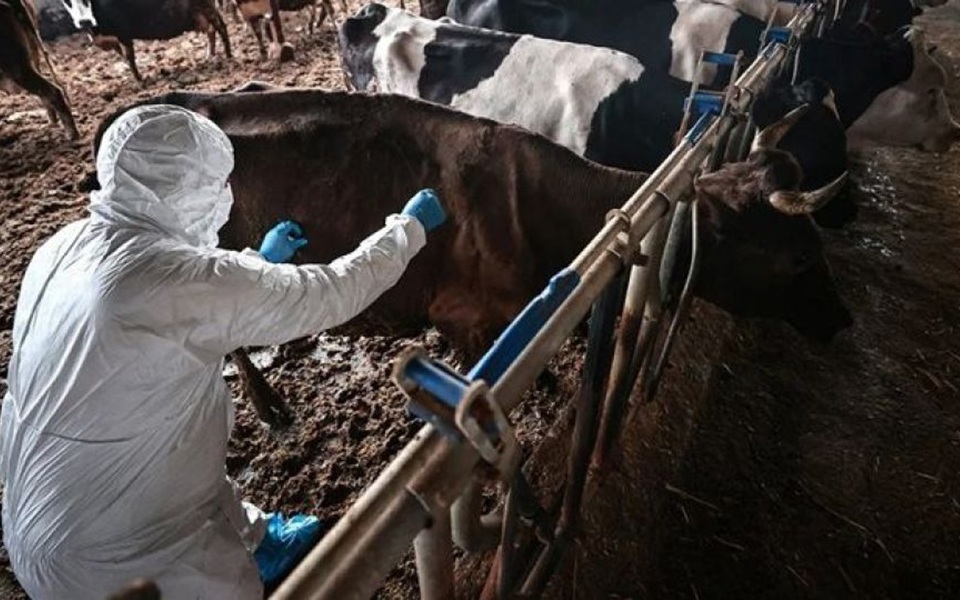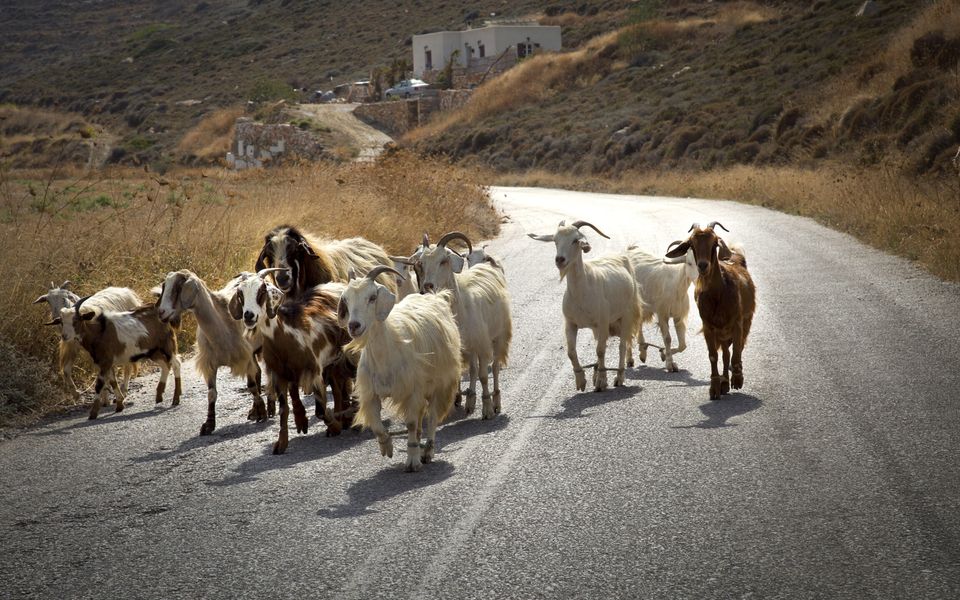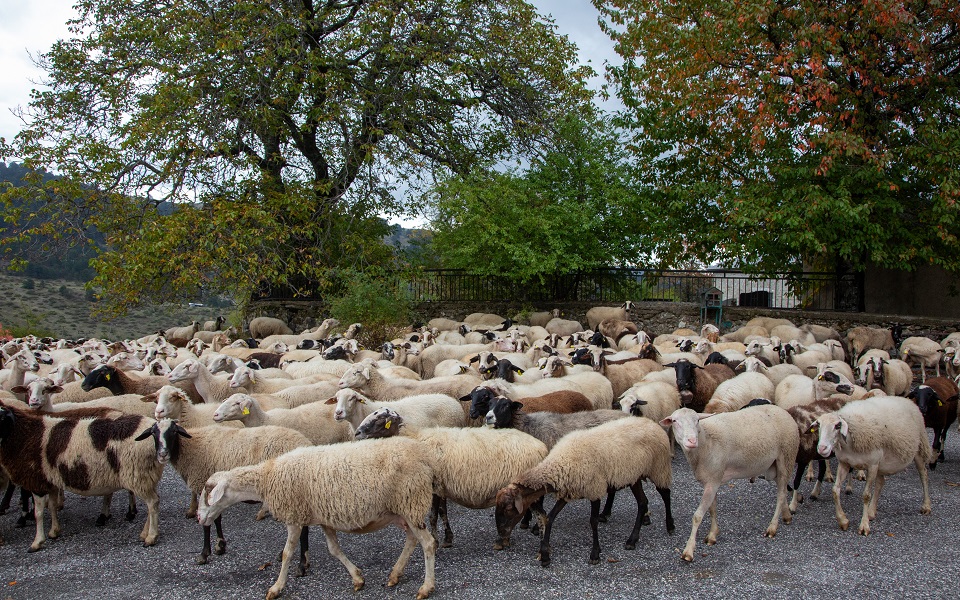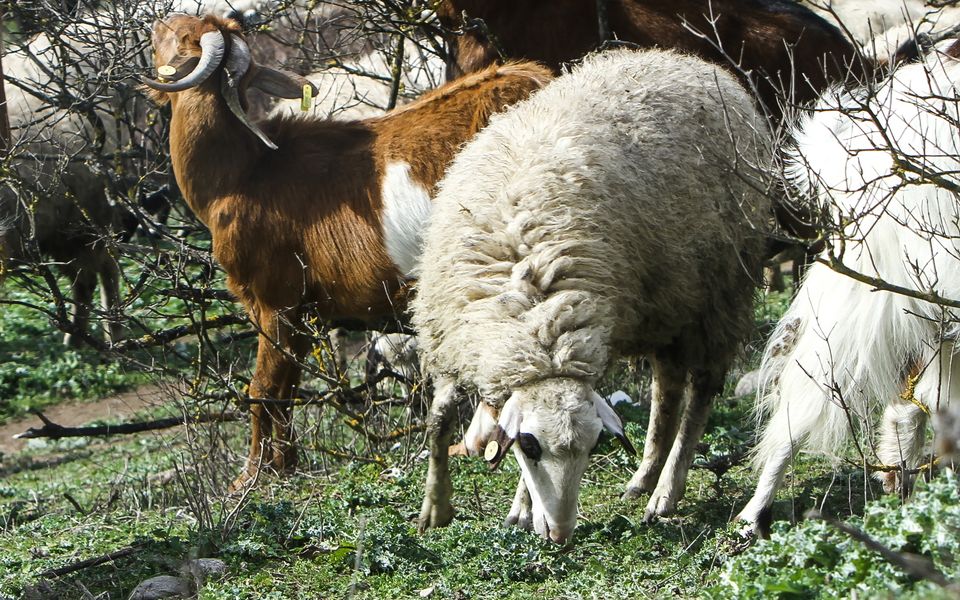
The deadly epidemic of sheep and goat pox that’s hammered Greek livestock breeders for nearly two years appears to be on the wane, authorities said Friday, while a second and even more contagious disease coursing through farms on the eastern island of Lesvos is still going strong.
The twin problem has played havoc with animal husbandry, a mainstay of Greece’s rural economy and, in more isolated areas, traditional lifestyle, while threatening the country’s dairy exports.
The Rural Development Ministry said a total 7 new cases of sheep or goat pox were recorded between May 25 and June 7, mostly in southern and central Greece but also one in the northern Serres region.
Authorities have insisted on fighting the epidemic, which started in August 2024, by slaughtering entire herds where even one case has been registered and implementing strict biosecurity measures to avoid transmission of the disease – including a ban on herds in afflicted areas being allowed outdoors to graze.
So far, a total 489,307 animals have been culled nationwide.