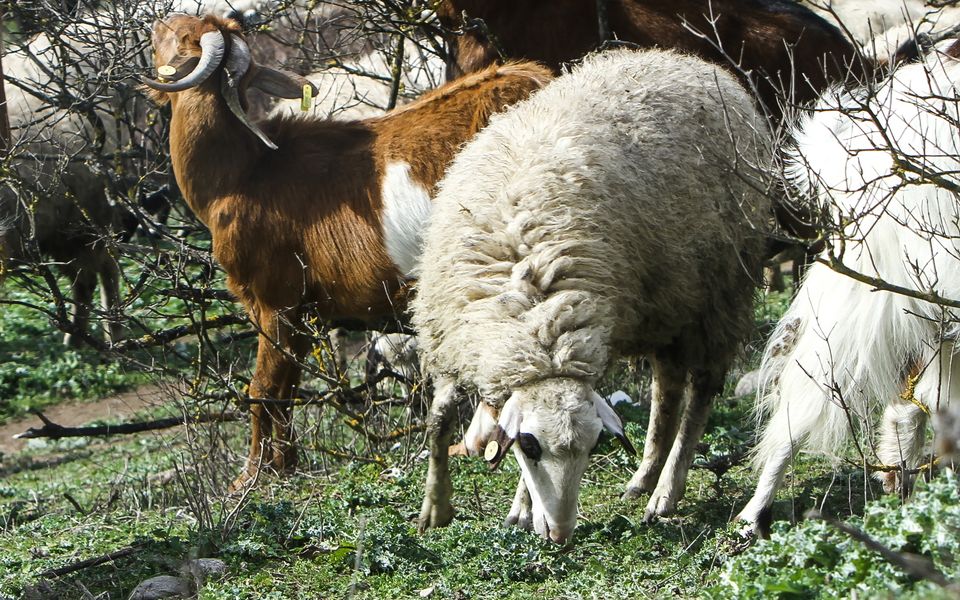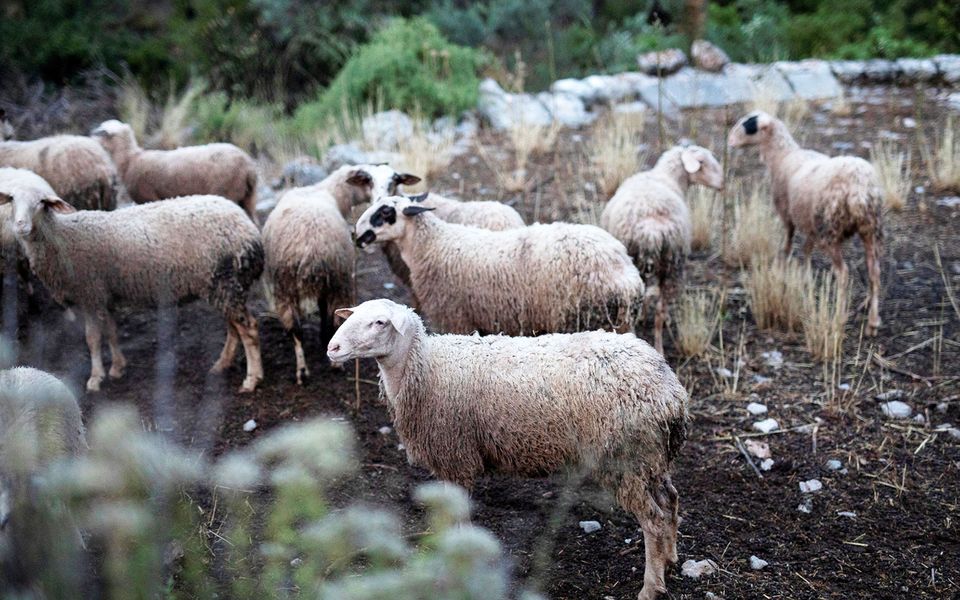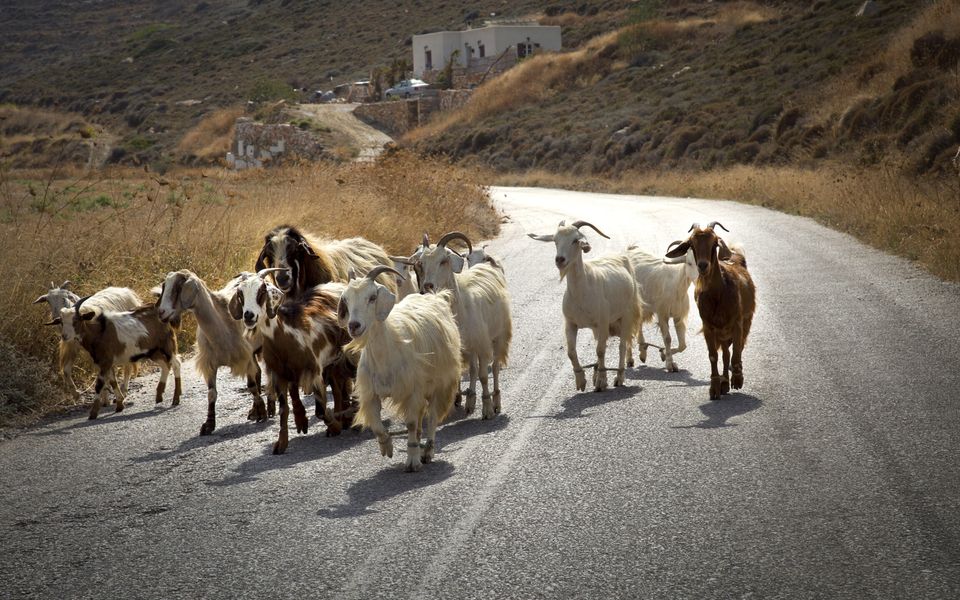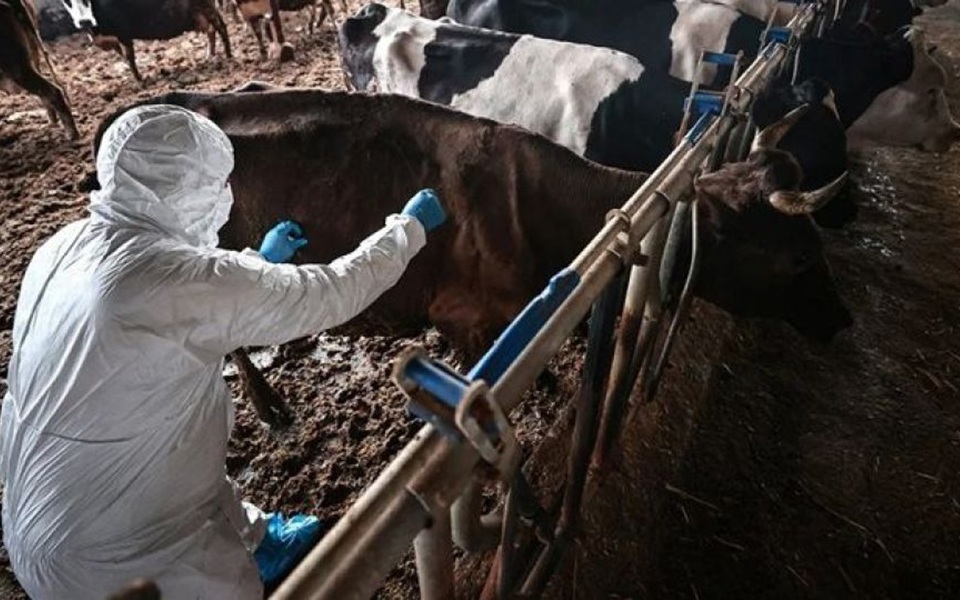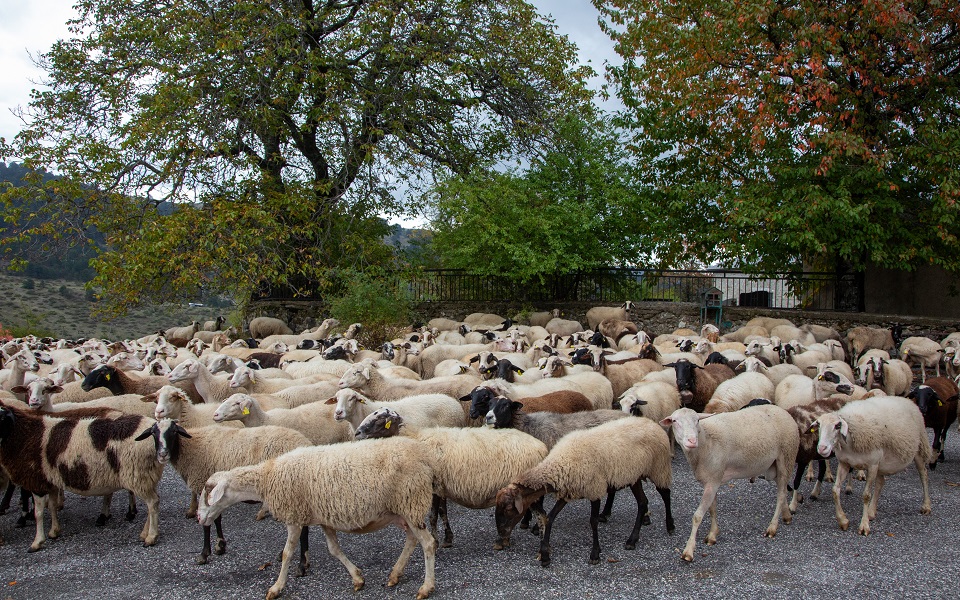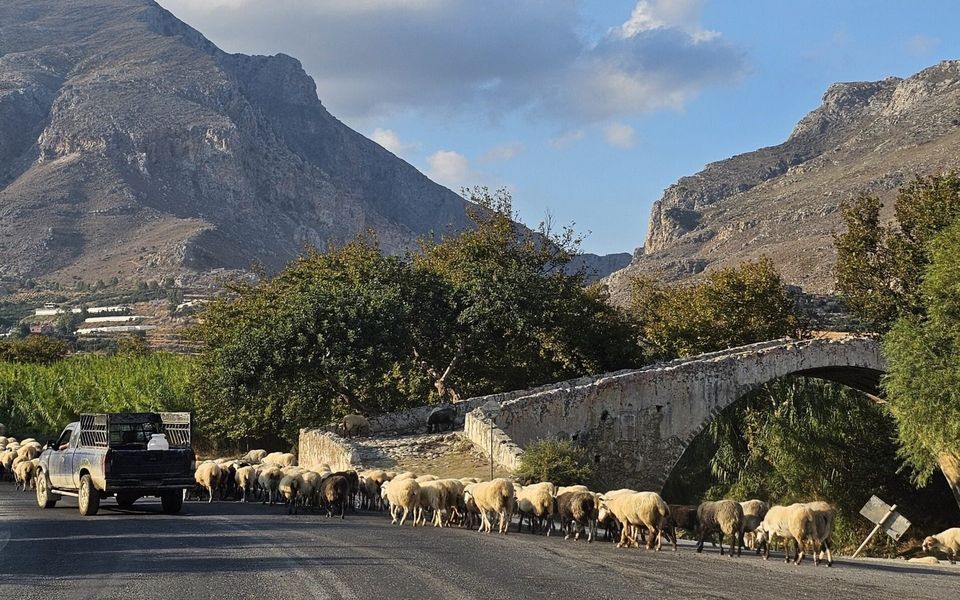
Agriculture ministry officials appealed Tuesday for livestock breeders, police and vets to redouble efforts to contain the sheep and goat pox epidemic that’s battered Greece since 2024, threatening a traditional way of life, as new data showed the fatal disease is still spreading.
Figures provided by the Rural Development Ministry showed ten new recorded cases in parts of mainland Greece between May 11-24. While the ministry does not offer regular updates, the last numbers made public for April 6-19 gave five new infections.
Small-scale livestock farming is a traditional mainstay of Greece’s rural economy, as well as a millennia-old way of life that was already threatened before the epidemic as older generations of shepherds die out and younger people shy away from the physically demanding and financially unrewarding occupation.
Since the first pox cases were recorded in August 2024, a total 488,754 mostly healthy sheep and goats have been slaughtered to contain the spread of the disease.
The government has ruled out vaccinations, which would affect Greek dairy exports – including €1 billion-worth of annual feta cheese sales abroad – and insists on culling entire herds where even one case has been confirmed, coupled with strict biosecurity measures to stop the spread of infection.