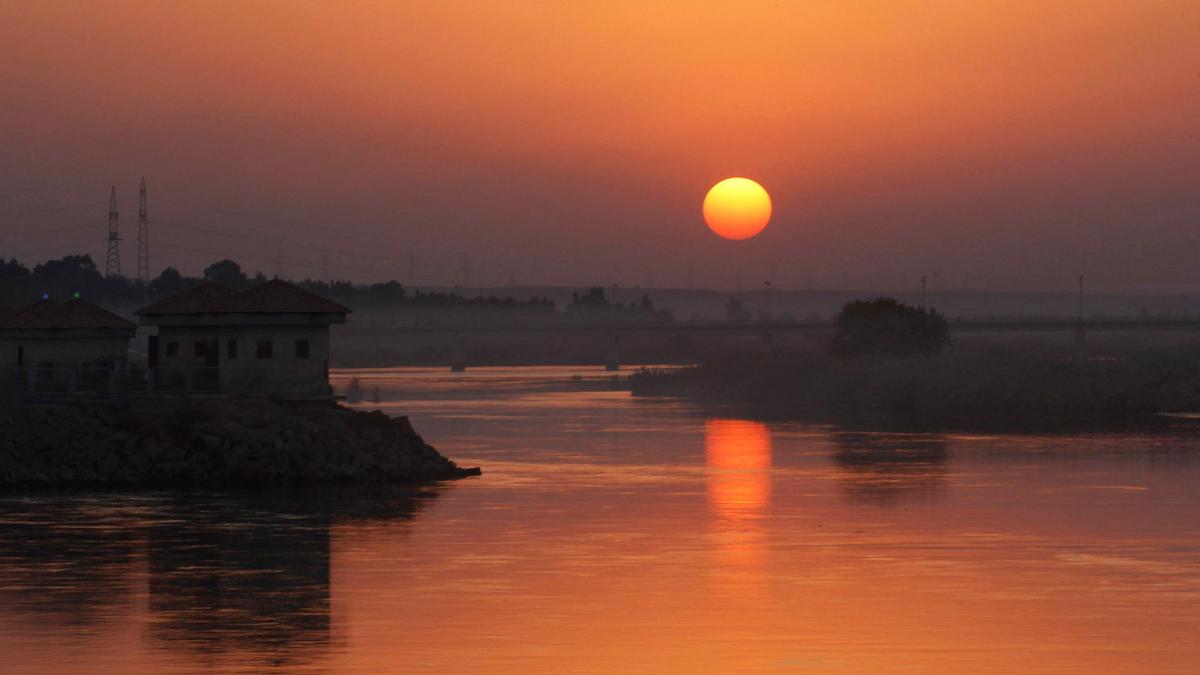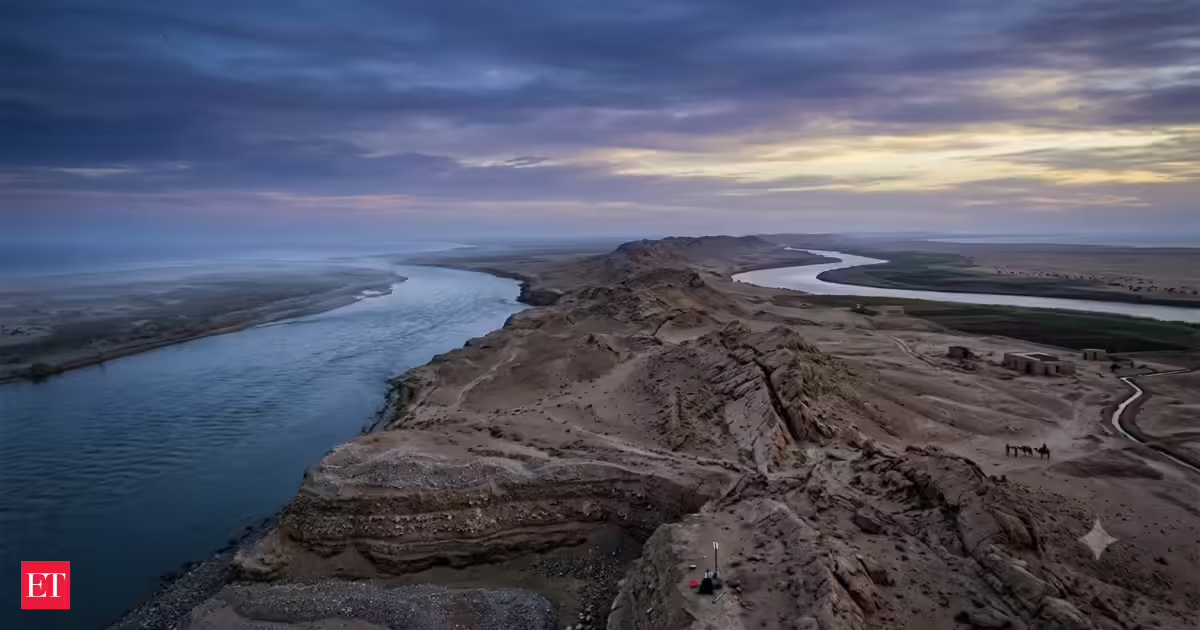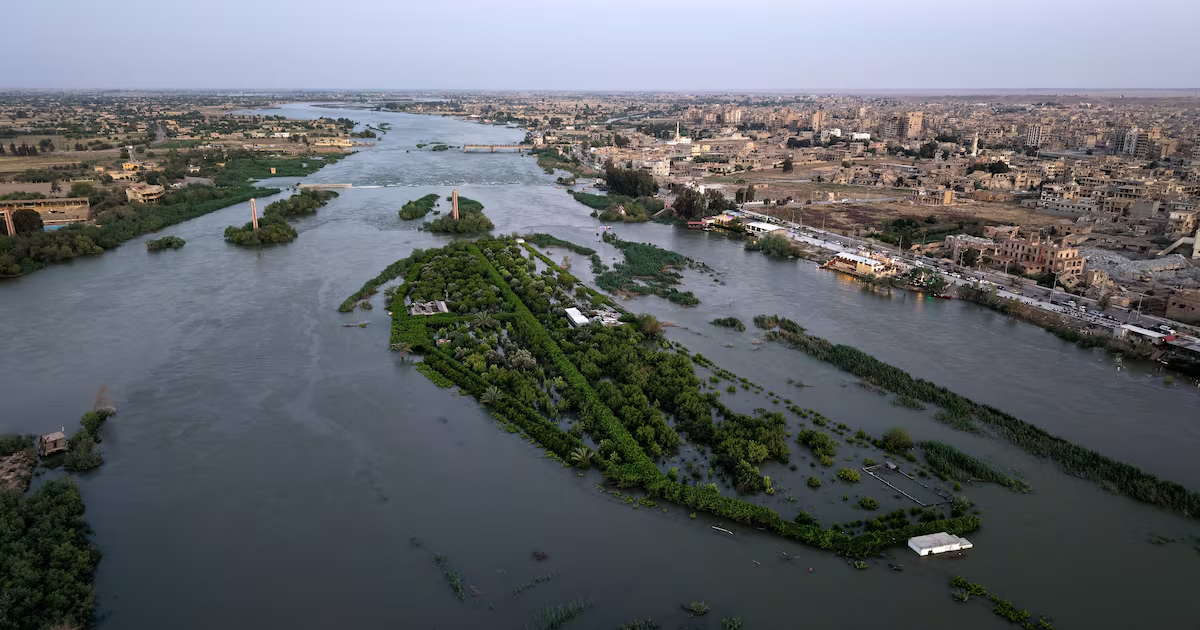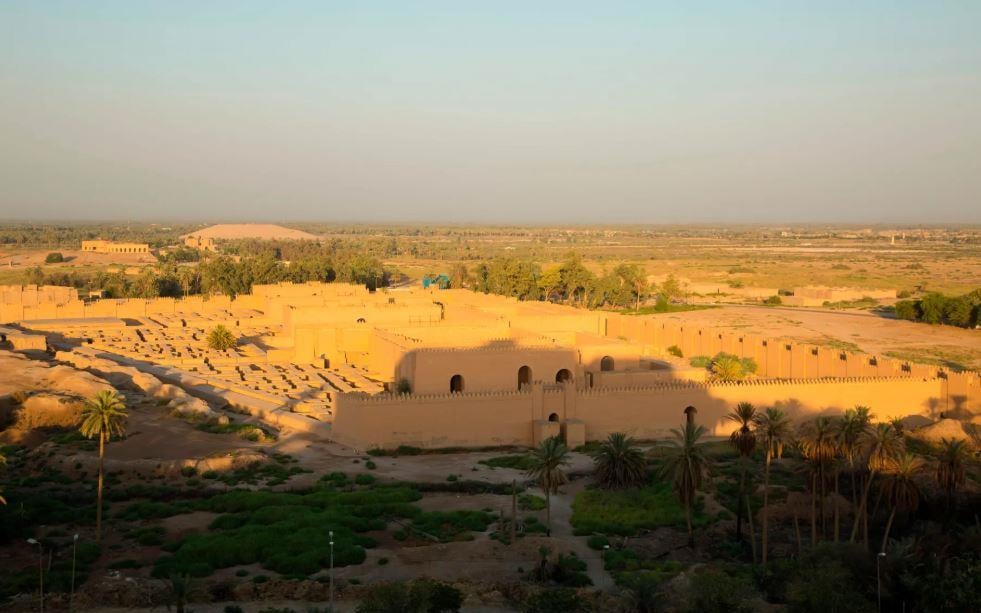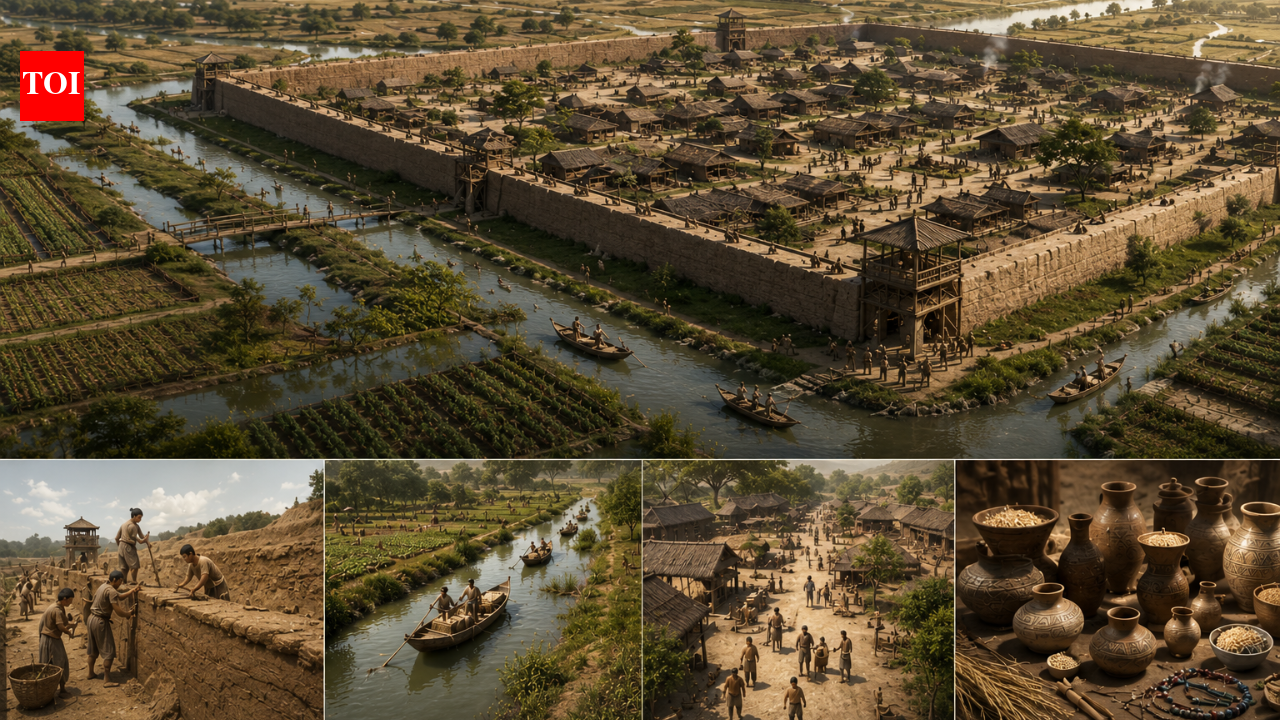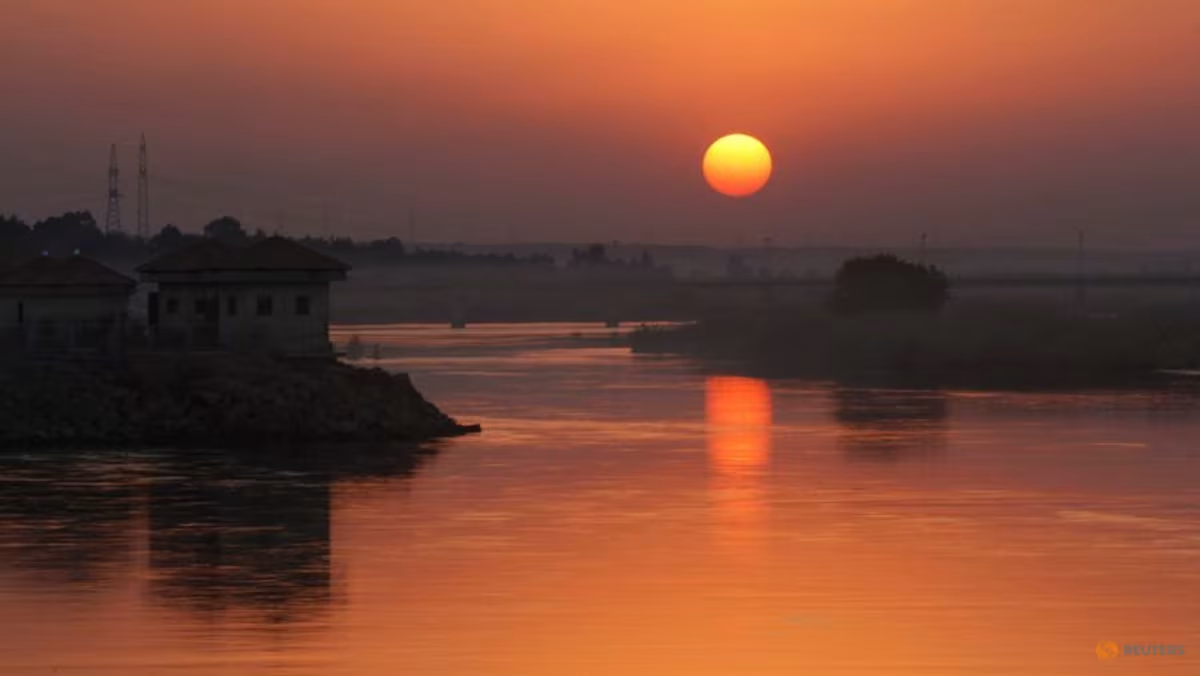
June 12 : Uruk, the world's first metropolis and the birthplace of written language, was nourished by the Euphrates River, as was Babylon, ancient Mesopotamia's grandest city. The fertile plain between the Euphrates and its companion waterway, the Tigris River, was one of humankind's cradles of civilization. Researchers now have deciphered how the Euphrates first formed, looking much further back in time than the era of these great urban centers that arose mere millennia ago. Guided by seismic images of buried sediments and other data, they said the Euphrates appears to have been born between 3.6 million and 1.6 million years ago as two earlier river systems merged due to tectonic activity in the Taurus Mountains in the southern part of modern-day Turkey. The Euphrates, the longest river in southwest Asia, extends about 1,700 miles (2,800 km), originating in Turkey and flowing through Syria and Iraq before emptying into the Gulf. Present-day cities on the banks of the Euphrates include Birecik in Turkey, Raqqa in Syria and Ramadi, Fallujah and Nasiriyah in Iraq. Ancient cities on the Euphrates also included Ur and Mari. While the Euphrates has long shaped the region's geology, the timing of its origin and the evolution of its present course had remained enigmatic. The researchers said decoding the river's backstory was important for understanding the milestones in human culture in agriculture, writing, urban development and other areas that occurred on its floodplains.
Scientists decipher ancient origins of the Euphrates River
June 12 : Uruk, the world's first metropolis and the birthplace of written language, was nourished by the Euphrates River, as was Babylon, ancient Mesopotamia's grandest city. The fertile plain between the Euphrates and its companion waterway, the Tigris River, was one of humankind's cradles of civilization.�
718 words~3 min read