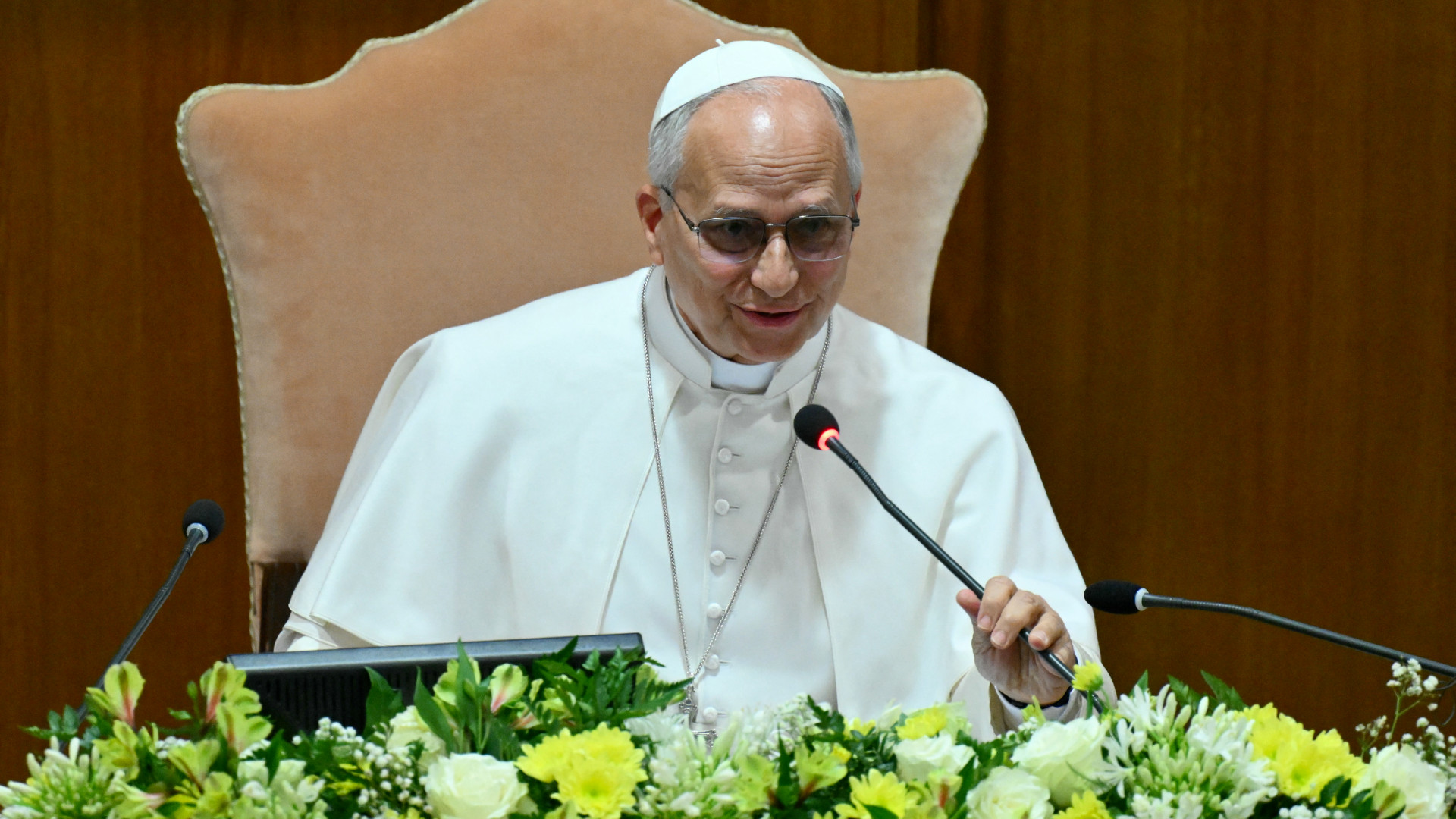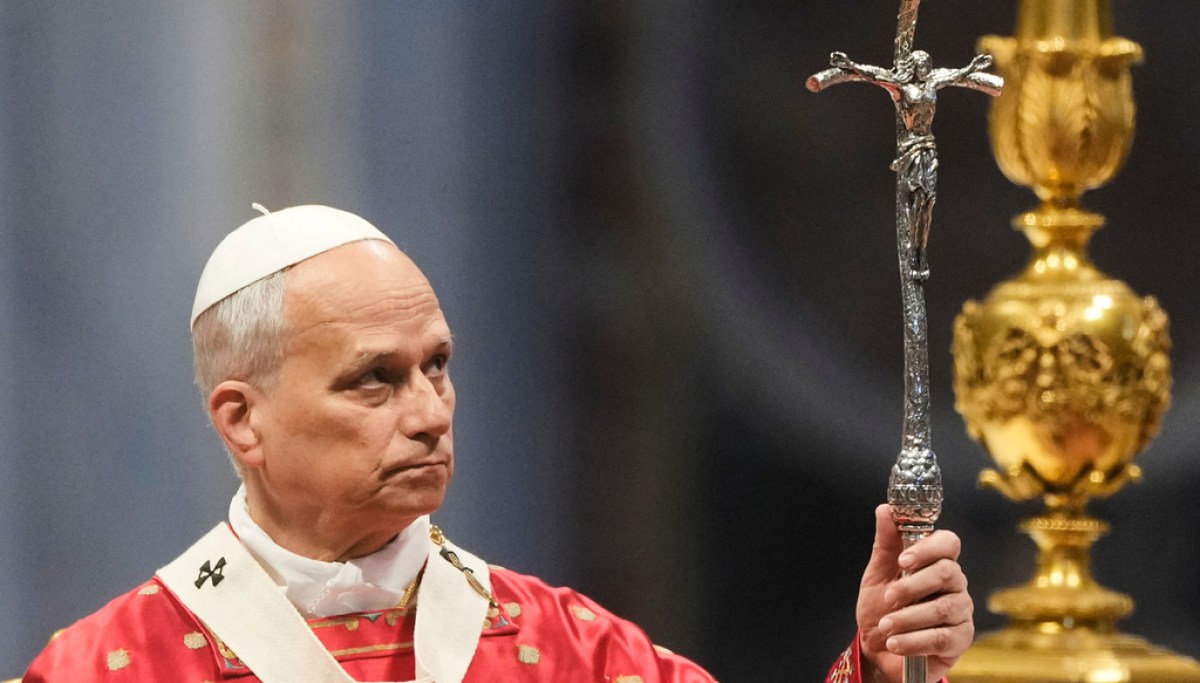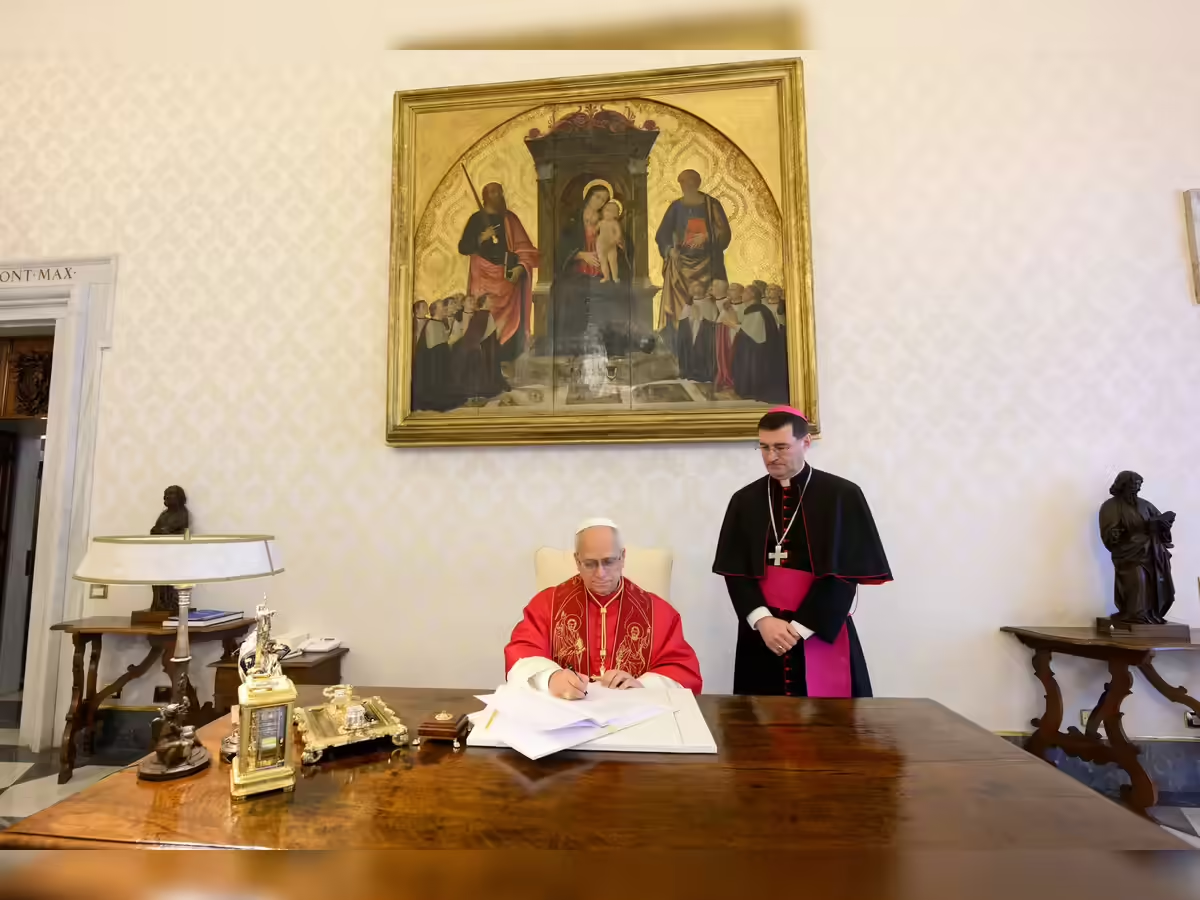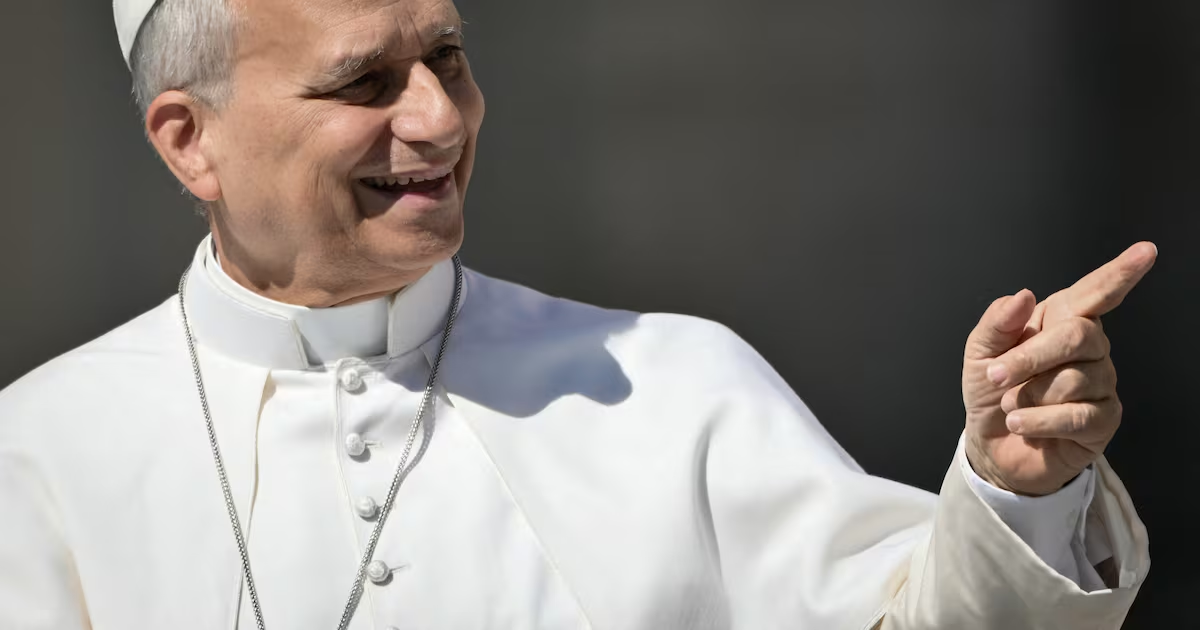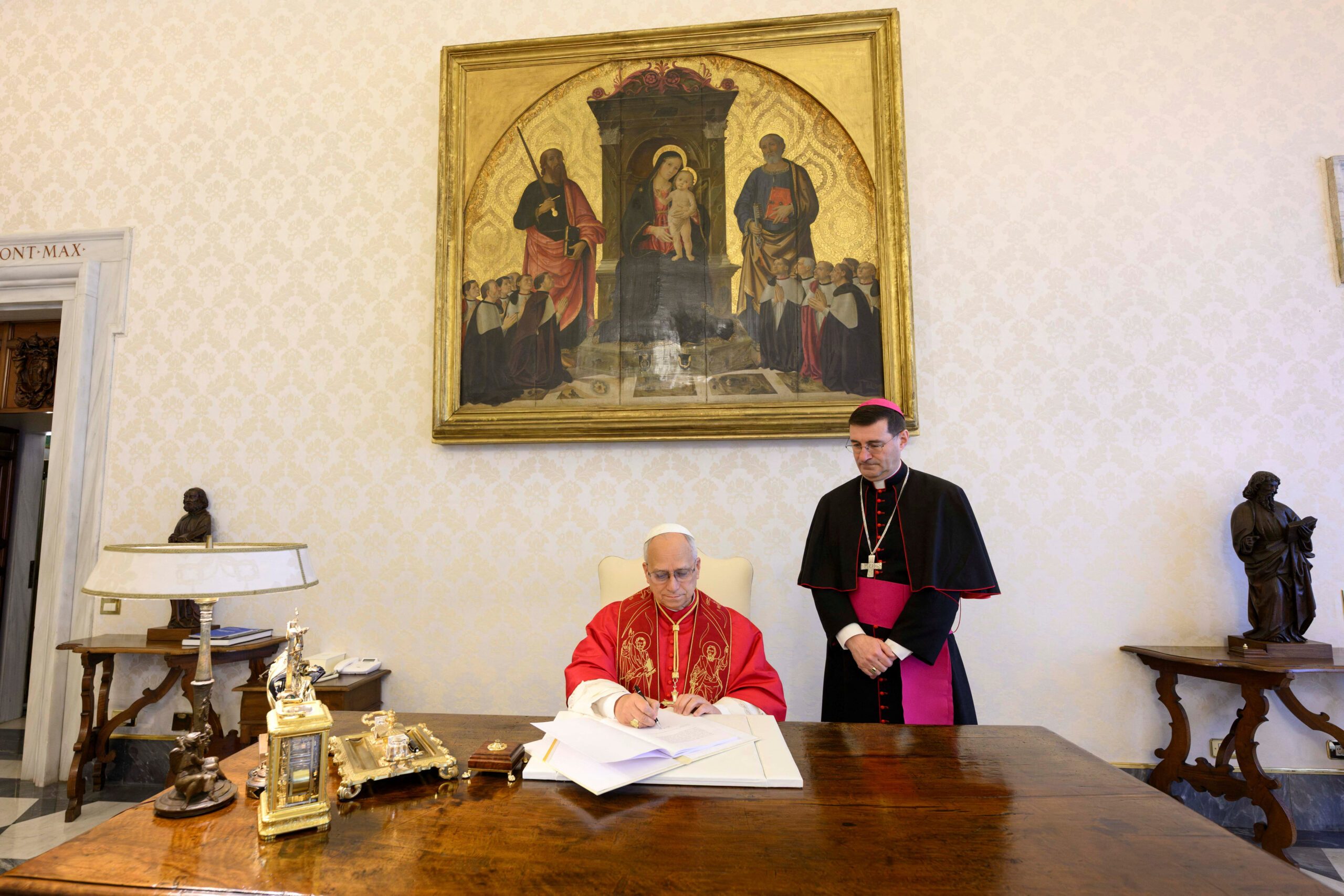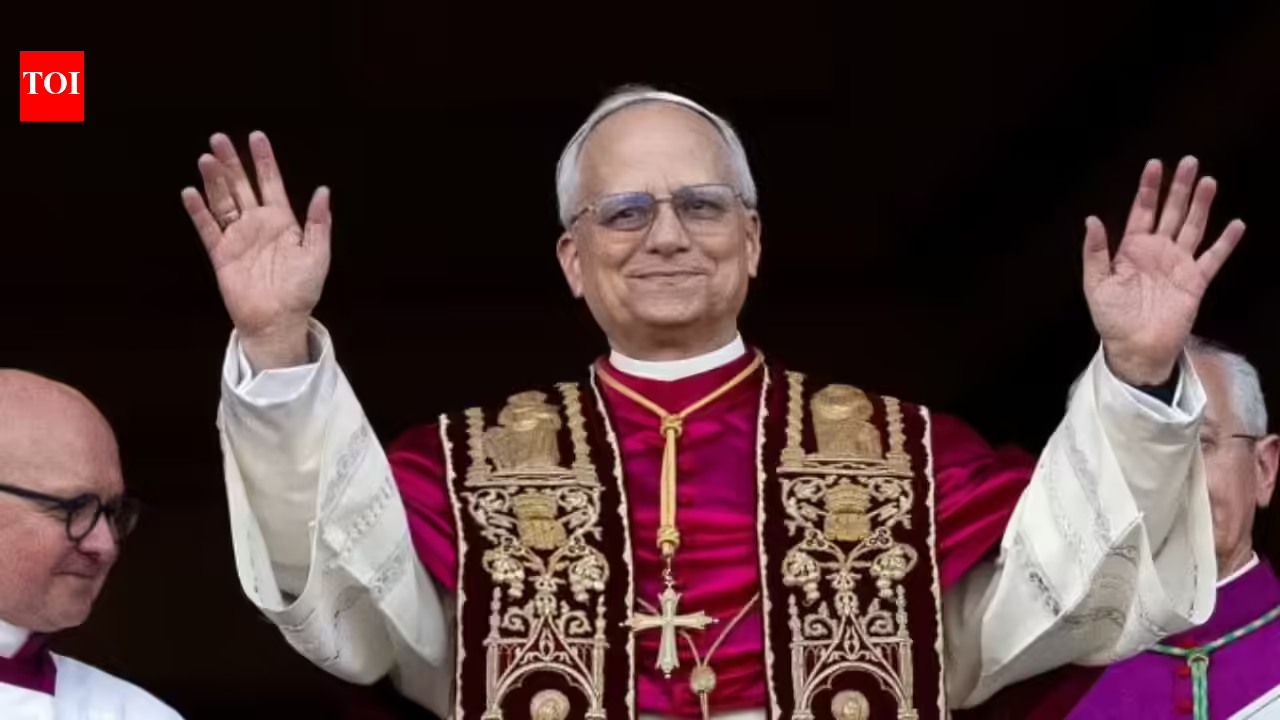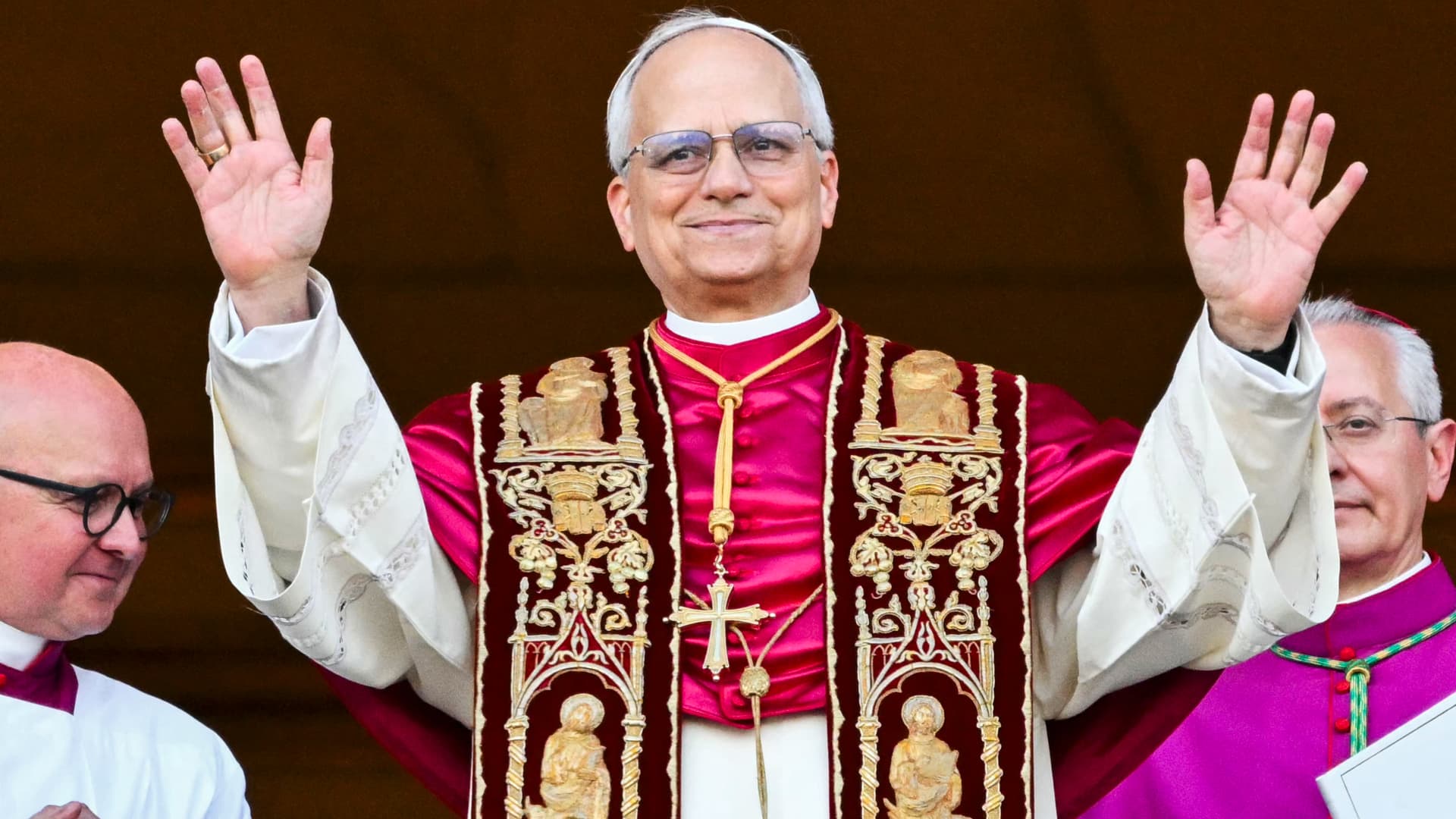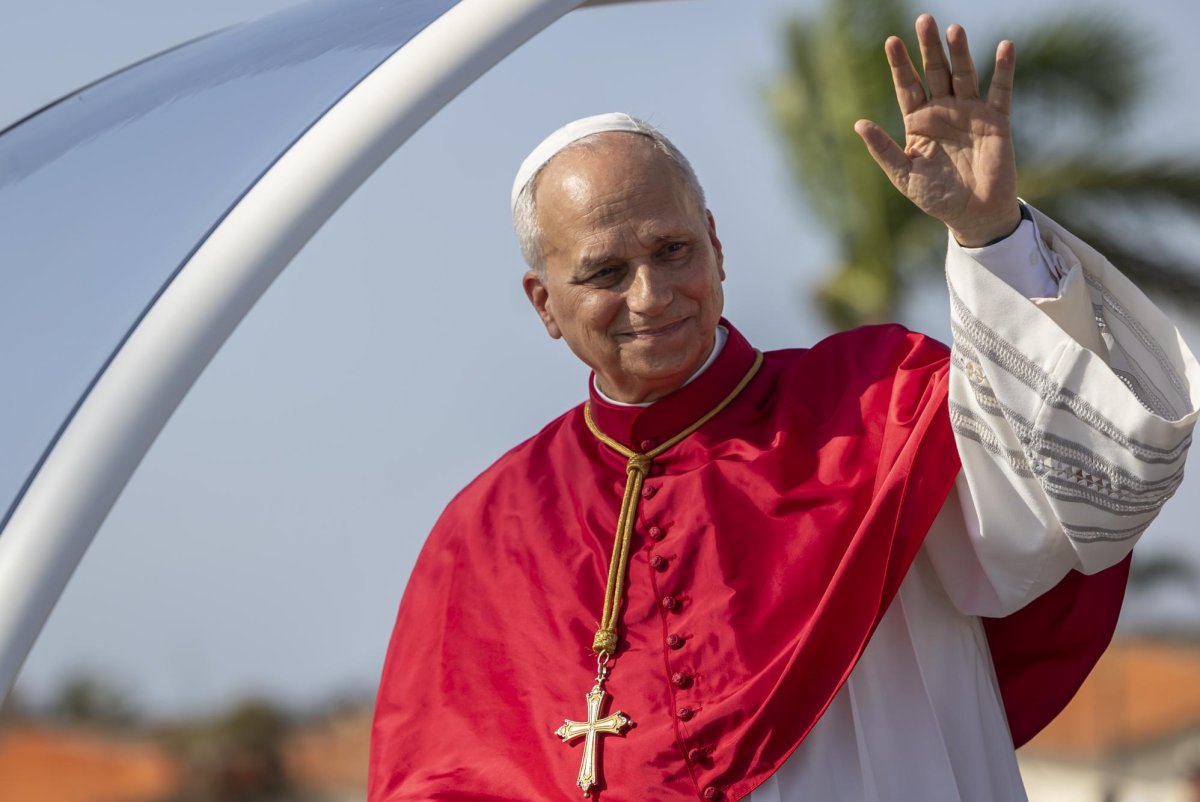
Pope Leo XIV’s encyclical Magnifica Humanitas ("Magnificent Humanity") has placed one of the great questions of our time at the center of global debate: How can humanity govern artificial intelligence without losing sight of the human person? File Photo by Jose Sena Goulao/EPA
June 12 (UPI) -- Pope Leo XIV's encyclical Magnifica Humanitas ("Magnificent Humanity") has placed one of the great questions of our time at the center of global debate: How can humanity govern artificial intelligence without losing sight of the human person?
The document addresses the ethical implications of generative artificial intelligence and the concentrated power of those who design and control its platforms. It warns against technological power exercised without moral direction or public accountability, and against progress that weakens rather than strengthens human dignity.
Some have praised the pope's moral leadership. Others have welcomed the Church's willingness to challenge the political and technological powers shaping the digital age. Still others have responded with indifference or criticism, arguing that religious institutions have often resisted progress and may be doing so once again.
Across history, religious and secular traditions have often ignored or misunderstood one another. Yet the scale of today's technological challenge demands a broader conversation. Artificial intelligence and digital automation are not merely Catholic concerns. They are human concerns.