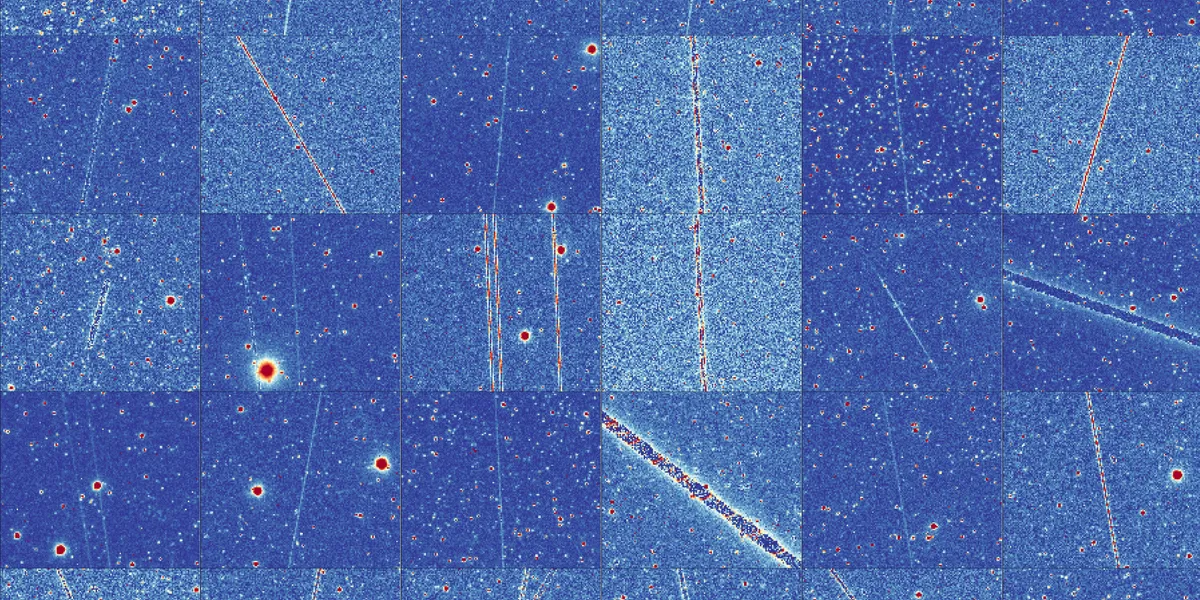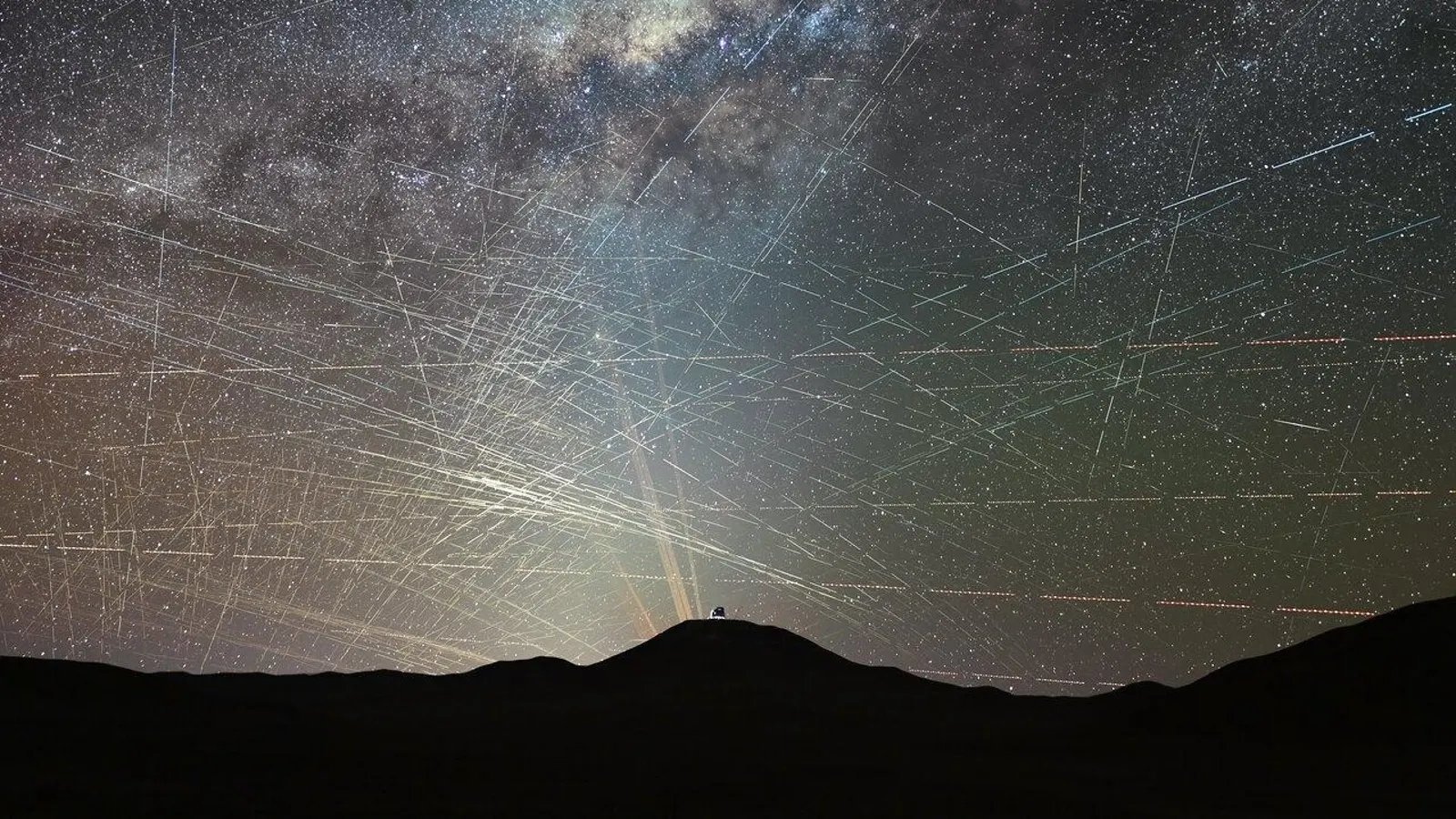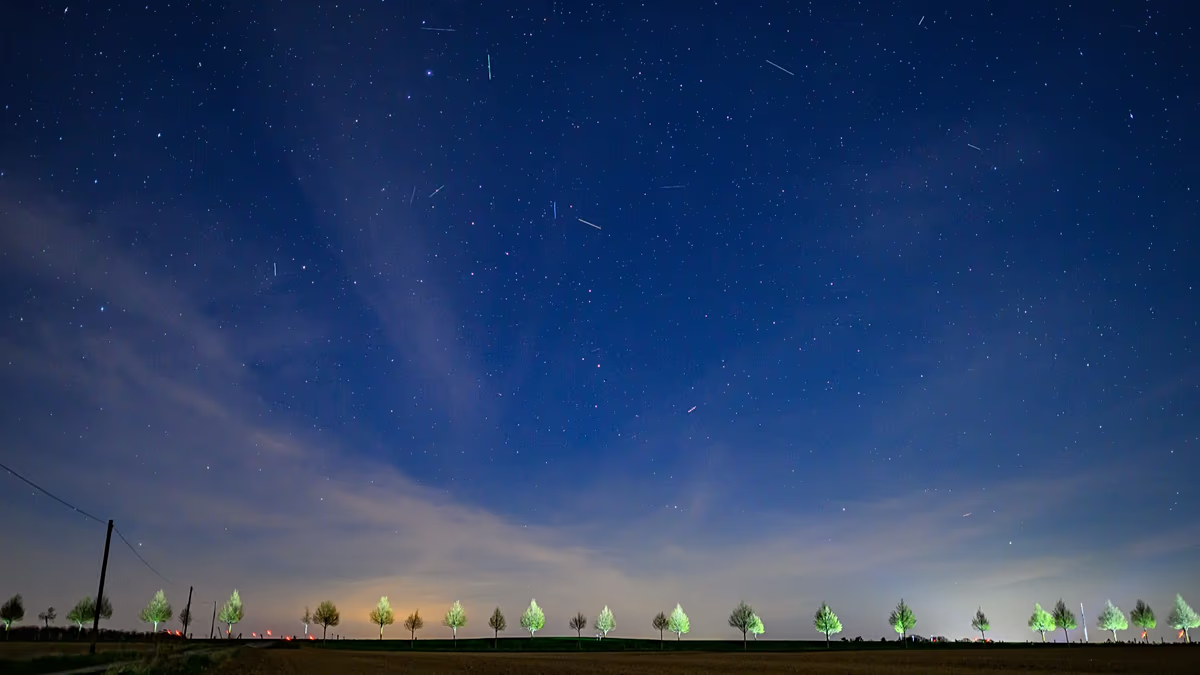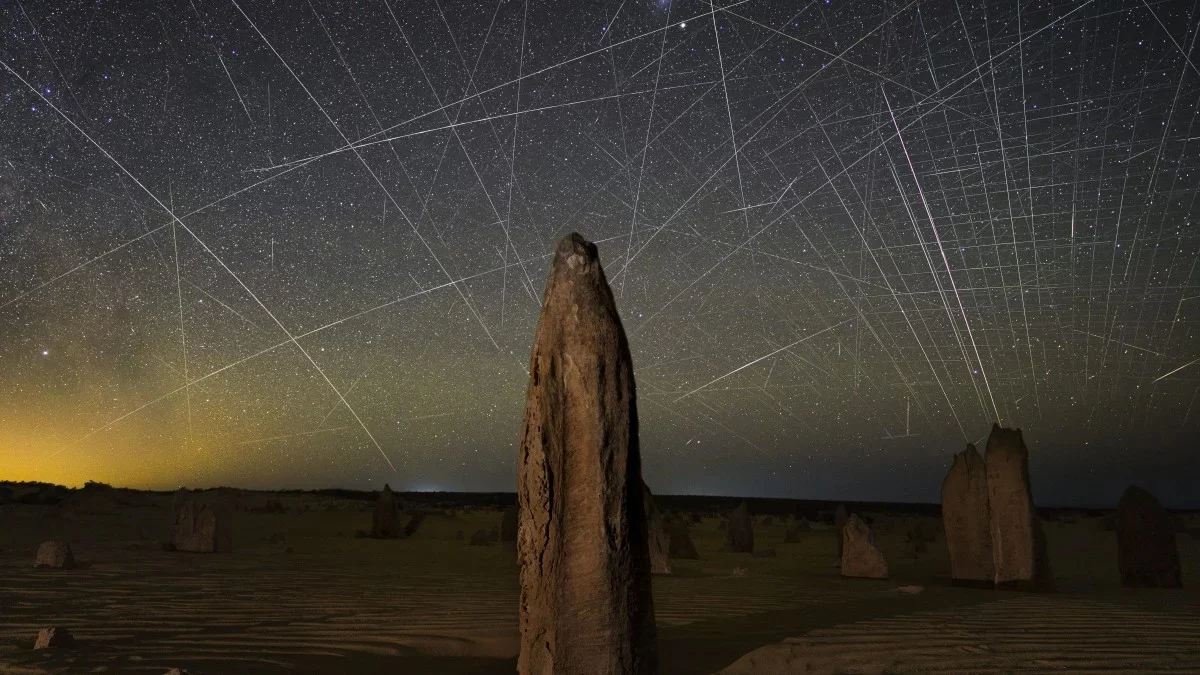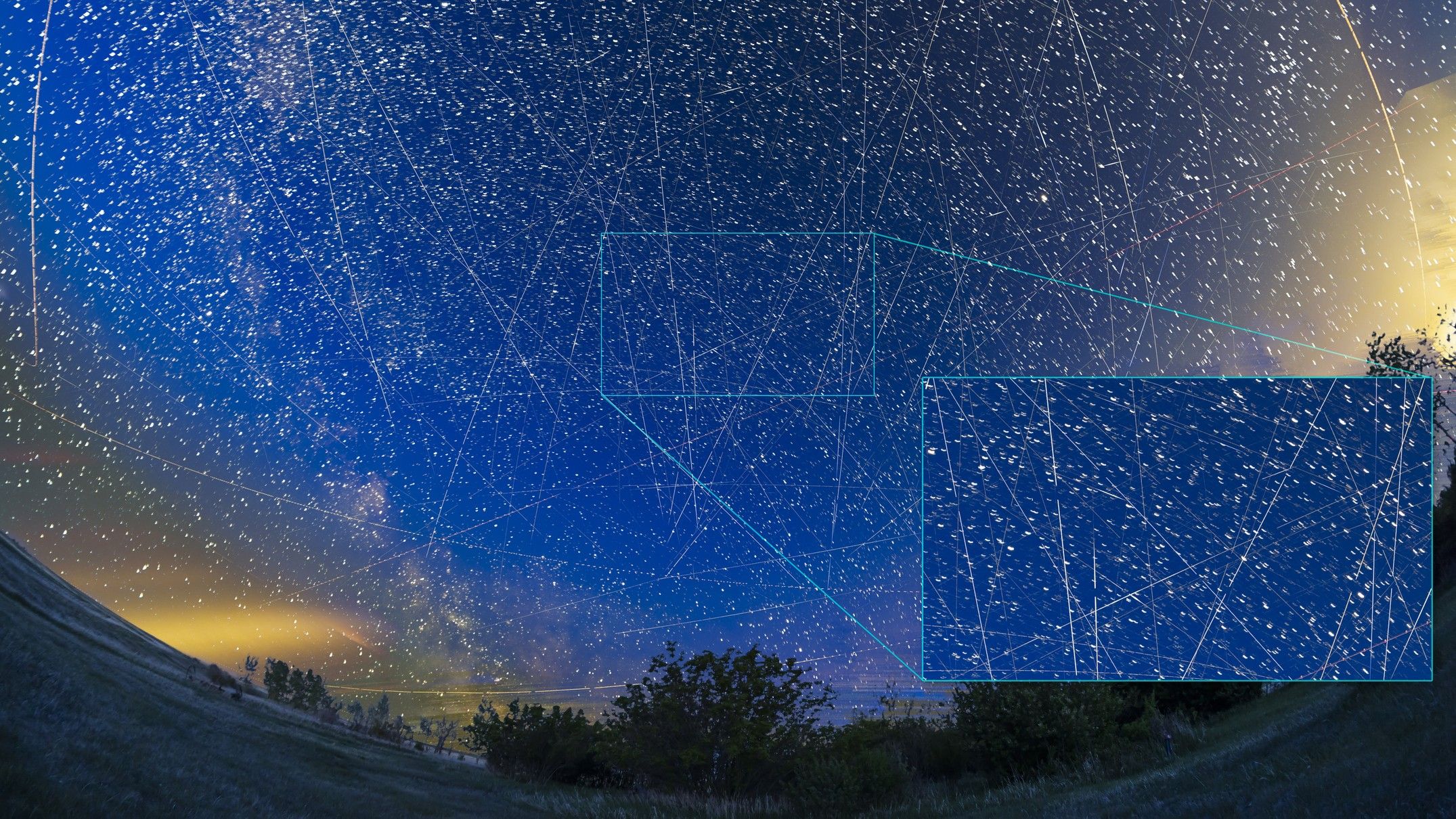
Starlink and other low Earth orbit satellite streaks are plaguing astronomers and astrophotographers.
(Image credit: Alan Dyer/Stocktrek Images via Getty Images)
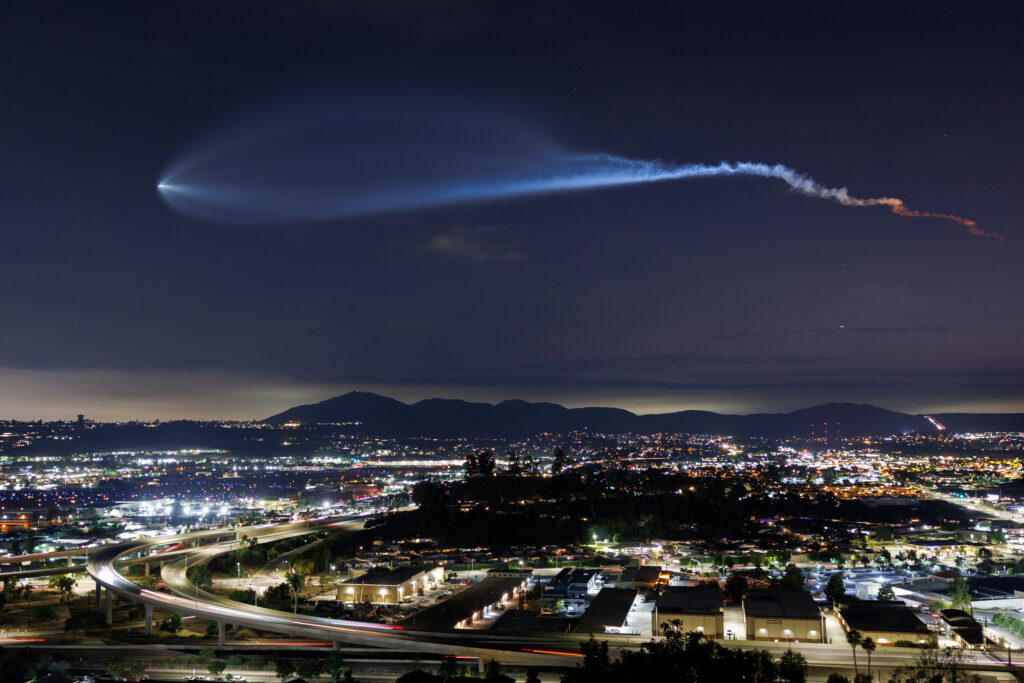
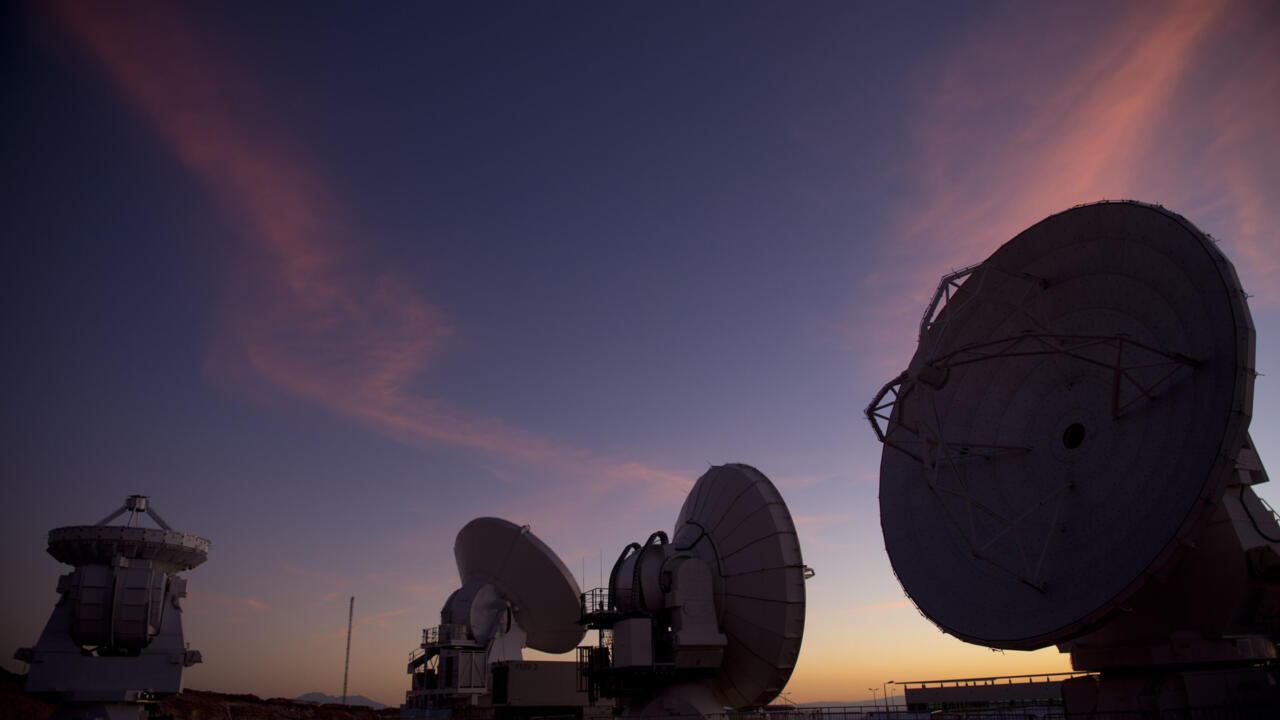
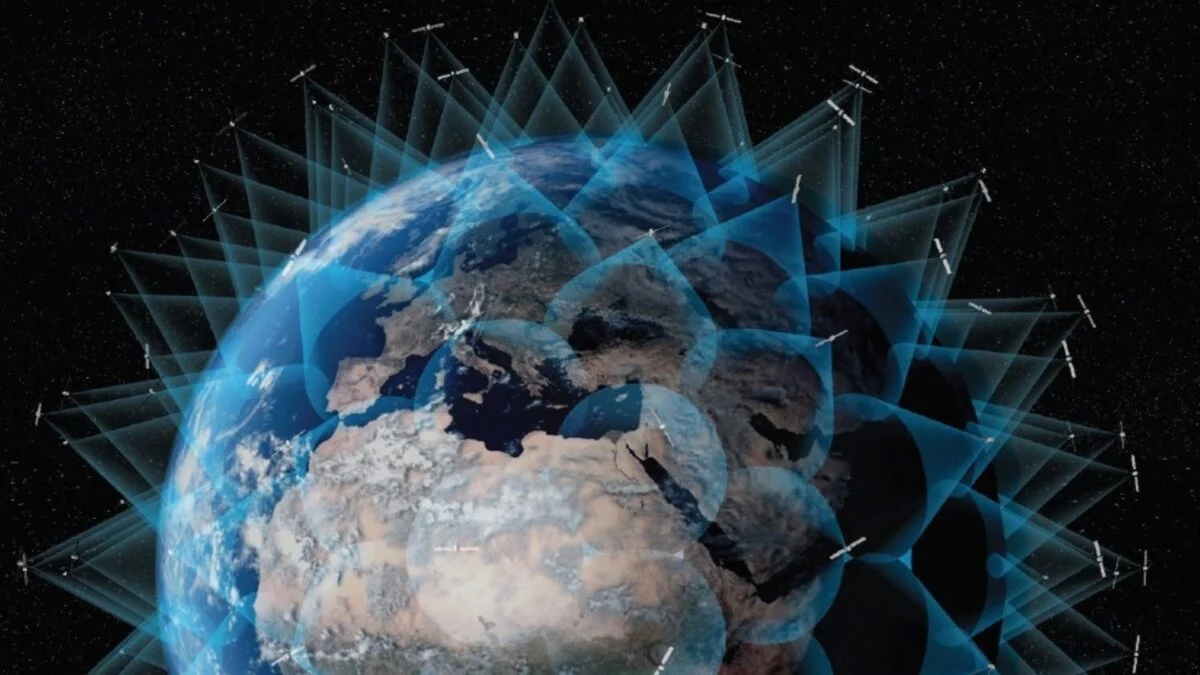
Did you ever see an Iridium flare? For two decades until 2019, these communication satellites would become dazzlingly bright for a second or so in the night sky. I used to see them by accident before discovering that some websites and apps could forecast precisely when and where they would occur. I got so obsessed with Iridium flares that I would build my stargazing sessions around them. Eventually, I started trying to take night sky images just as they flared. Why? In a long exposure, the flare produced a diamond-shaped light. It was beautiful. I carried on doing the same for the International Space Station (ISS), capturing it racing across the night sky, again to a tight pre-determined schedule.Then SpaceX came along. After launching the non-flaring replacements for Iridium in May 2019, SpaceX began launching its Starlink satellites into low Earth orbit. There were complaints about their brightness from astrophotographers, who saw their streaks in long exposure photos, but for stargazers, they were initially a delight. Each time SpaceX launched a batch of satellites into orbit on a Falcon 9 rocket, a string of moving lights could be seen in the night sky. It got called a "train" by some because it resembled a freight train racing through the sky. To me, it looked like an alien invasion. During COVID-19, glimpsing Starlink trains was something new to do (I spent hours on Heavens Above). Now it's something to actively avoid.About 11,000 Starlinks later, that seems naive. Sure, there are now 12 million people worldwide who use Starlink internet access. I hope most of them are in previously off-grid communities in Africa, which was said to be one of Starlink's major selling points.Look up soon after sunset, and Starlinks and other satellites are everywhere. As primarily a naked-eye stargazer and binocular astronomer, it doesn't particularly bother me, but for astrophotographers and both visual and radio astronomers, the mega-constellation era is a tragedy. Being photobombed by satellite streaks in images is a big problem, but so is radio interference in low Earth orbit. Astrophotographers can stack images and use software to remove trails (as if post-processing wasn't already time-consuming enough), but for astronomers, mega-constellations can hugely affect spectroscopic data and wide-field surveys, such as the Rubin Observatory.