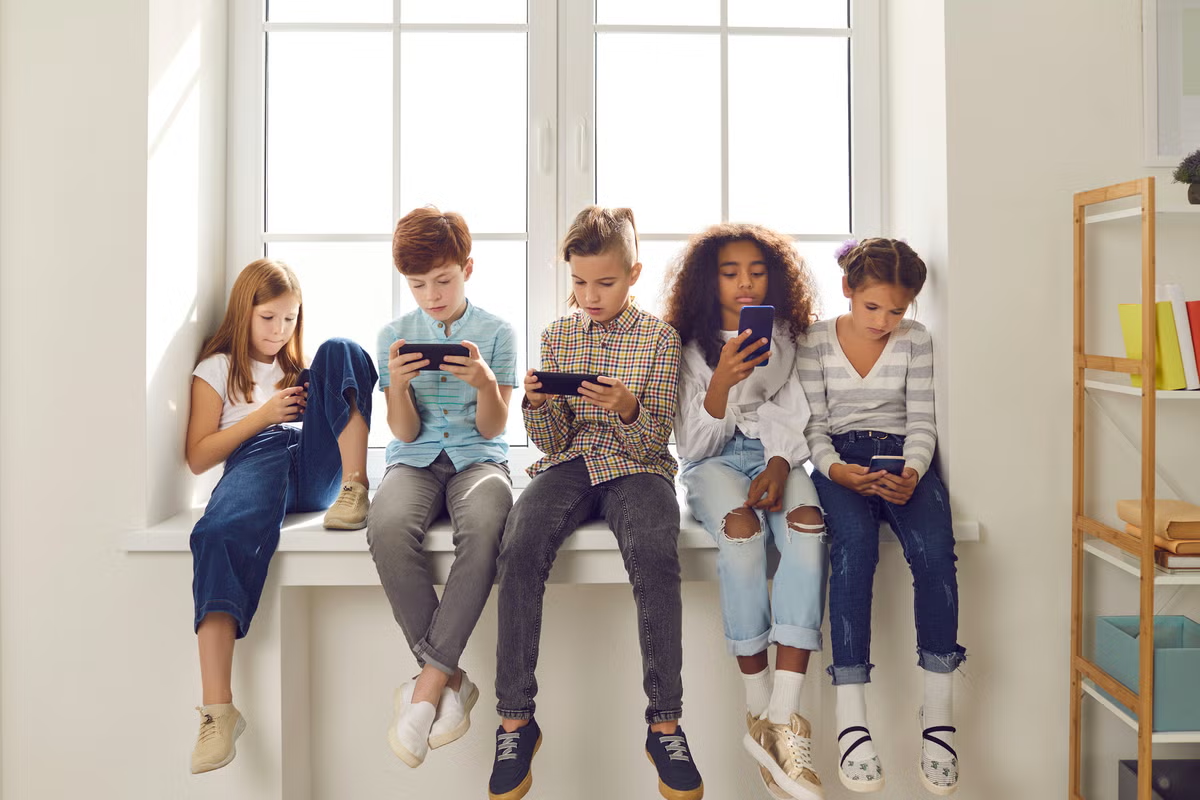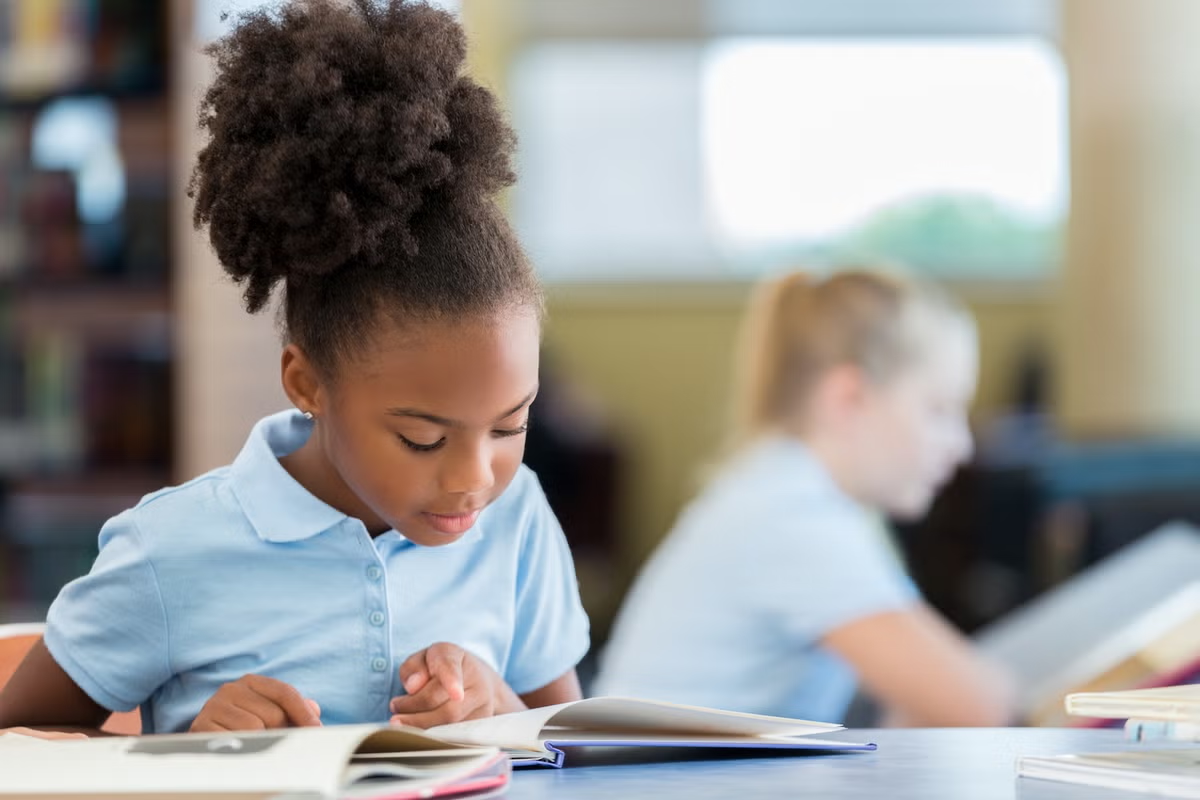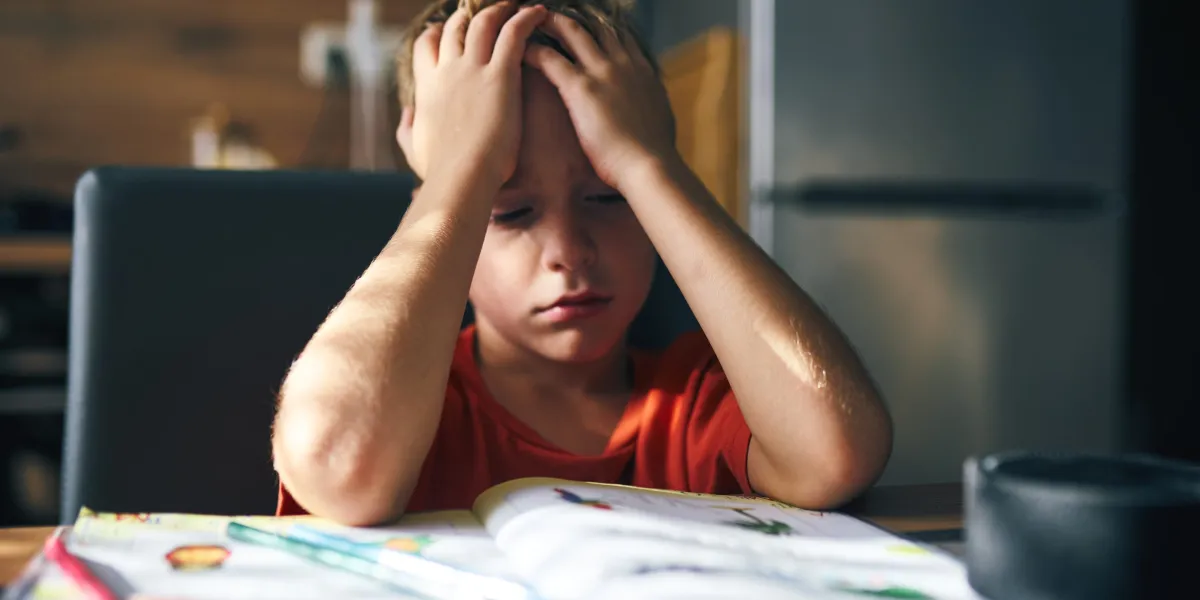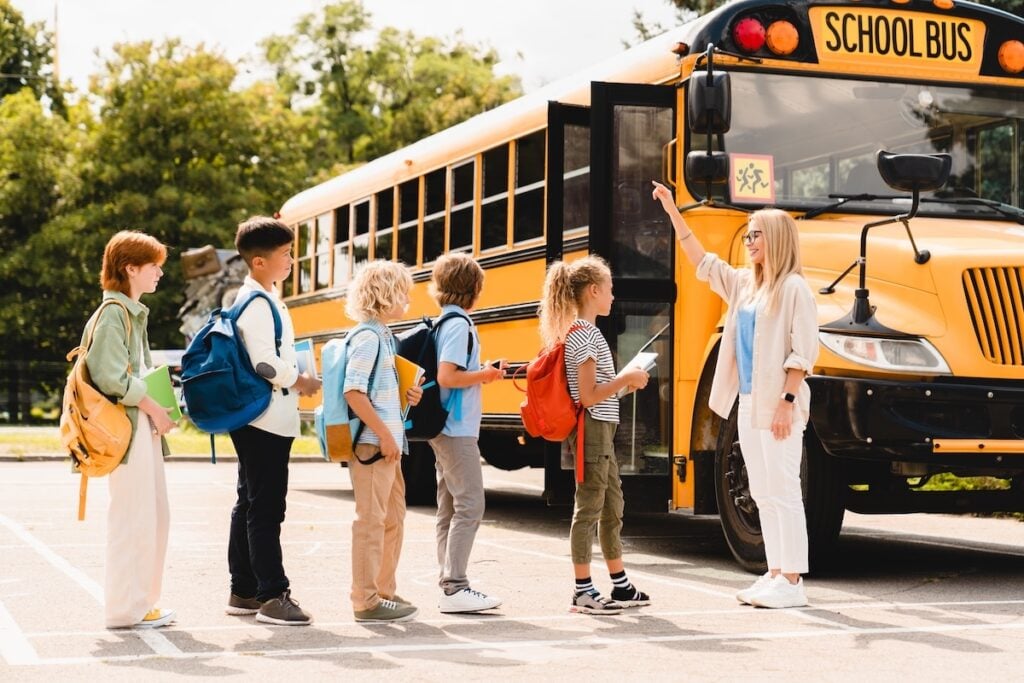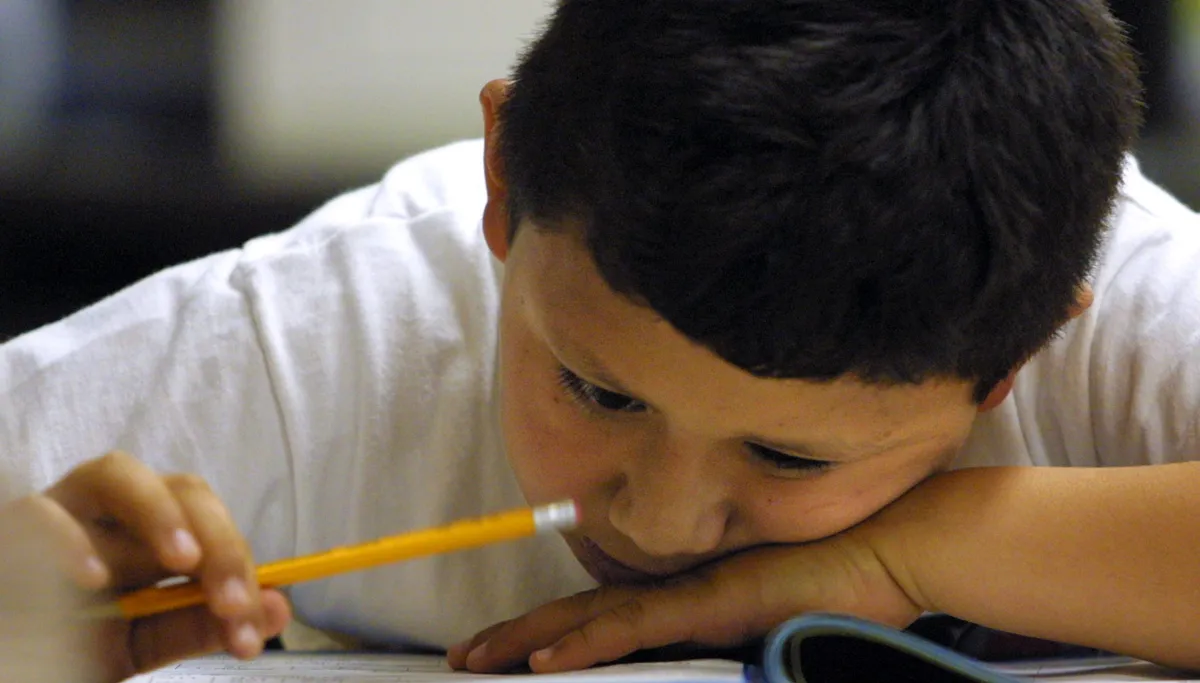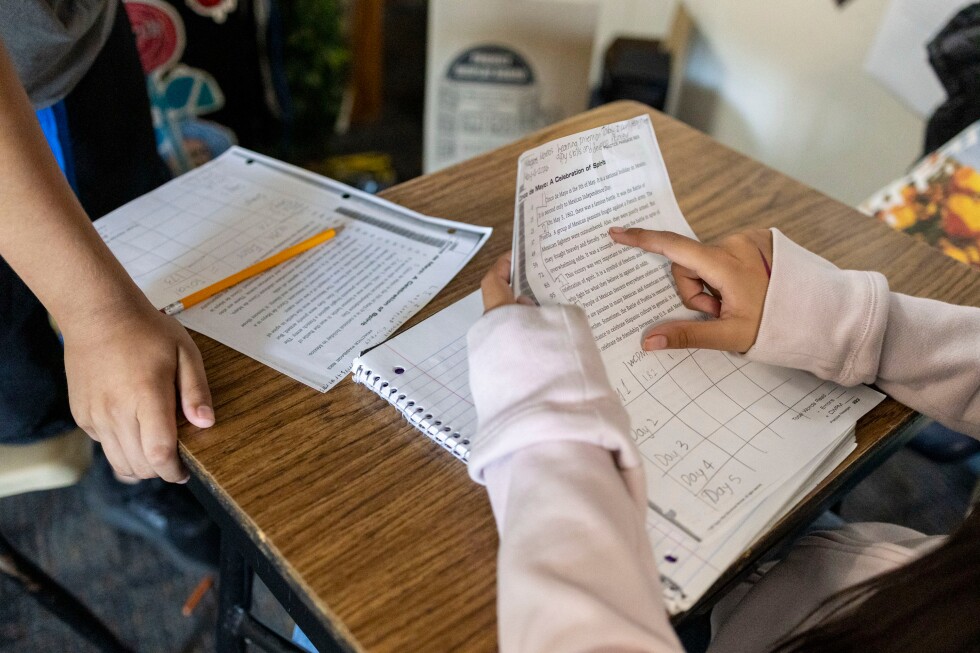
The latest Education Recovery Scorecard from researchers at Harvard and Stanford should have been a societal gut check. Researchers found that America’s children remain significantly behind where they were before the pandemic, particularly in reading, and despite billions of dollars spent trying to reverse the losses, the recovery has largely stalled. The cultural expectation that children will regularly read complete books (with words, not graphic novels) has evaporated. Today’s children read in fragments: excerpts assigned at school, passages selected for testing, text messages, social media posts, and video captions.A book requires patience, sustained attention, and a willingness to follow an argument or narrative for hundreds of pages before arriving at a conclusion. Those are not merely academic skills. They are habits of mind that shape how your brain works.
(Thomas Fluharty for the Washington Examiner)
There is another loss that is perhaps more significant. Books once provided a shared cultural inheritance that connected people across geography, class, and generations. Streaming has fractured U.S. media; there is no longer a modern equivalent to Johnny Carson, who attracted tens of millions of viewers from every corner of American life. Books underwent a similar transformation. Once, there was a common body of stories that educated people could be expected to know. Whether they lived in Boston or Birmingham, children encountered the Greek myths, Shakespeare, Homer, fairy tales, Biblical narratives, and classic adventure stories. That common inheritance provided a shared language through which people understood courage, ambition, sacrifice, tragedy, redemption, and heroism.