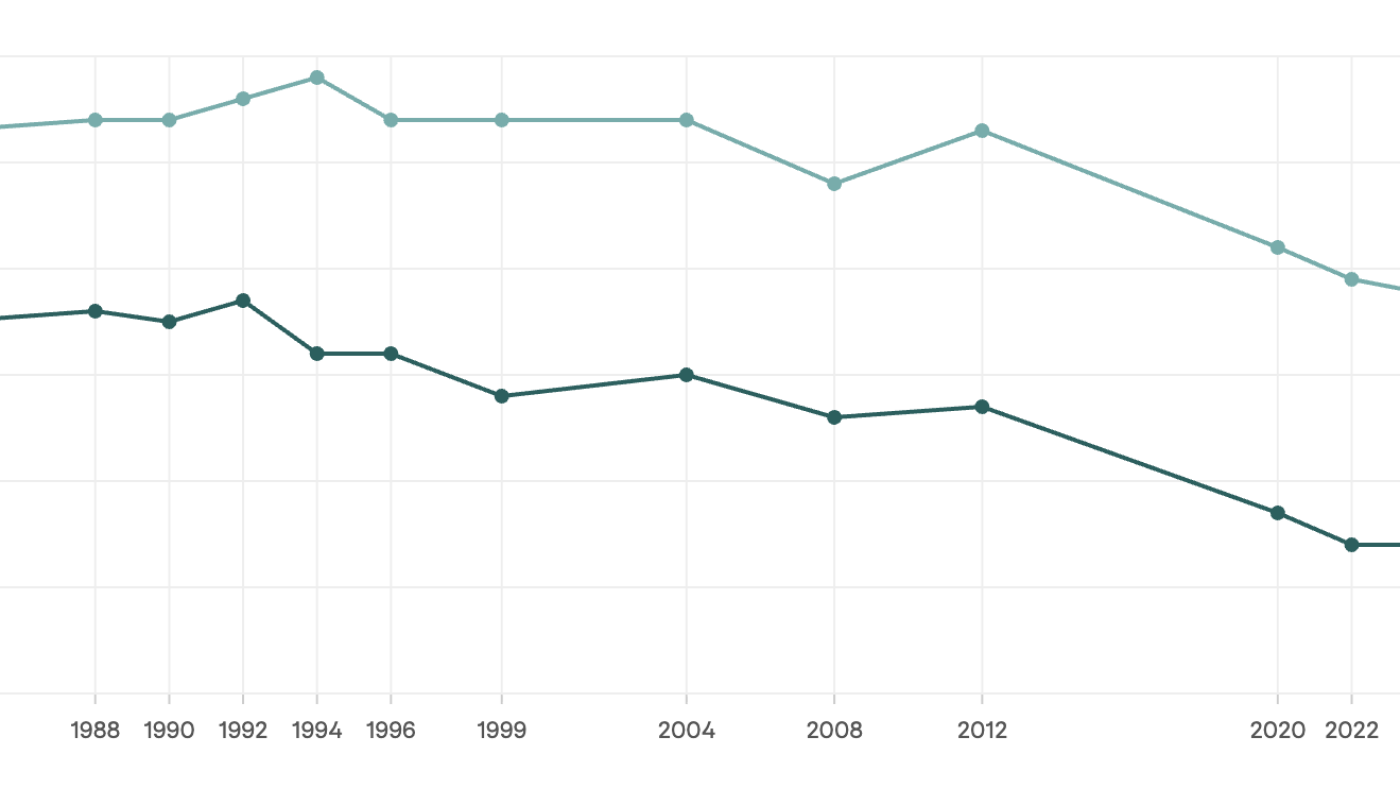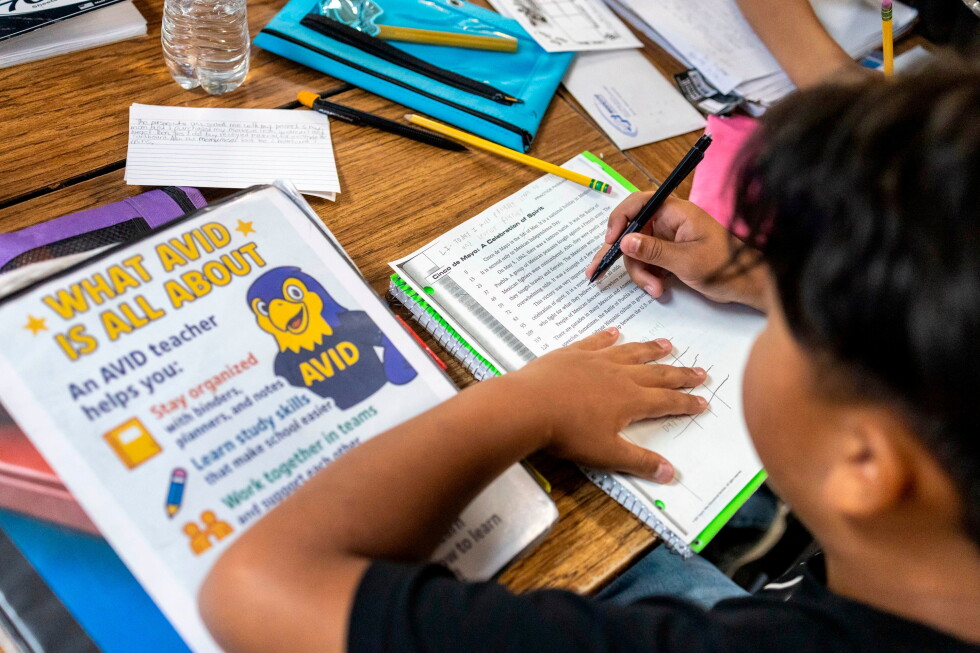
WASHINGTON (AP) — Younger students have regained ground academically after the pandemic’s disruptions, while older students’ test scores continue to stagnate, according to the latest testing data released by the federal government. Nine-year-olds rebounded to pre-pandemic reading scores and saw some recovery in math, according to data from a test taken regularly in the U.S. since the 1970s. The same recovery has not emerged for 13-year-olds, whose average scores in math and reading remain below pre-pandemic averages. In fact, the latest reading scores, from teens who took the test in 2024, are essentially the same level as they were when the test started in 1971. Since the pandemic, schools and state policymakers have focused on overhauling instruction for elementary students, especially in implementing the “science of reading,” which teaches kids to read by understanding how letters form sounds. But recent test scores show educators should also focus more intensely on adolescent learners and turning around academic outcomes in middle school, said Lesley Muldoon, executive director of the National Assessment Governing Board.
Indeed, the 13-year-olds who took the national test experienced the pandemic’s disruption during formative elementary years of schooling. In a few years, they will have graduated — and they may still be behind.“The 13-year-olds who took this assessment last year are headed to high school now or are already enrolled,” she said. “Schools won’t have them much longer. We can’t hesitate or wait if we’re going to turn these trends around.”