As educational leaders in America grapple with stagnating maths scores, the implications reach far beyond academics; they threaten the economic stability of future generations.
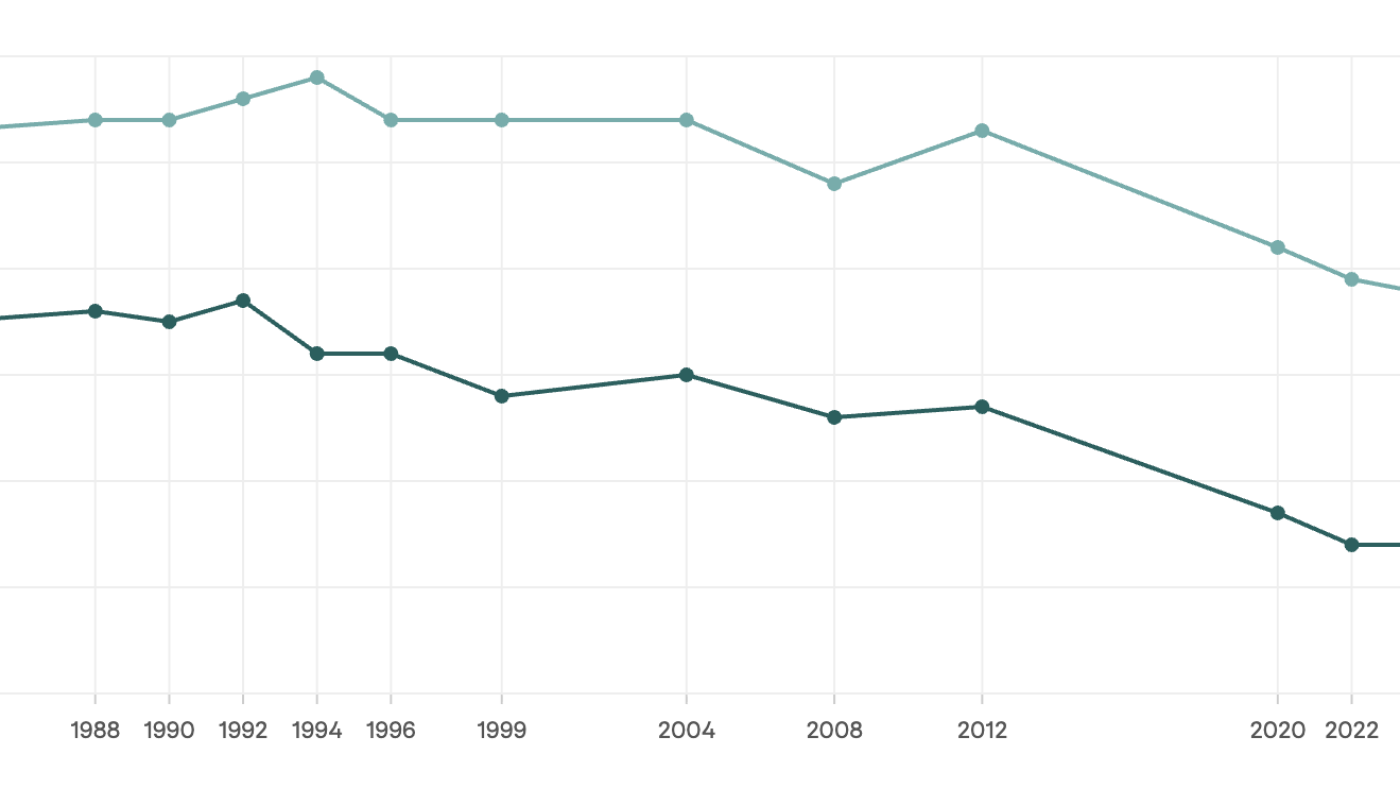
Average maths scores for 9- and 13-year-olds in the U.S. remain lower than they were 10 years ago, according to 2025 federal testing data released Wednesday - a warning sign not only for schools, but also for the economy, according to some researchers.
While academic performance slumped during the pandemic, maths scores have been stagnant since 2012, complicating narratives about why so many children are performing below grade level in core subjects.
“We can clearly see that this isn’t just a pandemic story,” said Matthew Soldner, acting director of the Institute of Education Sciences and acting commissioner of the National Center for Education Statistics, which administered the tests.
The findings come from the National Assessment of Educational Progress’s long-term trend test, which has measured 9- and 13-year-olds’ maths and reading performance since the 1970s. Children are graded on a scale from 0 to 500, though most score somewhere between 150 and 300.