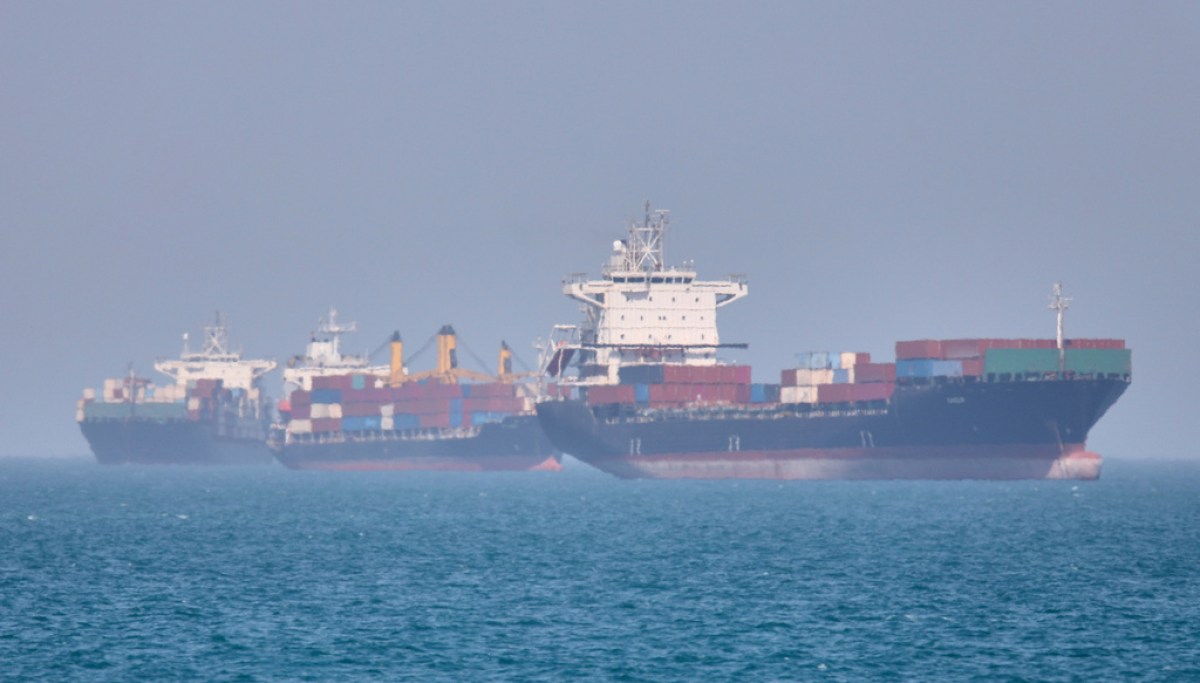
As the United States and Iran exchange strikes amid peace negotiations, recent economic disruptions caused by the conflict highlight how vulnerable key commodity markets are to geopolitical tensions. Aside from oil, domestic supply of commodities essential for our national security, such as steel and aluminum, has been put at risk, making self-reliance more necessary than ever. During my time in Congress as a member of the House Permanent Select Committee on Intelligence, it became clear to me that the U.S. must create and sustain the industrial base necessary to support our national security. Domestic aluminum production is particularly urgent. It is a vital material for our fighter jets — like those I flew in more than 30 combat missions during the Iraq War — armored vehicles, naval systems, and the U.S. aircraft carriers I landed on over 300 times. During my time in uniform, reliability was never optional. If a critical component used by the Department of War depended on a fragile or contested route, it was flagged as a risk. That same logic applies here. Today, the U.S. may once again fall into the trap of becoming heavily dependent on imported aluminum, with much of the metal originating in the Middle East, India, and other countries. Even our Canadian import sources are increasingly vulnerable as Canada exports more of its metal to other countries and produces little to no high-purity military-grade aluminum. The U.S. and our warfighters are almost entirely dependent on Middle East producers for this metal.
US national security under attack by foreign control of essential commodities
Under Donald Trump’s leadership, the United States has finally begun treating industrial capacity as a matter of national security.
834 words~4 min read