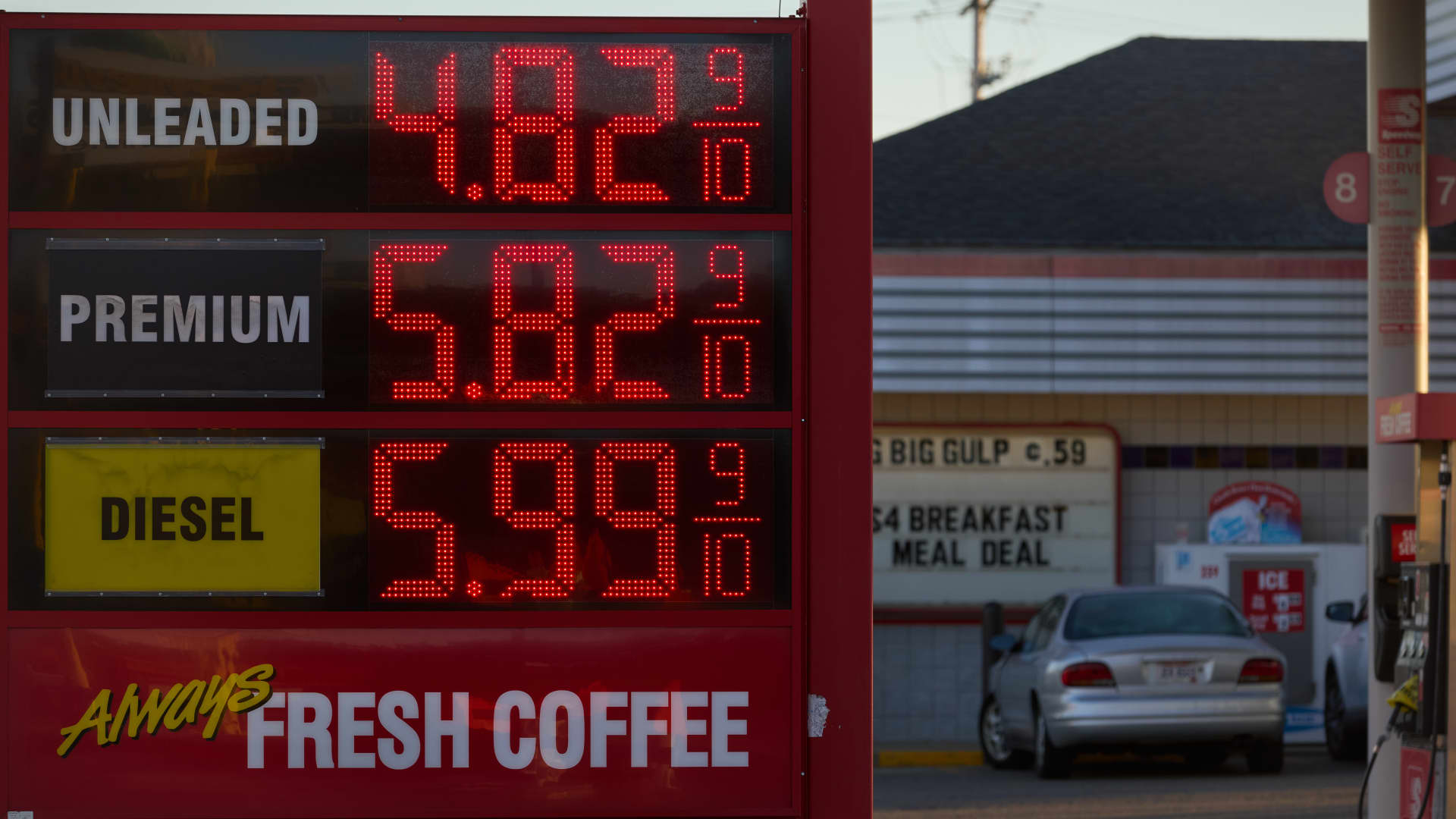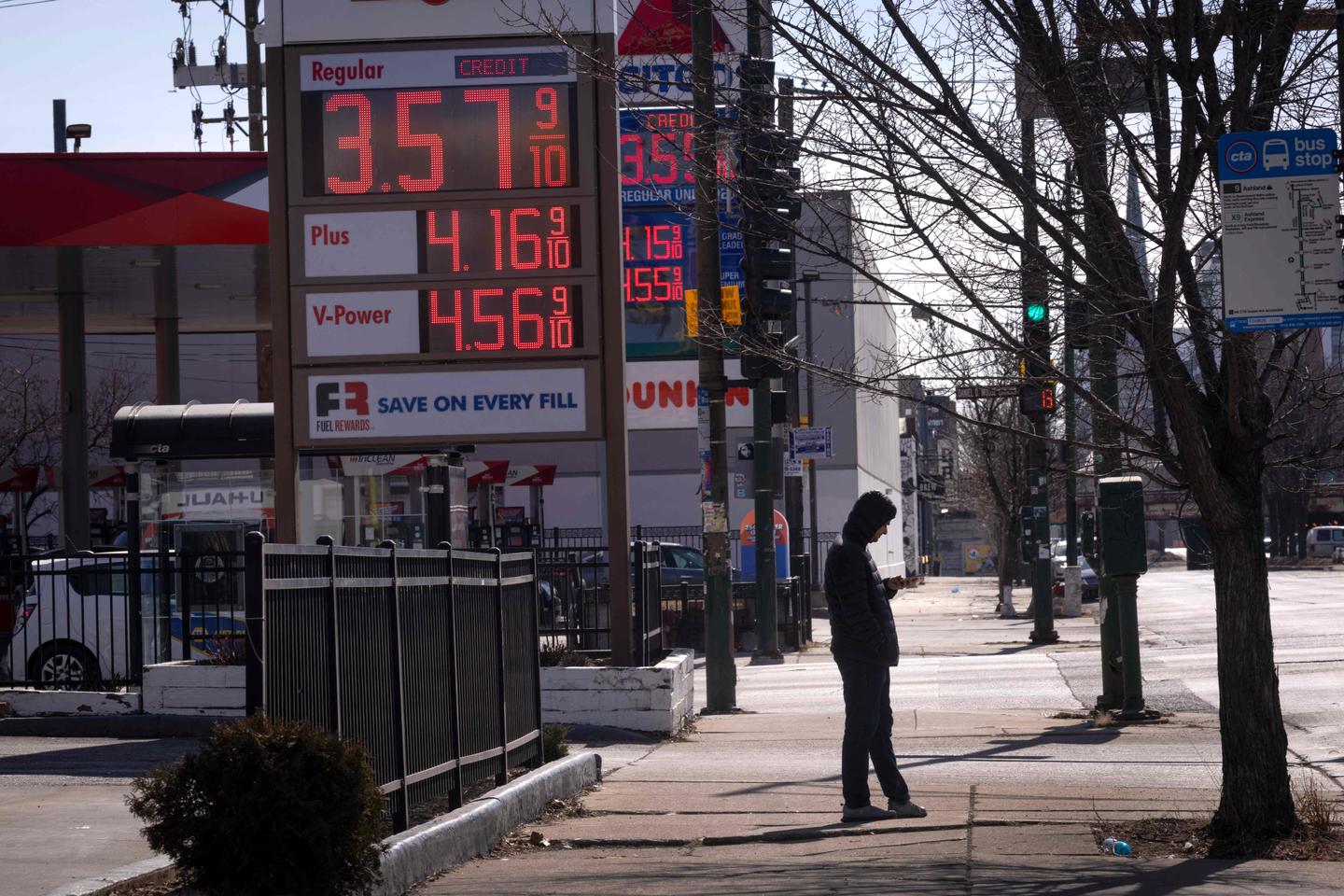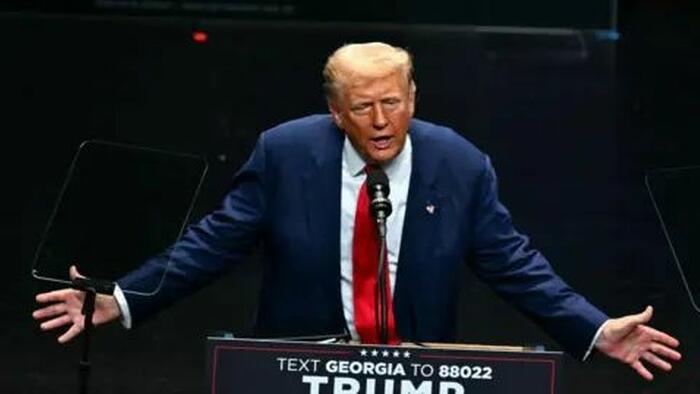
As we continue to 'enjoy' expensive gas across the country thanks to a broken campaign promise not to start new wars, President Donald Trump enters the 2026 midterm campaign with an unfamiliar vulnerability: voters are feeling the pain.High gasoline prices, fueled by the prolonged U.S. military confrontation with Iran and disruptions in the Strait of Hormuz, have turned inflation into a daily political problem for the White House. Trump's approval ratings have fallen near the lowest point of either of his presidential terms, with especially sharp declines in approval over the economy - long one of his strongest political defenses. Public frustration over affordability, a concern that helped return him to the White House, has not eased.Source: RealClearPoliticsThe White House, meanwhile, is touting tax refunds delivered under last year's legislation, and the administration's promise of abundant domestic energy. But those messages have been overshadowed by the reality on Main St. "I think the president was being truthful when he said he really didn't care about the midterms," said Mick Mulvaney, former acting White House chief of staff. "But House and Senate Republicans do care. And if gas is still north of $4 by Labor Day, everybody in town knows that means trouble for the incumbent party. Big trouble."Even if the Iran war ended tomorrow, some economists think that the damage already done to oil infrastructure - and the risks of renewed fighting, will keep upward pressure on prices. "We think that the drag on the economy due to the war will weigh heavily on household consumption among middle-class, working-class and the working poor ahead of the November congressional election," said Joseph Brusuelas, chief economist at RSM US.Source: Bloomberg economist surveys. Note: Inflation = PCE price index.Consumer sentiment has weakened across party lines, including among Republicans and independents. Inflation reached 3.8% in April, while grocery prices posted their largest increase in nearly four years. Inflation-adjusted hourly earnings declined for the first time in three years, and the personal savings rate fell to a multi-year low.As we noted on Monday, Median inflation uncertainty, or the uncertainty expressed regarding future inflation outcomes, increased at the one-year and three-year-ahead horizons and decreased at the five-year-ahead horizon. What's Going WellUnemployment is still low by historical standards, with employers adding 172,000 jobs in May, capping the strongest three-month hiring stretch in more than two years. Separately, the household survey showed native-born employment rising by 294,000 in May, while foreign-born employment fell by 176,000. (compare April to May, table A-7). Consumer spending has also held up, helped in part by larger tax refunds for many households.Artificial intelligence investment - albeit a massive circle-jerk, continues to drive manufacturing expansion, producing the longest stretch of factory growth since 2022 and helping push stock markets to record highs. Trump frequently points to those gains as evidence that his economic program is working.Broadcom is backstopping a massive $36 billion private credit SPV with Apollo and Blackstone which will help Anthropic buy Google chips made by Broadcom, even as Google is renting compute from SpaceX while Morgan Stanley, which is arranging the deal, lends money to investors https://t.co/nI7QCVNFTi
Trump's Economic Shield Cracks As Gas Prices And Iran Standoff Threaten Midterm Fortunes
What could possibly have caused this?
767 words~3 min read