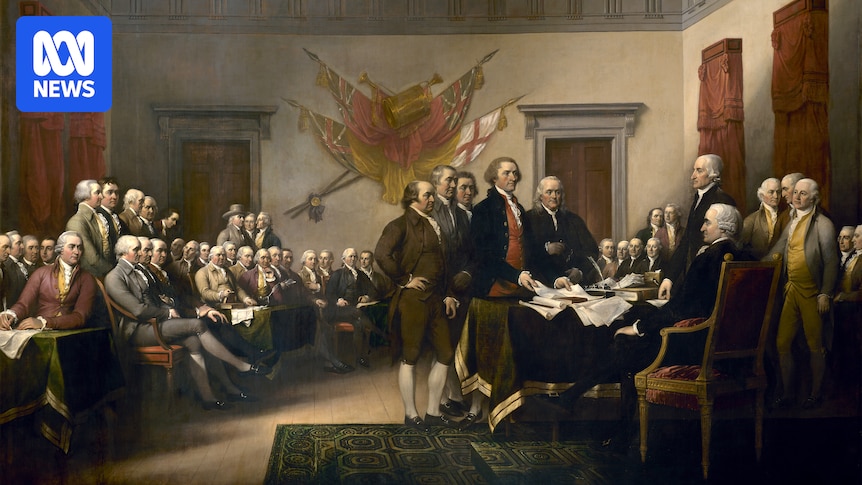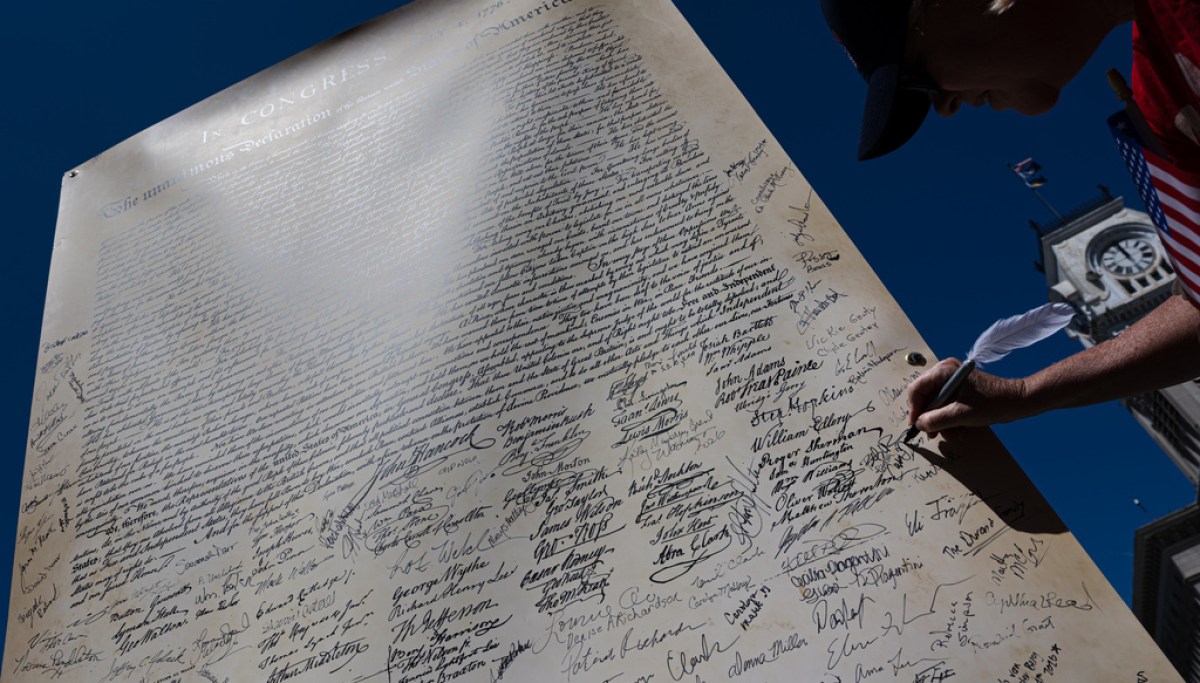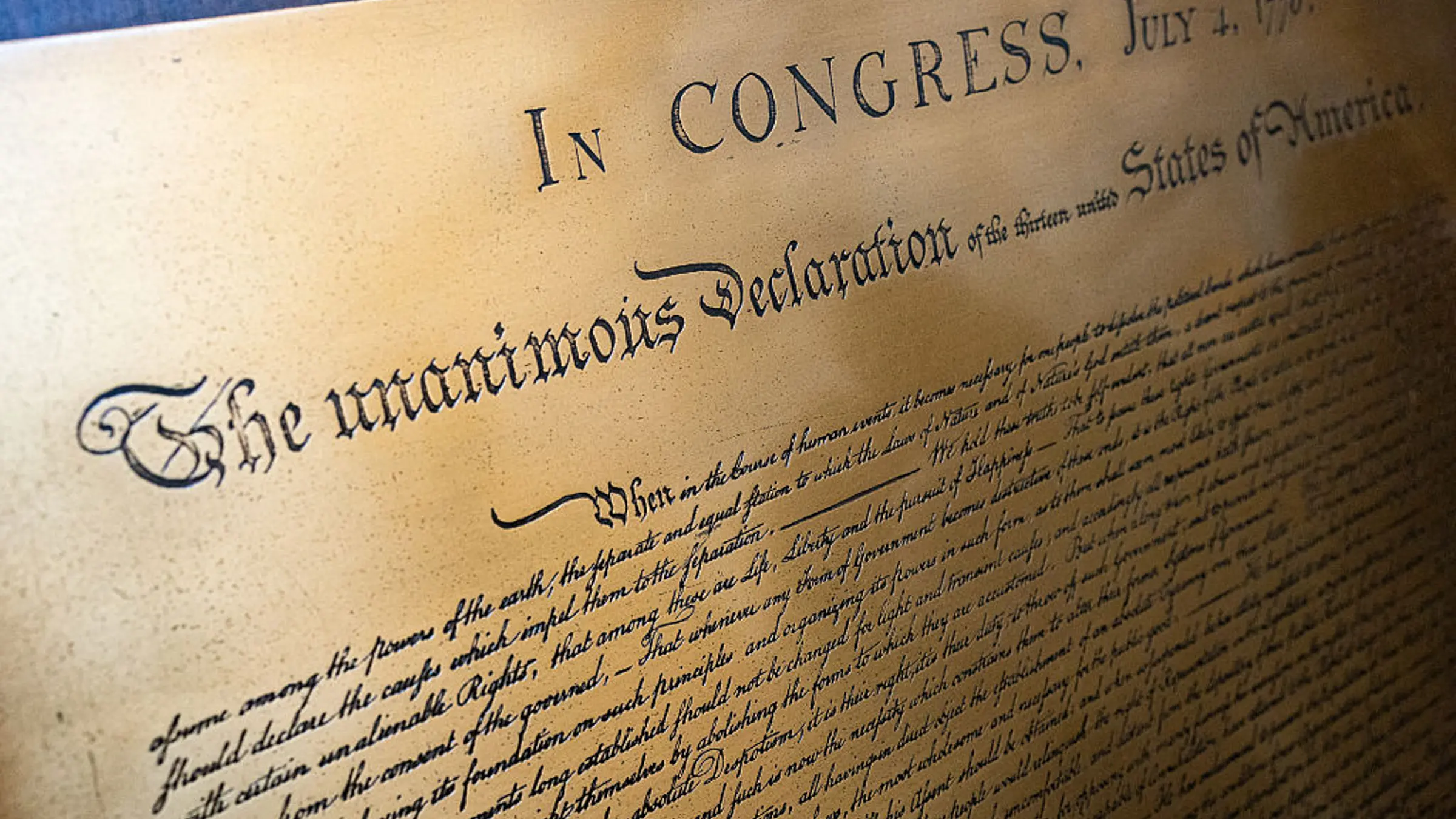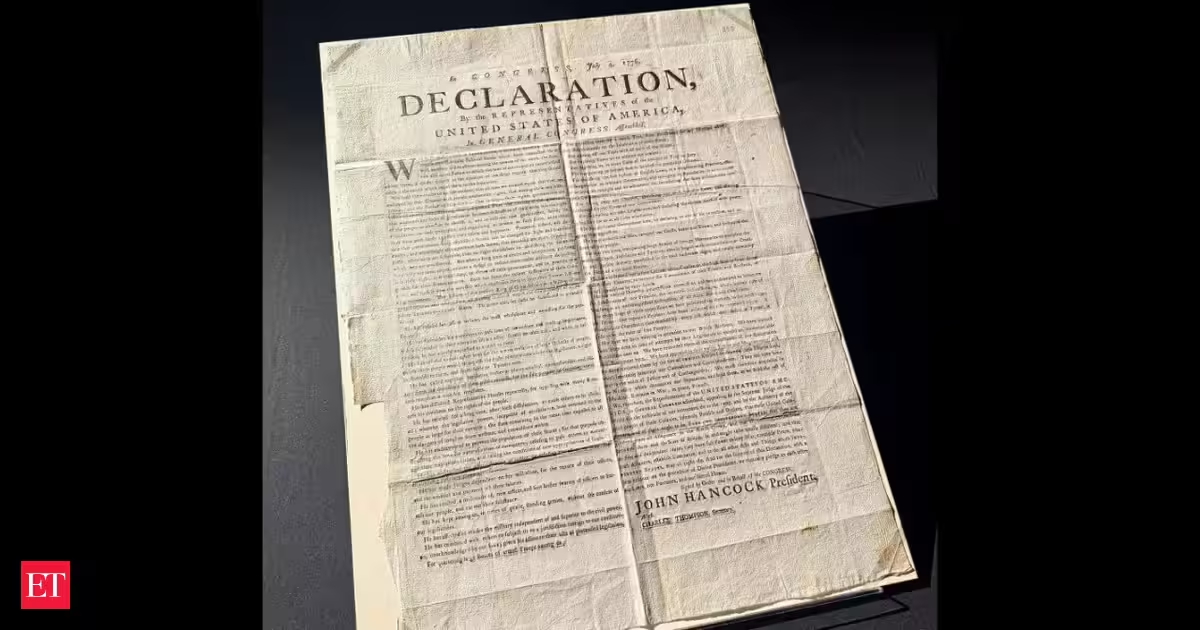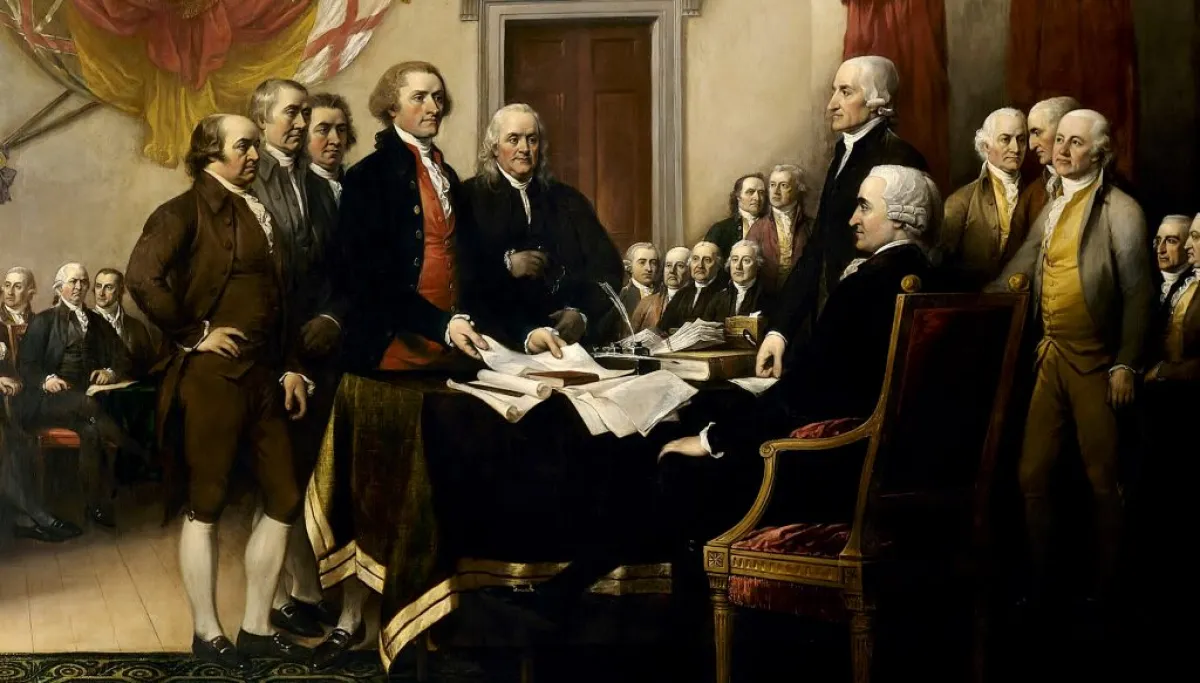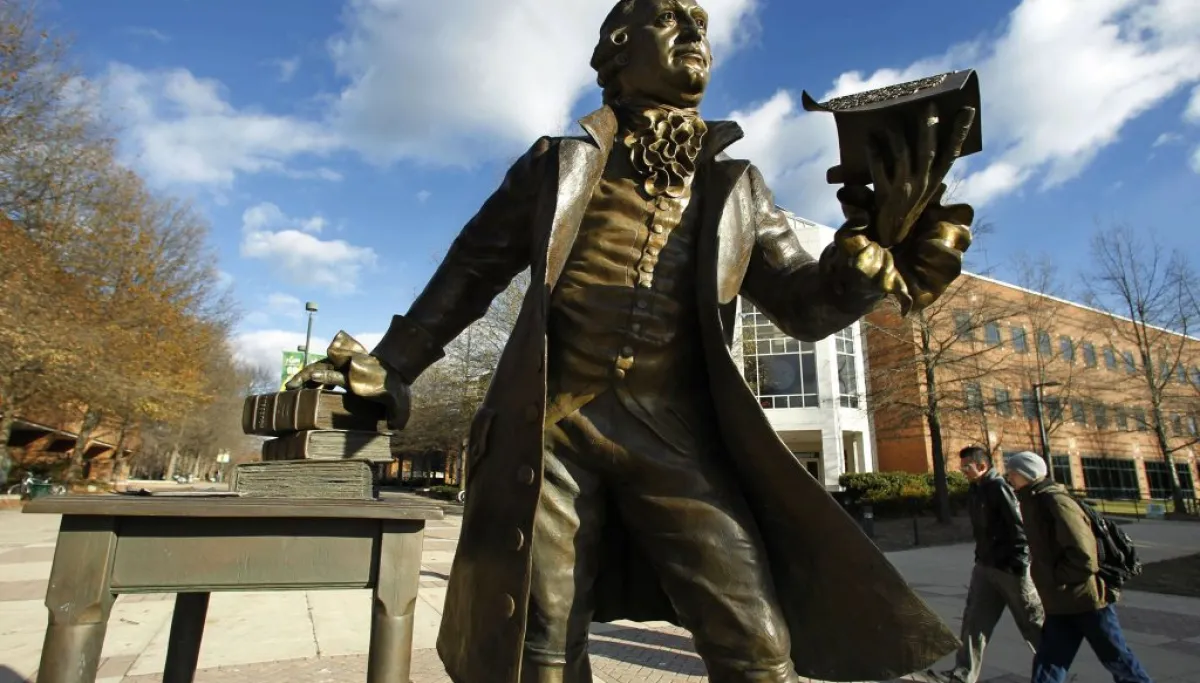
Today marks the 250th anniversary of the Virginia Declaration of Rights, written by George Mason and adopted by the Virginia Constitutional Convention on June 12, 1776. Mason is often labeled “The Forgotten Founder” in books and even at his memorial, tucked away off the path between the Lincoln Memorial and the Jefferson Memorial on the National Mall. But his contributions, including the Declaration of Rights, have had an outsize influence on the trajectory of freedom that should be unforgotten, a term I adopted when creating a program to honor Mason’s 300th birthday last December.The Virginia Declaration of Rights is important for its recognition and protection of rights in Virginia and as the nation’s first written “bill of rights,” no doubt. But it is also widely recognized by historians as having served as a template for both Thomas Jefferson’s Declaration of Independence, which came three weeks later, the 250th anniversary of which we are directing the most attention this year. It also served as a model for James Madison’s Bill of Rights and portions of the articles in the U.S. Constitution.Indeed, just reading Section 1 of Mason’s declaration rings familiar to those who’ve studied those other documents: “That all men are by nature equally free and independent and have certain inherent rights, of which, when they enter into a state of society, they cannot, by any compact, deprive or divest their posterity; namely, the enjoyment of life and liberty, with the means of acquiring and possessing property, and pursuing and obtaining happiness and safety.”
A 250th anniversary for another, unforgotten declaration
As we celebrate America 250 and the Declaration of Independence this year, we should not forget George Mason and the Virginia Declaration of Rights.
796 words~4 min read