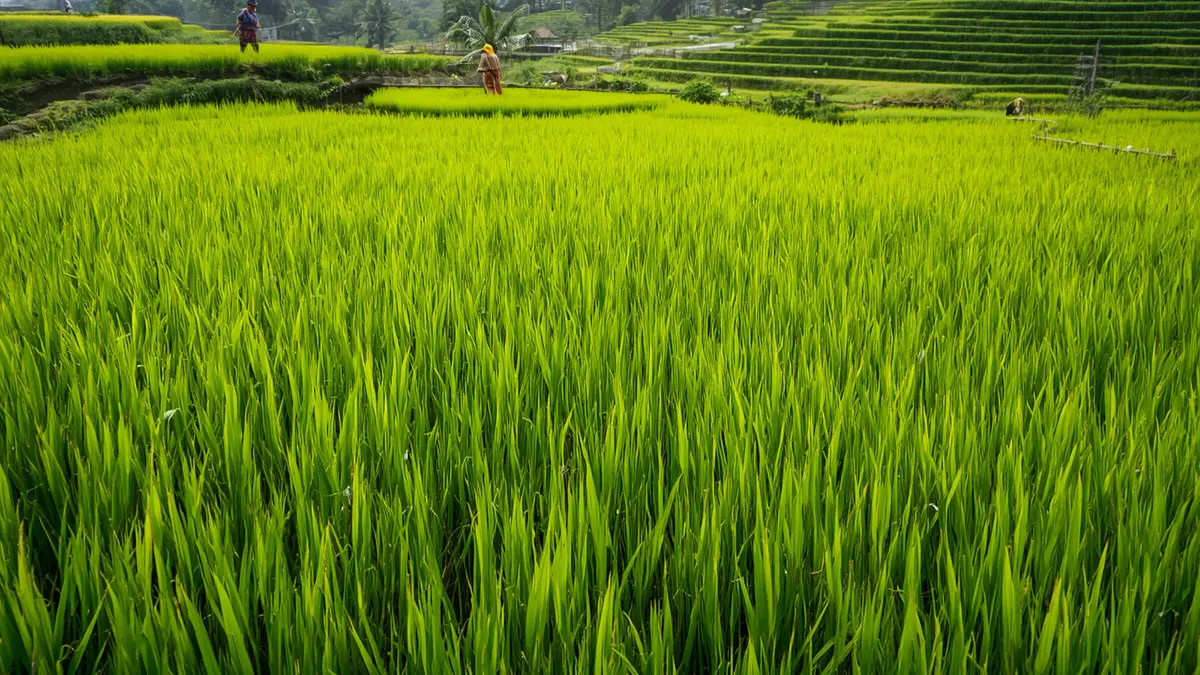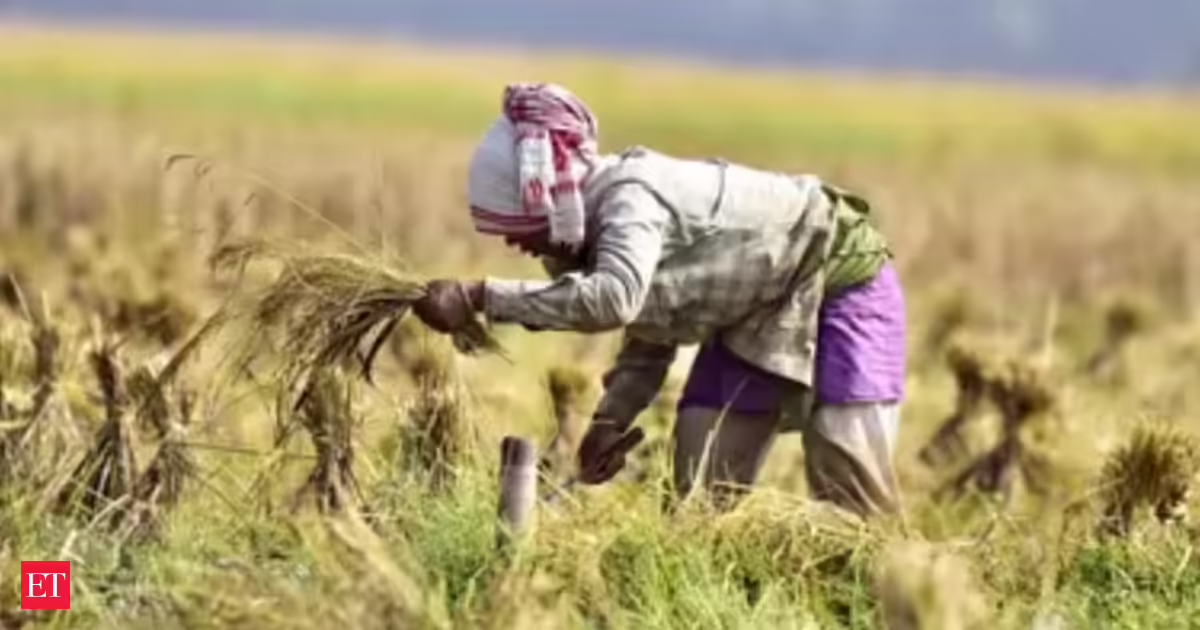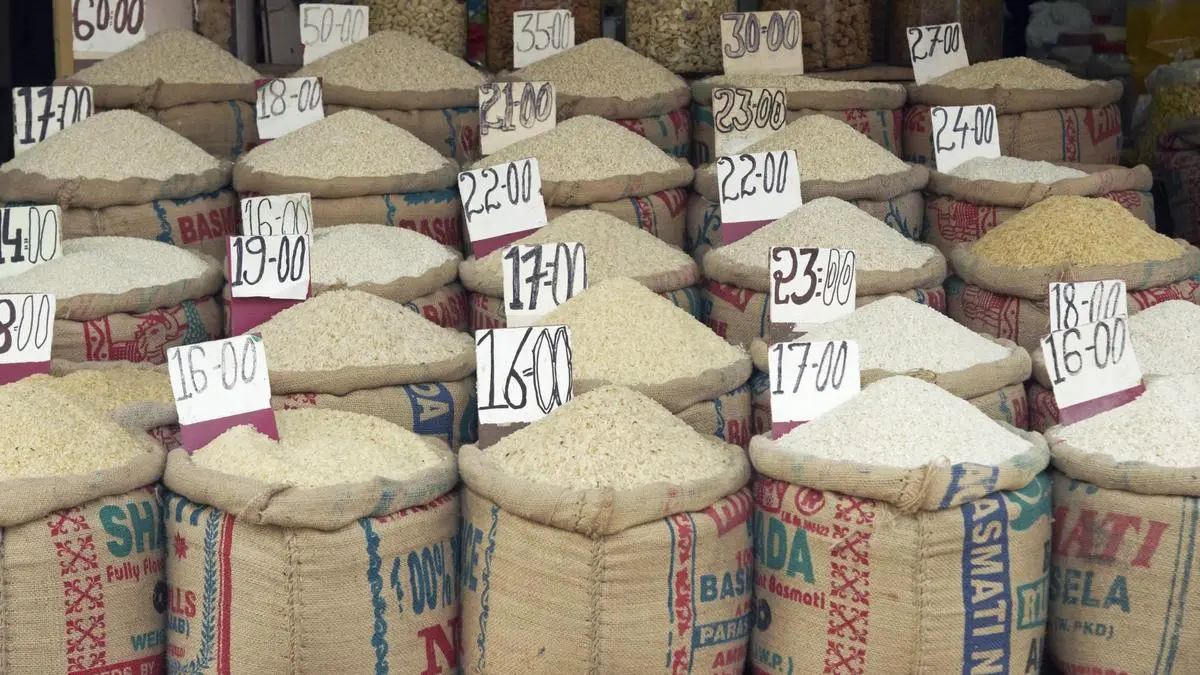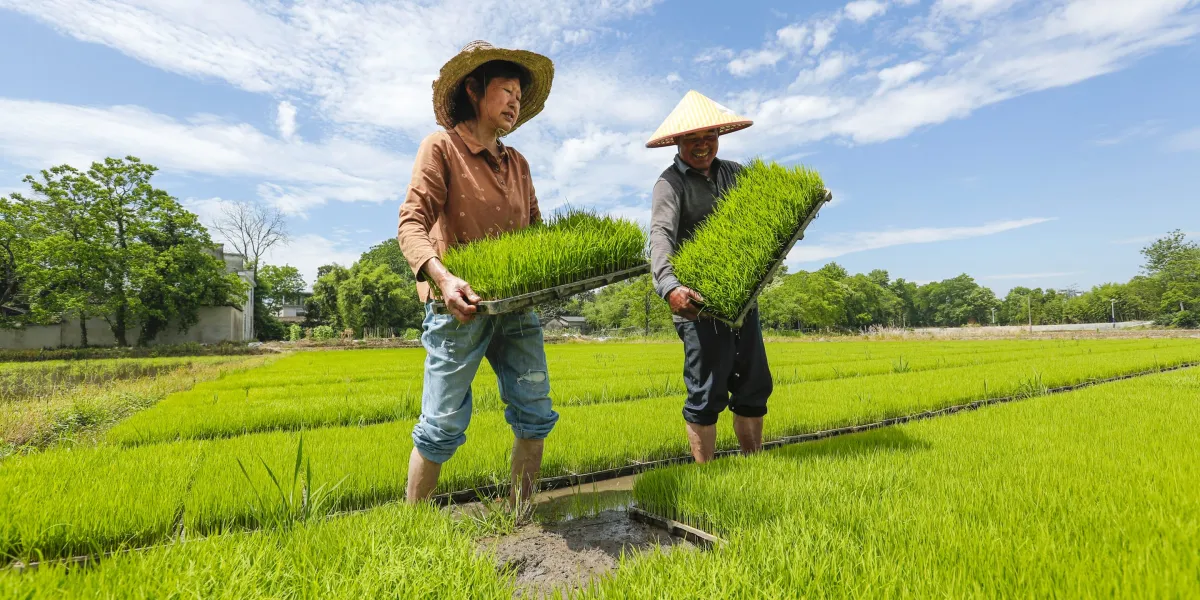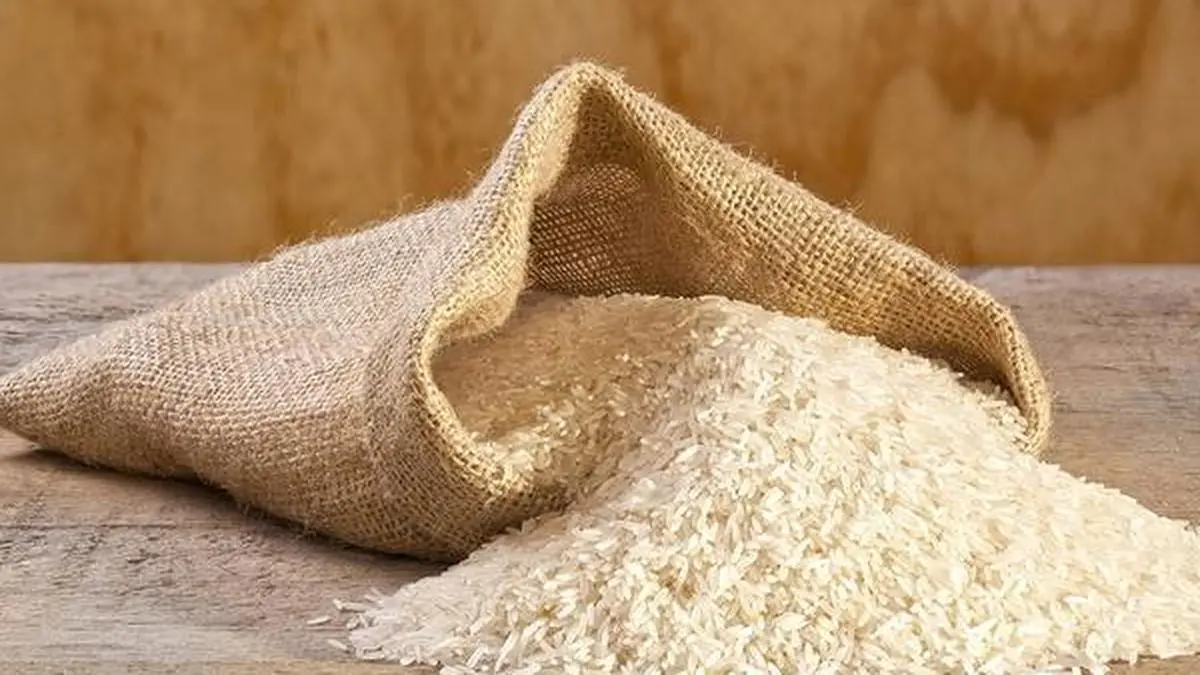
New Delhi: Global production of rice for the decade 2006-2015 was 713 million tonnes per year, with China, India, and Thailand being the top three producers, a new study has estimated.South and Southeast Asia are by far the largest rice-producing regions, findings published in the journal Scientific Reports show.Read more: India becomes world's largest rice producerResearchers from the US' University of Illinois Urbana-Champaign said that despite negative impacts of climate change, global rice production nearly doubled between the 1960s and the 2010s.Management decisions, including expanded irrigation and increased nutrient inputs, were central for sustaining rice production and offsetting climate-related losses, improving total rice production by 76 per cent, they said.The study's results suggest that as the planet warms, future food security will depend not only on environmental conditions, but also on how rice production systems are managed and adapted to changing conditions, the team said."Rice sits at the intersection of food security, economic development and environmental change. Today, most of the world's rice grows in Asia, with China, India and countries across South and Southeast Asia accounting for the largest share of global production," author Atul Jain, professor of climate, meteorology and atmospheric sciences, said.While previous studies have looked at how individual factors, such as climate change or carbon dioxide, have impacted rice yields, the current study takes a comprehensive approach, accounting for environmental change and key rice management practices together, the researchers said.The expansion of rice-planting areas was found to be the primary management contributing factor (52 per cent), with the expansion of irrigated planted areas contributing 39 per cent and rainfed 13 per cent.The team found other management practices that helped increase production included nitrogen fertiliser and manure (24 per cent).Results also show that environmental factors increased productivity by 24 per cent in the recent decade -- rising atmospheric carbon dioxide concentration increased productivity by 30 per cent and nitrogen deposition by one per cent.Read more: India's rice prices extend gains; Thai demand firmsHowever, climate change reduced production by seven per cent."The decisions made by farmers, industry and policymakers have been instrumental in sustaining rice production and improving food security for billions of people," Jain said."Our study shows that the increase in rice production was driven primarily by management decisions -- in the form of expanded irrigation, increased nutrient inputs and adoption of farming practices that helped farmers grow more rice -- rather than by climate change," Jain said.
Global rice production was 713 million tonnes per year during 2006-2015, saw growth: Study
Global rice production saw significant growth from the 1960s to the 2010s. This increase was primarily due to management decisions such as expanded irrigation and increased nutrient inputs. These strategies helped offset losses from climate change. China, India, and Thailand are the top producers. Future food security will depend on adapting rice production systems to changing conditions.
401 words~2 min read