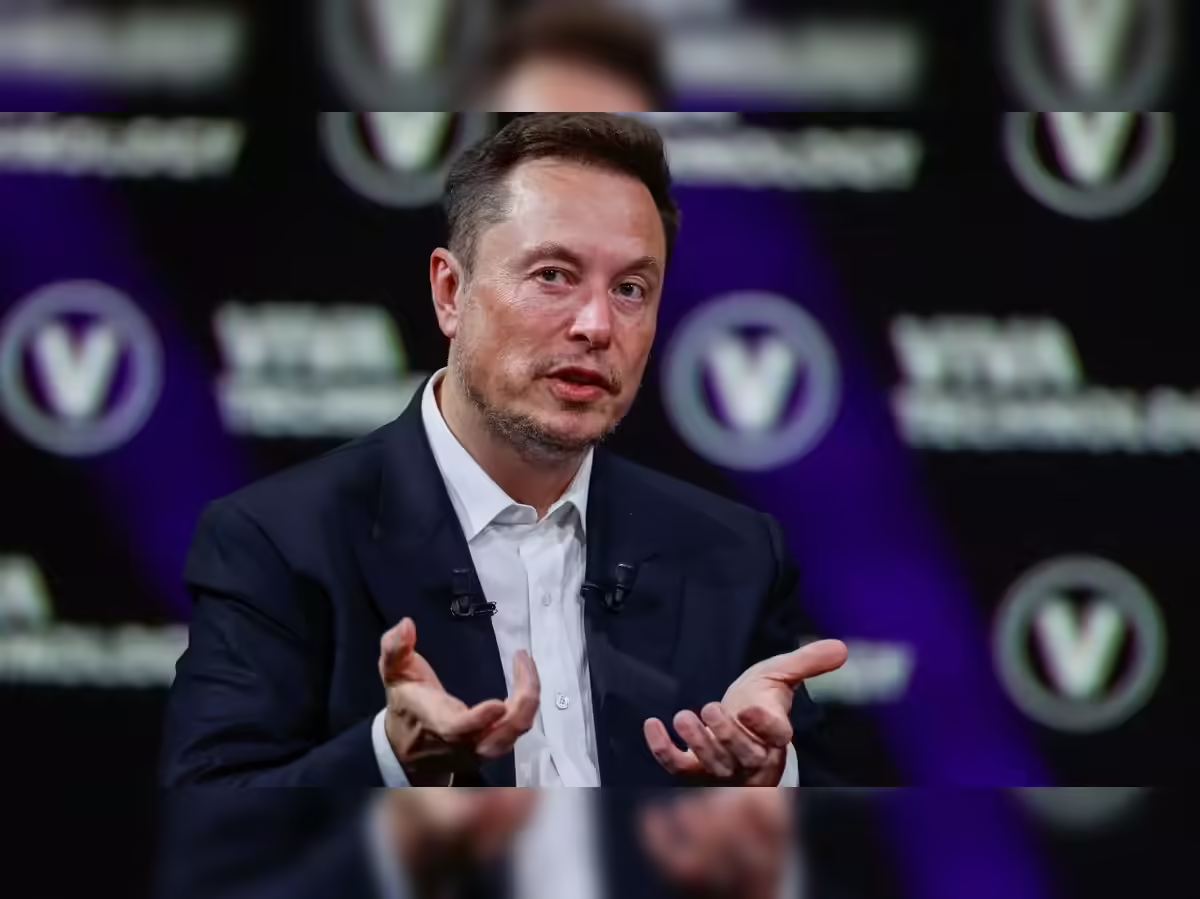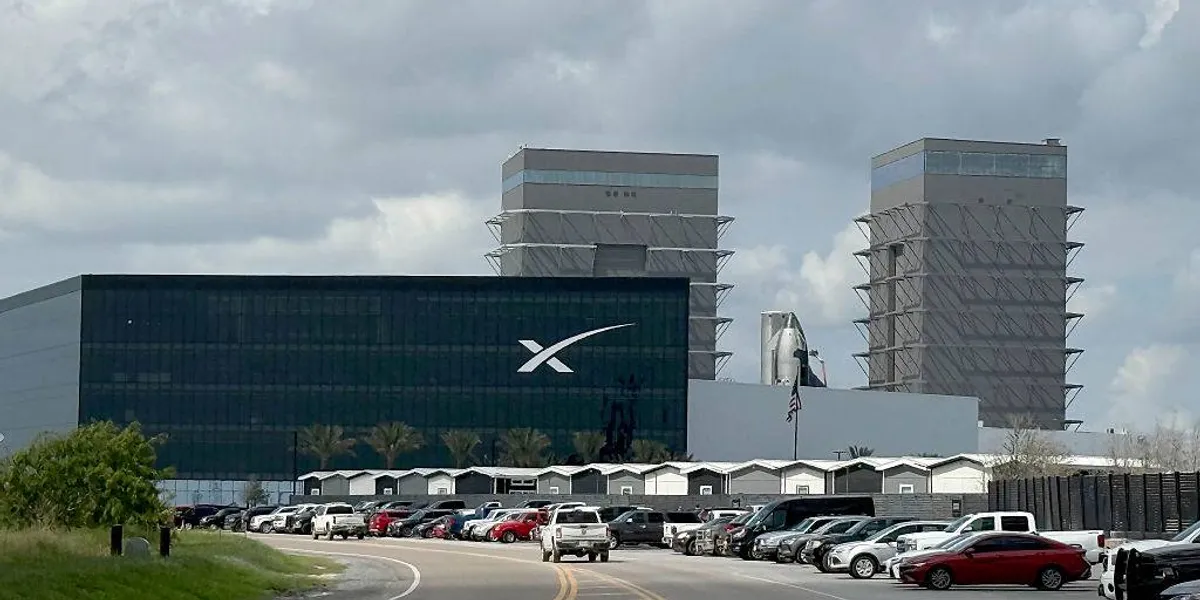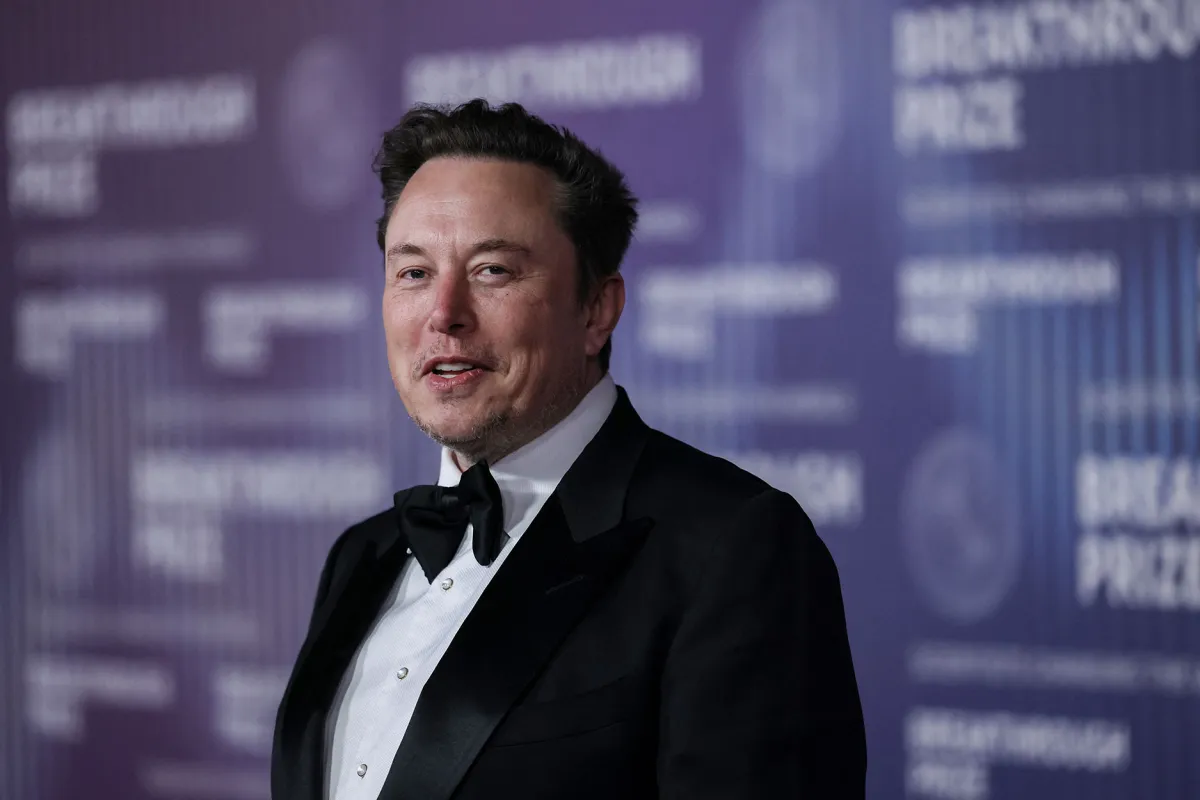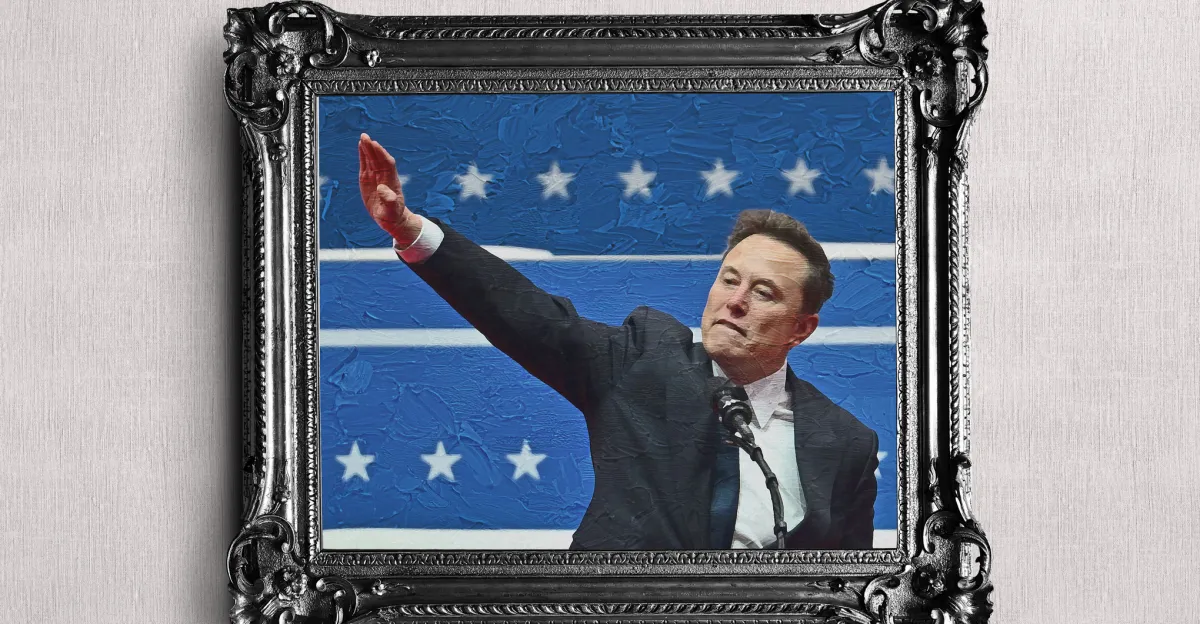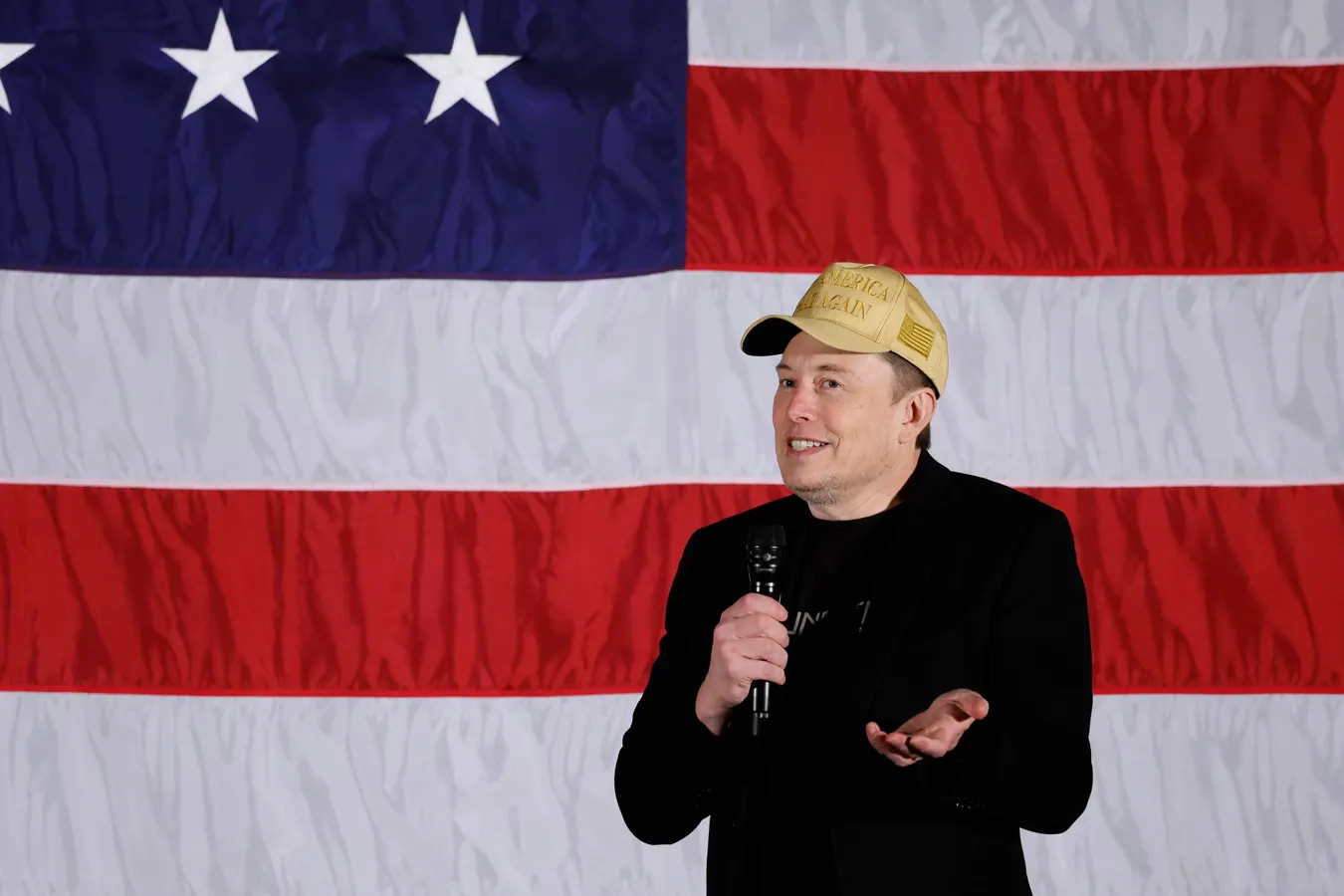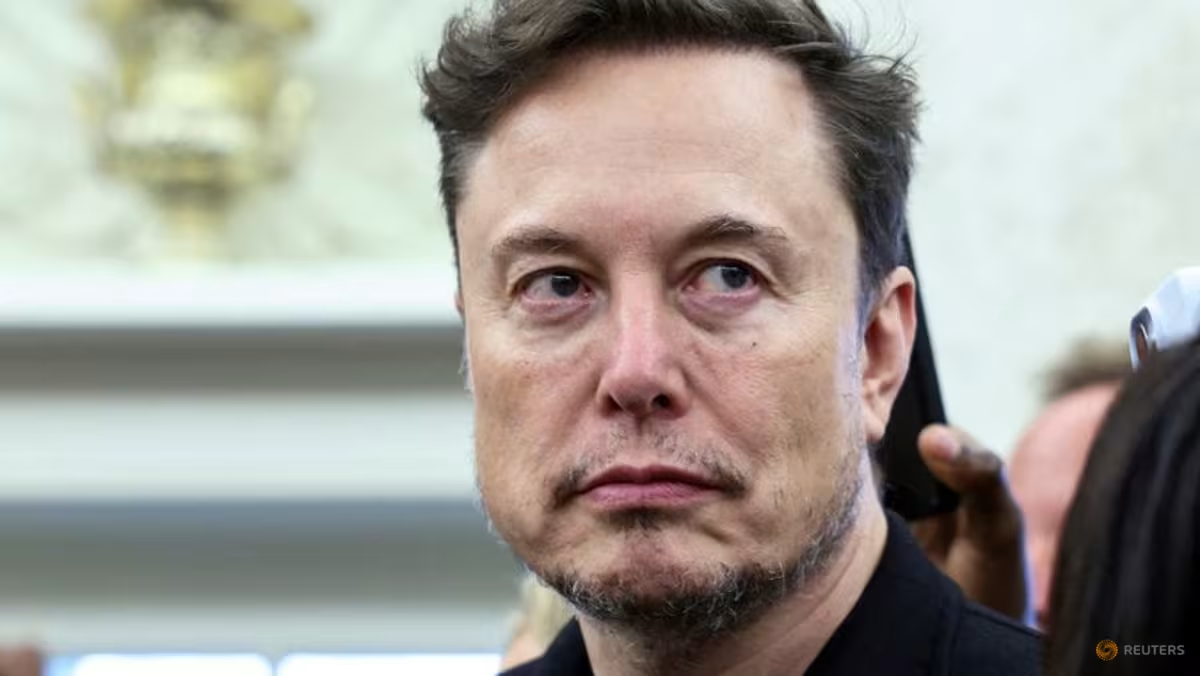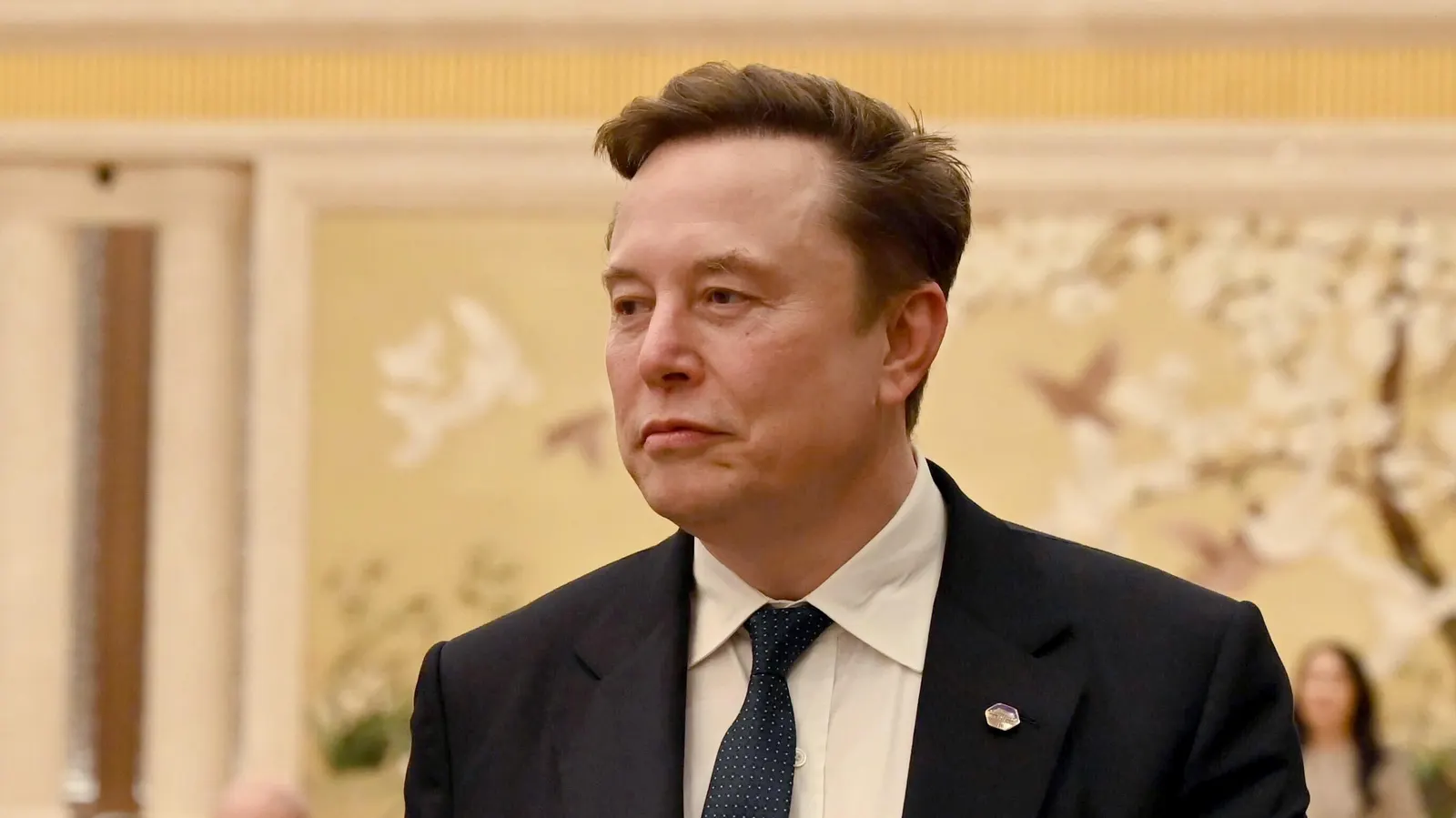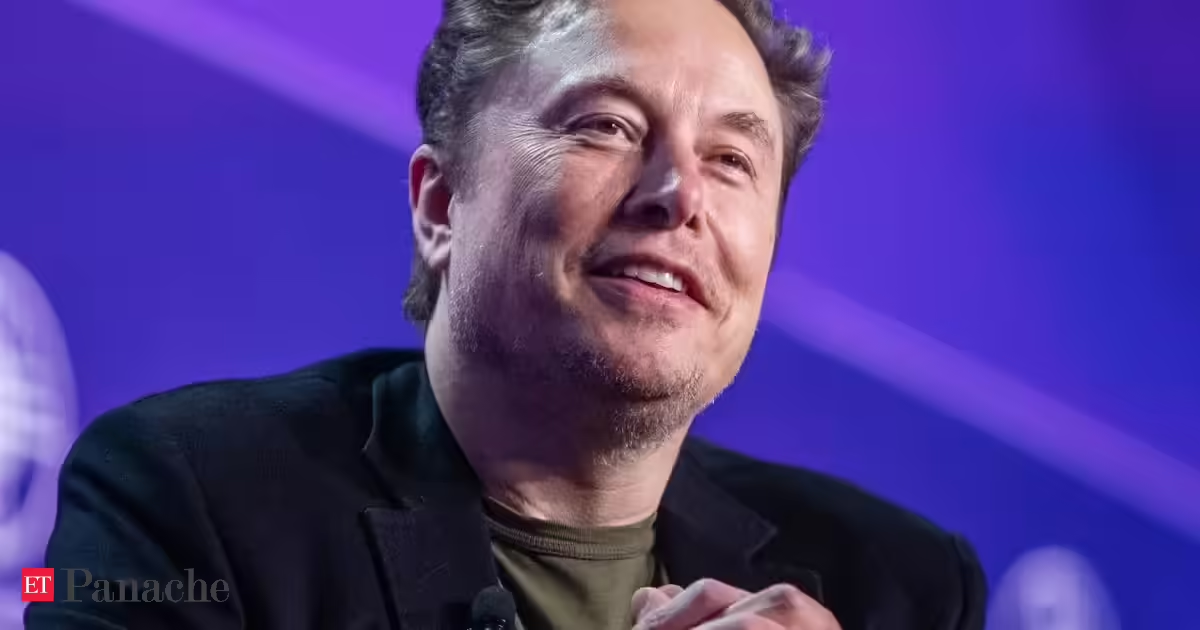
Today, Elon Musk is world's richest man and the SpaceX’s historic $75 billion IPO has pushed his net worth to the edge of an unprecedented milestone: becoming the world’s first trillionaire. His rocket, electric vehicle and AI ventures have made him the wealthiest people on the planet. But nearly two decades ago, Musk was staring at a very different reality, having the "worst year of his life". In 2008, the entrepreneur who now commands some of the world's most valuable companies was exhausted, broke, heavily in debt, and feared everything he had built might collapse. He later described that period as “the worst year of my life.”What makes the story remarkable is not just how close Musk came to losing everything, but how quickly his fortunes changed. After months of setbacks and uncertainty, two unexpected events in the span of just three days transformed his future and laid the foundation for the empire he would eventually build.A Year When Everything Went WrongBy 2008, Musk had already achieved what many entrepreneurs spend a lifetime chasing. He had helped create PayPal and walked away with roughly $180 million after the company was sold. Instead of enjoying his newfound wealth, Musk took an enormous gamble.He poured virtually all of his money into two struggling startups: SpaceX and Tesla. Both companies were attempting to disrupt industries dominated by giants. SpaceX wanted to make private spaceflight viable. Tesla was trying to convince consumers that electric cars could compete with traditional vehicles.Neither venture was generating the kind of success investors expected.SpaceX had suffered three consecutive rocket-launch failures. Every failed mission burned through precious cash and raised doubts about whether the company would survive.Tesla was facing its own crisis. Production delays, cost overruns and technical issues with an early model threatened the company's future. The global financial crisis of 2008 made fundraising even more difficult as investors became increasingly cautious.To make matters worse, Musk was dealing with personal turmoil. He was going through a divorce while watching the companies he had bet everything on edge closer to collapse. The pressure was relentless.Speaking years later about that period, Musk recalled waking up shortly before Christmas in 2008 and feeling closer than ever to a nervous breakdown. The future looked bleak, and the possibility of failure seemed very real. 'Man, I never thought I was someone who could ever be capable of a nervous breakdown.' I felt this is the closest I've ever come, because it seemed...pretty dark," Elon Musk told CBS News. SpaceX Was Down to Its Last ChanceAmong all the challenges Musk faced, SpaceX represented the biggest immediate threat. The company had already experienced three failed launches. Another failure would almost certainly destroy investor confidence and push the startup into bankruptcy.By the time SpaceX prepared for its fourth launch, there was virtually no room for error. Musk later admitted that the company was running on fumes financially. A fourth failure would have been, in his words, “game over.”Everything depended on a single mission. If the rocket failed, SpaceX would likely disappear. If it succeeded, there was still no guarantee the company would survive financially.The Launch That Changed EverythingIn September 2008, SpaceX finally achieved what had previously eluded it. Its rocket successfully reached orbit, becoming the first privately developed liquid-fueled rocket to accomplish the feat. The achievement was historic.Until then, only governments had managed to send rockets into orbit and safely conduct such missions. SpaceX suddenly proved that a private company could compete in a field long dominated by national space programs.Three Days That Saved Elon MuskAs Christmas approached in 2008, Musk still didn't know whether his companies would survive. Then everything changed. The first breakthrough came when NASA informed SpaceX that it had won a massive contract worth approximately $1.5 billion to provide cargo services to the International Space Station. For a company that had been fighting for survival, the contract was transformational.It provided credibility, long-term revenue and, most importantly, validation from one of the world's most respected space organizations.Musk later recalled being so overwhelmed by the news that he struggled to hold the phone. His immediate response was simple and emotional: “I love you guys.” The contract dramatically improved SpaceX's prospects, but another crisis still remained. Tesla was also running out of money.Then came the second lifeline. Just two days later, on Christmas Eve, Tesla investors agreed to inject additional capital into the struggling automaker. The funding gave the company enough breathing room to continue operations and pursue its vision of electric transportation. Incredibly, within a span of roughly three days, both of Musk's most important companies received the support they desperately needed.
Elon Musk was having worst year of his life - divorce, failed rockets, broke and close to nervous breakdown. How 3 days around Christmas saved him, SpaceX and Tesla
In 2008, Elon Musk faced near financial ruin with SpaceX and Tesla on the brink of collapse. After a critical SpaceX launch succeeded, NASA awarded the company a $1.5 billion contract. Days later, Tesla secured crucial investor funding, transforming Musk's fortunes and laying the groundwork for his future empire.
767 words~3 min read