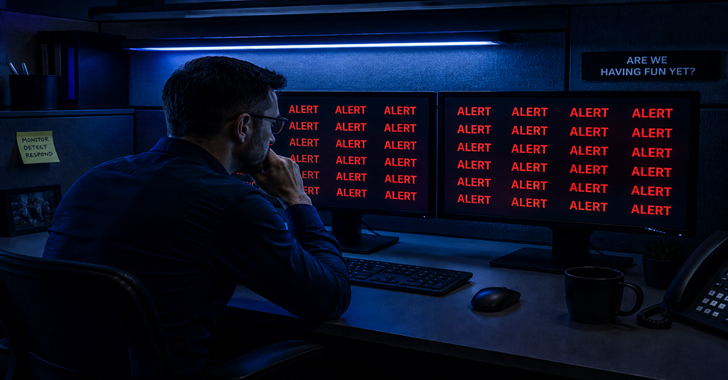
For most of the past decade, managed detection and response was the answer to a real problem. Security teams couldn't staff around the clock, couldn't hire enough analysts, and needed someone else to handle the alert queue. MDR stepped in. It worked well enough. Until now.
The threat landscape has changed faster than the MDR model can adapt. Attackers are using AI to move faster, generate more convincing phishing at scale, automate reconnaissance, and create malware variants that evade signature-based detection. The attack surface has expanded from endpoint to cloud, identity, and network simultaneously. And yet MDR is still doing what it always did. Routing alerts to human analysts who triage what they can, in the order they can get to it.
That is no longer enough. The data we share below proves it and security leaders might consider exploring whether they have outgrown their MDR.
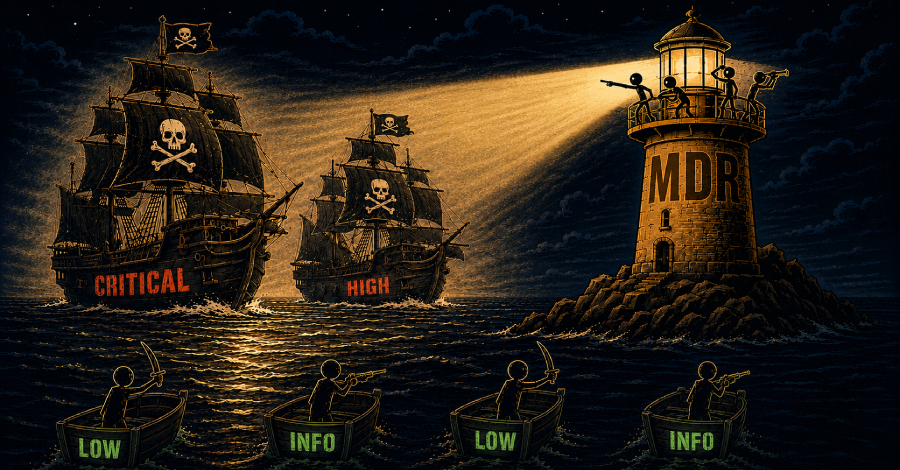
MDR's 24/7 promise doesn't cover 60% of your alerts
MDR promised 24/7 human coverage. What it delivered was a 24/7 human capacity to triage high-severity alerts. Those are not the same thing.