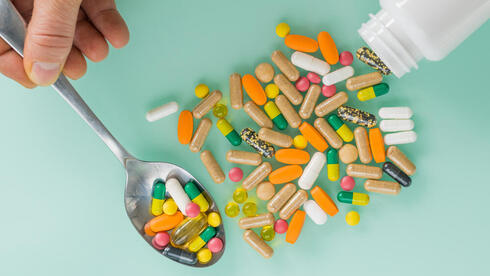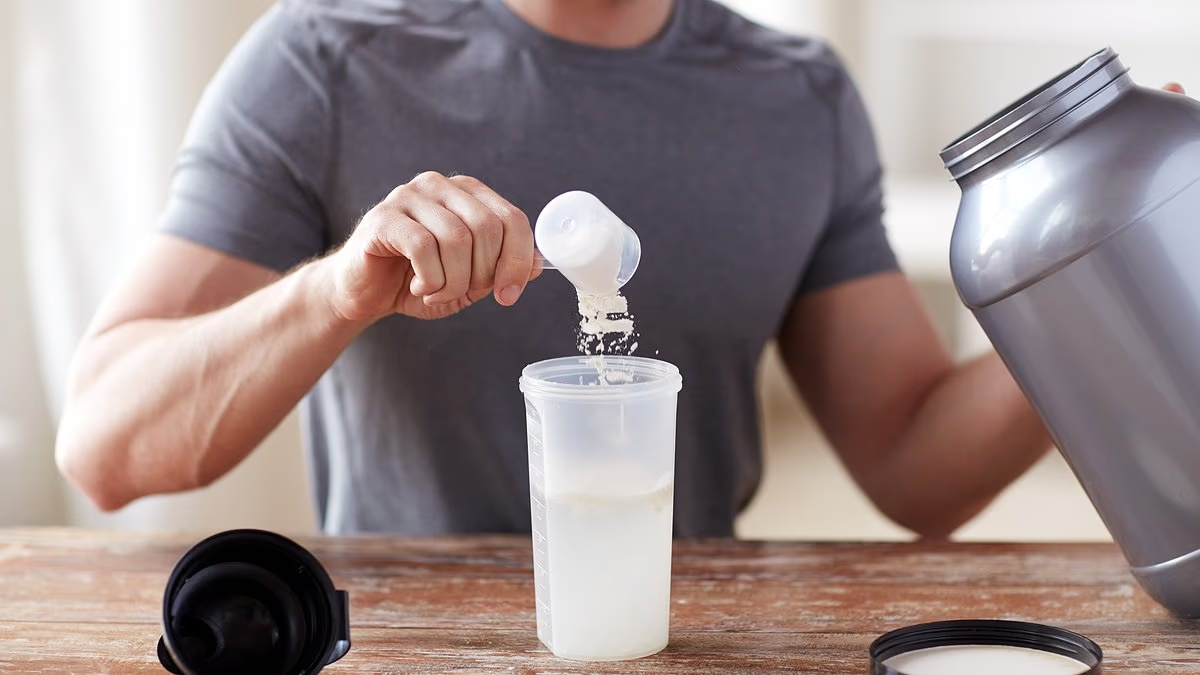
Amidst the ongoing protein conversation across social media platforms, a liver transplant specialist decodes the impact of protein on the liver. Protein intake has become a serious health conversation in the past few years. From fitness trainers to health coaches, celebrities are advocating the importance of protein and its supplements. However, before jumping on to any conclusion or picking a supplement, it is important to get the complete information about it. In an interview with HT Lifestyle, Dr Vaibhaw kumar, director, liver transplant specialist at Institute of liver transplant and GI surgery at Paras Health, Gurugram, revealed the impact of a high-protein diet and its supplements on the liver.Whether high protein diets and supplements can support or harm liver health. (Unsplash)Also read | Woman who lost 27 kg shares exactly what to eat before and after a workout for fat loss: ‘Aim for 15-25 g of protein…’What is fatty liver?Dr Vaibhaw said, “The myth about fatty liver disease that continues to pervade today's society is the belief that increasing one’s consumption of proteins can help solve this condition and improve one's metabolism.”Fatty liver disease is primarily driven by obesity, insulin resistance, consuming too many overall calories, and sitting too much—not by a lack of protein. (Unsplash)He highlighted that doctors regularly encounter patients who take this path immediately after receiving a diagnosis of fatty liver by resorting to a very intense protein-based diet regimen. However, this is not always the case. Fatty liver disease is primarily driven by obesity, insulin resistance, consuming too many overall calories, and sitting too much—not by a lack of protein.How much protein do we need?According to Dr Vaibhaw, while getting enough protein is vital for holding onto muscle mass and supporting your metabolism, eating it in excess won't give you a healthier liver. In fact, many commercially available protein supplements are poorly regulated and can contain hidden ingredients or contaminants that place unnecessary stress on the organ. He highlighted that the risk of liver strain skyrockets when people stack multiple supplements at once, or combine them with alcohol, aggressive weight-loss products, and high-stimulant pre-workout formulas.The risk of liver strain skyrockets when people stack multiple supplements at once, or combine them with alcohol, aggressive weight-loss products, and high-stimulant pre-workout formulas. (Unsplash)Is protein good or bad?Dr Vaibhaw said, “Ultimately, the conversation shouldn't be about whether protein is inherently good or bad, but rather whether you are consuming it safely and for the right reasons.” For the vast majority of people, a balanced diet full of whole, natural protein sources provides everything the body needs. He stated that our liver health is determined by our cumulative lifestyle choices, not by a single macronutrient. In order to avoid or even undo fatty liver disease, the best things to do will always come down to sustainable eating behaviors, physical activity, and maintaining an appropriate weight.Note to readers: This article is for informational purposes only and not a substitute for professional medical advice. Always seek the advice of your doctor with any questions about a medical condition.Anukriti Srivastava thrives at the intersection of words and voice, where journalism meets storytelling. A digital editor and journalist with over 5 years of experience, she has written across lifestyle, women issues, relationships, entertainment, fashion, and travel. She did her Masters in Broadcast Journalism and has published more than 500+ lifestyle content pieces across platforms.
Liver transplant specialist shares whether high-protein diets and supplements can support or harm liver health
Amidst the ongoing protein conversation across social media platforms, a liver transplant specialist decodes the impact of protein on the liver. | Health
756 words~3 min read