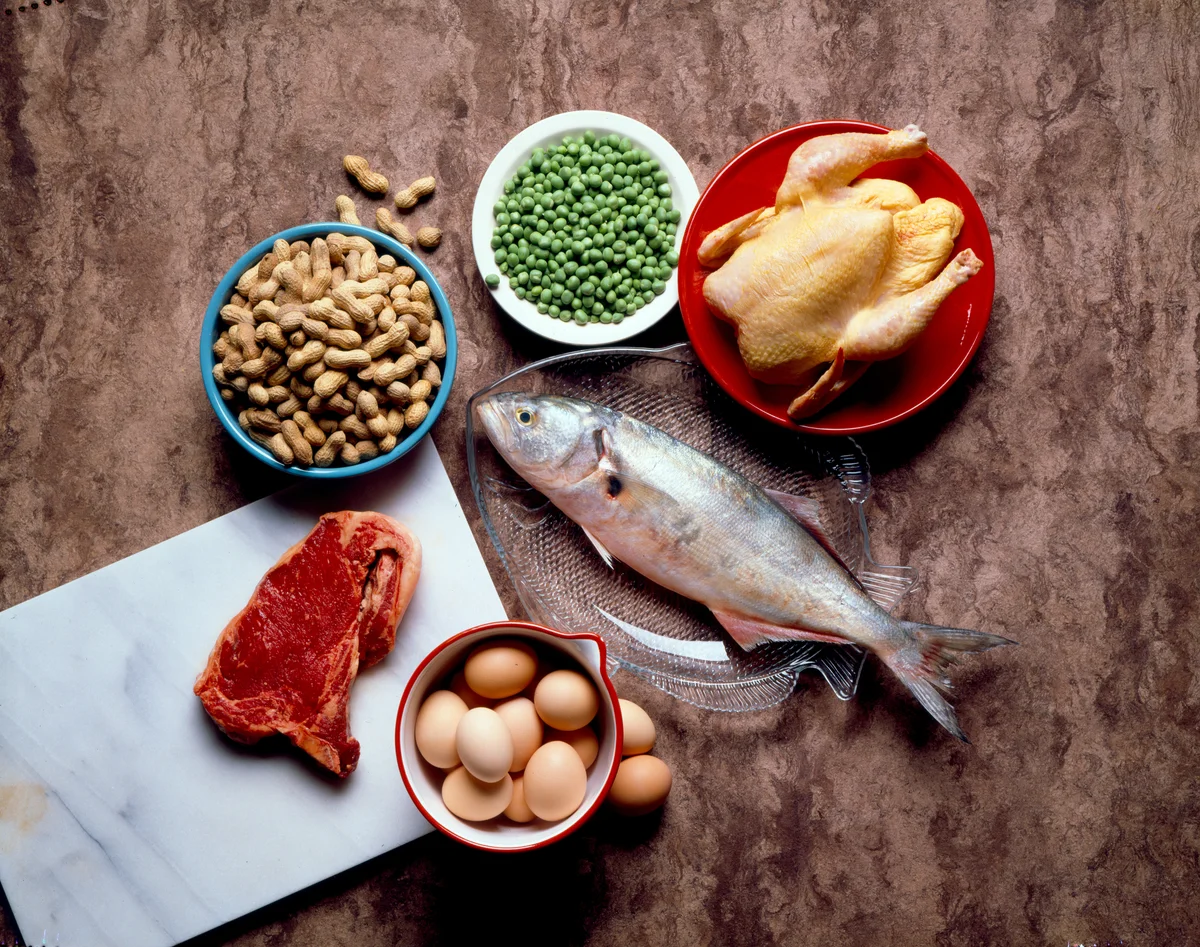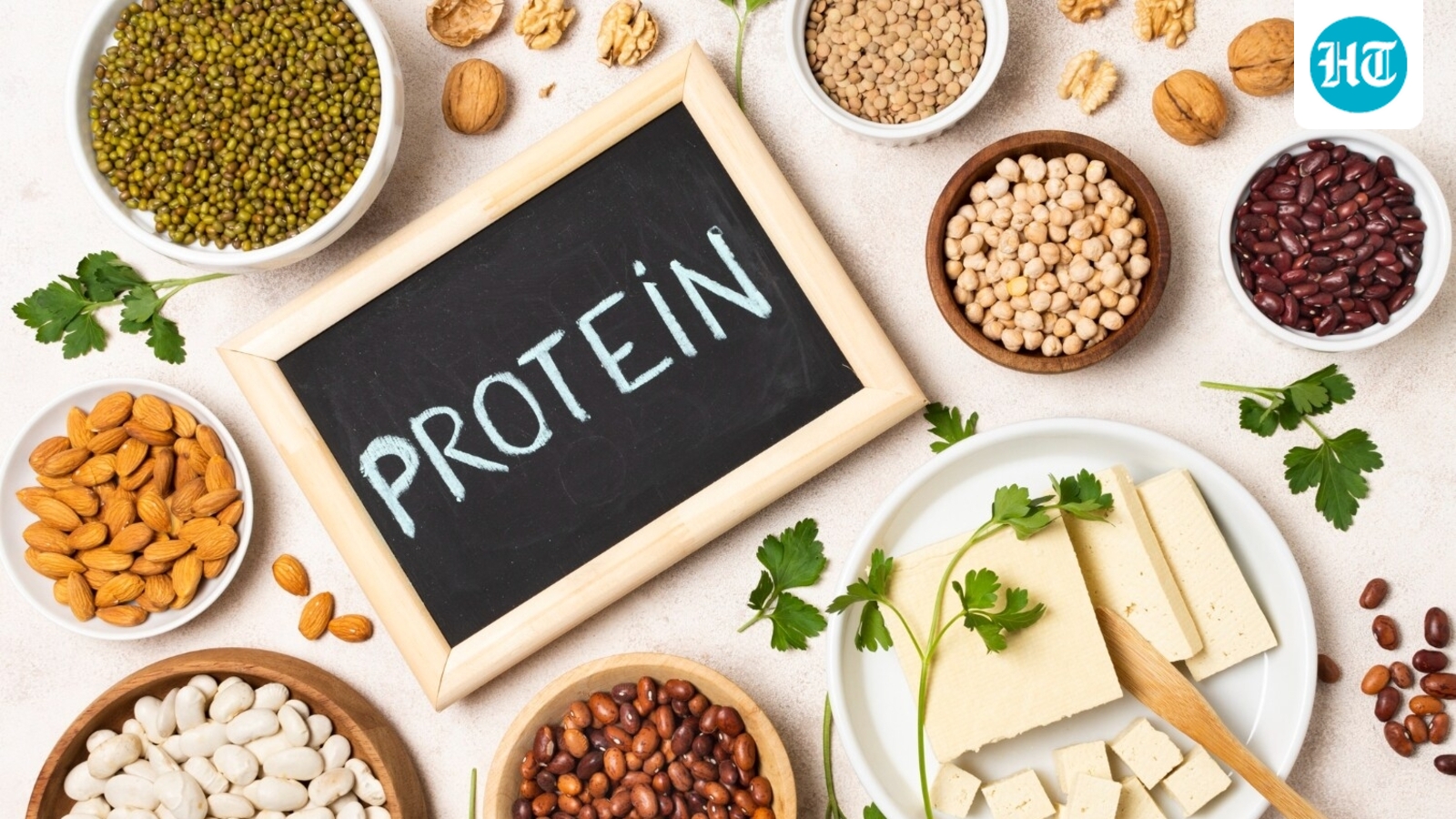
Having one too many protein powders could send you to an early grave, a major review has found. Fitness gurus on TikTok and Instagram routinely urge followers to increase their protein intake to aid weight loss and build muscle.The craze has led to a boom in protein products, such as shakes, bars and powders, with 56 per cent of UK consumers seeking protein-rich food and drink, according to a 2024 study.Now, a review of more than 350 papers suggests that cutting back on protein could reduce weight, fight heart disease and, ultimately, extend lifespan. The authors, from the University of Wisconsin–Madison, said protein restriction could do this by improving metabolism, reducing inflammation and limiting the damage to cells that triggers fast ageing.Experts agree that protein is a crucial component of a healthy diet. The nutrient helps repair and build muscle fibres, organs and connective tissue.However, previous studies have found that eating less of it can extend the lifespan of flies and rodents.Several recent clinical trials in humans have also shown that reducing protein intake can reduce weight and stabilise blood sugar levels. A new review suggests that cutting back on protein could have greater health benefits and could, in some cases, extend lifespanInterestingly, this was the case even though protein-restricted individuals tended to eat more total calories.The latest review, published in the journal Cell Press Blue, identified several potential explanations for why reducing protein intake may be associated with health benefits.Scientists believe a hormone called fibroblast growth factor 21, which rises when protein intake is low, can increase the body's energy expenditure, improve blood sugar control and reduce inflammation. However, experts cautioned that much of the evidence comes from animal studies, meaning the findings may not translate directly to humans.Studies in mice have shown that animals with higher levels of this hormone lived longer than normal mice, and the benefit was more pronounced in male mice than female mice. Eating less protein is known to raise this hormone level in humans as well.The review also highlights several amino acids, the building blocks of protein, that appear to drive many of these negative effects.Studies show that consuming too much of these amino acids could trigger biological processes that promote growth, increasing the risk of obesity, inflammation and other age-related diseases.'It's absolutely crystal clear that there are benefits of protein to muscle growth and exercise response of active individuals,' said the paper's corresponding author Dudley Lamming from the University of Wisconsin-Madison. 'But because most people are relatively sedentary, many people are likely consuming more protein than they actually need, which probably has negative health consequences.'
Too much protein could send you to an early grave, major review finds
Thousands following trendy high-protein diets could be consuming more protein than they need, according to a major review.
756 words~3 min read