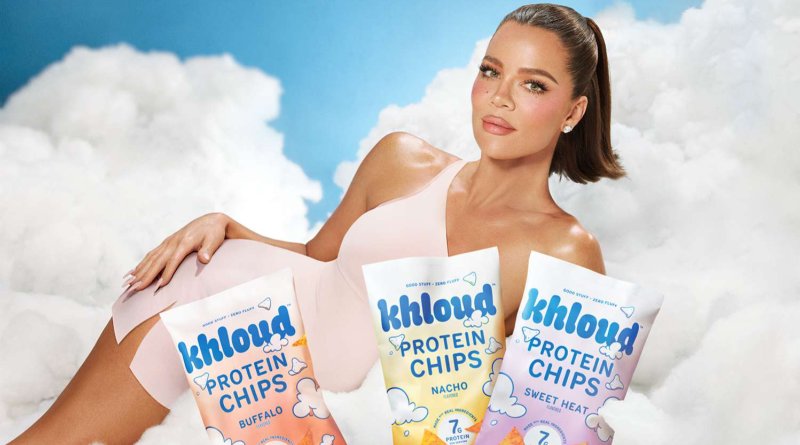
You can never have too much of a good thing, the saying goes. For months now, Americans treated protein that way. What started as a fringe supplement used mostly by “gym bros and fitness-obsessed teens,” as Consumer Reports journalist Paris Martineau put it, has transformed into a full-blown mass-market wellness movement. There’s protein pastas, protein cereals, protein sodas, and even Starbucks protein cold foam.
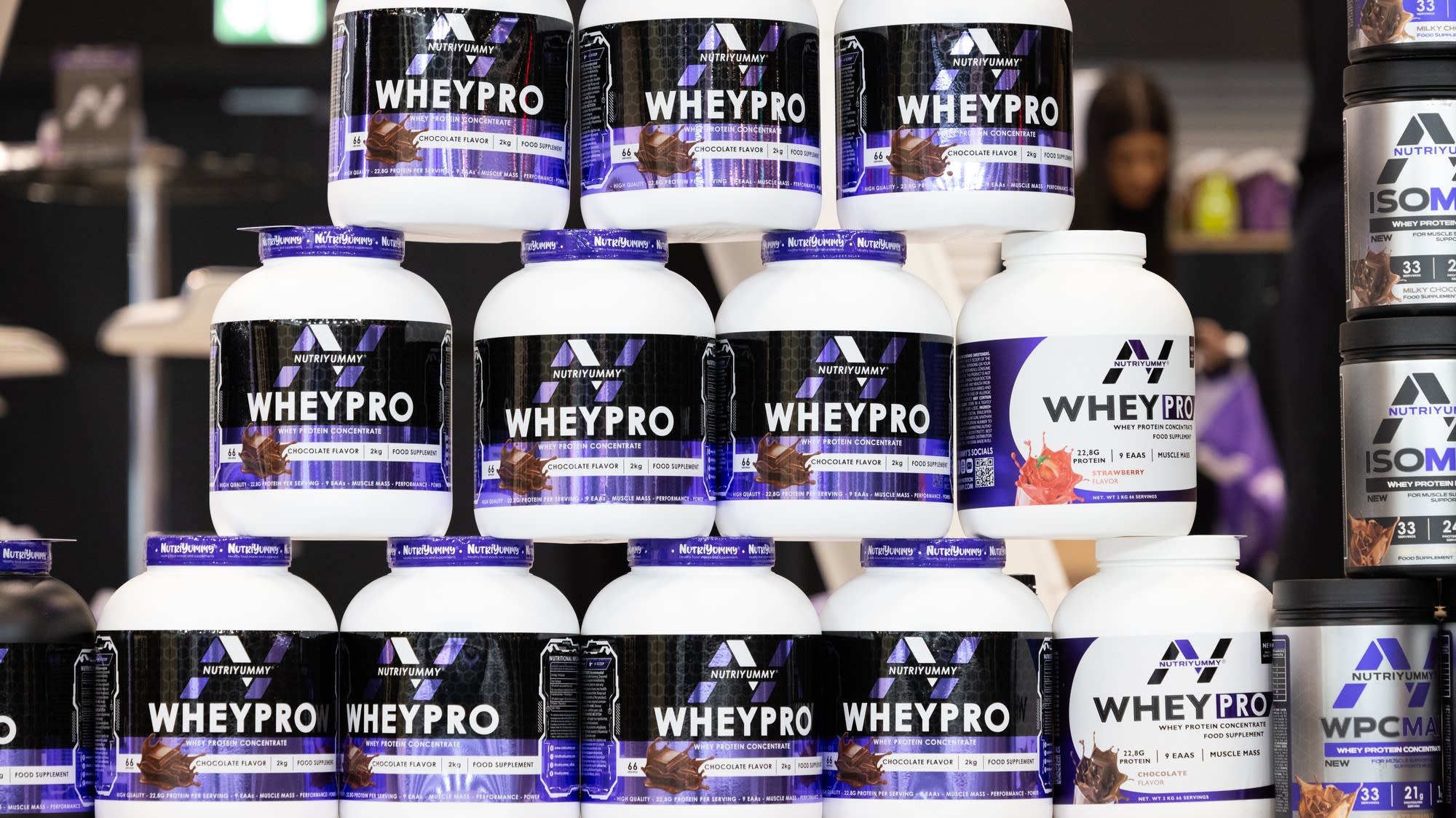
But an extensive investigation by Consumer Reports (CR) published on Oct. 14 reveals an inconvenient truth: much of this protein comes contaminated with toxic heavy metals.
Martineau led CR’s new round of testing on protein powders and shakes, the publication’s first since 2010. Back then, CR found “concerning levels of heavy metals,” but the category still felt niche. Now, she told Fortune, “everybody, seemingly, is taking protein powder, and this kind of protein mania has emerged where people seem to believe that more protein can always be better.”
That shift was precisely why CR decided to look again.
“We wanted to take a look at this industry again, now that it has blown up so much,” Martineau said. “And surprise, surprise, we found out that it seems like the risks have been growing right alongside the industry.”