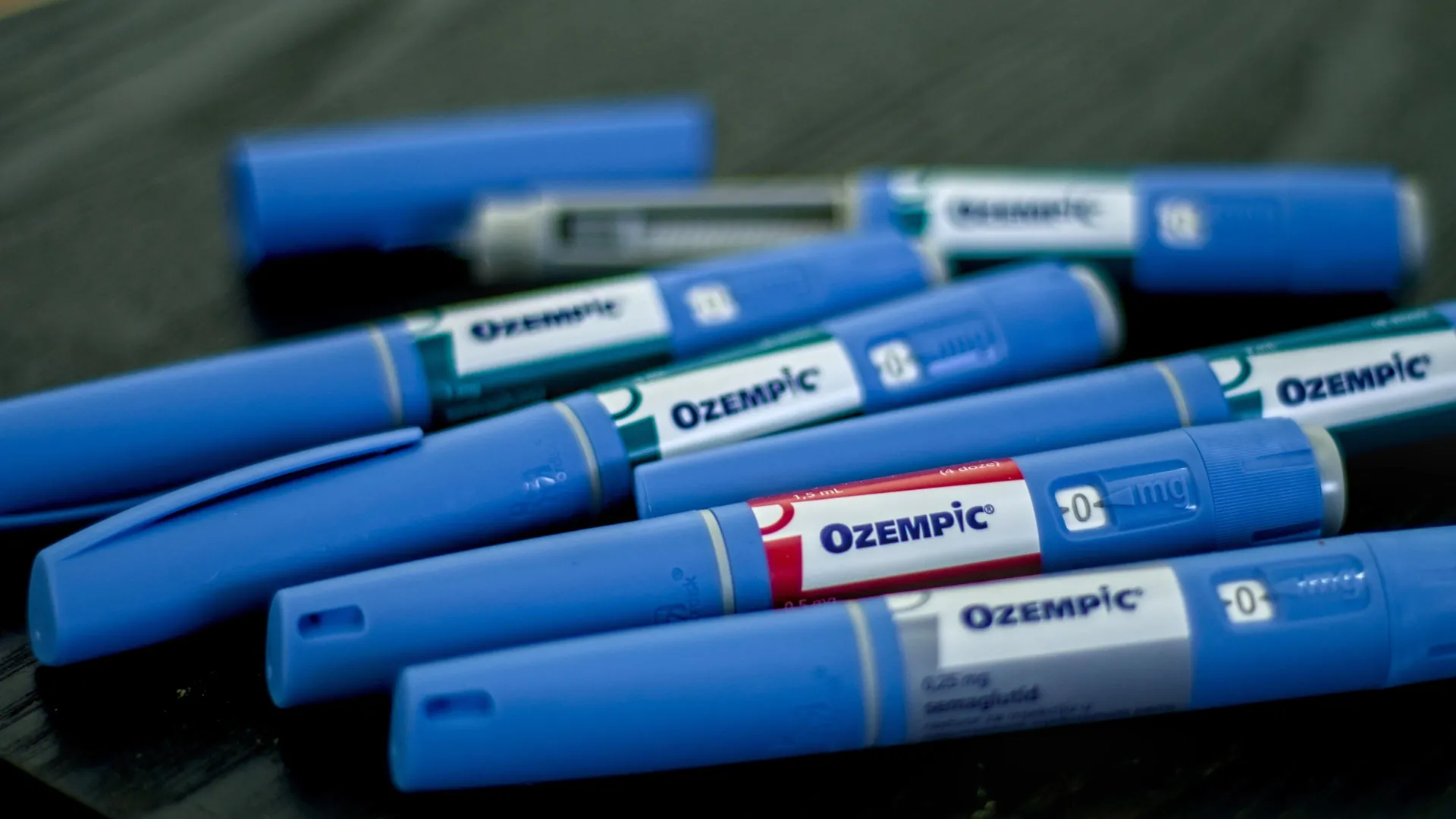
A whole new generation of weight-loss treatments has transformed the treatment of obesity, helping people drop kilos at levels once considered difficult to achieve without surgery.
Injections like Ozempic, Wegovy and Mounjaro mimic a hormone known as GLP-1 that acts in various parts of the body to suppress appetite.
Though their effectiveness at helping people lose weight have made them blockbuster, these drugs have also been linked to side effects like nausea, vomiting, diarrhea, abdominal pain and constipation in some patients.
BRP, a 12-amino-acid appetite-suppressing molecule discovered by a team at Stanford Medicine in California, might help to achieve weight-loss effects with fewer drawbacks. It mainly acts in the part of the brain that regulates appetite, known as the hypothalamus.
How does BRP seem different?