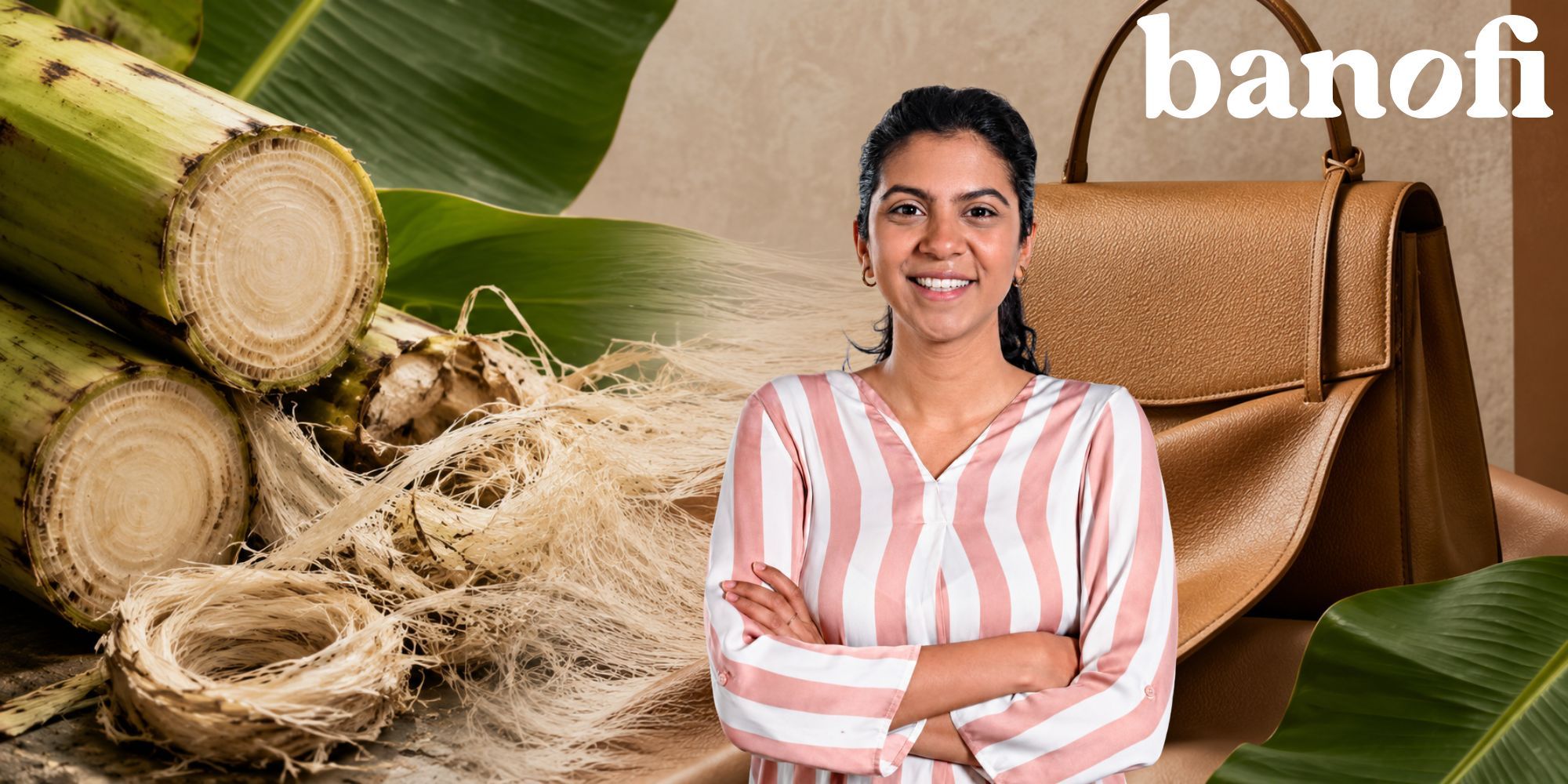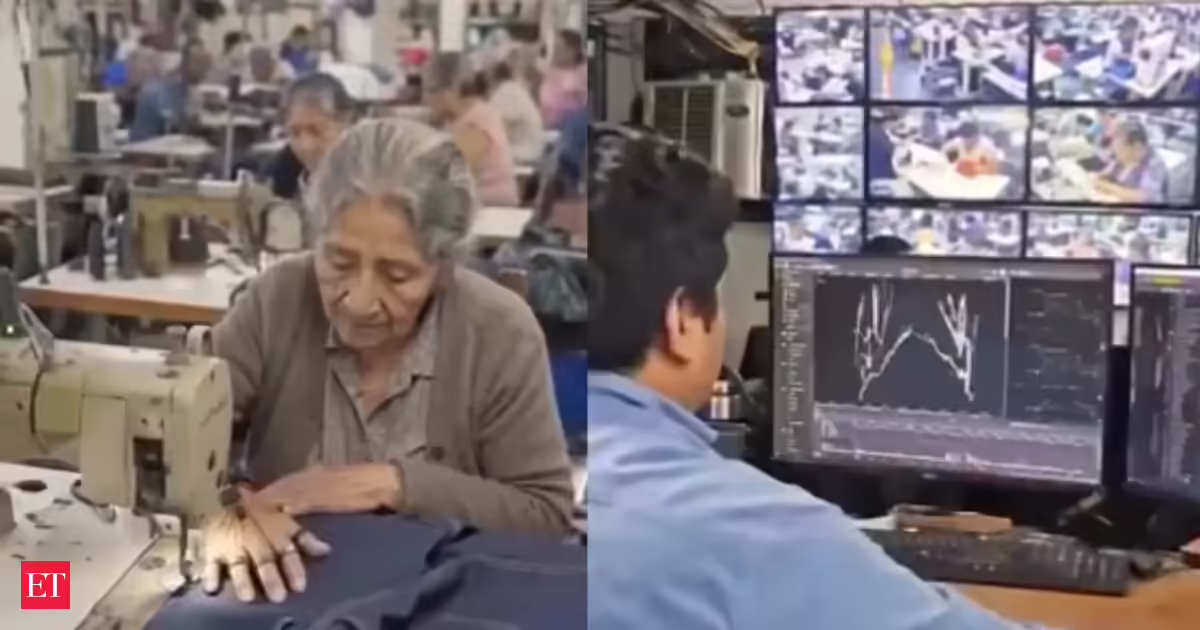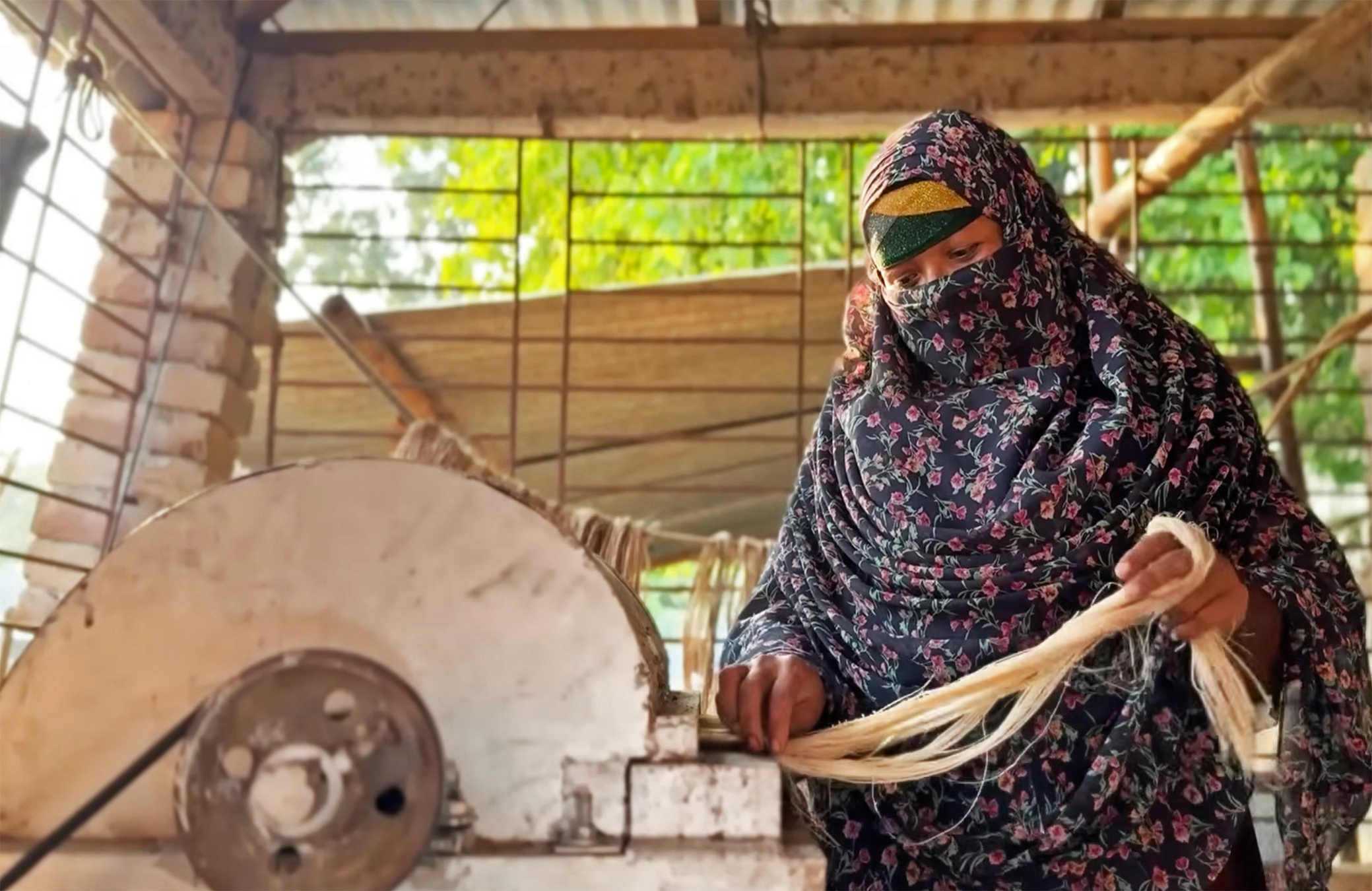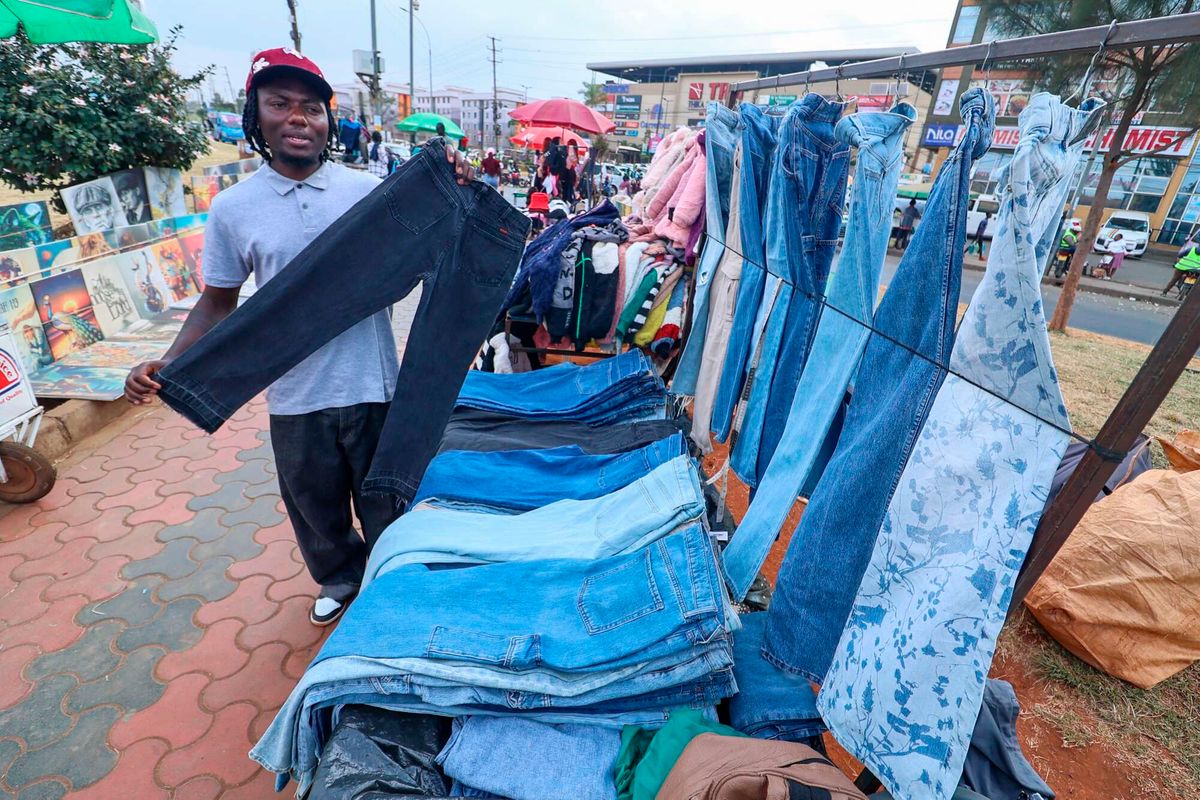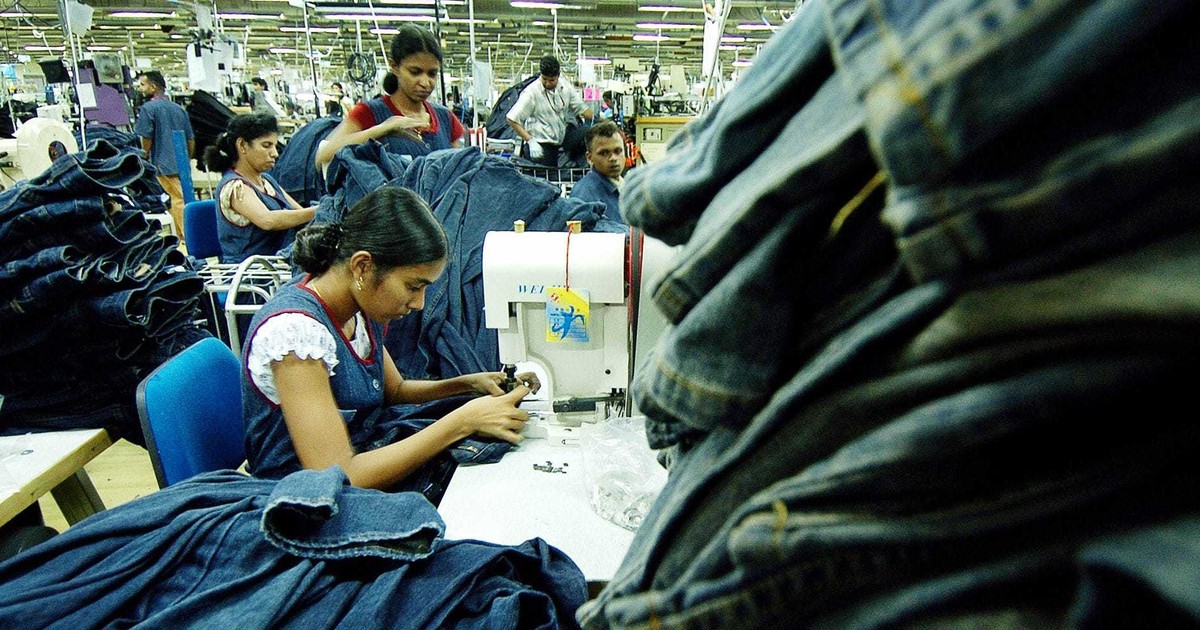
In the heart of rural India, where banana plantations stretch across vast stretches in states like Tamil Nadu, Maharashtra, Uttar Pradesh, and Andhra Pradesh, millions of farmers harvest the fruit but often discard the bulky stalks as waste. What if that "waste" could be turned into the trendy jeans hanging in your wardrobe? A fascinated video shared by Marico's Harsh Mariwala on social media shows exactly this transformation happening in China, using abaca fibre sourced from banana plants. It has sparked both awe and questions among Indians wondering why we aren't leading this charge. From Banana plant to Jeans: Harsh Mariwala shares videoThe clip captures a sleek, high-tech facility where raw banana stalks are fed into automated lines. Machines wash, strip, and refine the tough natural fibres. These are then spun into yarn, woven into durable fabric, dyed a classic indigo blue, cut, stitched into jeans, and packaged, all with minimal human intervention. The end result? Eco-friendly denim that feels strong, breathes well, and carries a far smaller environmental footprint than traditional cotton. — hcmariwala (@hcmariwala) Why this can be a lesson for IndiaIndia grows more bananas than any other country on the planet – over 30 million tonnes annually. After harvesting the fruit, the leftover pseudostems often rot in fields, contributing to waste and sometimes pest issues. Yet, banana fibre, especially from varieties like abaca (Manila hemp), is renowned for its strength, sustainability, and biodegradability. It requires far less water and pesticides than cotton and can thrive on marginal lands. Philippine farmers have long extracted abaca for ropes, paper, and fabrics. Innovative companies worldwide are already blending banana fibres with cotton or other materials to create soft, long-lasting denim. In India, scattered efforts exist – from small artisanal units in Kerala and Tamil Nadu making banana fabric for sarees and bags to research at textile institutes exploring commercial scaling.The Chinese example, even if the fully robotic version raises eyebrows about possible digital enhancement, highlights a bigger trend: the global push for circular fashion. Fast fashion's thirst for cotton strains water resources, while synthetic alternatives pollute. Banana fibre offers a middle path – renewable, local, and farmer-friendly.Opportunity Knocking for Bharat?Imagine Indian cooperatives in banana belts setting up fibre extraction units. A single hectare can yield significant fibre alongside the fruit, boosting farmer incomes by 20-30% according to some pilot studies. With government schemes like Atmanirbhar Bharat and PLI for textiles, plus growing demand for sustainable apparel from brands like Levi's or Indian labels, this could create rural jobs in processing, spinning, and garmenting. Challenges remain: standardising fibre quality, investing in efficient decortication machines, and building supply chains. But states like Tamil Nadu, already a textile and banana powerhouse, could lead the way. One X user tagged policymakers, urging them to explore banana-to-denim units to uplift farmers and strengthen the textile ecosystem. The Road AheadWhile the viral video might blend real innovation with eye-catching visuals, the underlying idea is rock solid. Sustainability isn't a buzzword anymore, it's a necessity as consumers, especially younger ones, demand greener choices. Indian entrepreneurs and policymakers have a golden window: leverage our massive banana production, adopt smart technology, and position the country as a leader in next-gen natural fibres. Next time you slip into a pair of jeans, picture them sprouting from a humble banana plant back home. That future isn't distant – it's waiting for us to harvest it. What do you think – should India invest big in banana denim? Share your views in the comments.
Watch: Marico’s Harsh Mariwala shares how China is making denim jeans from banana plants and calls it a lesson in innovation
A viral video shared by Maric's Harsh Mariwala showcased how China is transforming banana stalks into eco-friendly denim, sparking questions about India's potential. With vast banana production, India could leverage this renewable resource to boost farmer incomes and create rural jobs in sustainable textile manufacturing, mirroring global circular fashion trends.
582 words~3 min read