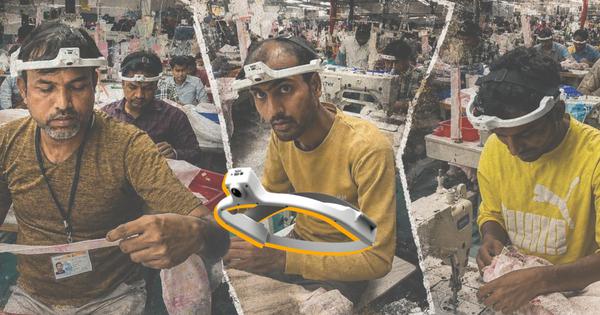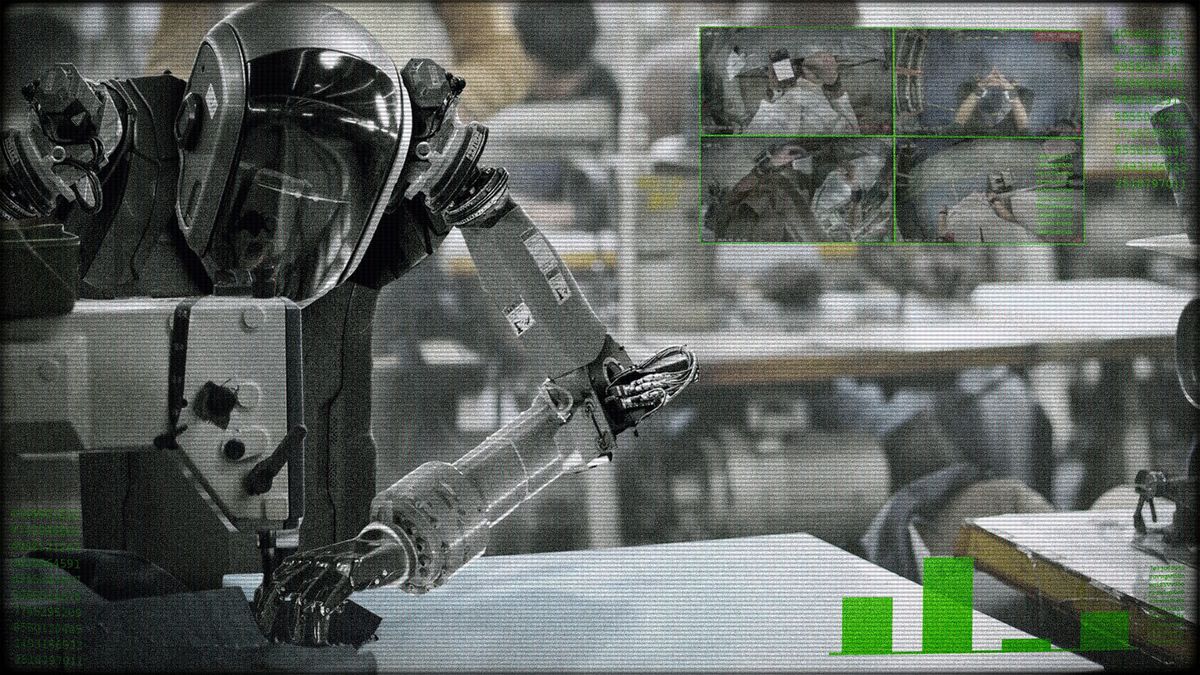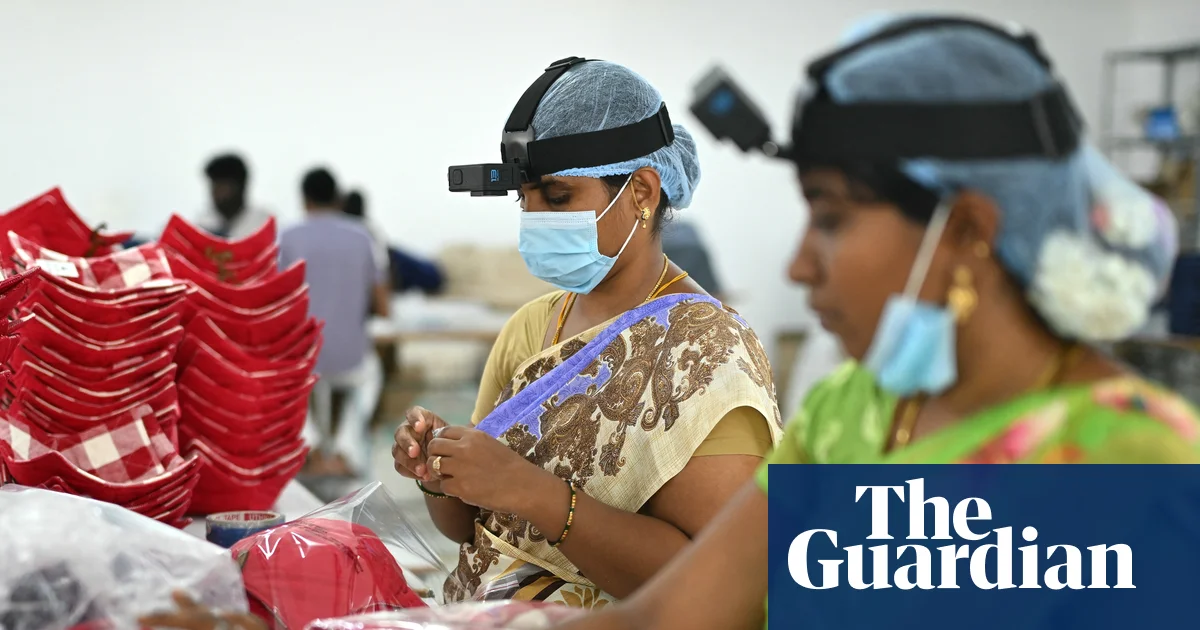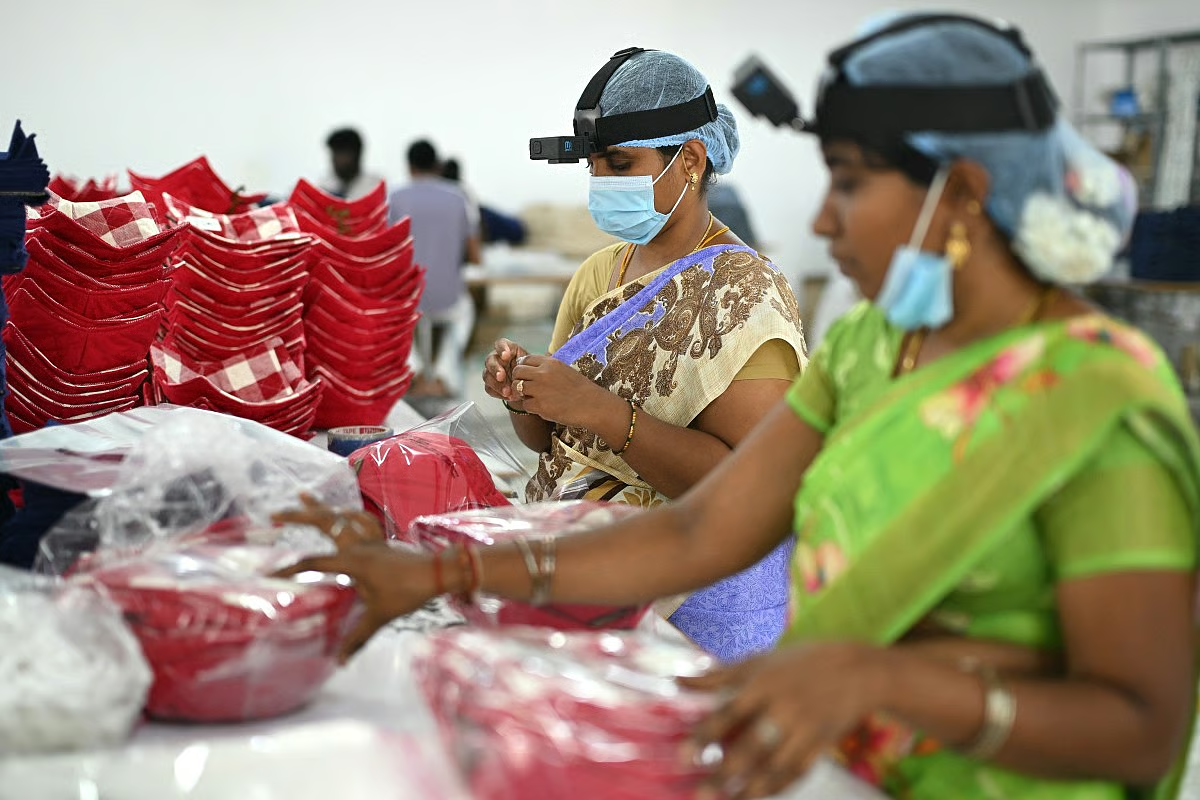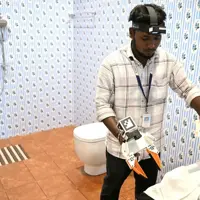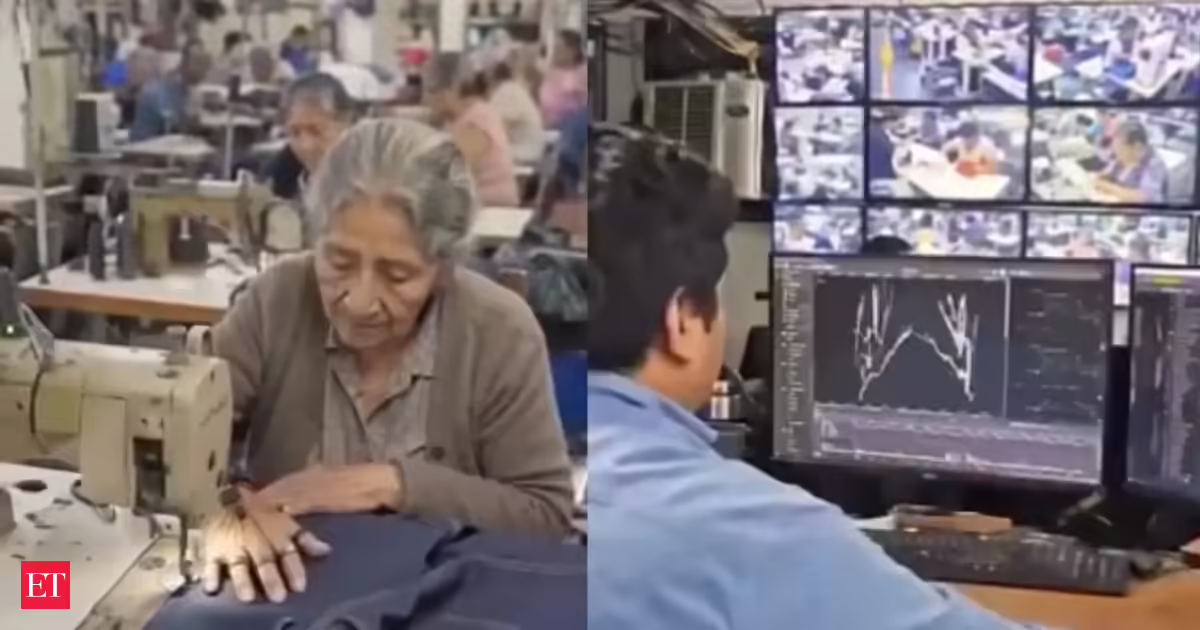
A video shared by industrialist Harsh Goenka has triggered a discussion about the future of factory jobs after showing garment workers wearing sensors on their hands while carrying out routine sewing tasks. The footage captures workers stitching fabric as wearable devices record their hand and finger movements, data that is then used to train artificial intelligence systems and robotic machines. The video has attracted attention for offering a glimpse into how automation could reshape manufacturing in the years ahead.Harsh Goenka Calls It the Future of ManufacturingSharing the clip on social media, Harsh Goenka pointed to the rapid changes taking place in the manufacturing sector."Fortunate or unfortunate, I don’t know, but this seems the future of manufacturing," Harsh Goenka posted on X.— hvgoenka (@hvgoenka) His remark reflected the mixed reactions generated by the video. While some viewers saw innovation and progress, others questioned what such technology could mean for workers whose skills have powered factories for decades.What Is Happening in the Video?The factory workers seen in the footage are equipped with lightweight sensors attached to their fingers and wrists. As they handle fabric, align materials and sew garments, the sensors capture every movement in real time.The recorded information is transmitted to AI systems where engineers analyse the actions and create digital models. These models can then be used to train robotic arms capable of performing similar tasks on production lines.The goal is to help machines learn complex movements that traditionally depend on human skill and experience.Why the Technology Is Drawing AttentionThe video has become a talking point because it touches on a larger question facing industries worldwide: can machines learn the precision of human hands?In garment manufacturing, workers often perform detailed tasks that require years of practice. Every adjustment, fold and stitch contributes to the final product. By collecting movement data from experienced employees, AI systems can gradually learn these techniques.Supporters of the technology believe automation can increase productivity, reduce errors and help factories operate more efficiently.Concerns Over the Impact on JobsThe discussion is particularly relevant in India, where the garment and textile industry supports millions of livelihoods. Many workers depend on these jobs to support their families, and concerns have emerged about whether automation could eventually reduce demand for manual labour.The viral video has therefore sparked debate over whether workers are helping train systems that may one day perform similar tasks without human involvement.As India continues to expand its manufacturing ambitions, technologies such as AI-powered robotics are expected to become more common across factory floors. The video shared by Harsh Goenka has brought that future into public view, showing how traditional skills are increasingly being converted into digital intelligence.Whether it becomes an opportunity for growth or a challenge for employment remains a question that continues to fuel debate online. For now, the video offers a rare look at a manufacturing trend that could shape the next chapter of industrial production.
'This seems the future of manufacturing': Harsh Goenka shares eye-opening factory video. Watch
Industrialist Harsh Goenka shared a video showing garment workers wearing sensors. This technology captures hand movements to train artificial intelligence and robots. The footage offers a glimpse into the future of manufacturing. Experts believe this could boost productivity but raise concerns about job displacement for millions in India's textile sector.
480 words~2 min read