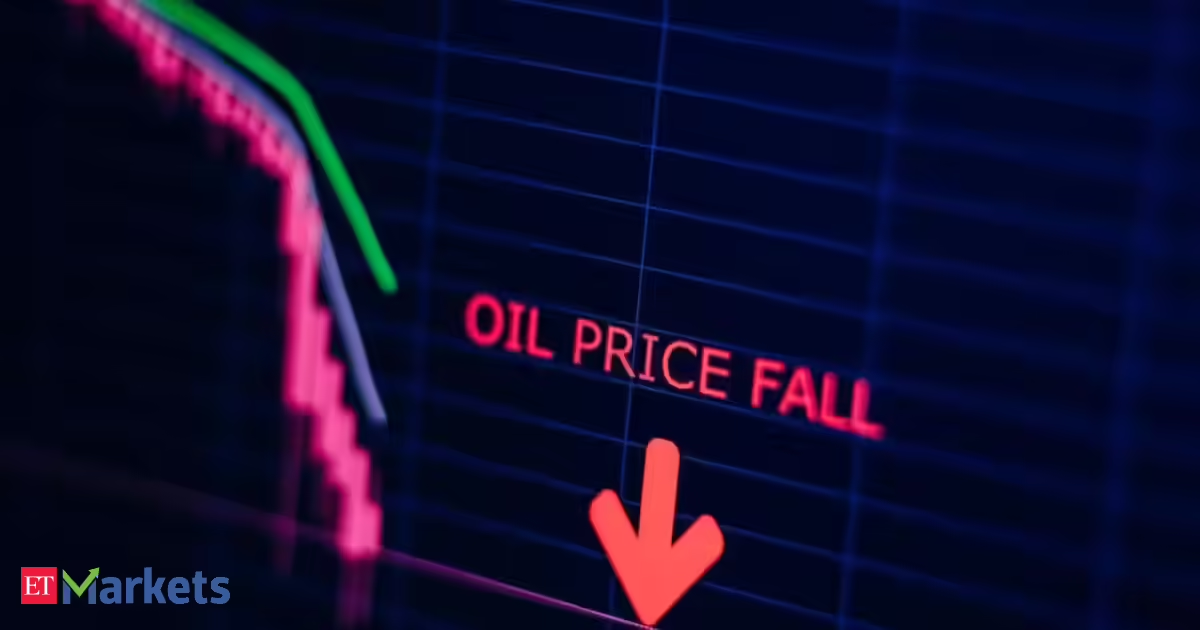
Oil prices slid more than $1 per barrel on June 12 after President Donald Trump called off planned military strikes against Iran. The reversal came just days after crude had spiked nearly $3 on Trump’s warnings of “very hard” attacks.
What happened and why it matters
The background here is a week of escalating tit-for-tat provocations between Washington and Tehran. Trump had publicly threatened military action, which sent crude benchmarks surging on fears that the Strait of Hormuz could be disrupted or closed entirely.
Here’s why that strait matters so much: roughly one-fifth of the world’s oil supply passes through it. It’s a narrow chokepoint between Iran and the Arabian Peninsula, and any credible threat to its accessibility sends energy traders into a cold sweat.
When Trump reversed course and canceled the strikes, markets interpreted the move as a sign that diplomatic channels might actually be producing results. Reports pointed to potential progress in negotiations for a peace deal, one that could ensure the strait remains open and functioning.