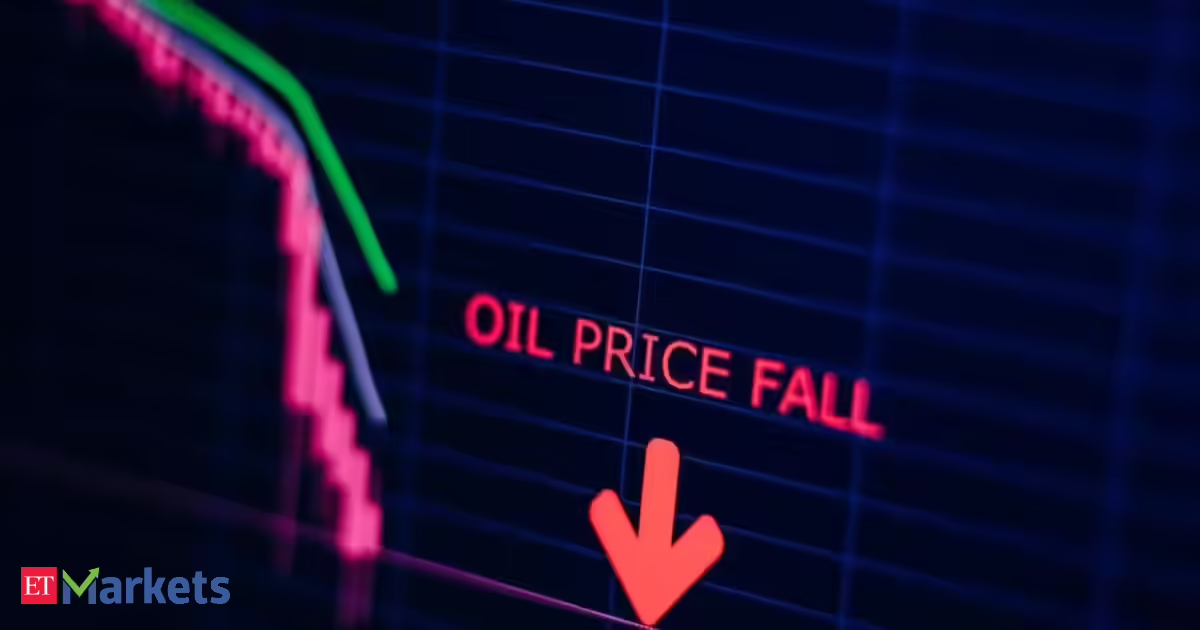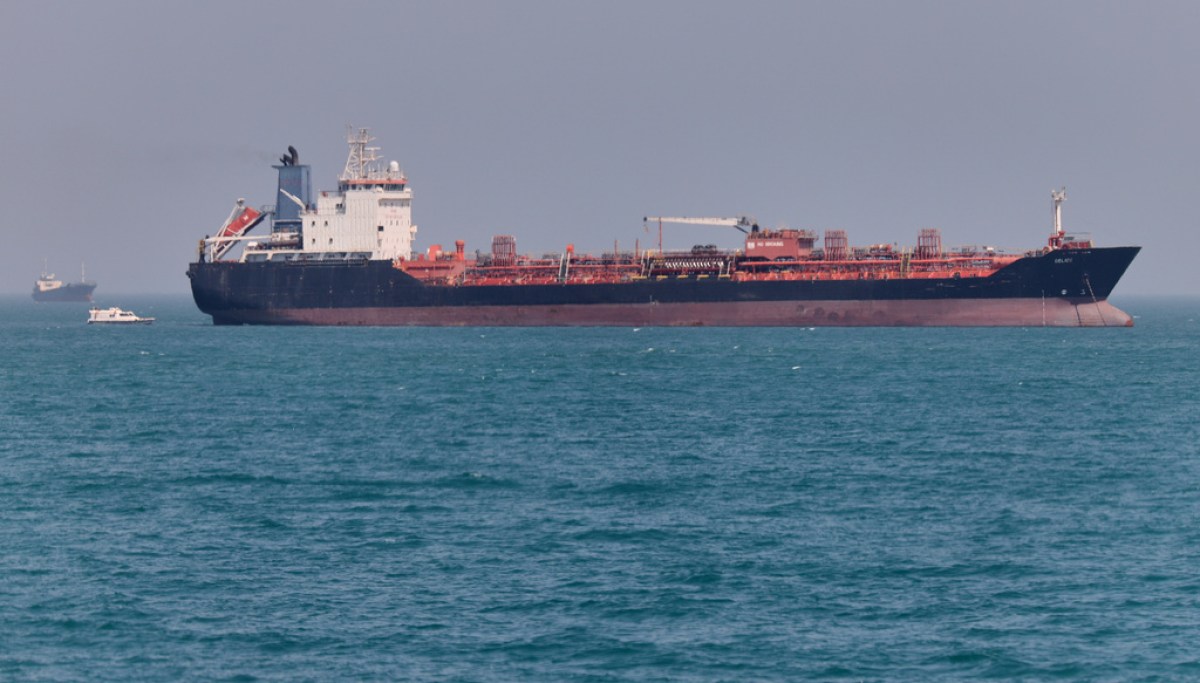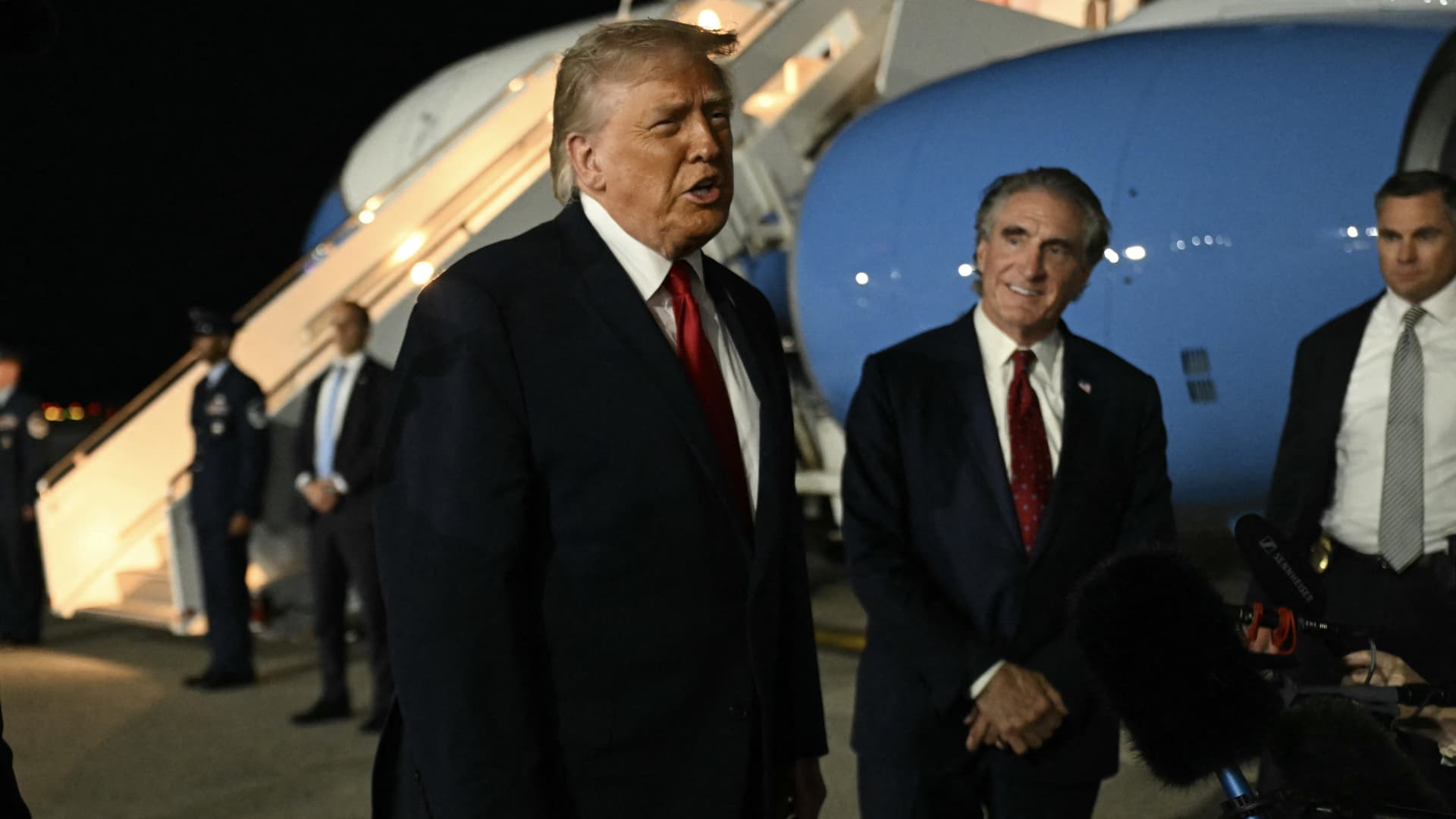
SynopsisUS oil prices collapsed below $87 as WTI crude dropped nearly 3% after President Trump canceled planned Iran strikes. The move reversed a war-driven rally as diplomatic back-channel talks between Washington and Tehran signalled possible de-escalation. Iran's Strait of Hormuz closure and record-low OPEC output kept supply fears alive. But weak Chinese demand and cancelled military action stripped the fear premium from crude, leaving global oil markets caught between conflict risk and demand reality.ETMarkets.comUS oil prices collapsed after Trump cancelled planned Iran strikes, sending WTI crude below $88 — a 2.6% single-session drop. US oil prices collapsed sharply after President Donald Trump cancelled planned military strikes on Iran, sending WTI crude futures tumbling below $88 a barrel. The sudden reversal wiped out gains built on days of war-driven fear, leaving energy markets in a volatile, unpredictable state. Crude Oil WTI shed over 2.6% in a single session, falling from an intraday high of $93.63 to a low of $86.57. For global energy traders, this wasn't just a price move — it was a signal that the geopolitical premium baked into oil prices was beginning to crack. The reversal came fast, and it came hard. Just hours earlier, Trump had publicly threatened Iran with major military action and vowed to take control of the country's oil and gas infrastructure. Markets reacted accordingly, pushing oil prices higher on fear of supply disruption through the Strait of Hormuz. Then came the cancellation — and the floor dropped. US oil prices have now fallen over 10% in a single month, with the WTI one-month return sitting at -10.53%. That decline reflects more than just one cancelled airstrike. It captures the market's growing uncertainty about whether this conflict will produce a prolonged supply shock or a negotiated de-escalation. Three Iranian sources and a European official confirmed that the US and Iran were actively exchanging messages on a memorandum, following a political understanding between both sides. That back-channel diplomacy — happening even as public statements escalated — is what gave traders reason to sell the fear premium. When war headlines drive oil prices up and diplomatic signals bring them back down, the market is essentially pricing probability, not certainty.US Oil Prices Collapse as Trump Cancels Iran Strikes, WTI Crude Drops Below $88 Iran's joint military command announced the formal closure of the Strait of Hormuz to oil tankers and commercial ships, warning that any vessel attempting to pass would be fired upon. The Strait is one of the world's most critical energy chokepoints, with nearly 20% of globally traded oil passing through it daily. This wasn't a symbolic gesture — it was a direct threat to the physical flow of crude from Saudi Arabia, the UAE, Kuwait, and Iraq, in addition to Iran itself. OPEC output in May fell to its lowest level in over two decades, driven by US naval pressure on Iranian exports and reduced Gulf shipments tied to the Strait's effective closure. Abu Dhabi National Oil Company managed to export crude and offered cargoes to Asian buyers, but the disruption was real. Three LNG tankers quietly slipped through the Strait with transponders switched off, heading to Asia — a sign that shipping companies were navigating the crisis with stealth rather than confidence. Indian refiners reported a vessel incident off Oman's coast but said they had secured enough crude to cover demand through at least August. The supply crunch is real, but the market's response to oil prices depends heavily on how long it lasts. Why Weak Chinese Demand Is Limiting the Oil Price Rally Even with a Middle East war risk of this magnitude, US oil prices are being pulled in two directions at once. On one side, Iranian supply disruption and Strait of Hormuz closure fears push crude higher. On the other, weakening Chinese fuel demand is capping how far oil prices can actually climb. China's gasoline and diesel consumption has been falling, with lower crude imports adding further pressure on the demand side of the global oil equation. This is not a new dynamic, but it is a powerful one. When the world's largest crude importer slows down, it absorbs the supply-shock premium that conflict would otherwise sustain. Brent crude gained only 46 cents to $93.56 a barrel at one point during peak tensions — a modest move given the scale of the geopolitical threat on the table. The muted reaction speaks to the market's awareness that Chinese demand weakness is a real counterforce. US crude inventories also fell by 7.2 million barrels in the week ended June 5, exceeding analyst expectations of a 4 million-barrel draw, tightening domestic supply conditions. Yet even that bullish data point couldn't hold oil prices up once Trump cancelled the strikes.Read More News on(Catch all the US News, UK News, Canada News, International Breaking News Events, and Latest News Updates on The Economic Times.) Download The Economic Times News App to get Daily International News Updates....moreless
Why crude oil markets suddenly reversed course today: US oil prices collapse below $87 after Trump cancels Iran strike plans, WTI crude drops 3%
US oil prices collapsed below $87 as WTI crude dropped nearly 3% after President Trump canceled planned Iran strikes. The move reversed a war-driven rally as diplomatic back-channel talks between Washington and Tehran signalled possible de-escalation. Iran's Strait of Hormuz closure and record-low OPEC output kept supply fears alive. But weak Chinese demand and cancelled military action stripped the fear premium from crude, leaving global oil markets caught between conflict risk and demand reality.
821 words~4 min read