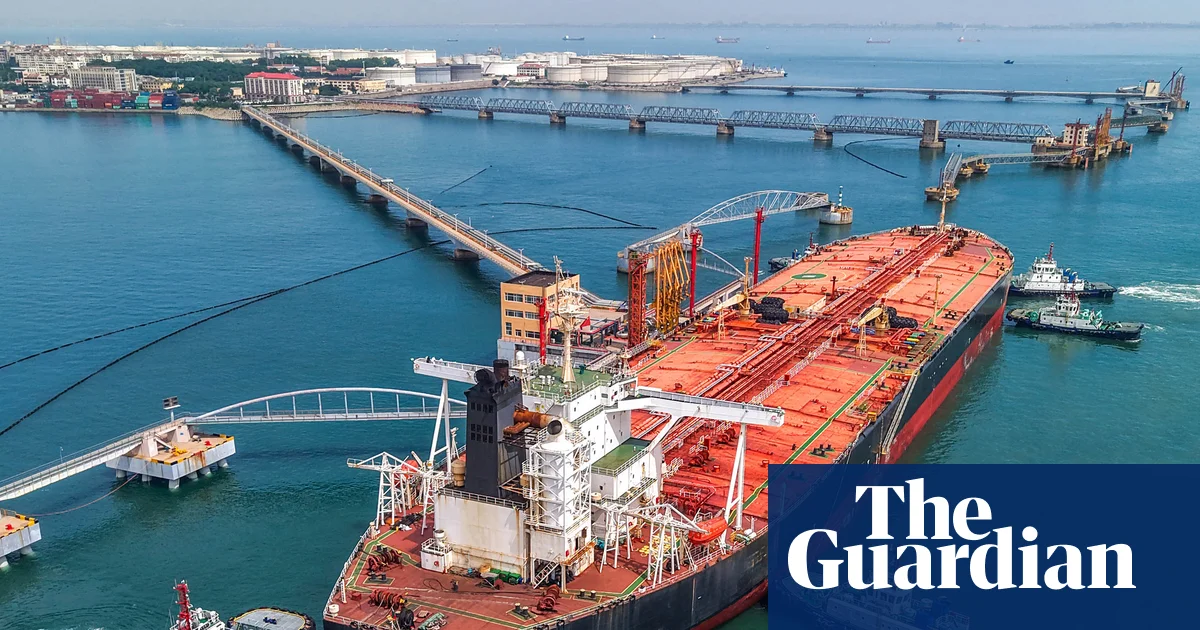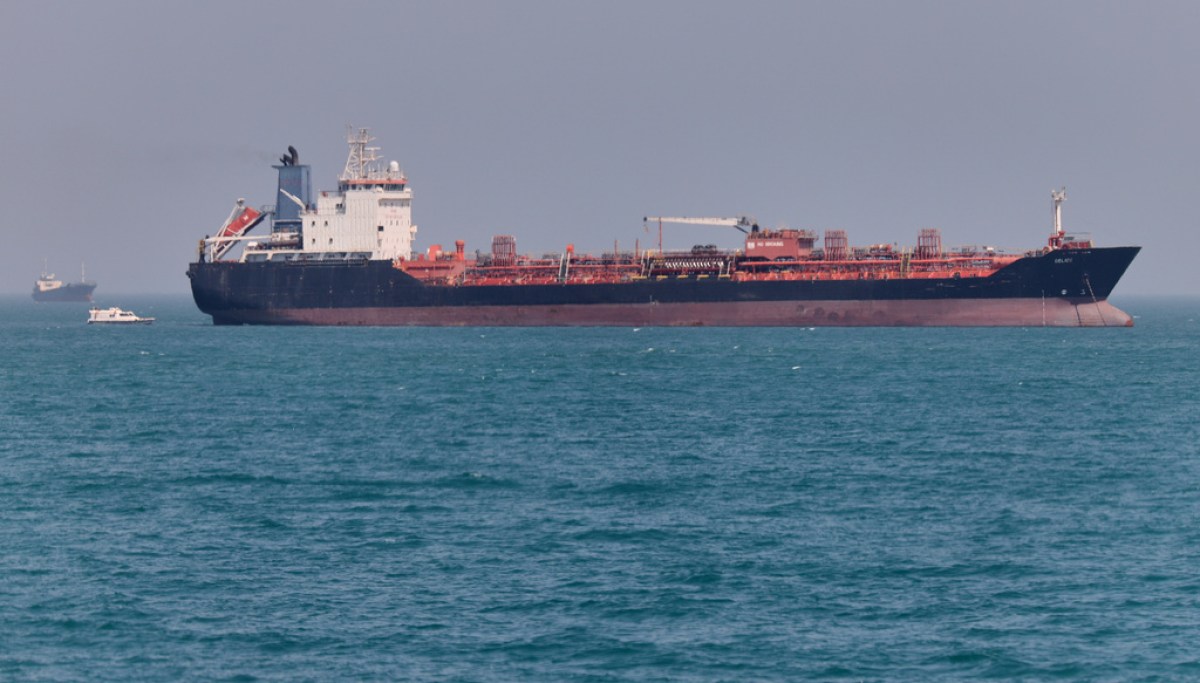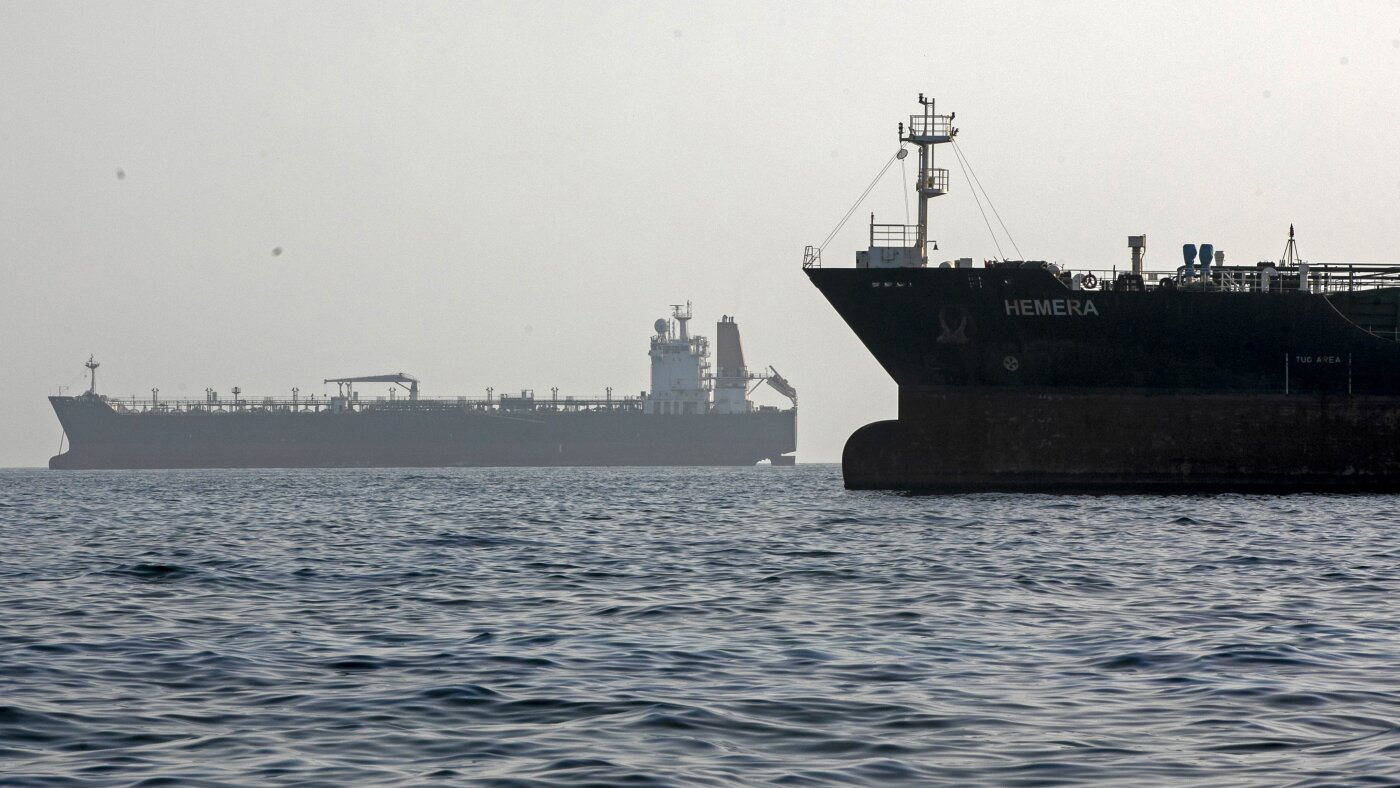
The relatively benign price action in recent weeks masks the scale of the supply disruptions from the Persian Gulf.
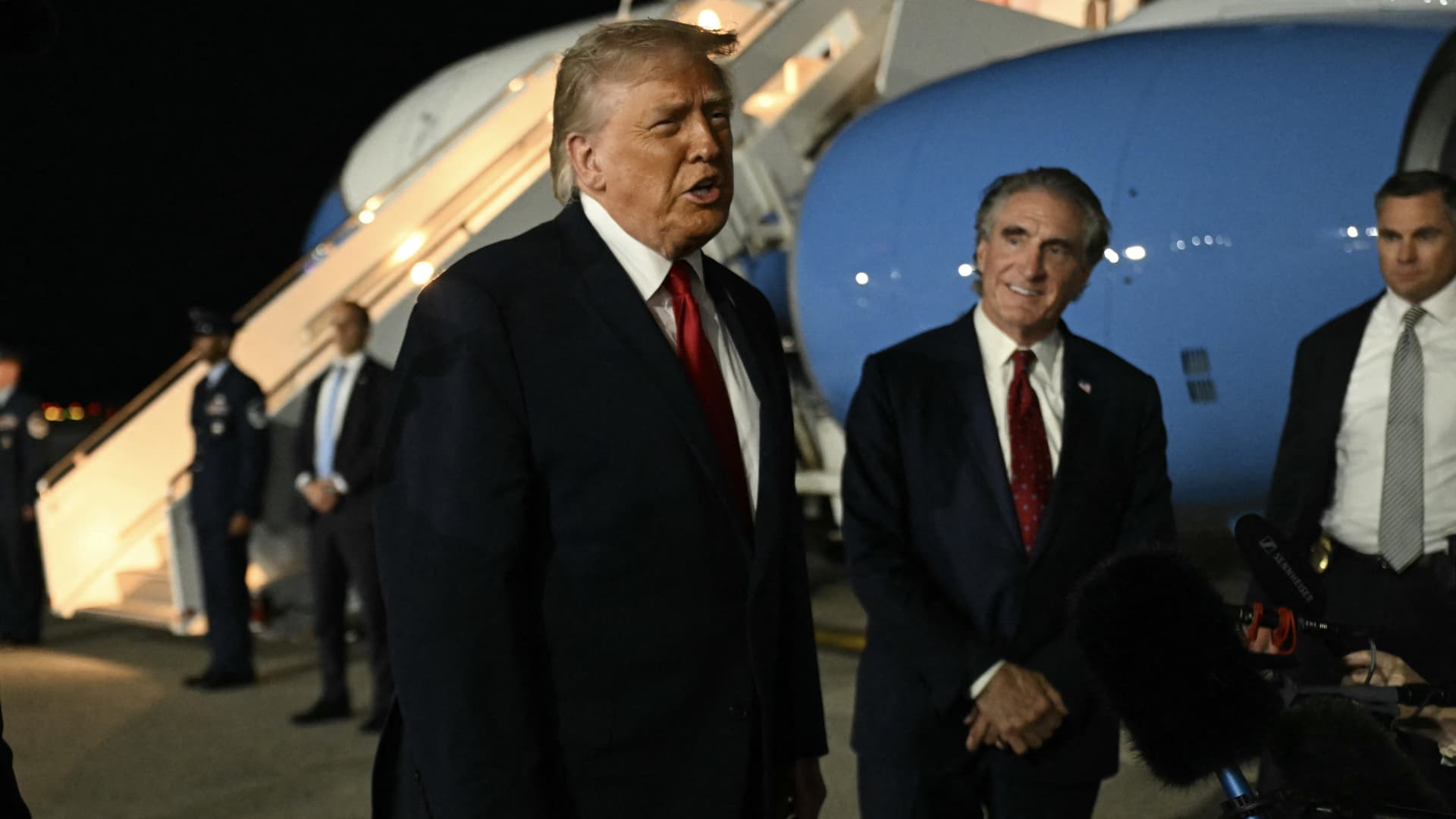
Crude oil futures traded lower on Friday morning after US President Donald Trump said that a peace deal with Iran could be reached soon.At 9.16 am on Friday, August Brent oil futures were at $89.10, down by 1.42 per cent, and July crude oil futures on WTI (West Texas Intermediate) were at $86.57, down by 1.30 per cent. June crude oil futures were trading at ₹8,256 on Multi Commodity Exchange (MCX) during the initial hour of trading on Friday against the previous close of ₹8,344, down by 1.05 per cent, and July futures were trading at ₹8,142 against the previous close of ₹8,240, down by 1.19 per cent.In a post on the social media platform Truth Social, Trump said: “Based on the fact that discussions with the Islamic Republic of Iran have been brought to the highest level of Iranian leadership and approved, I have, as President of the United States of America, cancelled the scheduled strikes and bombings against Iran this evening. Discussions and final points have been, in both concept and great detail, approved by all parties involved, including the United States, Israel, Saudi Arabia, UAE, Qatar, Turkey, Pakistan, Bahrain, Kuwait, Jordan, Egypt, and others. The Naval Blockade will remain in full force and effect until this Transaction is finalized — Time and place of the signing to be announced shortly.”In their Commodities Feed for Friday, Warren Patterson, Head of Commodities Strategy of ING Think, and Ewa Manthey, Commodities Strategist, said Trump has said many times before that a deal is very close, only for hostilities to resume. However, there does appear to be more positive noise around the deal this time, not just from the US but also from other parties involved in the negotiations. Obviously, the key is the message coming out of Tehran. And for now, it has been very quiet. “Therefore, we would be cautious about assuming that the extension of the ceasefire is a done deal. Even if it is, it could be fragile. And clearly, if nuclear talks do not progress, it could very easily fall apart,” they said.Stating that the price action in oil markets is no surprise, they said Brent fell below $90 a barrel on the latest developments. The relatively benign price action in recent weeks masks the scale of the supply disruptions from the Persian Gulf. However, in the absence of a deal, this is unlikely to last. “We believe the market reaches an inflection point in late July if we do not see oil flows resuming before then. This is when inventory levels and seasonally stronger demand push prices significantly higher towards $120-130 a barrel,” they said.On OPEC’s monthly oil market report, they said the group’s production continued to decline in May, with output falling 177,000 barrels a day month-on-month to 18.8 million barrels a day. Iran saw the biggest decline, falling 546,000 barrels a day, as the US blockade puts pressure on its oil industry. This large decline was offset by signs of supply increases from other Persian Gulf producers, which ties in with recent reports that more oil is flowing through the Strait of Hormuz.Saudi output increased 157,000 barrels a day month-on-month, while the UAE and Iraq increased output by 87,000 barrels a day and 75,000 barrels a day month-on-month, respectively.OPEC remains fairly constructive on global oil demand, expecting it to grow just shy of 1 million barrels a day year-on-year in 2026. This is down from a previous forecast of 1.17 million barrels a day year-on-year, though. Most other agencies forecast a contraction in demand this year amid supply disruptions in West Asia, they said.Published on June 12, 2026