The US and Iran have been hammering out a draft memorandum of understanding that would establish a 60-day ceasefire, reopen one of the world’s most critical oil chokepoints, and begin the process of lifting sanctions on Iranian crude exports. It’s the most substantive diplomatic framework between the two countries since the 2015 nuclear deal, and it comes after months of military escalation that made the prospect of talks seem remote.
Here’s the thing: Iran’s ballistic missile program, the issue that arguably matters most to Washington’s regional allies, is nowhere in the document. Neither are Iran’s proxy militias. Both sides have made it clear those topics are not on the agenda.
What’s actually in the deal
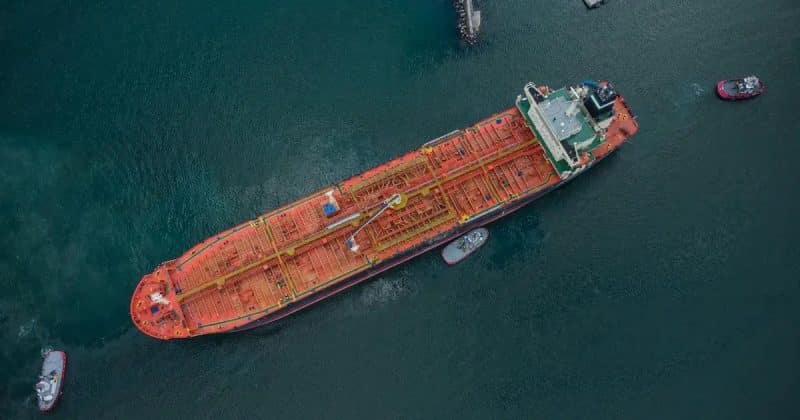
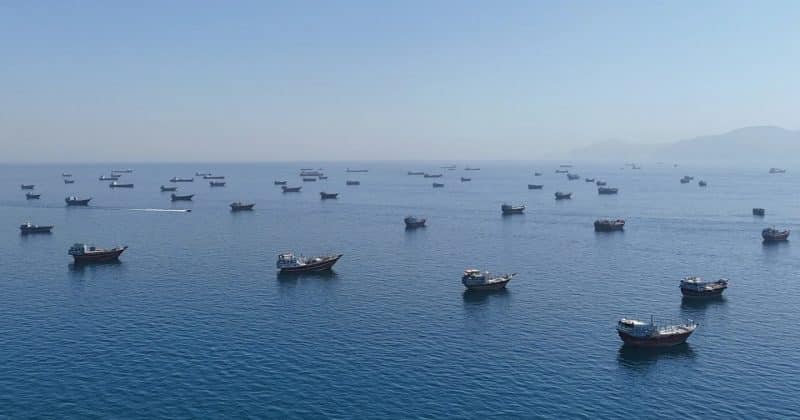
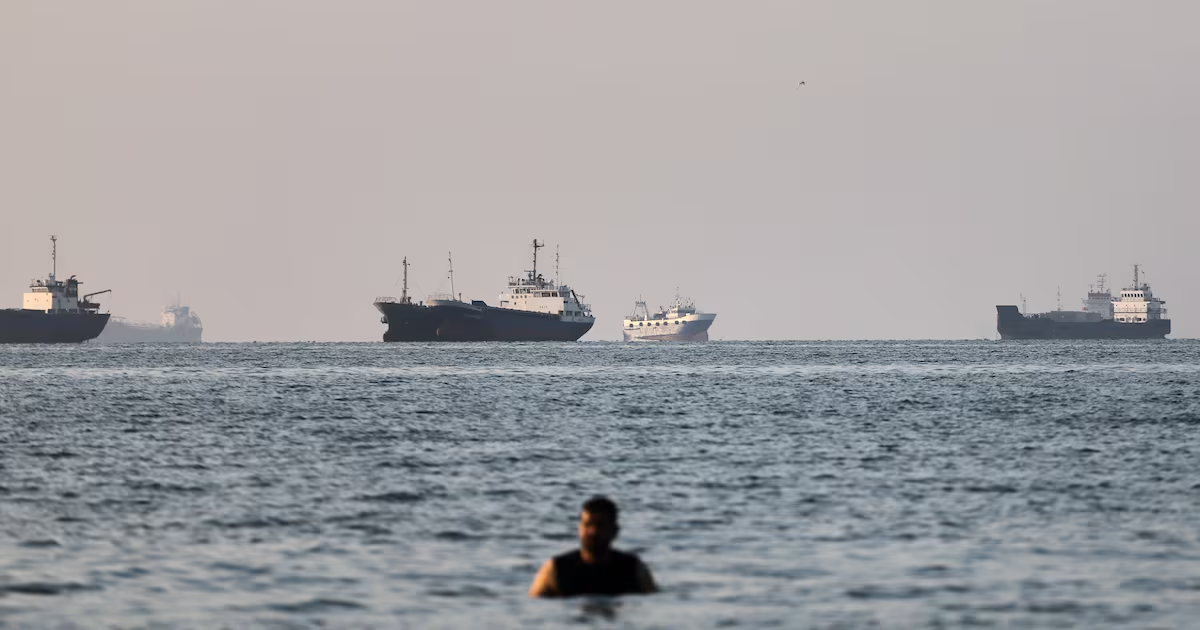
The immediate provisions center on three things. First, a 60-day ceasefire that would pause the military tensions that have defined the relationship since late 2025. Second, reopening the Strait of Hormuz, through which roughly a fifth of the world’s oil supply passes daily. Third, initial sanctions relief designed to let Iranian oil flow back into global markets.
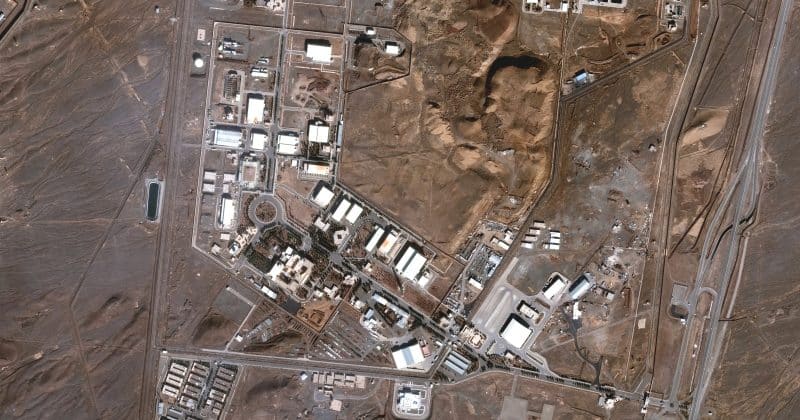
The broader nuclear questions, including uranium enrichment limits, remain punted to future negotiations. The US has pushed for zero enrichment or extremely strict limitations. Iran has countered with a proposal for time-bound enrichment suspension, essentially offering to pause rather than permanently dismantle its capabilities.