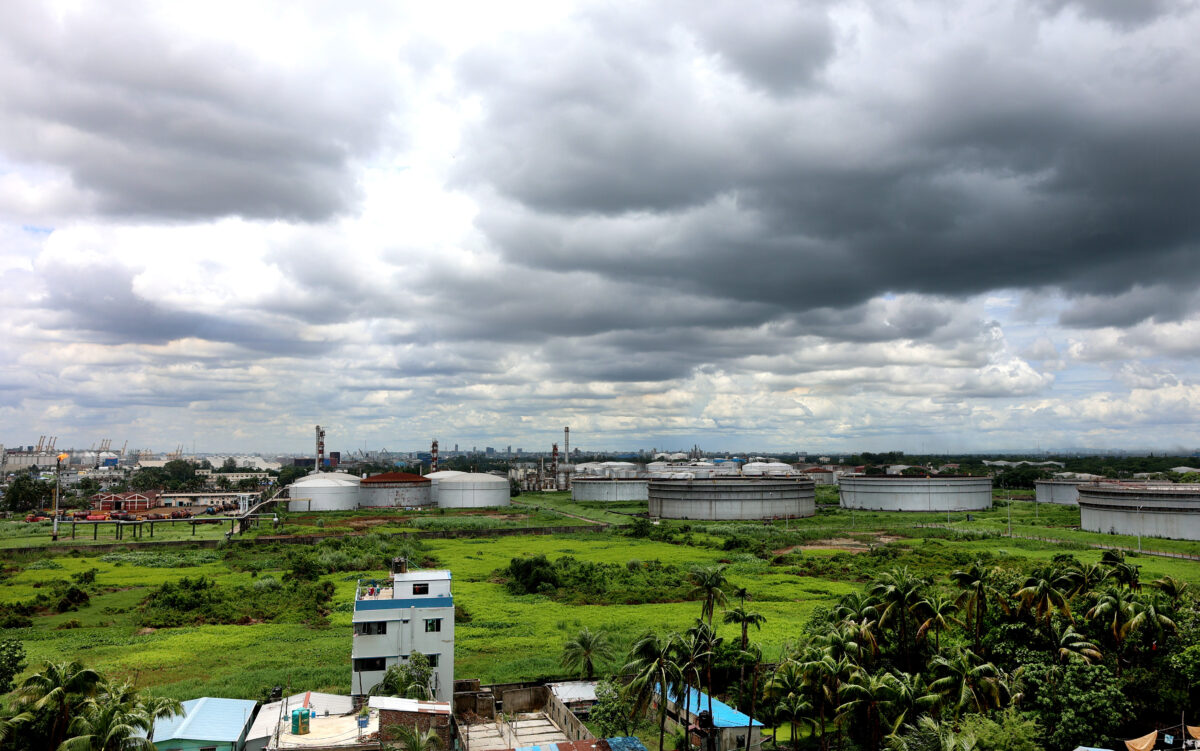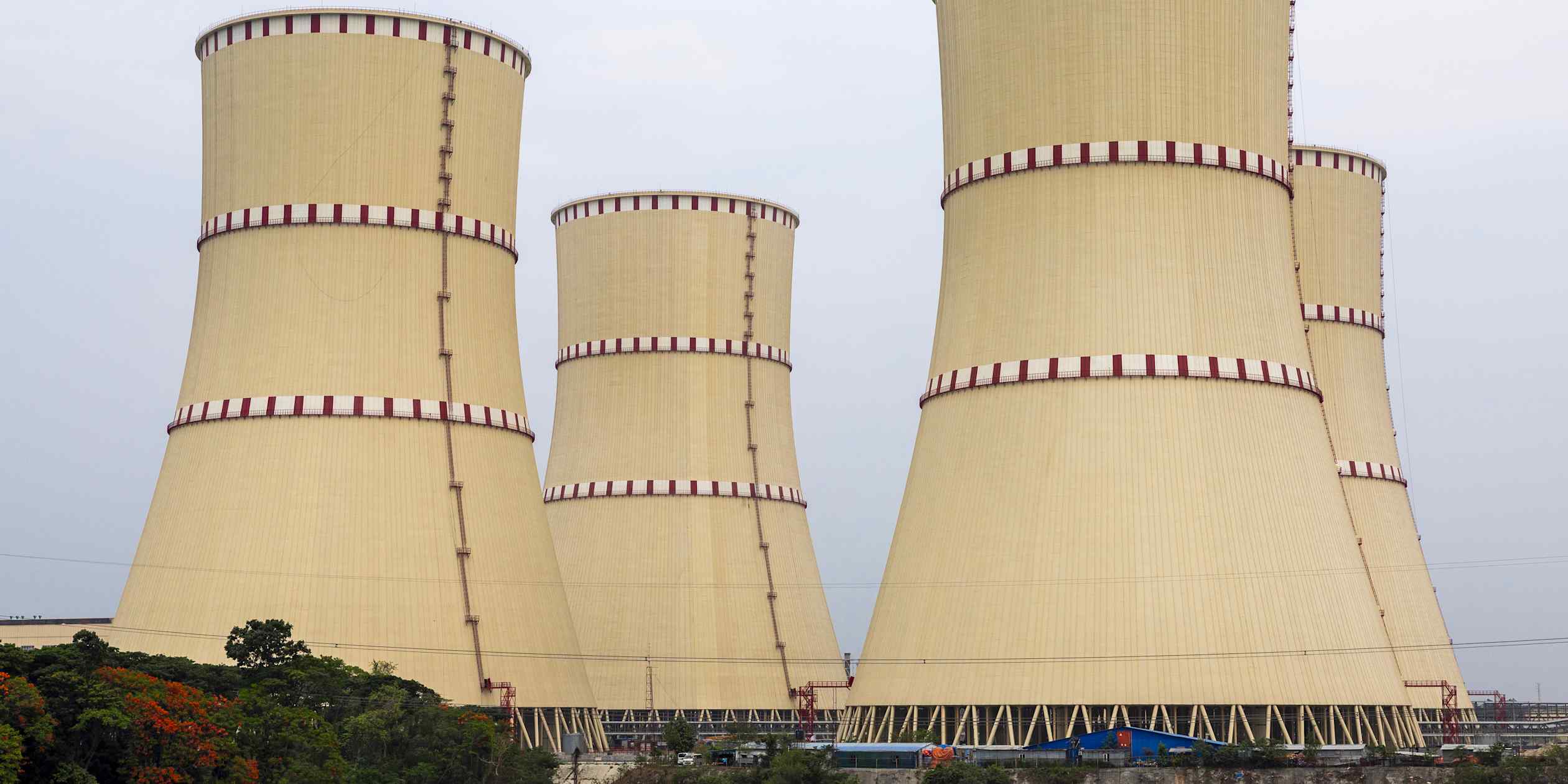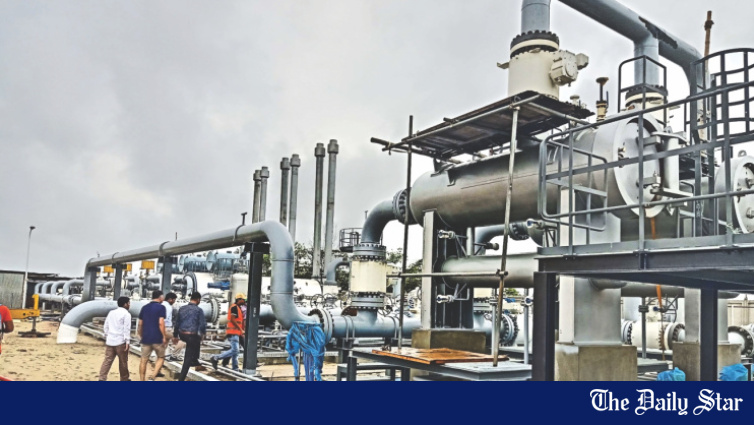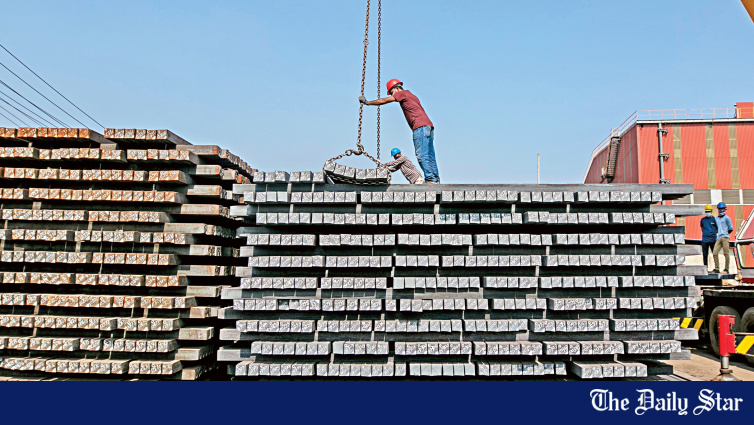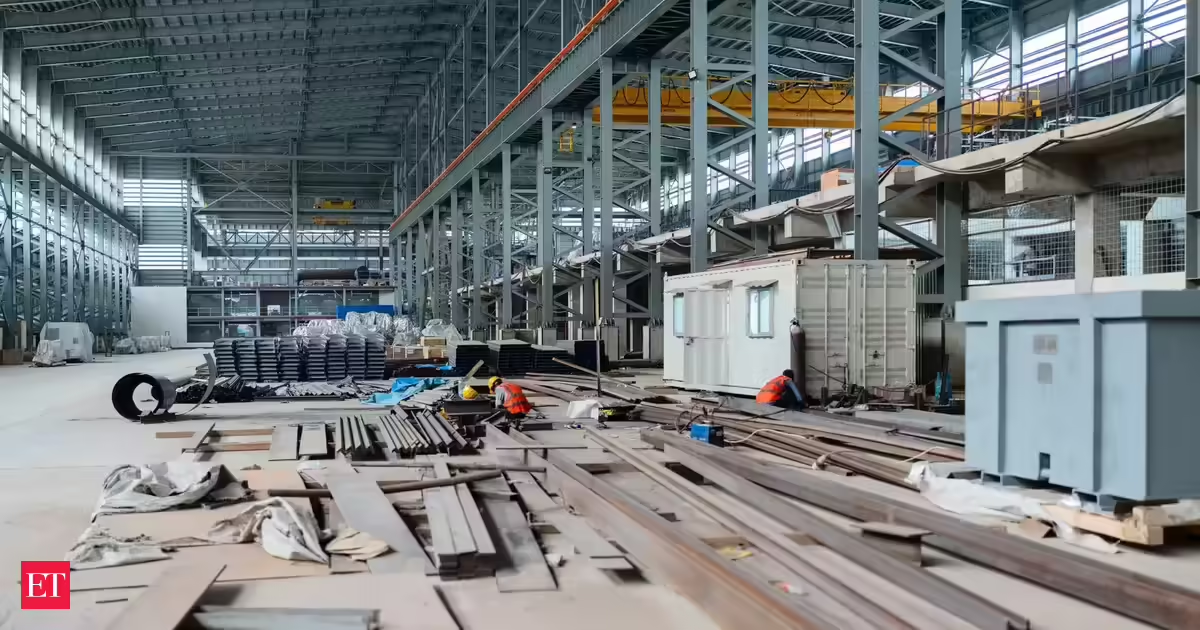
Inside a new Bangladeshi glass factory with a production floor nearly twice the size of a soccer field, machinery sits wrapped in tarpaulins. At a neighboring steel mill, construction has slowed and production has yet to begin.The facilities, at a sprawling complex near Dhaka, were supposed to symbolize Bangladesh’s economic boom and shift to heavy industry, all built on plentiful liquefied natural gas. Instead, they’ve become a stark illustration of how a shortage of energy is threatening the country’s growth, just as a new democratically elected government led by Prime Minister Tarique Rahman tries to turn the country’s fortunes around.Equipment and machinery sit idle inside a Meghna Group of Industries factory in Cumilla Economic Zone in Bangladesh, on June 8.Meghna Group of Industries, one of Bangladesh’s biggest conglomerates, built the facilities after receiving government assurances that natural gas would be available and affordable, Chairman Mostafa Kamal said in an interview in Dhaka. The two projects, along with an aluminum factory, in the Cumilla economic zone represent nearly $750 million of investment that remains stranded as the promised fuel supplies fail to materialize.“These plants could have begun production by now if they had energy supplies,” Kamal said at his office in an upmarket Dhaka neighborhood. “The war in Middle East has impacted almost every country on earth, but for an under-developed country like Bangladesh its impact has been painful, unbearable.” With the conflict now in its fourth month, Bangladesh, along with its South Asian neighbors Pakistan and India, has emerged as one of the countries hardest hit due to its heavy dependence on energy from the Persian Gulf, particularly gas. Natural gas accounts for around two-thirds of Bangladesh’s electricity mix, according to clean energy think tank Ember. And some three-quarters of the country’s liquefied natural gas imports come from Qatar, a report by Zero Carbon Analytics shows, fuel that’s now trapped behind a blockaded Strait of Hormuz.To makeup for the shortfall of gas bought under long-term contracts, Bangladesh has accelerated purchases of shipments from the spot market — paying roughly double than it normally would — to make sure it has enough power for households and feedstock for fertilizer plants.The country hasn’t, however, been able to avoid power rationing and blackouts. Bangladesh has prioritized gas supplies to power generation, helping to avoid major power cuts in Dhaka, but lengthy outages are common in the countryside.Two gas-fired power plants are offline due to fuel shortages, Power, Energy and Mineral Resources Minister Iqbal Hassan Mahmood told parliament on Sunday, according to local media. There is enough generation to meet the country’s demand, but there will be occasional interruptions due to limitations in fuel supply, he said. Test-produced aluminum billets at a Meghna Group factory in Cumilla Economic Zone in Bangladesh, on June 8.In a crowded area of Dhaka, the headquarters of PRAN-RFL Group, another corporate heavyweight in the country with businesses spanning consumer appliances, food and plastics, is another exemplar of the energy crisis. The building uses lights only sparingly, making use of the daylight seeping through its glass windows. In an open plan office, where staff sit in rows working on laptops, Chairman Ahsan Khan Chowdhury, says the crisis is set to accelerate efforts to achieve energy security in the country. PRAN is focusing on energy efficiency and is also planning to expand its solar capacity more than fivefold to 200 megawatts, reducing its dependence on gas-fired electricity substantially.“Today, when I see my rooftops, I see the space is 70% empty,” Chowdhury said. “I ask my people why we can’t have every millimeter of our rooftop space covered with solar panels.”Meghna Group is also slapping panels on its rooftop space and has plans to expand those efforts. The move illustrates how higher fossil fuel bills are kickstarting a push to add more renewables, similar to a boom in Pakistan earlier this decade after Russia’s invasion of Ukraine sent gas prices skyrocketing and the government hiked utility bills.Solar panels on the rooftop of a Meghna Group factory building in Meghna Ghat, Bangladesh on Jun. 8.But renewables can only cover so much demand, which is why there has been a fresh push to tap domestic gas resources discovered in the Bhola field, in the south of Bangladesh. The biggest hurdle for that project, however, is a lack of pipeline infrastructure.“Industry should move closer to the Bhola gas field to help reduce cost of transmission,” said Chowdhury, who is also on a panel advising the government on private sector issues. PRAN has even bought land near the site to set up a ceramics plant, he said.At the moment though, just keeping the lights on is a bigger priority for the government. It hiked the average retail power rate by 17% last week, and authorities have announced austerity measures including shutting shops and malls in Dhaka earlier than usual. Inflation, meanwhile, surged to a 16-month high in May. The deteriorating conditions are filtering down to businesses on the streets of Dhaka. For Habibur Rahman, who sells ice creams and confectioneries at a corner shop, the increase in power prices is a straight hit to his profits. His prepaid electricity card that used to last a week, now runs out in about five days, he said.“Every item I sell has prices marked on them. There’s no way to pass on the additional energy cost,” Rahman said.
Iran war puts Bangladesh’s nascent industrial dreams at risk
Bangladesh's economic growth is threatened by an energy shortage, leaving new industrial facilities idle. The country faces painful impacts from the Middle East conflict, leading to increased energy costs and power rationing. Businesses are investing in renewables and exploring domestic gas, but immediate challenges persist.
TL;DRAI
Hormuz blockade cuts Bangladesh's Qatar LNG (75% of imports), idling $750M industrial plants as grid depends 67% on natural gas. Crisis accelerates solar and domestic Bhola development, reshaping energy security for South Asia's industrial strategy and investment.
889 words~4 min read