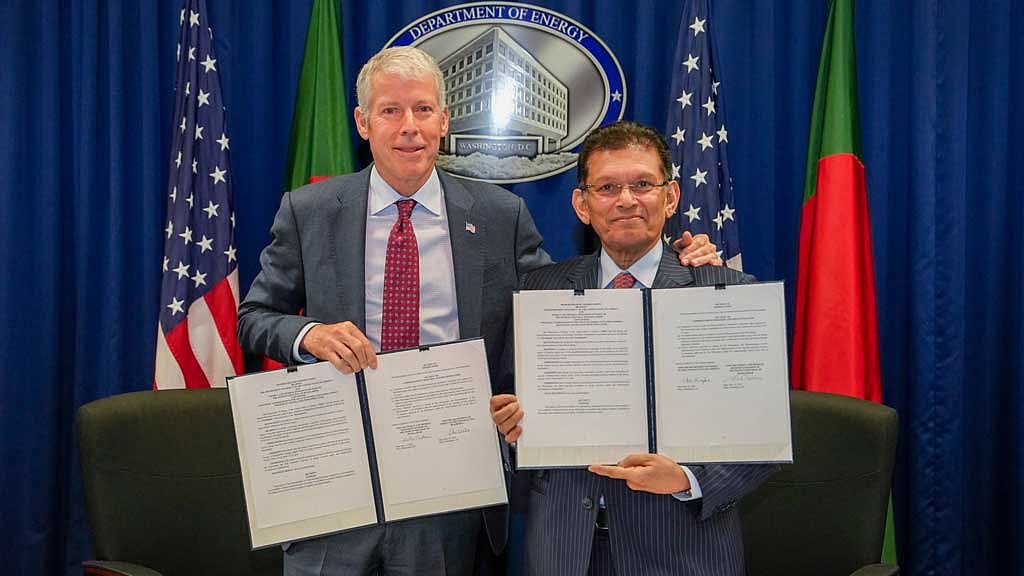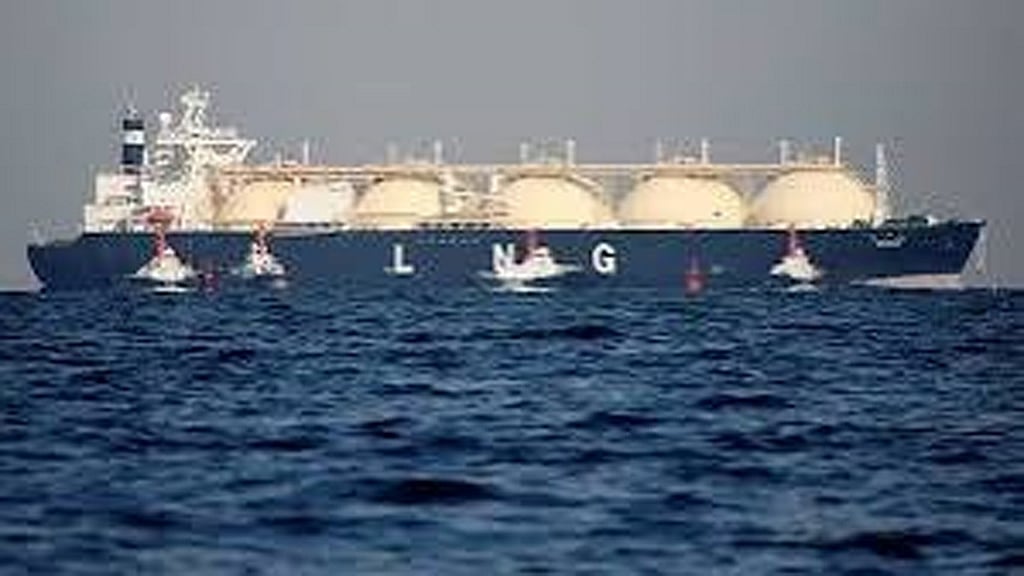
In February 2026, Bangladesh formalised a sweeping trade agreement with the United States, committing to purchase US$15 billion in liquefied natural gas (LNG) over 15 years — just weeks before Washington launched military action against Iran. The resulting disruptions in Gulf energy markets left Bangladesh paying elevated prices for rerouted US LNG, while limiting its diplomatic flexibility and transferring the economic consequences of the conflict onto its population.
Bangladesh is structurally vulnerable to international fossil fuel market disruptions. It imports approximately 95 per cent of its oil and fuel requirements. Its primary energy imports have also risen sharply, from 47.7 to 62.5 per cent of supply between 2020–21 and 2024–25. Any disruption in global fossil fuel markets immediately increases the fiscal burden. The February deal, layered on top of a 2023 LNG supply contract, deepened that reliance, concentrating Bangladesh’s energy security in one dominant supplier.
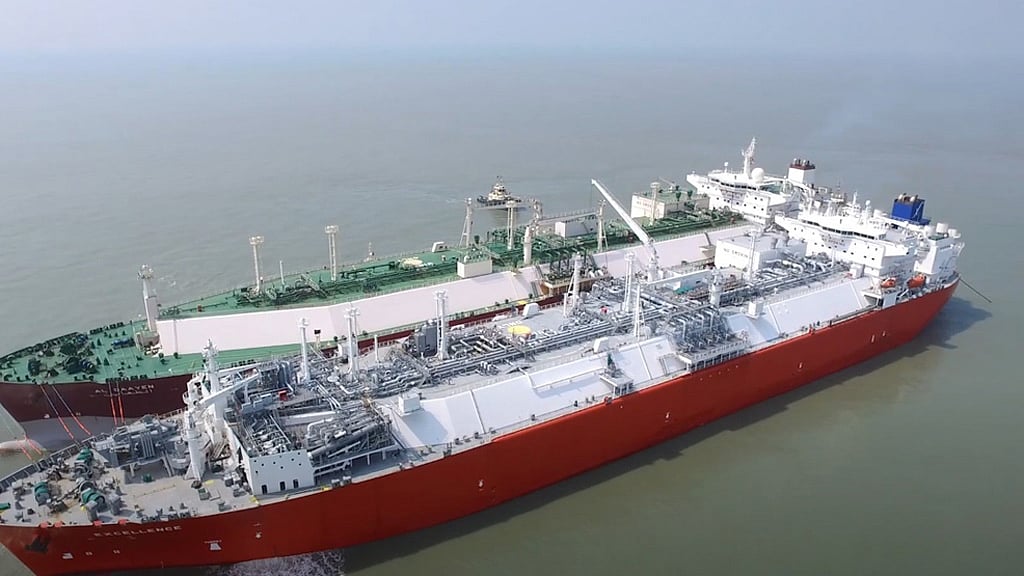
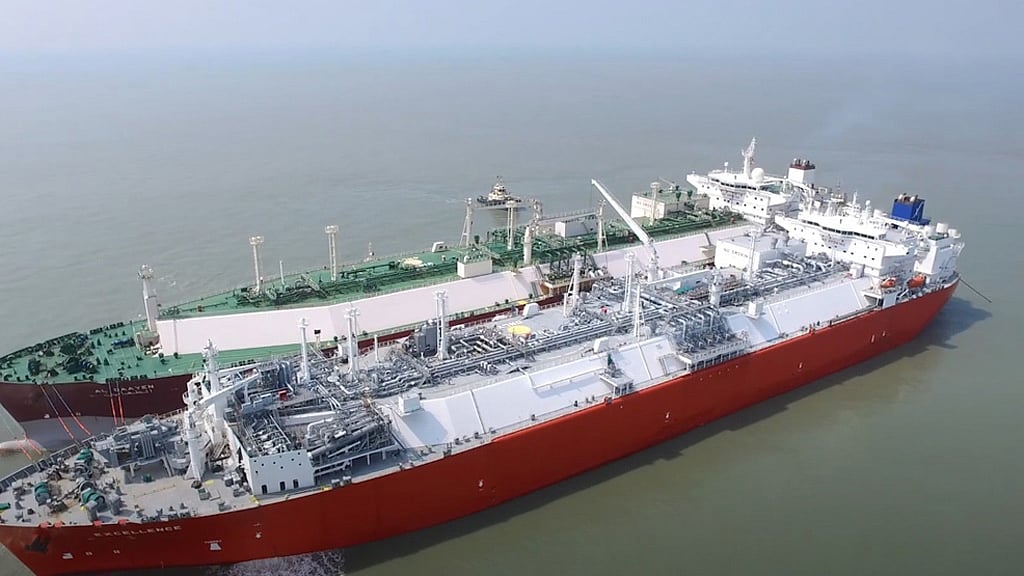
The economic consequences became apparent immediately. After Iranian attacks on energy infrastructure, QatarEnergy, one of Bangladesh’s three long-term LNG suppliers, suspended deliveries under force majeure. Its two other main suppliers, OQ Trading and Excelerate Energy, soon followed, leaving Bangladesh without any contracted LNG supply. Spot market prices surged from about US$10 per million metric British thermal units (MMBtu) in January to US$28.28 per MMBtu by mid-March. When the state-owned Petrobangla issued its first emergency tender on 1 March, it drew no bids, with traders deeming Bangladesh a high-risk market. Officials projected losing 40 of the 115 LNG cargoes scheduled for 2026.