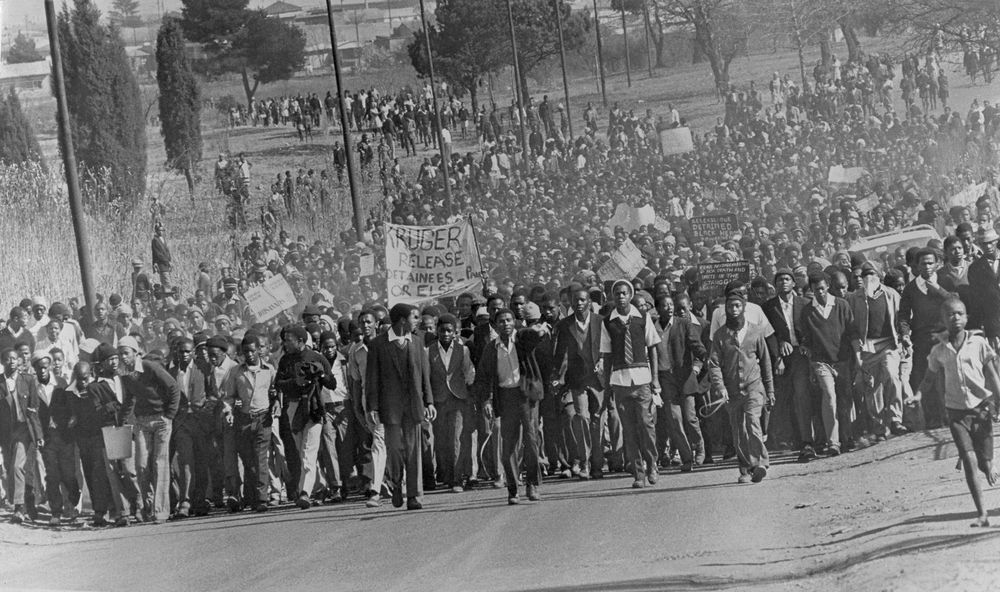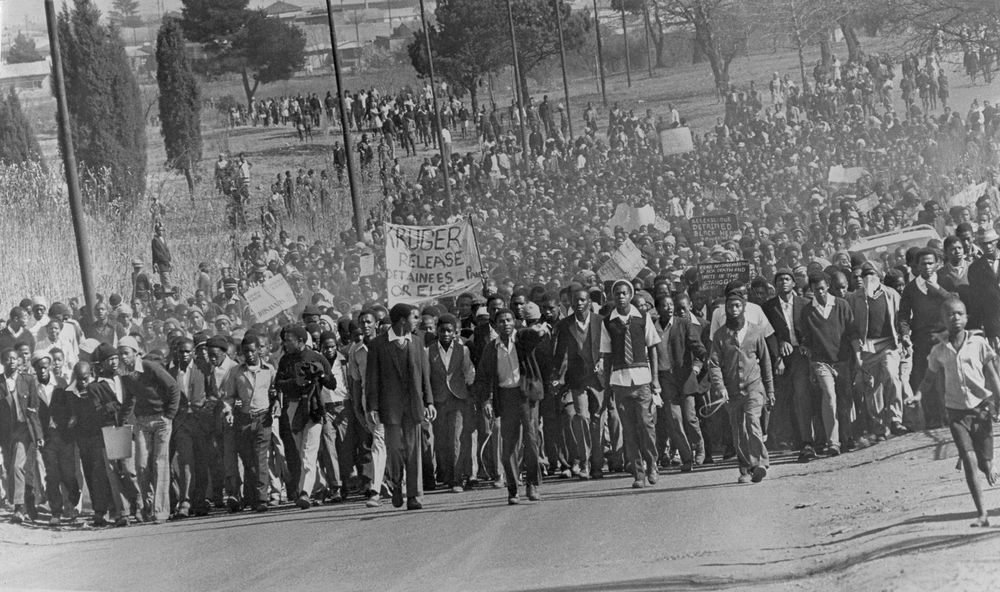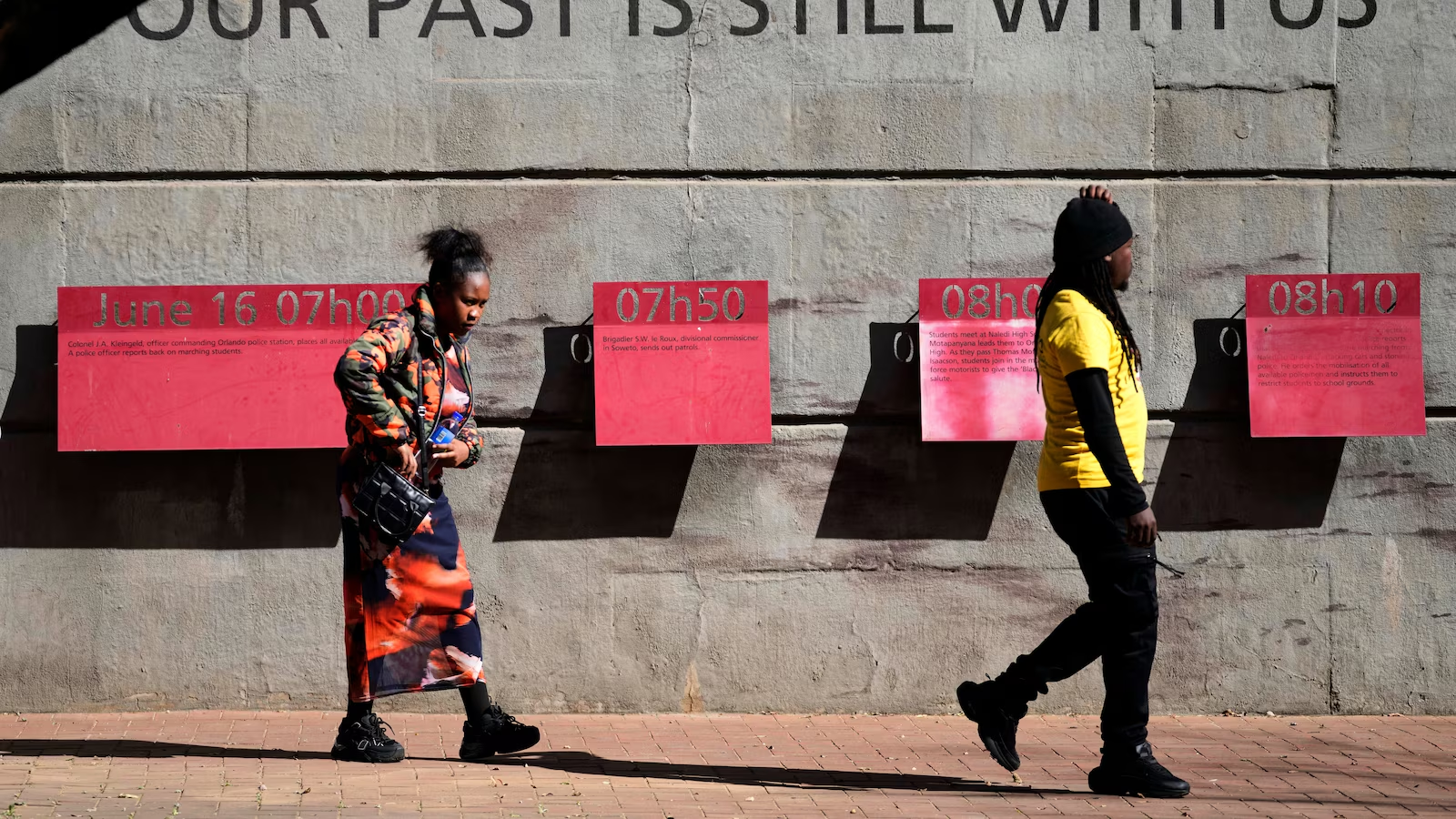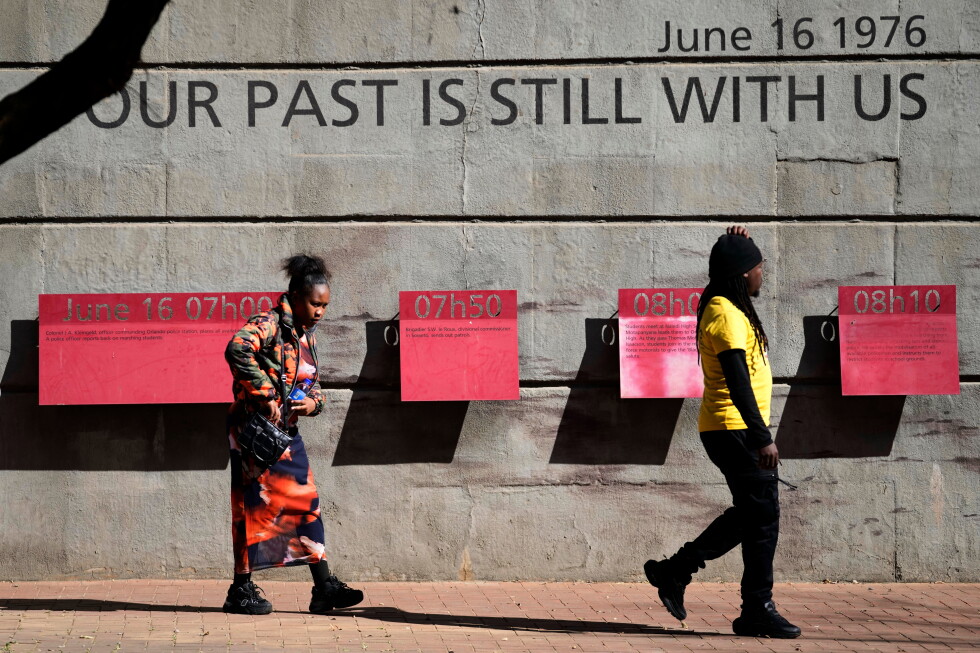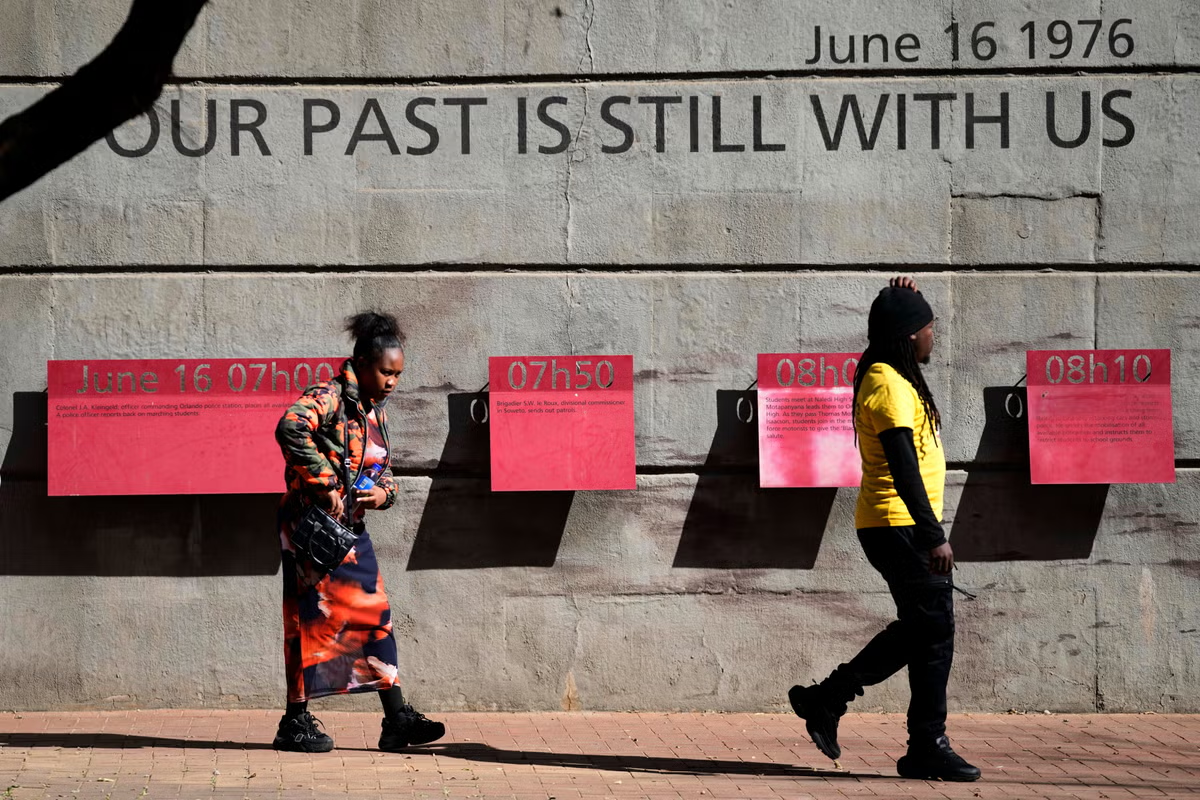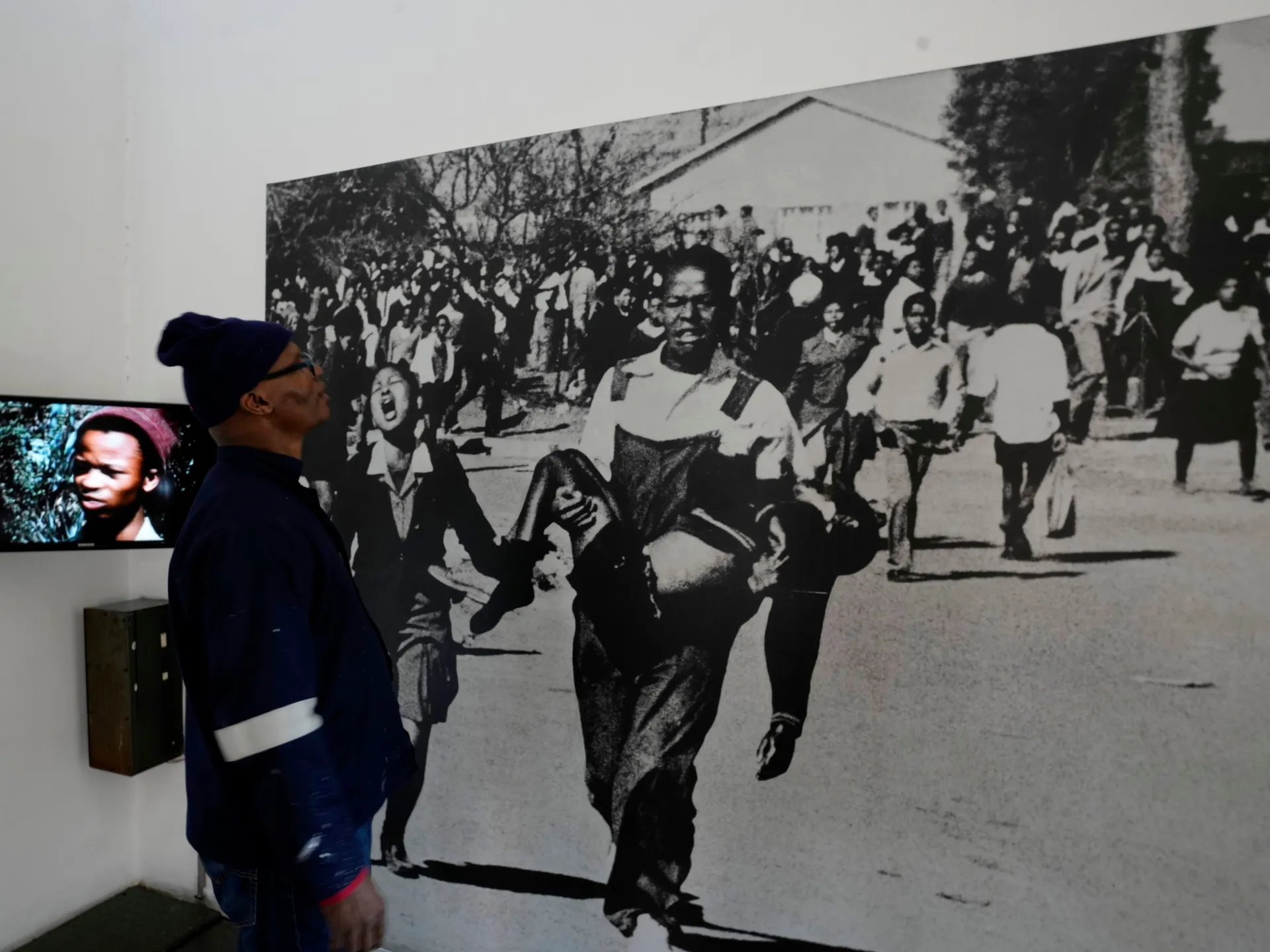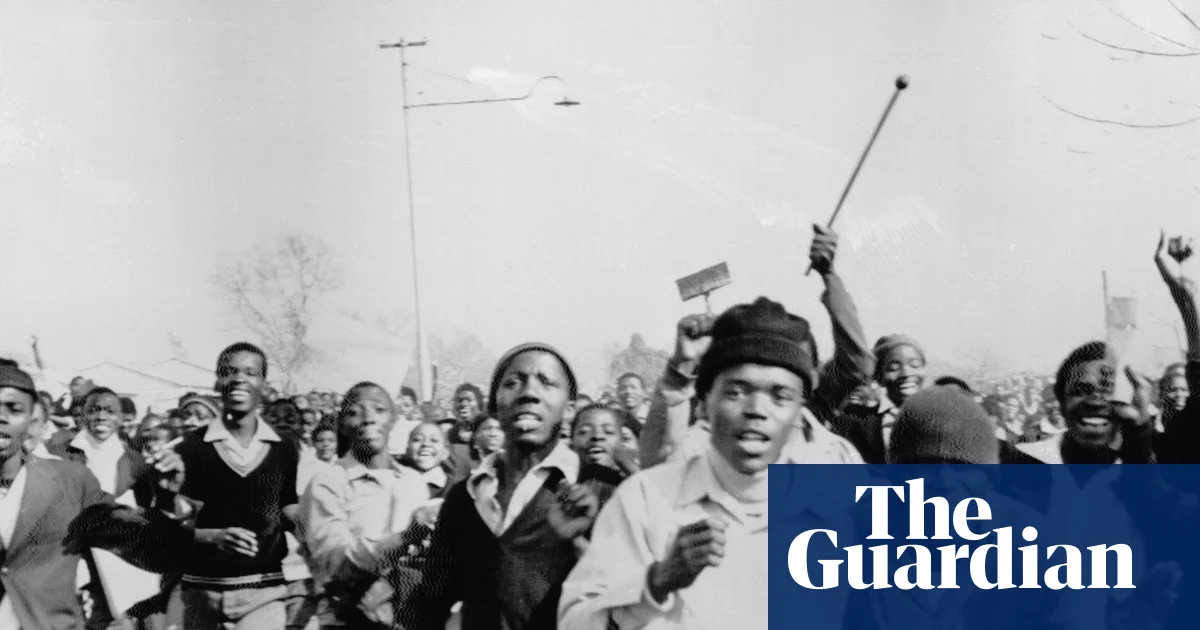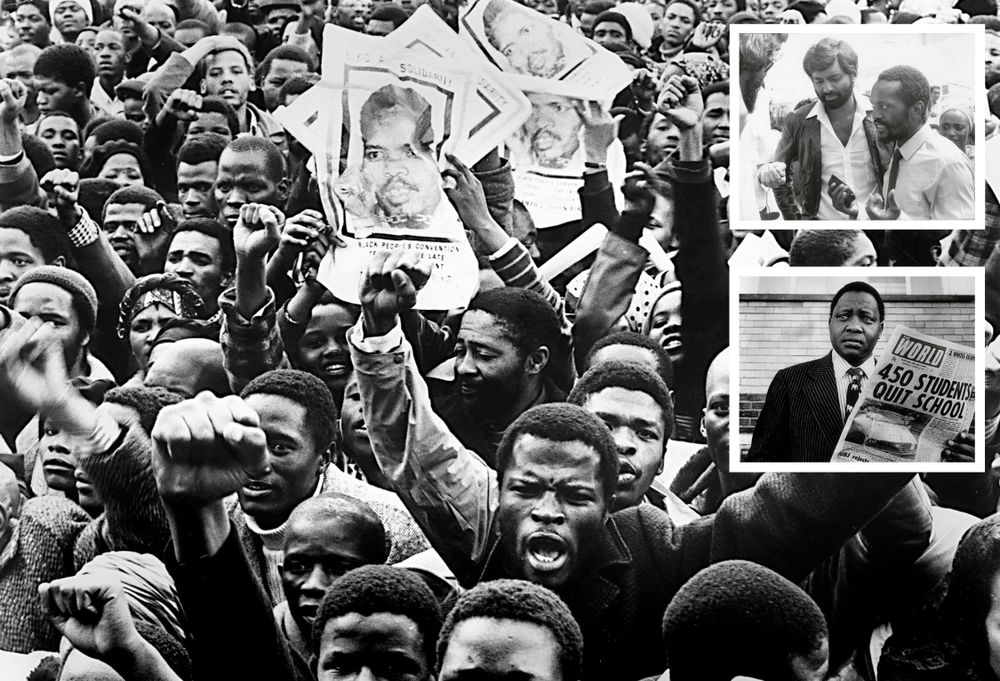
The BCM, founded by intellectuals like Steve Biko, championed the idea that self-worth is integral in the quest for liberation.
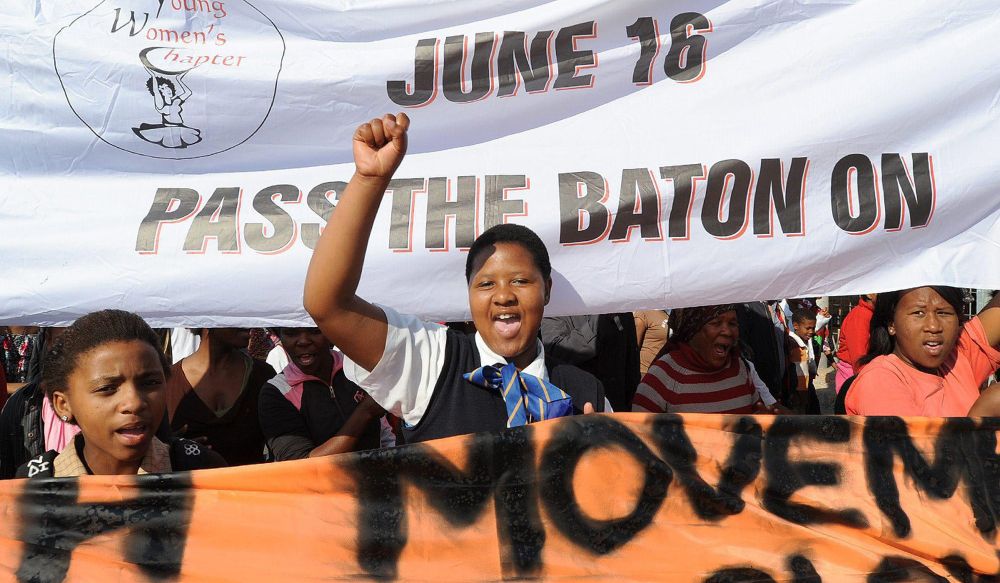
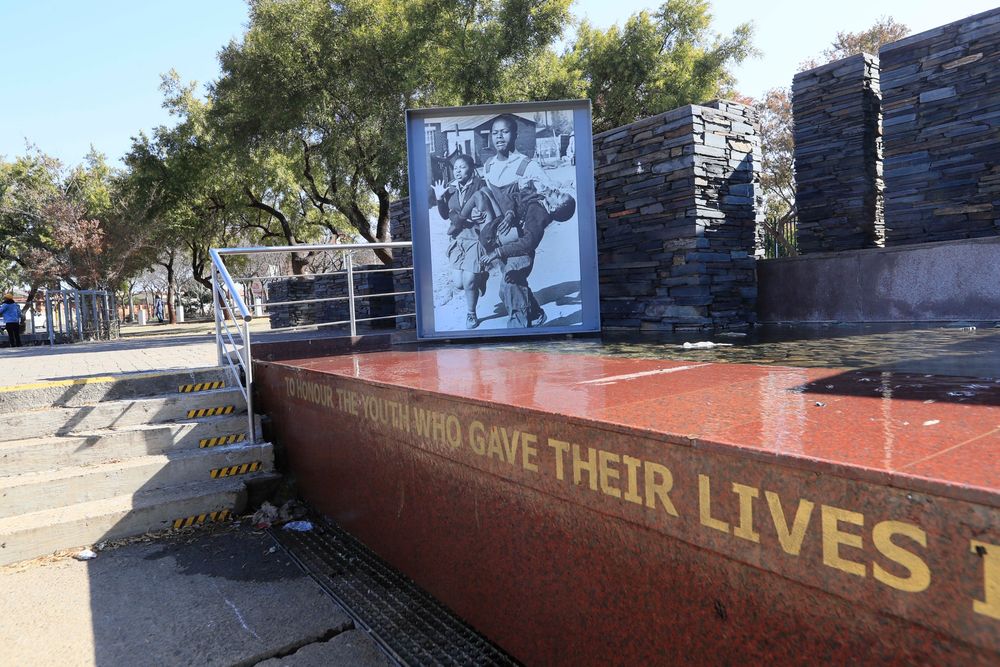
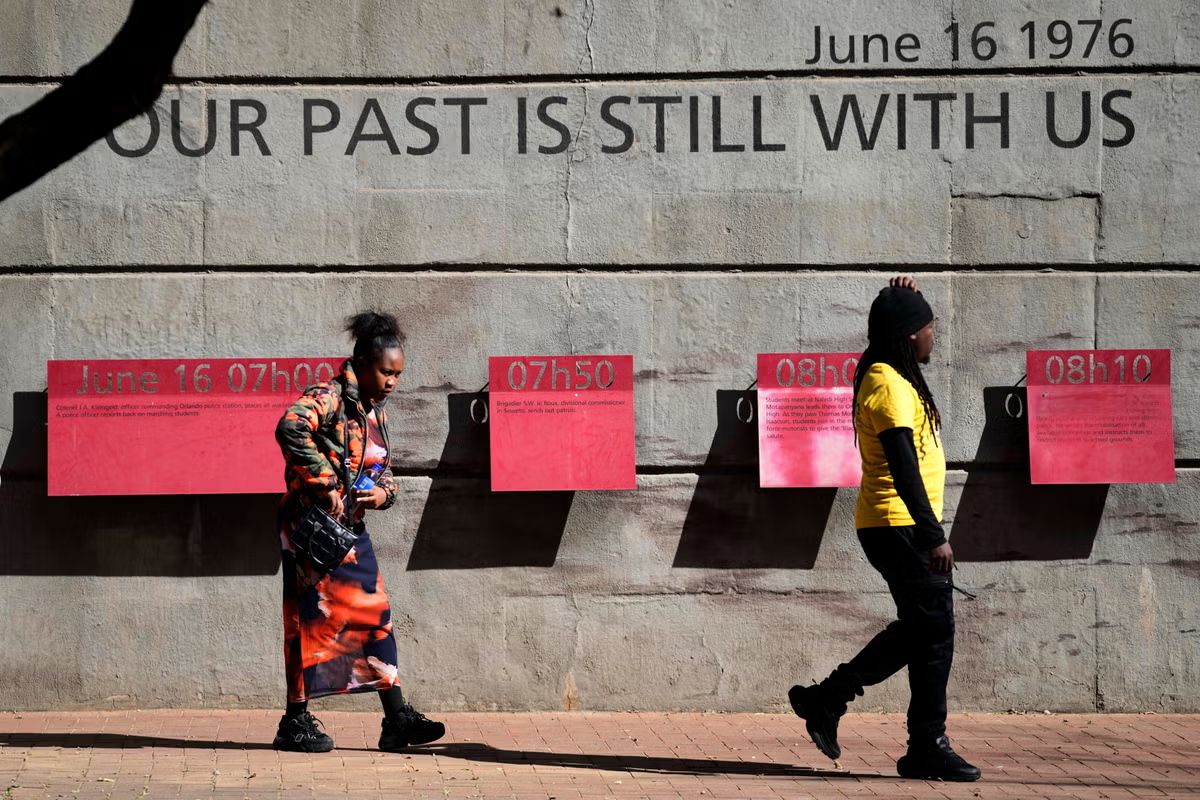
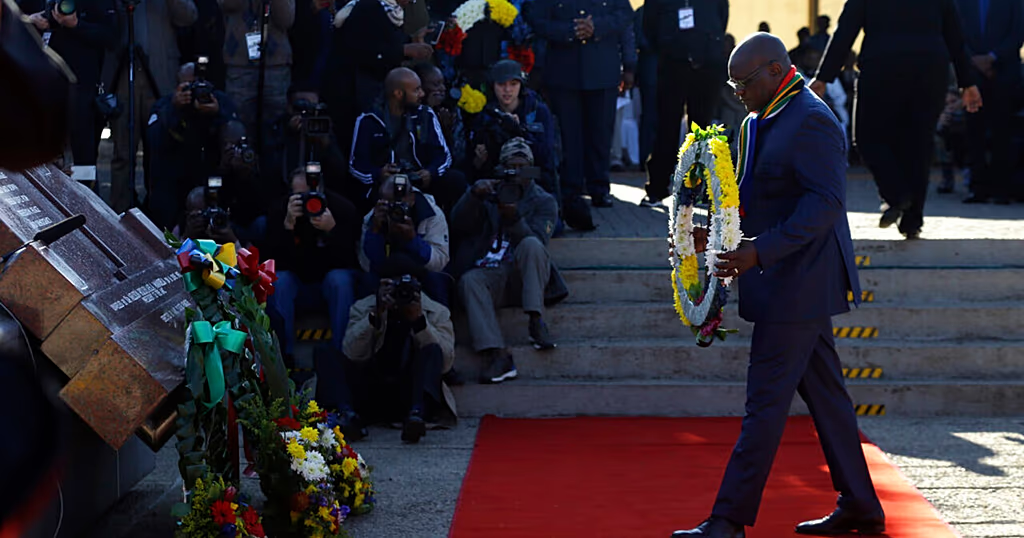
As South Africa prepares to commemorate the 50th anniversary of the Soweto uprising this June, the legacy of the Black Consciousness Movement (BCM) and the influence of Christian organisations in township schools emerge as vital cogs in the fight against apartheid.
This movement not only empowered the youth of the time but also set the stage for one of the most significant student-led protests in the nation's history.
When Afrikaans became compulsory as a medium of instruction in schools in 1974, the confluence of these two forces mobilised young South Africans who bravely stood against the oppressive system that sought to deny them their rights.
Students inspired by teachers of the time, belonging to the BCM, were initiated into fiery young activists through the formation of the South African Students Organisation (SASO) in 1968, crystallising what would become the biggest student-led uprisings, just eight years later.