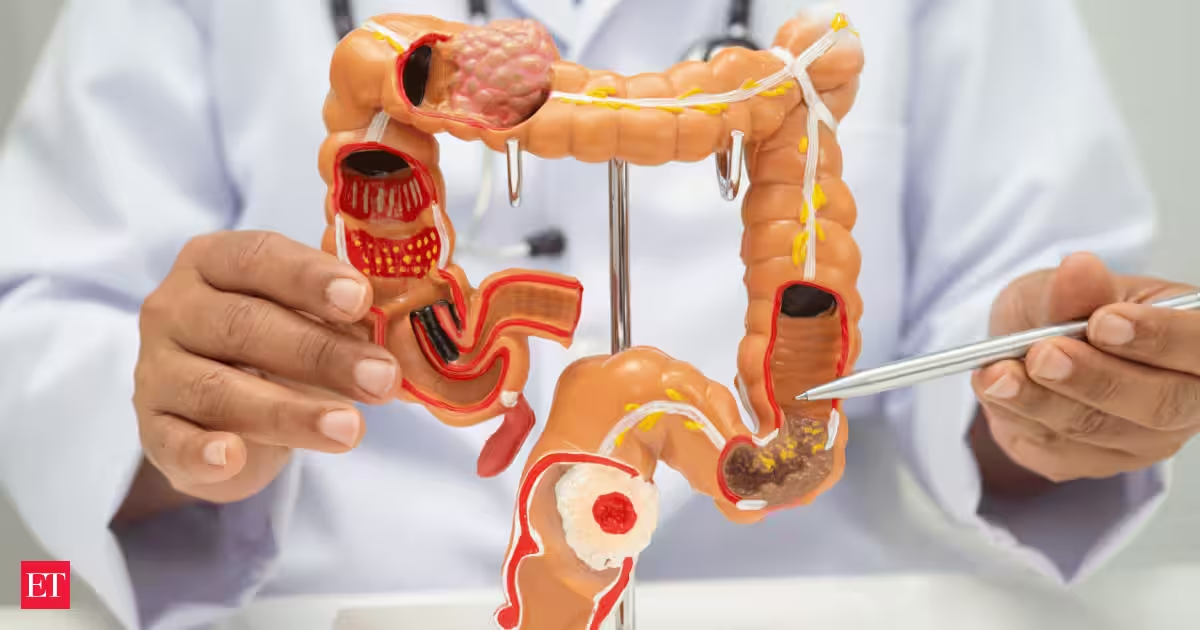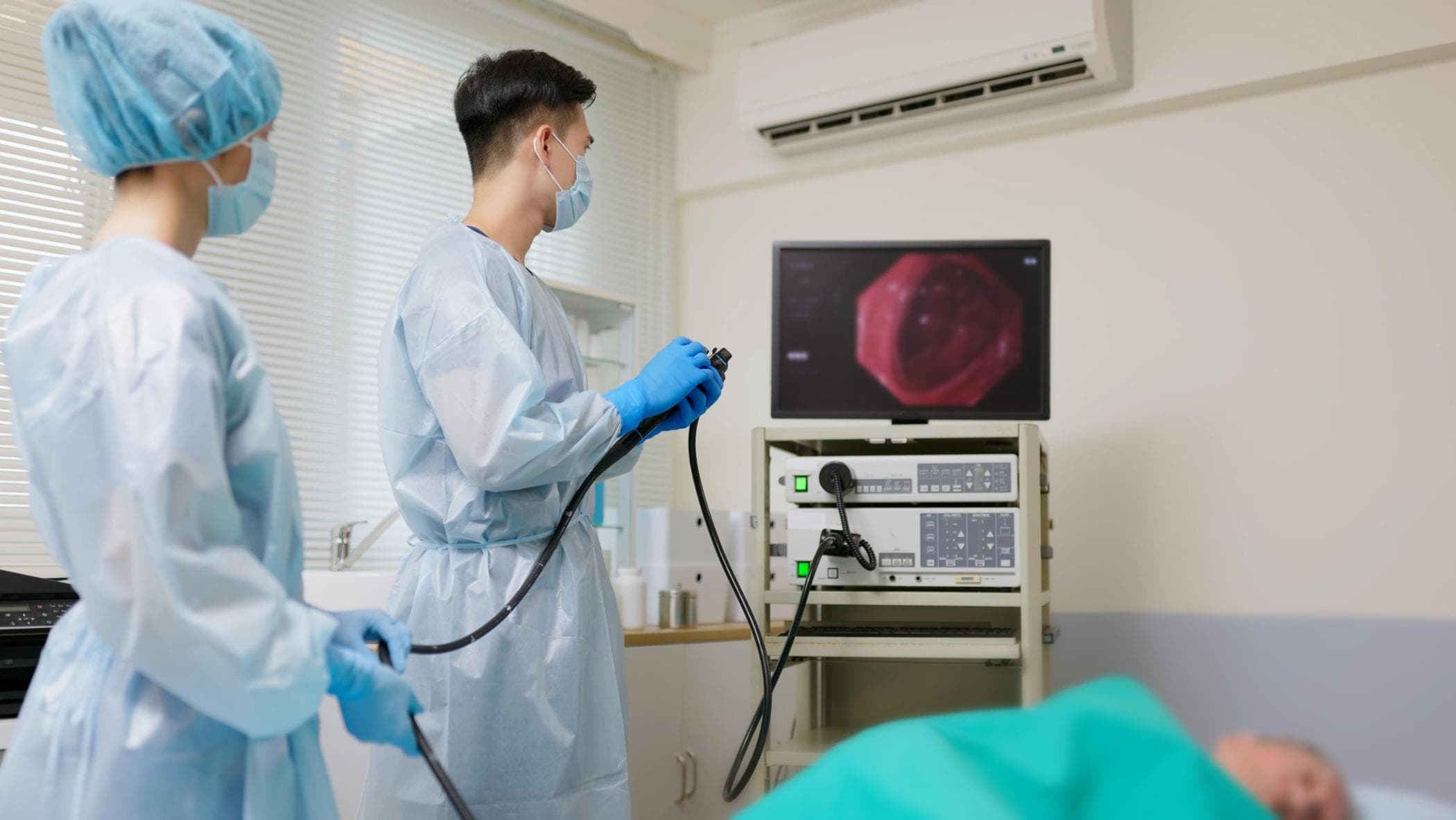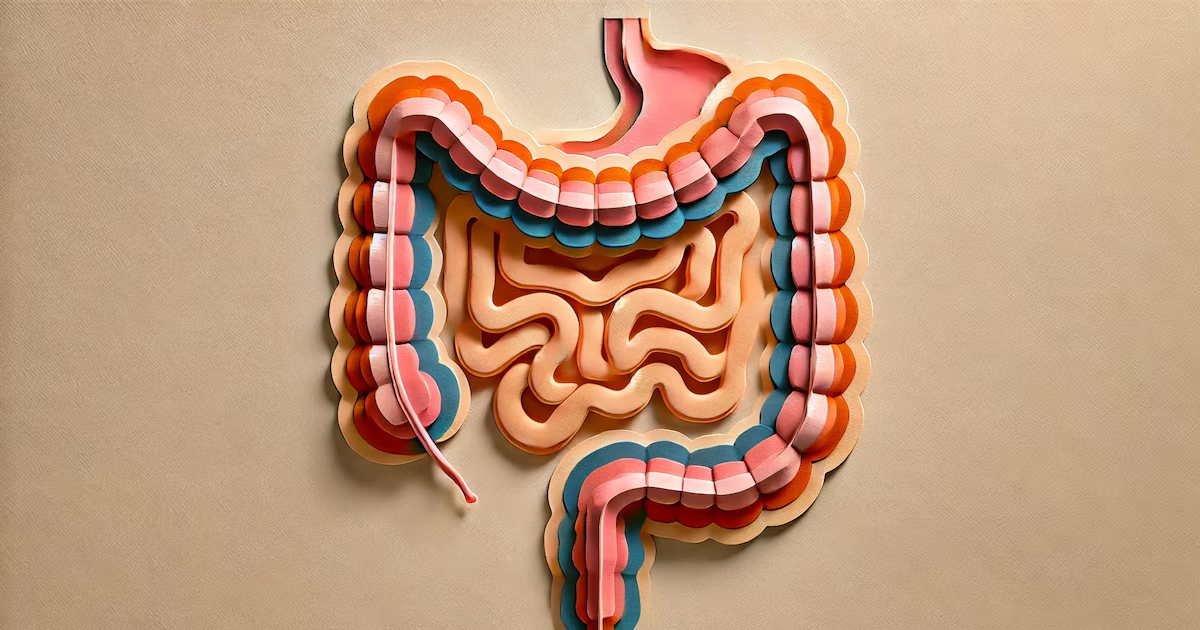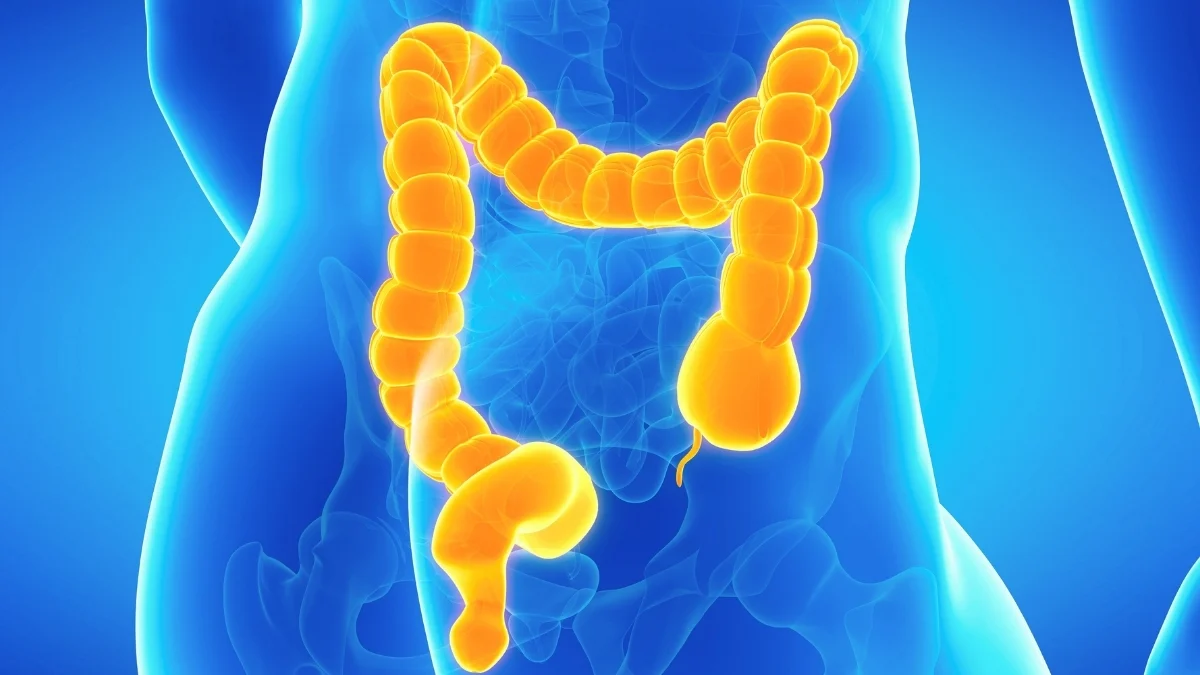
The colon is about one and a half meters long and plays a vital role in moving waste through the body. In rare cases, it can become so stretched that it begins to lose its ability to work properly, like an elastic band that has lost its spring.This is known as megacolon. Megacolon is not a single disease, but a term used to describe a colon that has become much wider than normal.The cause is important: some forms develop gradually, while others can become life-threatening within days.One form of megacolon develops before birth. In Hirschsprung disease, some babies are born without the nerve cells that normally help the lower part of the colon push stool through the bowel.Stool becomes trapped, and the section of bowel above the affected area begins to stretch.Babies with Hirschsprung disease may fail to pass their first stool within the usual time after birth. They can also develop a swollen abdomen, vomiting, constipation or feeding difficulties.The condition cannot currently be prevented because it develops while the baby is in the womb. Treatment usually involves surgery to remove the section of bowel without the normal nerve supply.Megacolon that develops later in lifeAnother form, known as acquired megacolon, develops later in life. Symptoms can include constipation, abdominal bloating, and pain.Chronic constipation, meaning constipation that persists over time, is common worldwide. It affects about one in ten adults on average, although estimates vary between countries and studies. The vast majority of people with constipation will never develop megacolon, however, which remains rare.The exact cause of acquired megacolon is still unclear. Research suggests that changes affecting the nerves and muscles of the bowel may interfere with the colon's ability to move stool normally.Some medications and neurological conditions have also been linked to acquired megacolon, although most people taking these medicines or living with these conditions will never develop it.Because the causes are not fully understood, there is no guaranteed way to prevent acquired megacolon.Treatment depends on the likely cause and the severity of the symptoms. Some people improve with dietary changes or medication. Others need specialist treatments, and surgery may be necessary in severe cases.Ogilvie syndromeA rapidly enlarged colon can also develop in people who are already seriously unwell. Acute colonic pseudo-obstruction, also known as Ogilvie syndrome, most often affects people in hospital after major surgery, infection, trauma or another serious illness.The bowel appears to be blocked, although there is no physical obstruction. Instead, the colon stops moving its contents along effectively.The abdomen can swell quickly. This becomes dangerous if the colon stretches so much that it loses its blood supply or tears.Doctors usually begin by treating the underlying trigger.They may correct dehydration or electrolyte imbalances, meaning abnormal levels of salts such as sodium or potassium in the blood. They may also stop medicines that slow the bowel and monitor the patient closely while the colon has a chance to recover.If this does not work, doctors may use a medicine called neostigmine to stimulate the bowel. They may also need to relieve the pressure by removing trapped gas from the colon. This can involve inserting a tube into the bowel during an endoscopic procedure using a flexible camera.Toxic megacolon: a medical emergencyToxic megacolon occurs when severe inflammation causes the colon to widen rapidly, and the person becomes seriously unwell.It is most often associated with ulcerative colitis, a form of inflammatory bowel disease in which the immune system mistakenly attacks the lining of the colon.Severe bowel infections can also cause toxic megacolon, including infections with Clostridioides difficile, usually known as C. diff.Clostridioides difficile is a bacterium that causes diarrhea and inflammation. (Science Photo Library/Canva)Symptoms can include fever, a fast heartbeat, severe abdominal pain, bloody diarrhea, dehydration, and a swollen abdomen. The greatest concern is that the bowel could tear, allowing bacteria to spread into the abdomen and bloodstream.Reducing the risk of toxic megacolon means treating the conditions that can cause it.For someone with inflammatory bowel disease, this includes seeking medical advice promptly if a flare-up worsens, particularly if they develop bloody diarrhea, fever, or abdominal swelling.Bowel infections also need prompt diagnosis and appropriate treatment.
This Rare Bowel Condition Can Make Constipation Dangerous
The colon is about one and a half meters long and plays a vital role in moving waste through the body.
TL;DRAI
**Articolo fuori scope**: questo pezzo è di medicina/salute (megacolon, colite ulcerosa), non ha rilevanza tech/AI/business. Non rientra nella linea editoriale di Warptech Tech News per manager IT italiani. Se l'hai caricato per errore, scartalo. Se invece c'è una connessione tech che mi sfugge (es. healthtech, medtech startup, AI diagnostic), condividi il contesto e rifaccio il riassunto.
892 words~4 min read