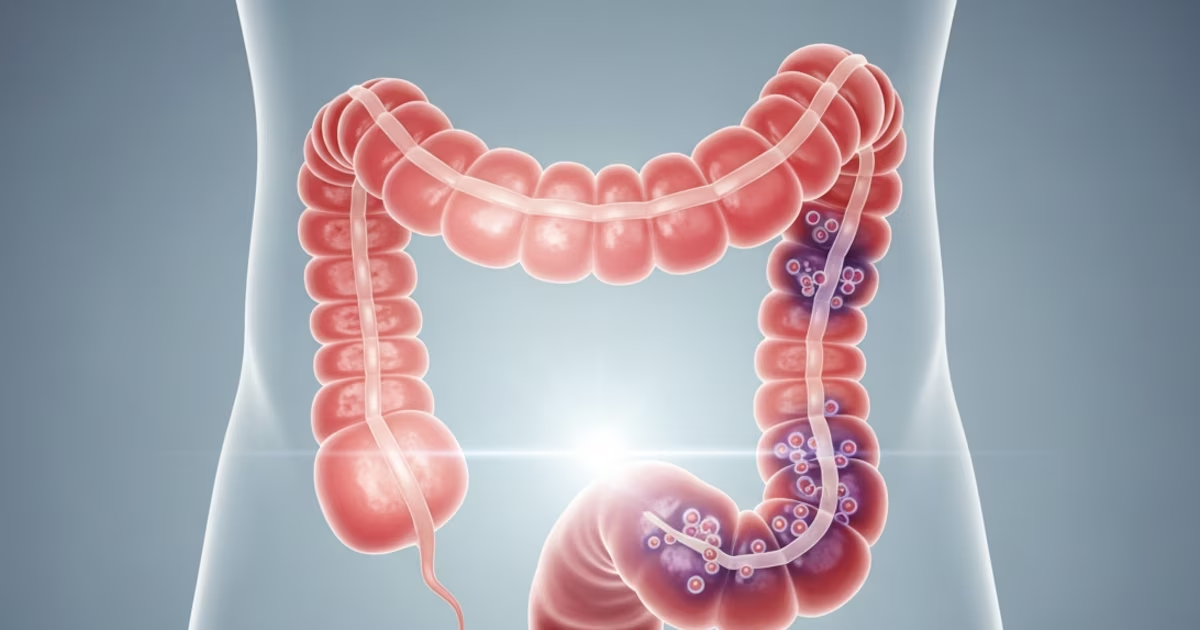
The statistics for colon cancer and rectal cancer — often combined and referred to as colorectal cancer — are both scary and important to know. For example, colon cancer is the fourth most common cancer in the U.S. and the second leading cause of cancer deaths. Additionally, colorectal cancer rates in young people are rising, nearly doubling since 1995.We also need to be especially conscientious because many signs of colorectal cancer — such as constipation, diarrhea and fatigue — are easily dismissed. You might assume they’re just another case of irritable bowel syndrome, a food sensitivity or an undercooked meal. All of this emphasizes the importance of knowing what symptoms can indicate colorectal cancer and identifying them ASAP. As a colorectal cancer doctor will tell you, prevention and early intervention are key. That can entail learning your family history, getting regular screenings and paying attention to symptoms. On that note, there’s a certain symptom doctors want to make sure you’re aware of: bowel incontinence. While it might feel embarrassing to talk about, we need to. Ahead, doctors explain the concerning sign, other common signs of colorectal cancer, and what prevention and treatment look like. After all, the more information you have, the better prepared you are.Bowel Incontinence As A Sign Of Colorectal CancerFor what it’s worth, this sign isn’t super common — and that can be a good thing and a bad thing.“Bowel leakage, also called fecal incontinence, is not something most patients with colorectal cancer experience, but it can occur, particularly with cancers involving the rectum,” said Dr. Jason B. Carter, a urologist and medical adviser with Aeroflow Urology who’s board-certified by the American Board of Urology.That’s a good reminder that even though a symptom isn’t common or necessarily listed on a website, it’s still an indication that seeing a doctor is crucial. There are several reasons colorectal cancer causes bowel leakage, according to Dr. Ketan Thanki, a board-certified colorectal surgeon who specializes in benign and malignant disease of the colon, rectum and anus with the MemorialCare Todd Cancer Institute at Long Beach Medical Center in California: Rectal cancer can decrease the rectum’s ability to sense and accommodate stool when it arrives.Rectal cancer can invade and weaken or disrupt nerve signals to the anal sphincter, decreasing your ability to hold in the stool.Colon and rectal cancers can secrete large amounts of mucus, which produces diarrhea, which is harder to hold in than solid stool.Colon and rectal cancer can cause a narrowing of the colon/rectum, in which solid stool can’t pass, and pressurized liquid stool is squeezed through and can cause unexpected leakage. It’s worth noting that this typically isn’t the first sign you’ll experience. “Most patients diagnosed with colon or rectal cancer present with other symptoms first, such as rectal bleeding, blood in the stool, changes in bowel habits, abdominal pain, unexplained weight loss, iron deficiency anemia or persistent fatigue,” Carter said. So, this symptom can indicate a more advanced cancer. “Unfortunately, fecal incontinence often presents later in the course of a colorectal cancer because obstruction usually develops once a cancerous lesion becomes large enough to physically block passage of formed stool,” said Dr. Nikiya Asamoah, a gastroenterologist and inflammatory bowel disease specialist in Washington, D.C.At the same time, this symptom isn’t a 100% clear sign that you have cancer, by any means. “The important thing for patients to understand is that bowel leakage is much more commonly caused by non-cancerous conditions,” Carter said. He listed aging, pelvic floor dysfunction, chronic diarrhea, prior anorectal surgery, childbirth-related injury, neurologic disorders, hemorrhoids, rectal prolapse and inflammatory bowel disease as frequent contributors.Antonio Hugo Photo via Getty ImagesDon't dismiss signs of colorectal cancer, including bowel incontinence. Other Signs Of Colorectal CancerAs mentioned above, other symptoms of colorectal cancer (that usually show up earlier) can include:Rectal bleedingBlood mixed in the stoolPersistent changes in bowel habitsNew constipationDiarrheaNarrowing of stool caliberAbdominal painUnexplained weight lossUnexplained iron-deficiency anemiaExcessive fatigueA feeling of incomplete bowel emptying after a bowel movementPencil-thin stools or a sudden change in stool sizeYou can also have colorectal cancer without those signs. “Many patients are surprised to learn that colorectal cancer can be present for quite some time before symptoms become obvious,” Carter added. “That is one reason screening is so important.” Thanki agreed. “Right-sided colorectal cancer (furthest from the anus) frequently causes no bowel changes at all, showing up only as fatigue or weight loss, which is exactly why screening starting at 45 matters even when you feel fine,” he said.How To Prevent Or Treat Colorectal Cancer “The American Cancer Society has identified several preventable lifestyle habits that might increase an individual’s risk of colorectal cancer, including alcohol and tobacco use,” Asamoah said. “In general, gastroenterologists recommend that people avoid processed foods, limit excessive intake of red meat, increase their intake of dietary fiber and remain physically active to prevent colorectal cancer.”If you’re at a higher risk or have a family history, regular colorectal cancer screenings with a colonoscopy are an important prevention strategy, she added.Thanki agreed, saying that eating nutritious foods, moving your body and getting early, regular screenings are best.Here’s more good news: “We have never had as many good treatments for colorectal cancer available to us as we do now,” Thanki said. “Colorectal cancer that is caught early is usually surgically treatable.”If the cancer is advanced or spreads, chemotherapy, radiation therapy and/or targeted immunotherapies are needed in addition to surgery. “Usually, some combination of these modalities is tailored to fit the individual patient and cancer,” he added.When To See A Doctor About Colorectal Cancer ConcernsSince seemingly “normal” symptoms can be signs of cancer — and since early detection is so helpful — seeing a doctor sooner rather than later is paramount.Thanki and Asamoah recommended making an appointment when you experience an onset of any of those symptoms mentioned above. “If anything feels off about your GI tract and digestion and doesn’t get better within a few weeks, go see a doctor,” Thanki said. “The last thing you want to do is ignore a change in your bowel habits for months or years and then realize it is from an advanced cancer that could have been curable when you first noticed symptoms.”Even if it’s not cancer, he continued, it could be several other treatable conditions that could also have negative long-term effects if left untreated.“The biggest message I would share is that colorectal cancer is one of the most preventable cancers we face today,” Carter said. “Early detection dramatically improves outcomes.”
Doctors Say This 'Embarrassing' Symptom Could Be A Warning Sign Of Colorectal Cancer
It can indicate a more advanced stage of the disease or can be a sign of a different medical condition.
1,078 words~5 min read