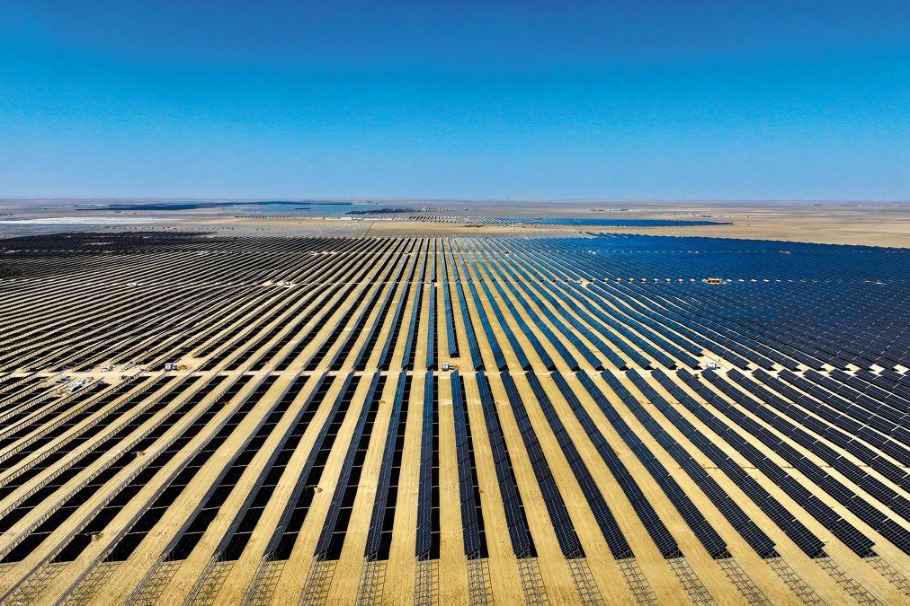
Australia’s electricity market was not designed for the system we are now building. It was designed for a world of large generators, predictable flows, and relatively stable demand, where a handful of regional prices could reasonably approximate what was happening across the grid.
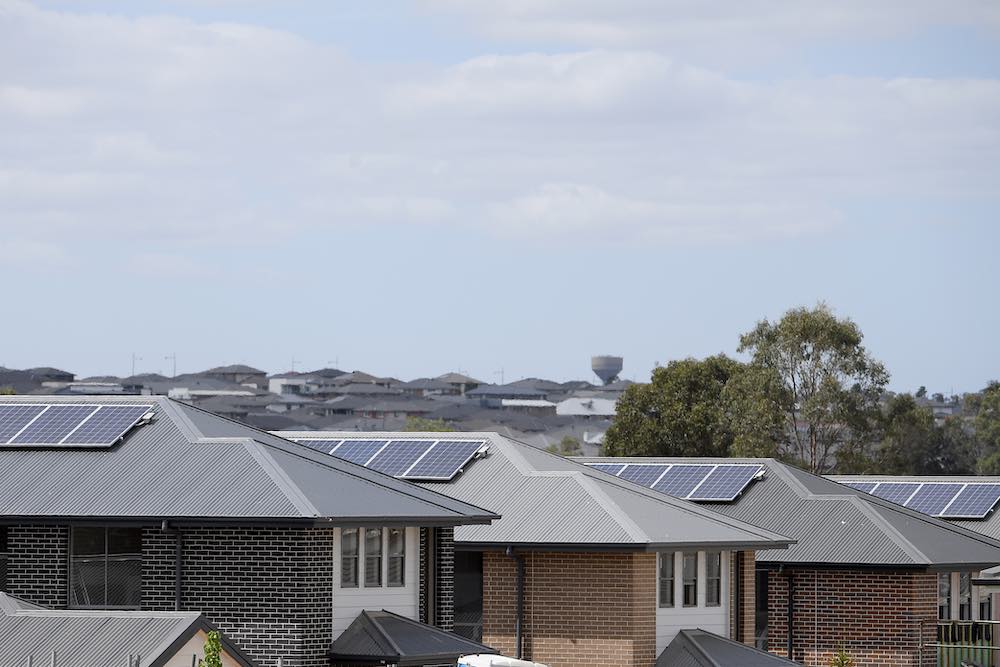
That world is fading quickly. In its place is something far more dynamic: millions of rooftop systems, rapidly growing batteries, increasingly binding transmission constraints, and flows that shift not just seasonally, but hourly. The physical system has fundamentally changed, but the way we price it has not.
At the heart of the issue is a simple mismatch. Electricity is inherently local. It is produced at a specific point, consumed at another, and transported across a network that has limits.
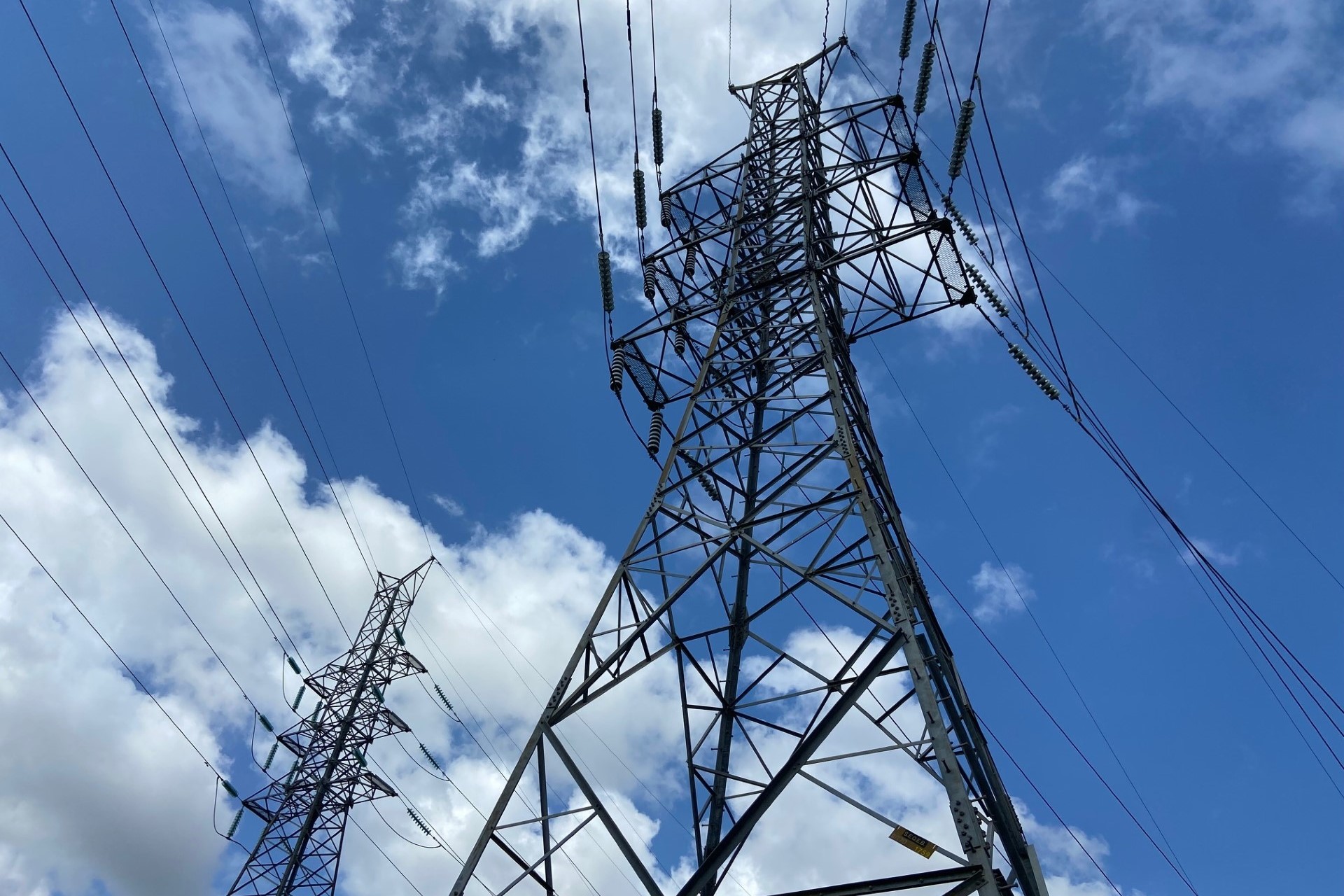
Those limits matter. When a line is congested, electricity cannot flow freely, and the value of energy on one side of that constraint diverges from the value on the other.
Yet in the National Electricity Market, we compress all of that complexity into a single price per region. Five regions, broadly aligned with the NEM states, five prices, and within each, a vast amount of hidden variability.