Commentary
Science breakthroughs don’t always become public health reality. Here’s how Singapore did it with mosquitoes and dengue, say NTU’s Lim Jue Tao and NEA’s Tan Cheong Huat, Chong Chee-Seng and Ng Lee Ching.
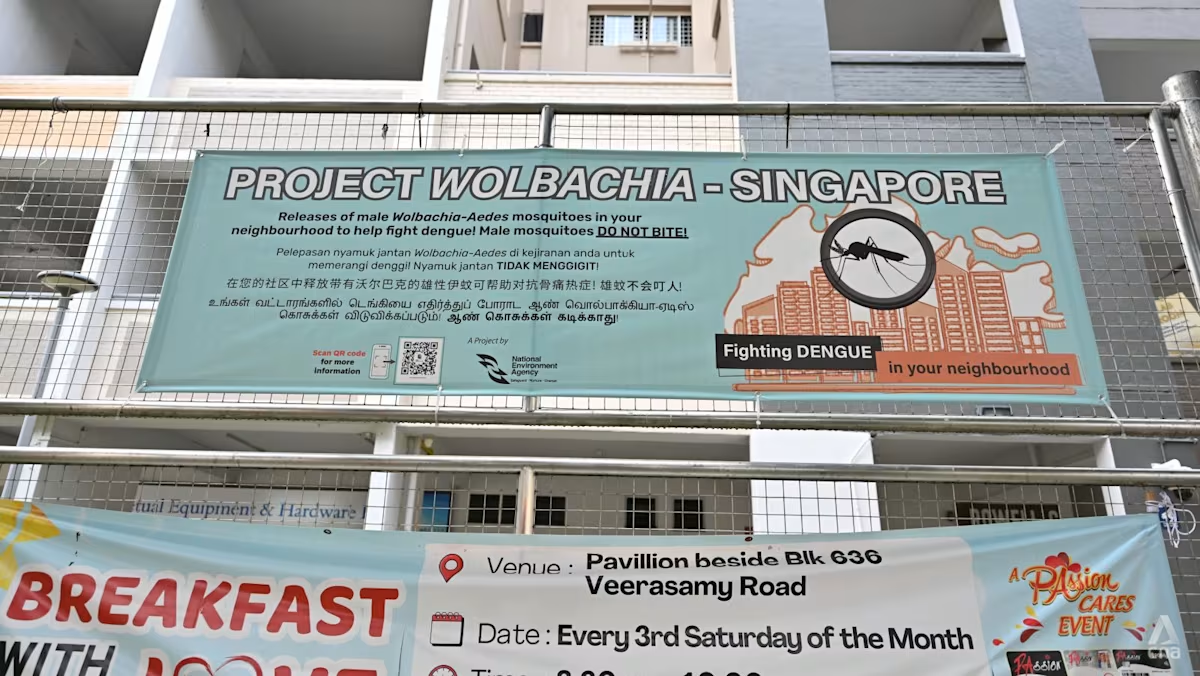
Project Wolbachia poster in front of blk 642 Rowell Road, on May 4, 2026. (Photo: CNA/Raydza Rahman)
12 Jun 2026 06:00AM
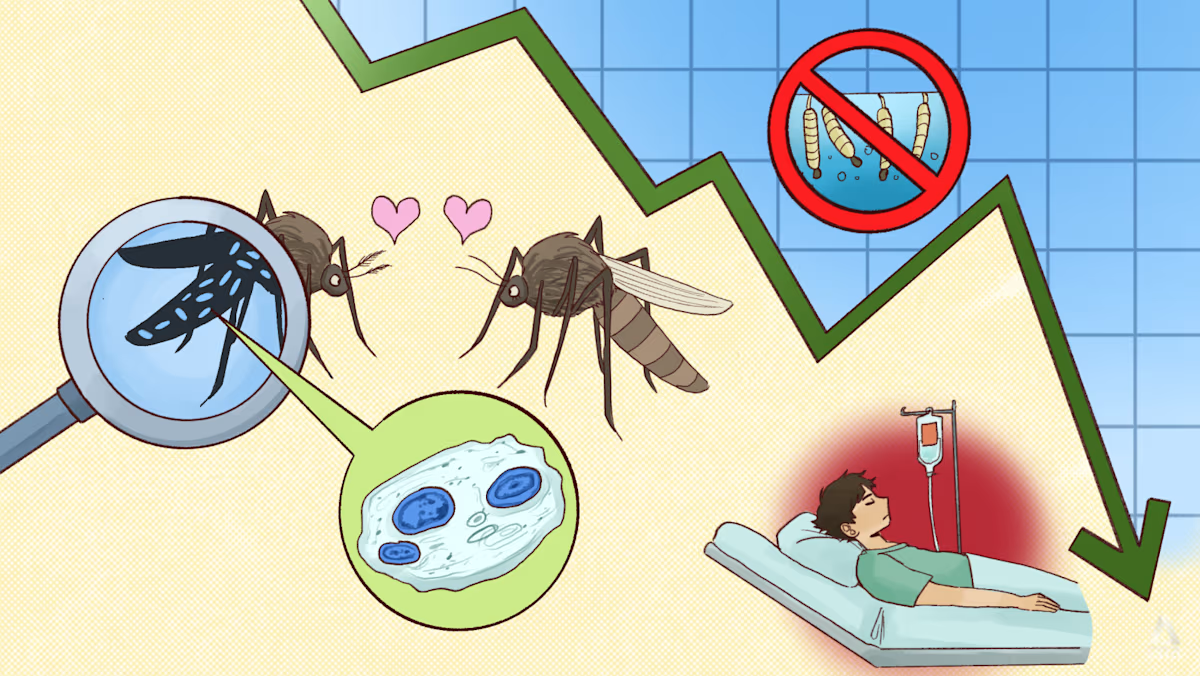
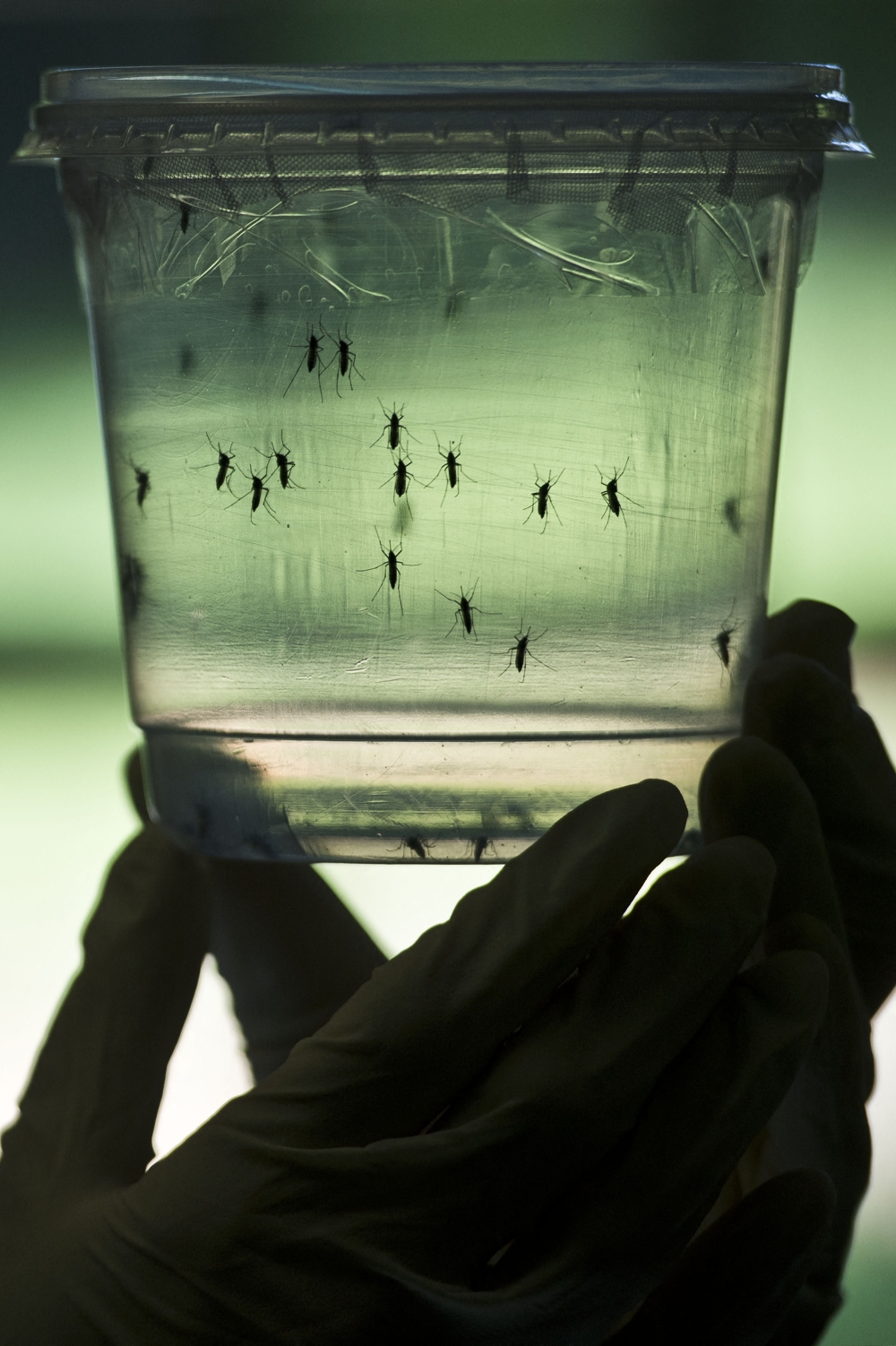
SINGAPORE: In 2016, residents of Braddell Heights, community leaders and government officials lifted simple plastic tubs to the sky and set loose the first Wolbachia-carrying male Aedes aegypti mosquitoes in Singapore - just 3,500 mosquitoes in a small field study. Few could have predicted that a decade later, up to 15 million of these mosquitoes would be bred and released each week as part of a national strategy to control dengue. Releasing mosquitoes to prevent disease may still sound counterintuitive, but Project Wolbachia has quietly demonstrated its worth.Dengue has challenged Singapore since long before independence. A record 35,315 dengue infections and 32 deaths were reported in 2020. In 2025, there were over 4,000 cases and four deaths reported.In a large-scale trial published in the New England Journal of Medicine, areas treated with Wolbachia-Aedes mosquitoes saw 80 per cent to 90 per cent reduction in Aedes aegypti populations. Residents in treated areas had their dengue risk reduced by 72 per cent, while those living in adjacent untreated sites also benefited from a 45 per cent reduction.