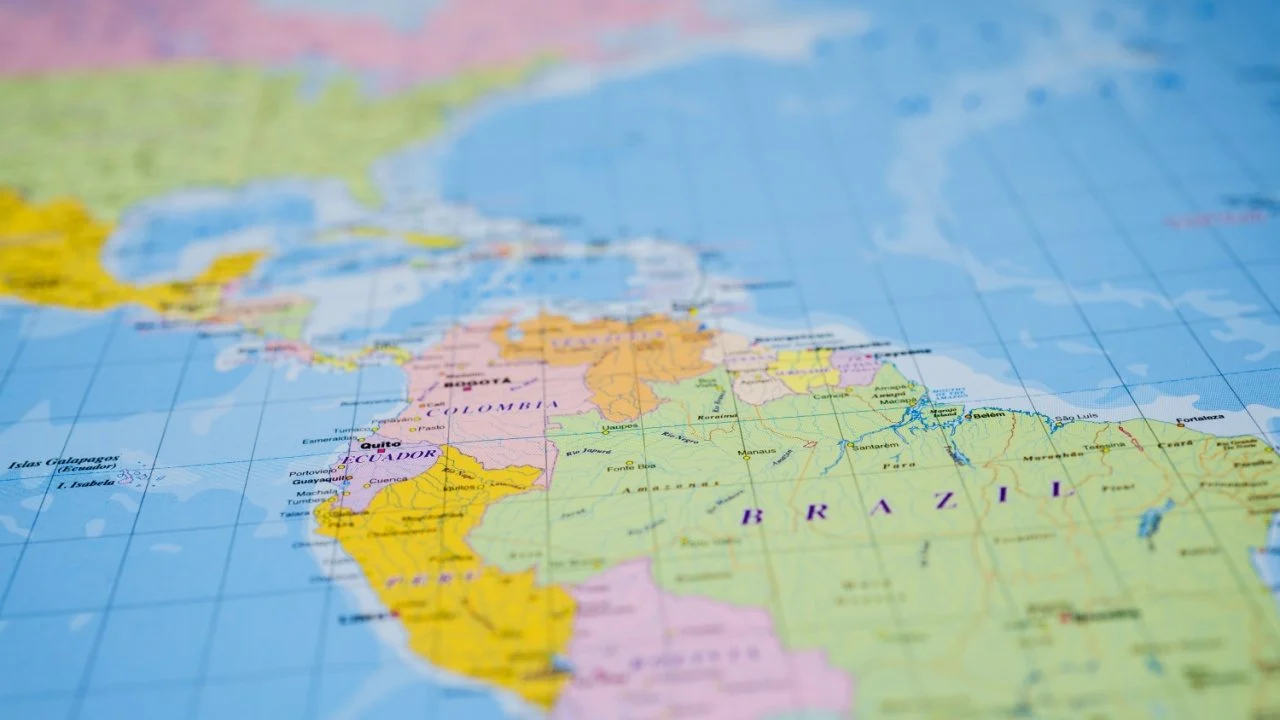
El Salvador — often called Bitcoin country —continues to refine its immigration framework to draw high-value foreign talent and capital, including families. Decreto 531, effective March 31, 2026, reduced the physical presence requirement for temporary residents from nine months to 90 calendar days per year, consecutive or accumulated. This adjustment targets entrepreneurs, investors, and remote professionals whose work involves frequent travel.
On paper, this new minimum requirement for residency status places El Salvador in a very competitive place compared to other tax haven-style nations. But what are the benefits of becoming a Salvadorian Tax resident, and is it really as easy as it sounds?
The Upside of El Salvador
El Salvador offers one of the most attractive tax regimes in Latin America for individuals with foreign-sourced income. The country operates a territorial tax system, meaning only income generated within El Salvador is subject to taxation. A major 2024 income tax reform explicitly exempts foreign-source income for both residents and non-residents. This means that independent remote workers, such as content creators, developers and entrepreneurs with foreign source income, can enjoy 0% Salvadoran income tax on those earnings, regardless of the amount.