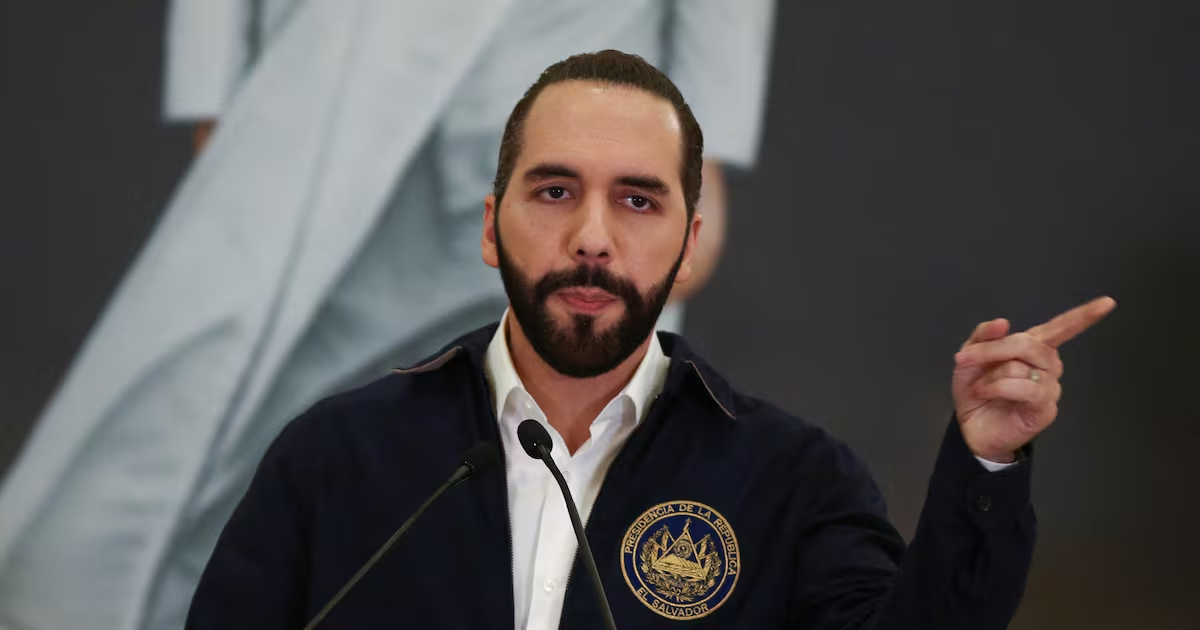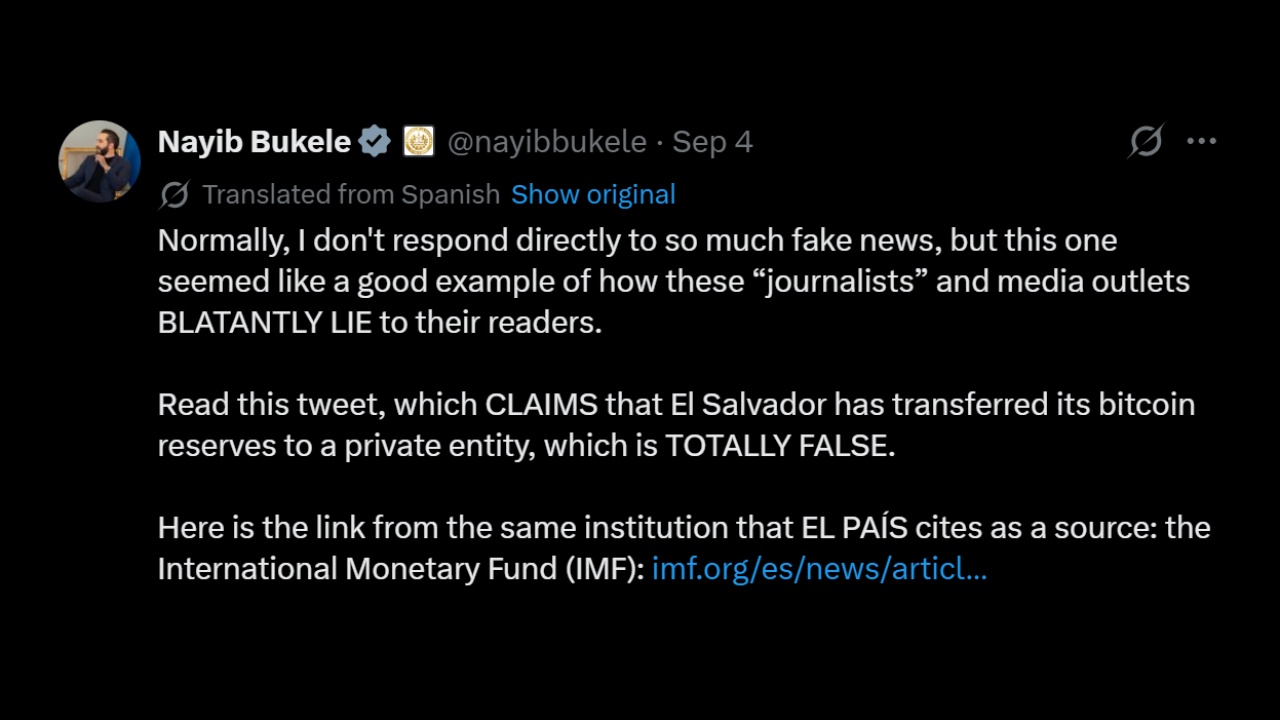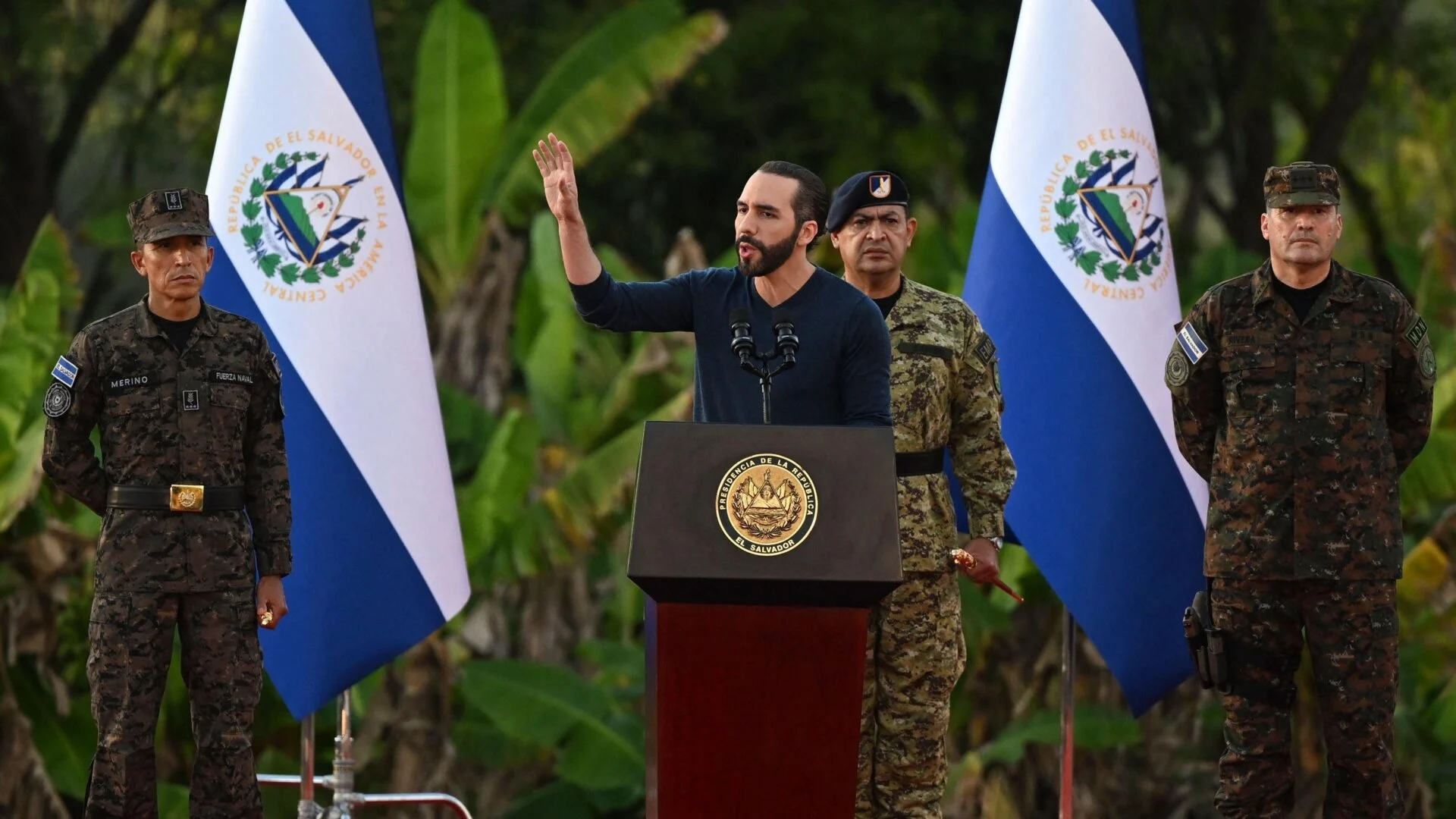
Salvadorean news outlet El Faro has reported that assets tied to two of its shareholders, including bank accounts and property, have been frozen. The outlet maintains that President Nayib Bukele ordered the action as retaliation for its investigations into corruption inside his administration. Notably, the alleged move would contain multiple layers of irony. Bukele has positioned himself as one of Bitcoin’s most vocal advocates, and freezing bank accounts would definitely go against the cypherpunk philosophy that underpins the financial technology. Additionally, had the journalistic organization relied on the cryptocurrency instead of conventional banking channels, such an asset freeze would have been far more difficult to execute. On Thursday, El Faro publicly detailed the freezes after discovering them through its bank and the property registry rather than any official notice from authorities. Director Carlos Dada called the measures political rather than fiscal and accused the government of trying to silence critical voices. The outlet has long tracked alleged corruption in Bukele’s circle, including recent probes into gang negotiations and a PBS Frontline documentary that aired not long before the accounts were locked. Government auditors had previously accused El Faro of dodging roughly $200,000 in taxes since 2020, a claim the outlet rejects. Bukele’s team offered no immediate comment when reached for comment by the Associated Press, though the president has labeled the organization’s work “fake news” in the past. Prior to this latest development, El Faro had already relocated their headquarters to Costa Rica and now operates in exile. Bukele first signaled his bitcoin strategy at the Bitcoin 2021 conference in Miami. Days later, the Legislative Assembly passed the Bitcoin Law, making the asset legal tender in the country. It rolled out the Chivo wallet that October and deposited the equivalent of $30 in bitcoin to every citizen who signed up. Additionally, the government began buying bitcoin outright, starting with 400 bitcoin worth about $20.9 million on the day before the law took effect. Over the following months the treasury accumulated at least 2,300 bitcoin at a total cost near $150 million, but the country’s current bitcoin holdings are unclear as there have been conflicting reports regarding whether they’re still buying. Bitcoin ATMs appeared in commercial zones, most notably in the surfing town of El Zonte, which had already earned the nickname Bitcoin Beach. The Bitcoin Law also required every business in the country to accept bitcoin for payments, and Bukele floated plans for a geothermal-powered Bitcoin City at the foot of the Conchagua volcano and $1 billion in so-called volcano bonds to fund both the city and further bitcoin acquisitions.
El Salvador's Bitcoin-Loving President Has Allegedly Frozen Assets of Local News Outlet
The ideas underpinning Bitcoin are sort of the opposite of this.
840 words~4 min read