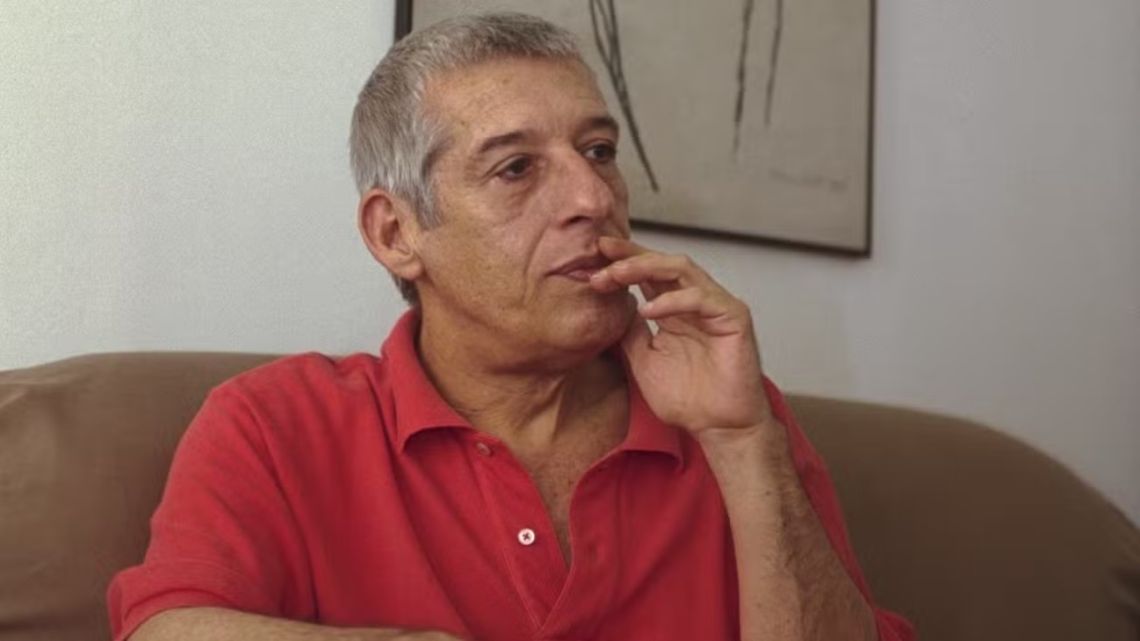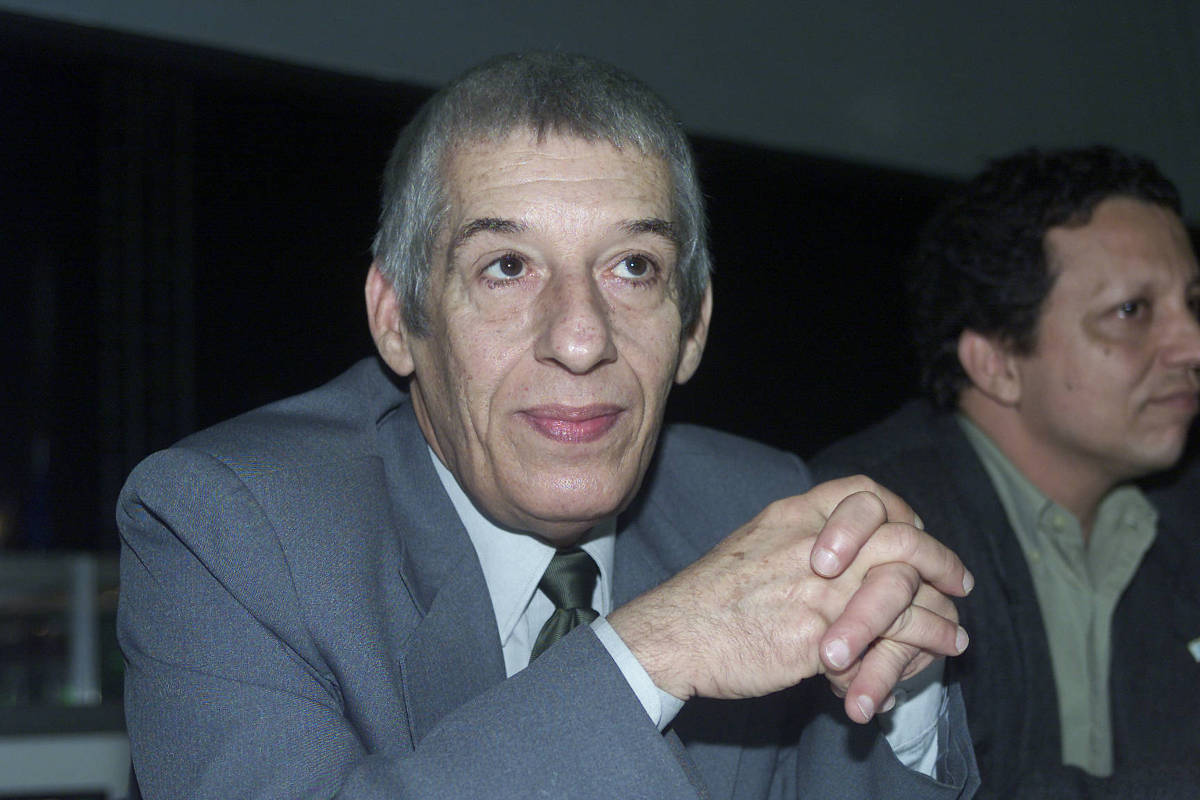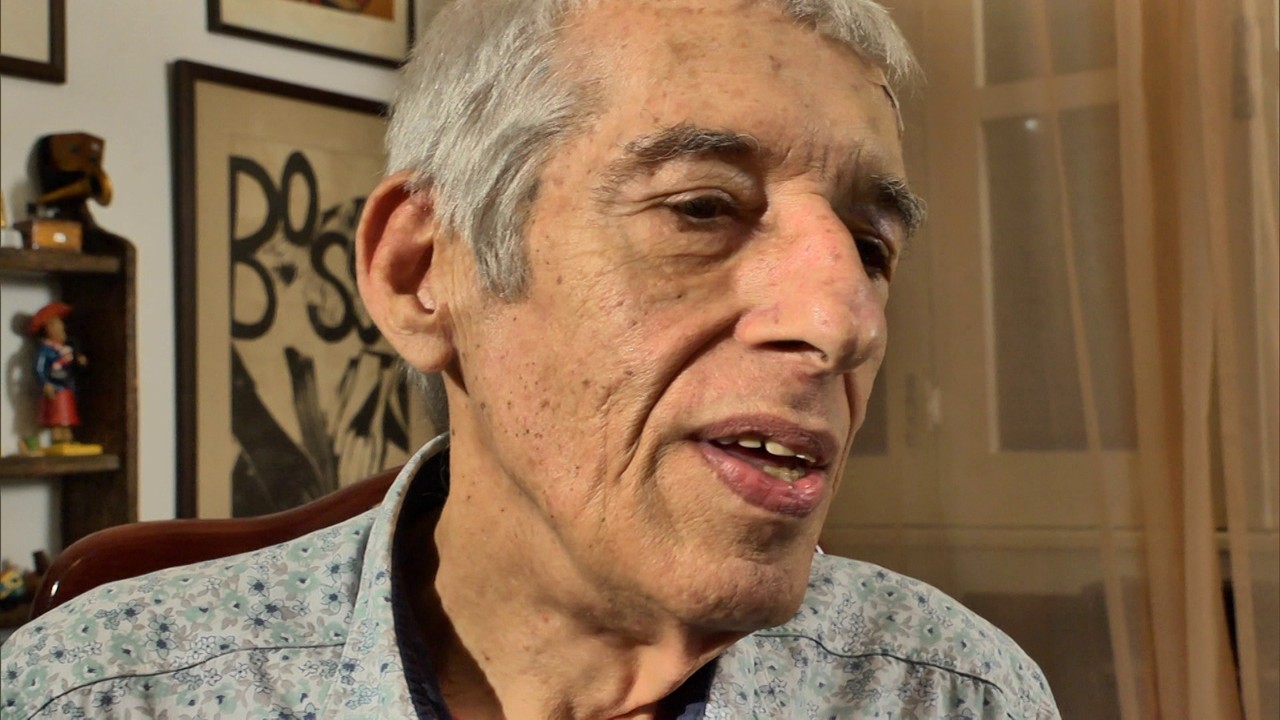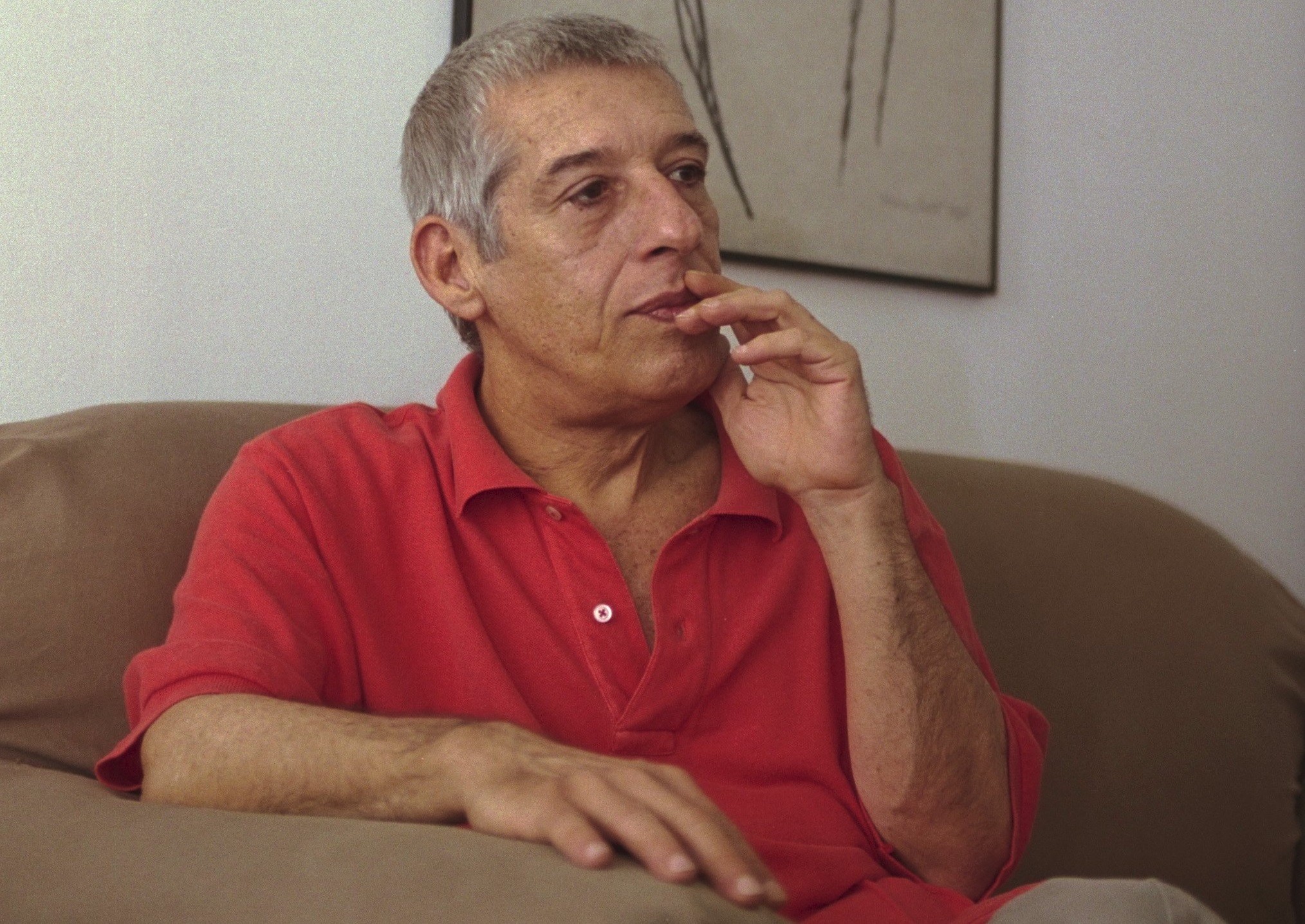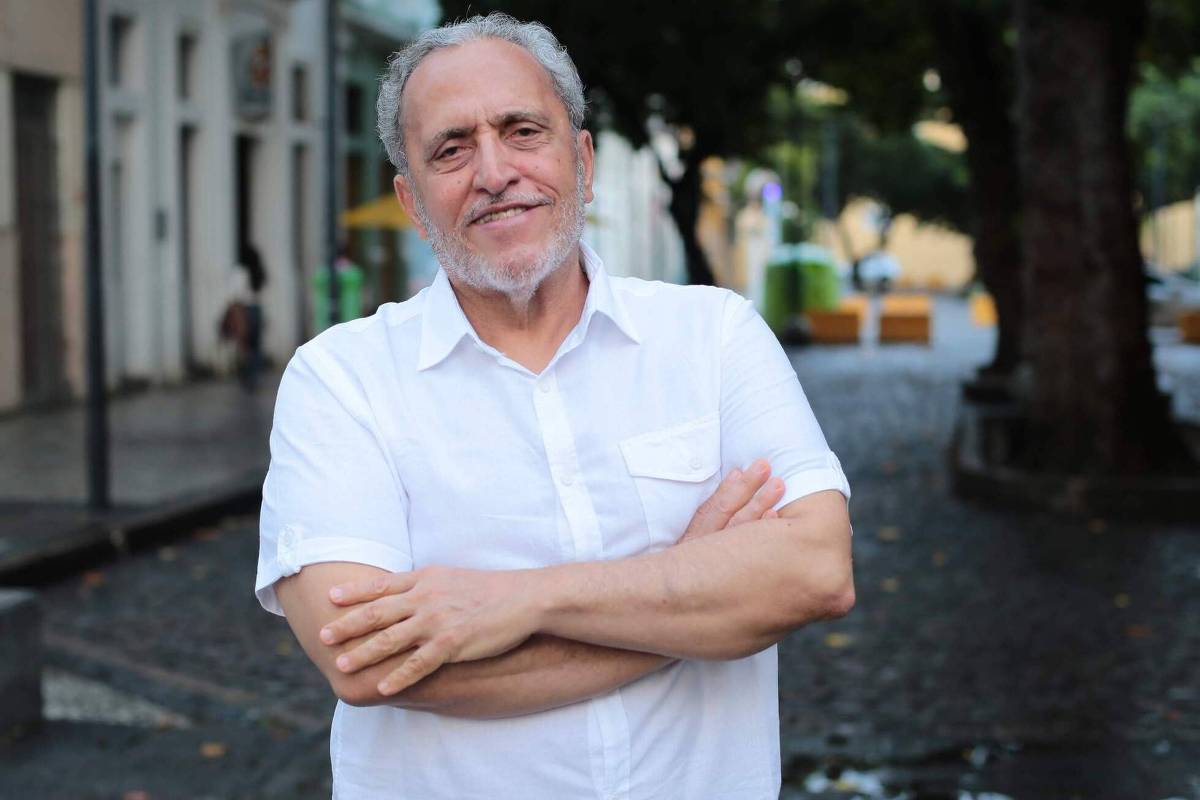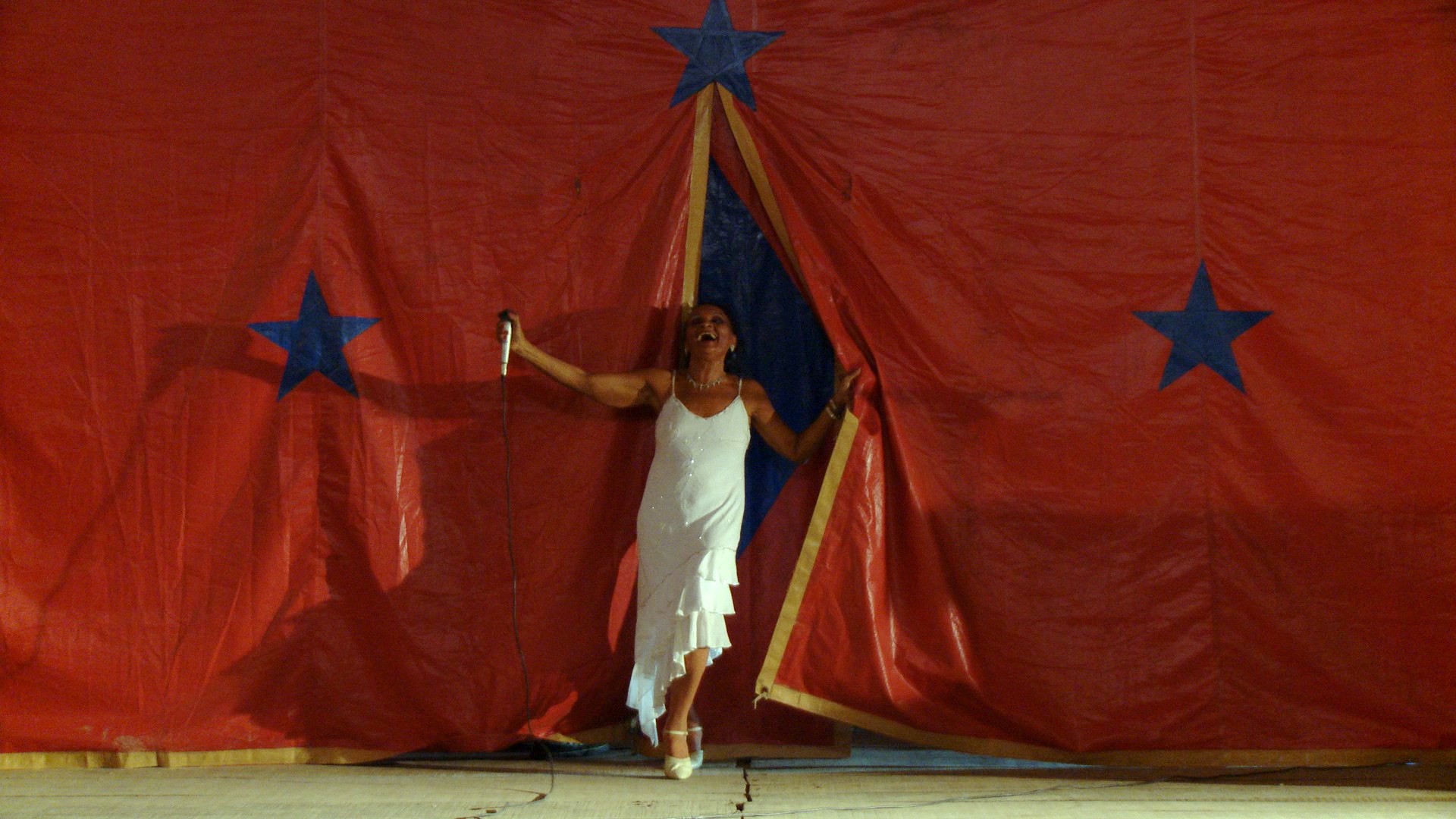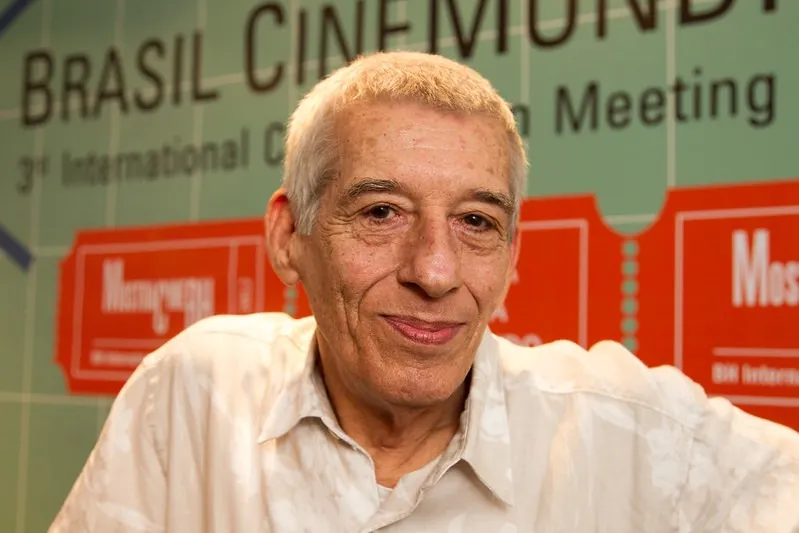
Orlando Senna, a high-energy, tireless and charming Brazilian filmmaker, playwright, writer and cultural activist, died June 9 from pneumonia in Rio de Janeiro. He was 86.
Senna reached everlasting fame as director with Jorge Bodanzky of 1974’s “Iracema” (“Iracema: Uma Transa Amazonica”), a hard-hitting social realist feature sometimes ranked in lists of the best Brazilian films of all time, died June 9. It is sometimes cited as a high-profile title in Brazil’s Cinema Novo, though in reality by that time the movement had pretty much run its course and the film is lightyears away from the style of, say, Glauber Rocha.
What it did share with earlier Cinema Novo movies was a sense of subversion and exposure of Brazil’s gross poverty. It follows Iracema (Edna de Cassia), 14, who leaves her home in the Amazon to become a prostitute in Belém and hitches up with Tiao, a truck driver on a trip down the newly opened Trans-Amazonian Highway, which affords a portrait of ecological devastation and a hapless Indigenous population.
Dumped by Tiao, Iracema is left to fend for herself, her degradation a metaphor – “Iracema” is an anagram for “America” – read by critics as a vision of the degradation of the region and Latin America.