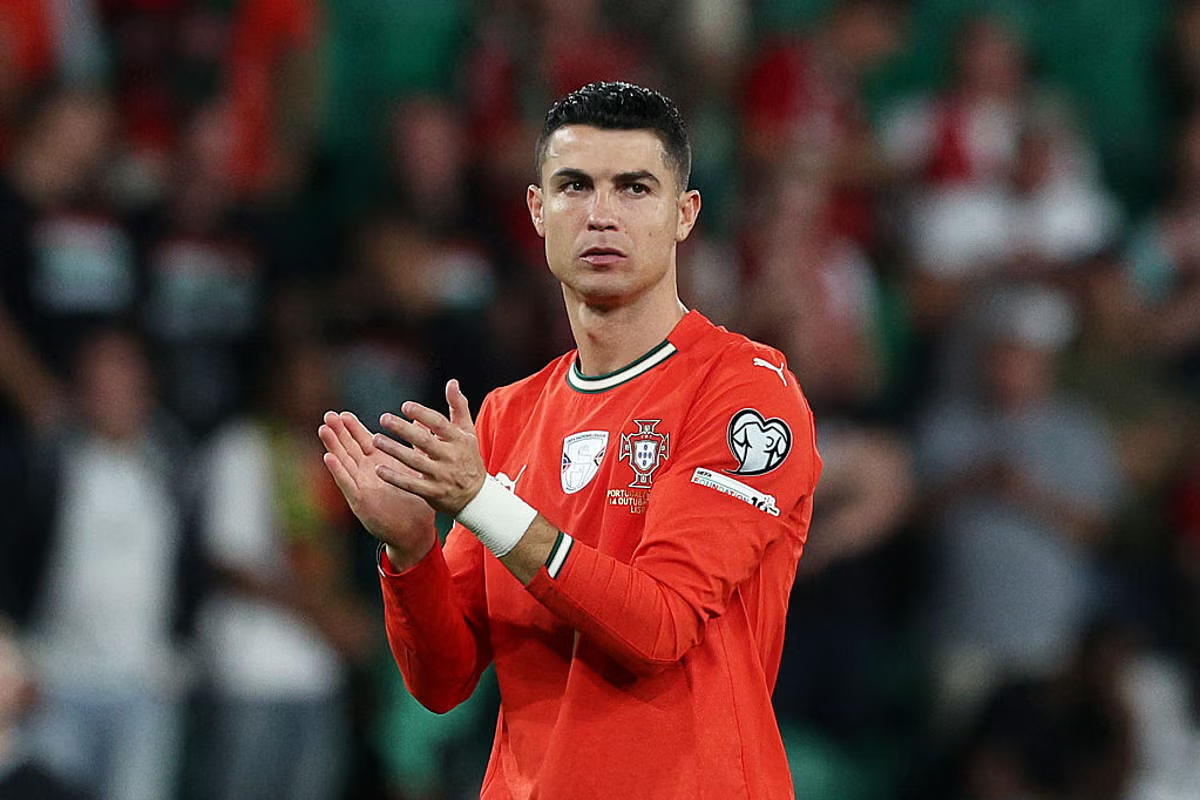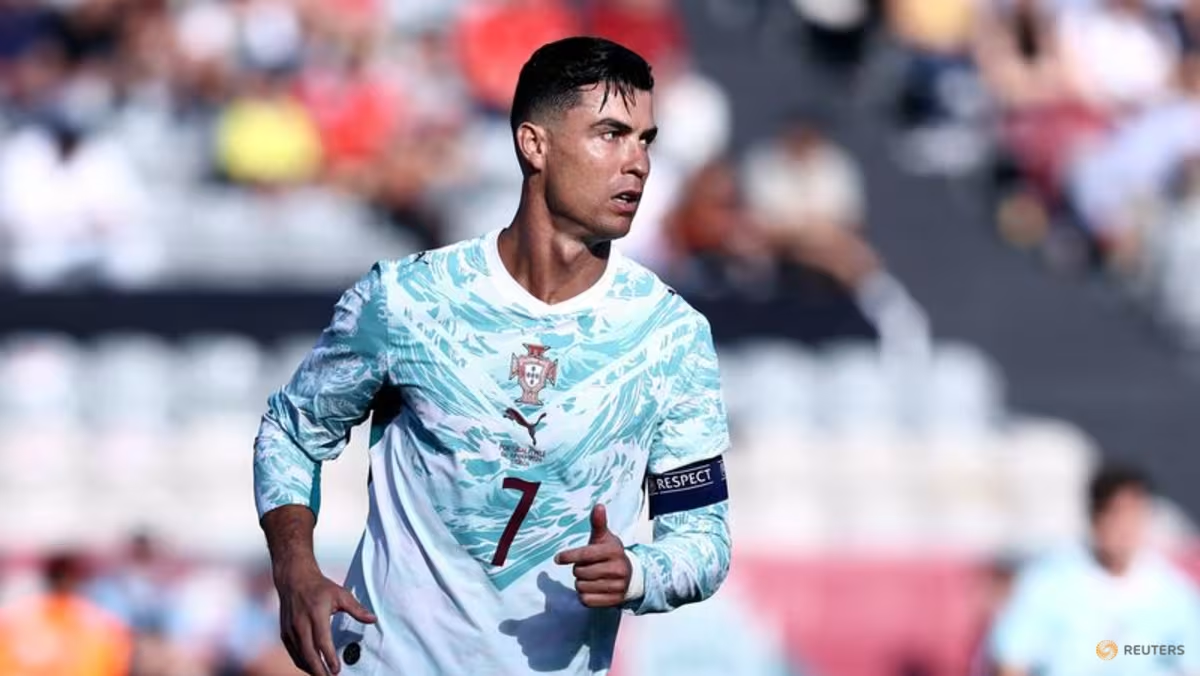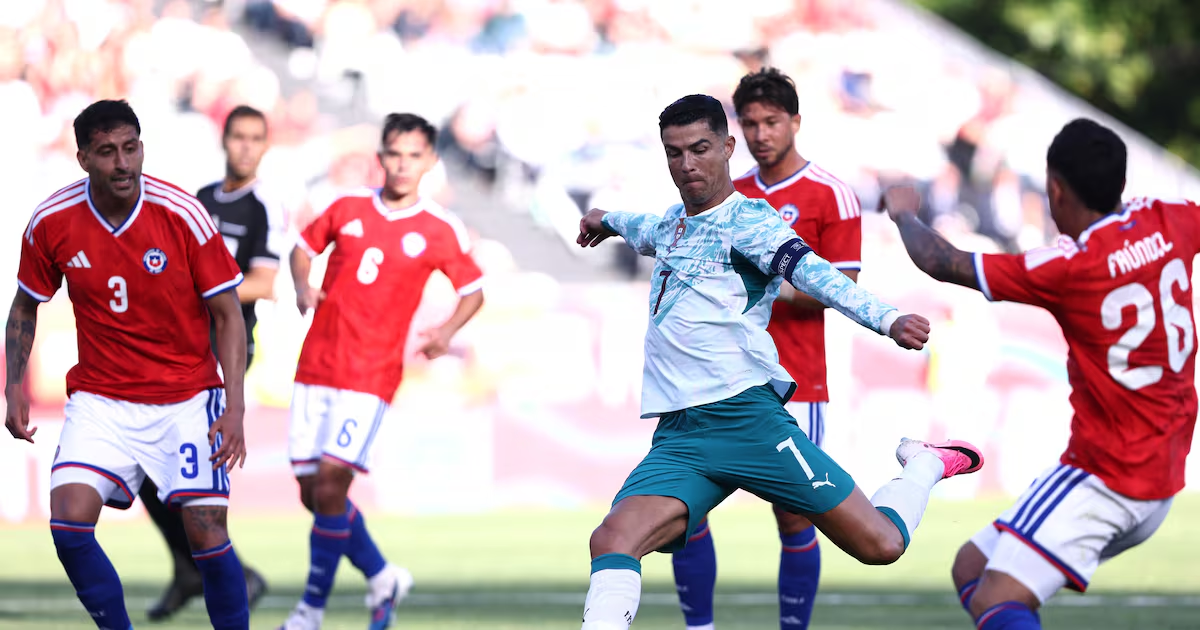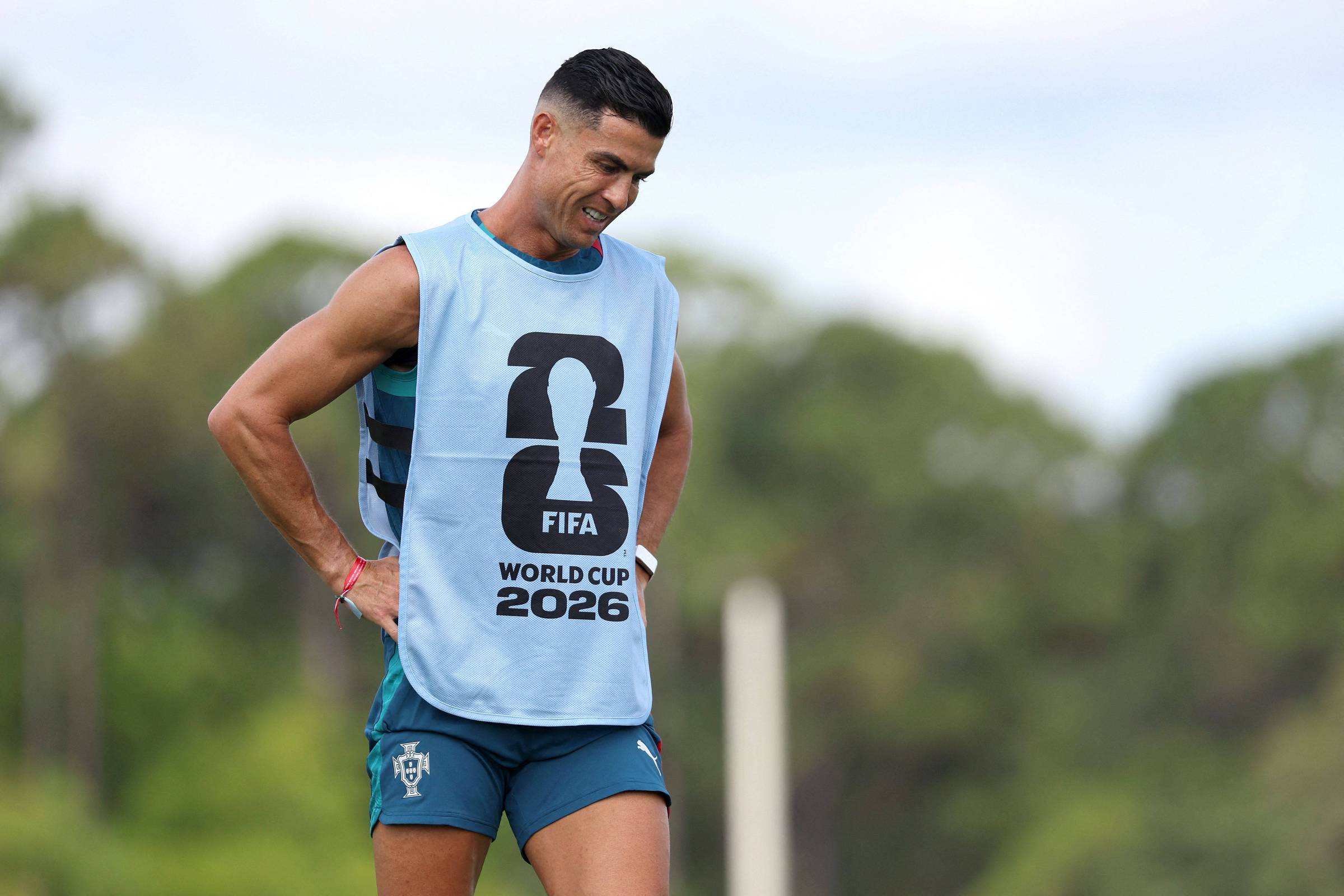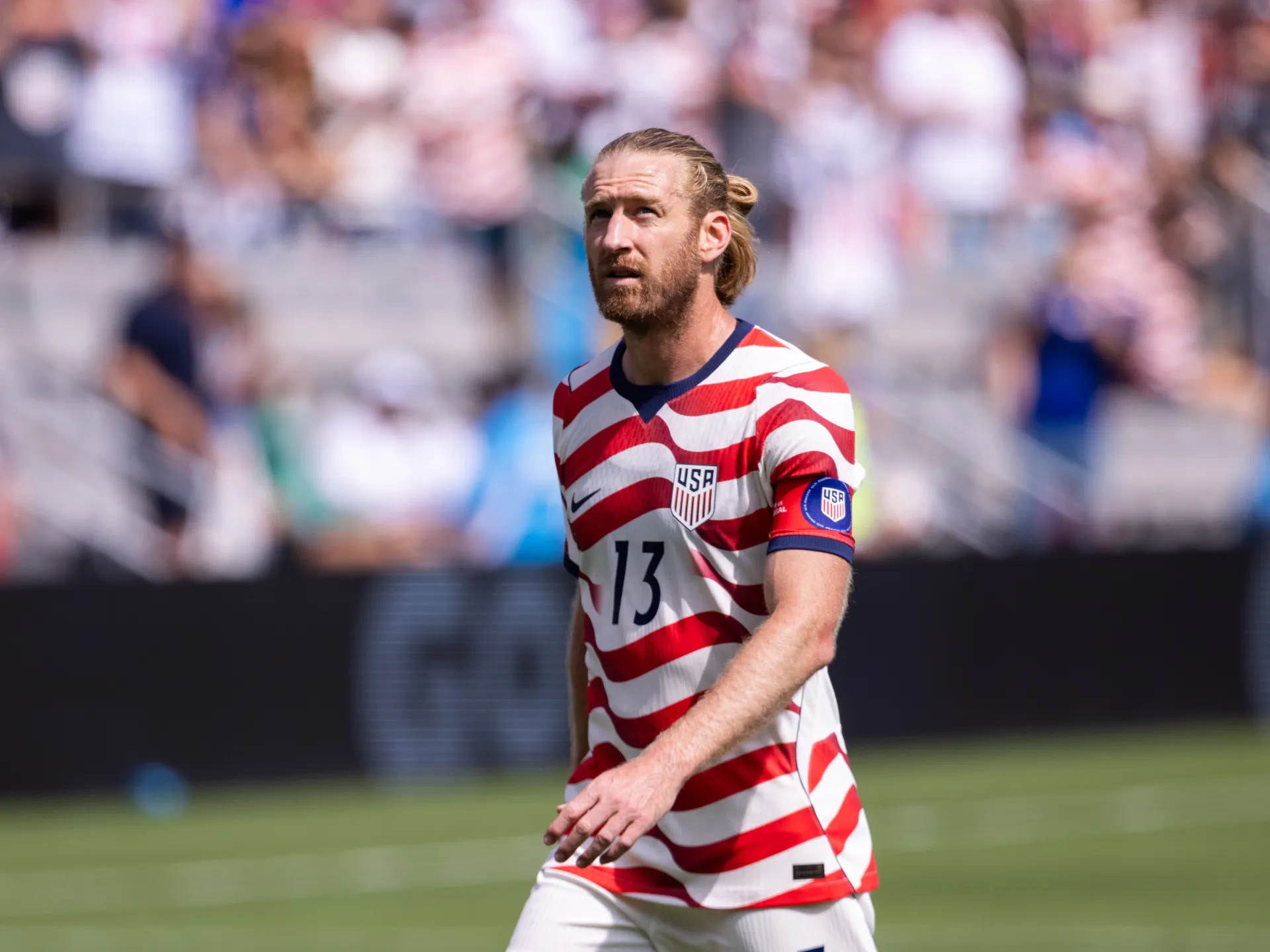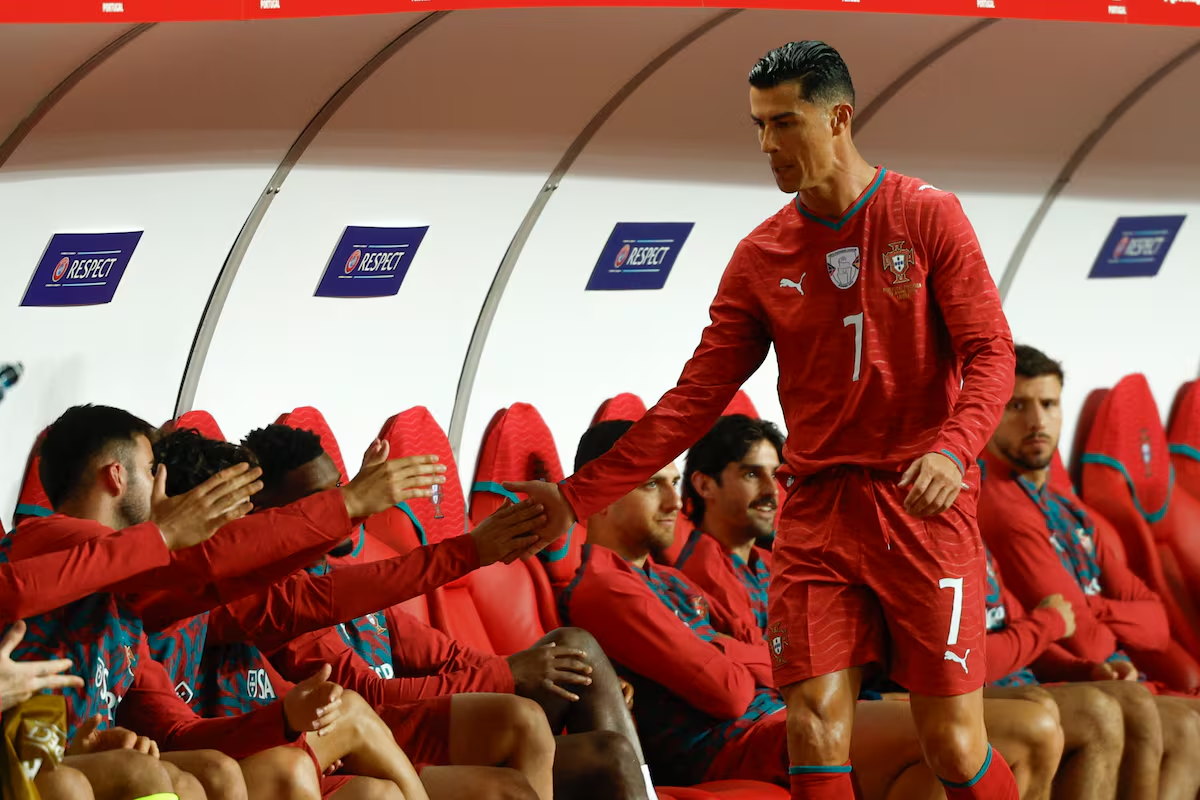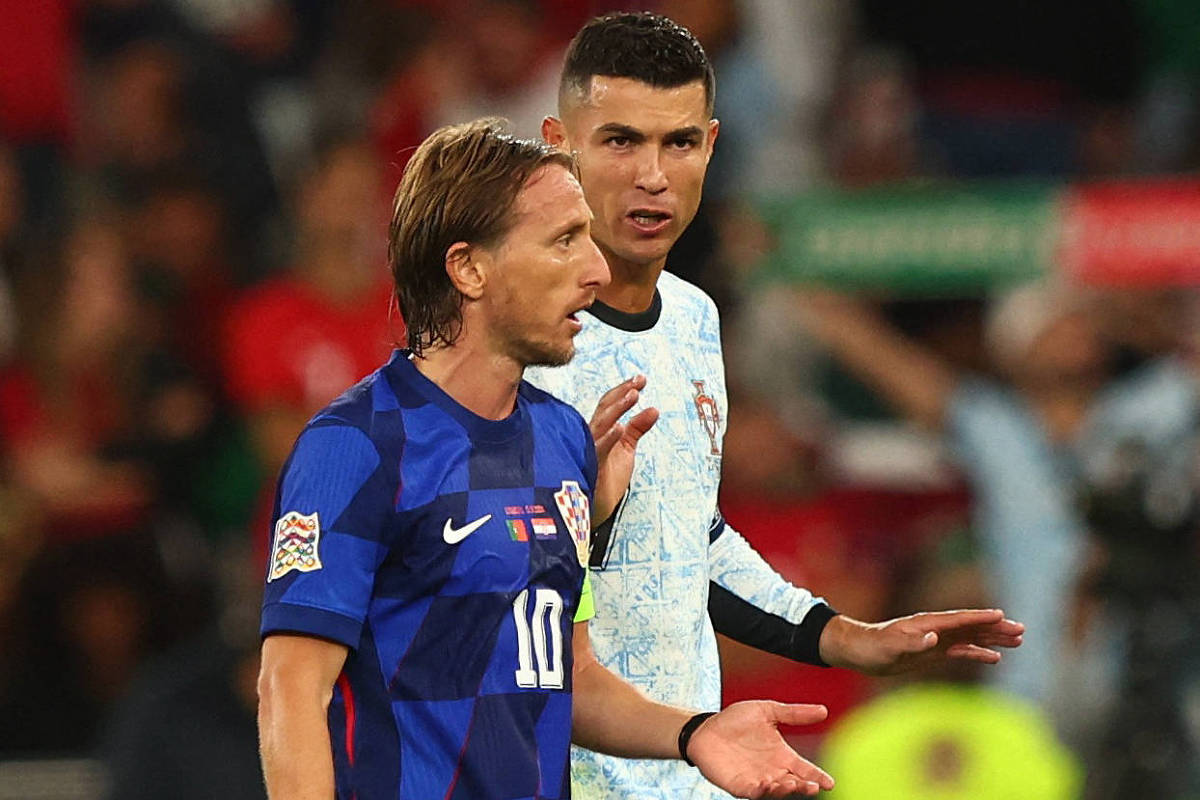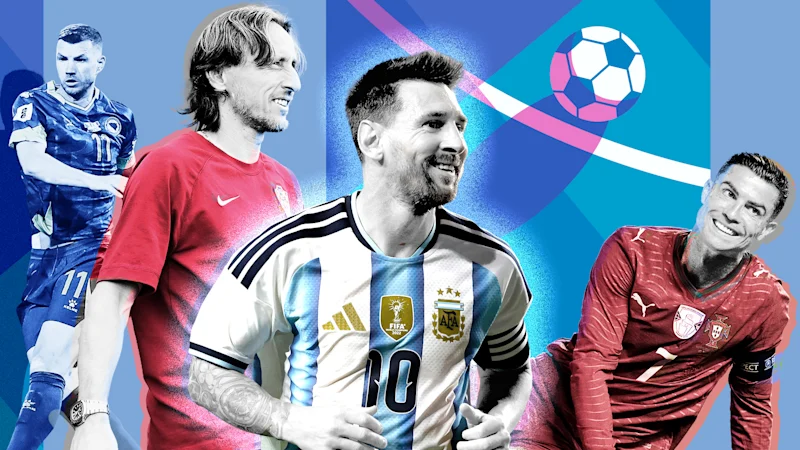
June 12, 2026 — 5:00amThere’s a reason over-35s football carries the reputation it does.Often assigned to the “Masters” category, over-35s leagues are generally known less for competitiveness and more for “fun and fitness”. It is a chance for the “mature athlete” to engage in a social environment between the odd “bomb forward” (shuffle-dribble) in wide areas. To tear a hammy in the opening three minutes and – if still standing – showcase a privately practiced Cruyff turn as a teammate shouts at you to “Just play it simple, Dave”.How then, as so many eager amateurs accept the traditionally acknowledged fate that their bodies have spent the past five seasons winding down to the point of requiring rolling substitutions, are so many professional counterparts of a similar age about to play at a World Cup? Setting aside for a moment Lionel Messi’s very specific mastery of walking football, why is the 2026 edition the one with all the golden oldies?Messi will turn 39 on June 24 – midway through the group stage of his sixth World Cup – and he does not even make the top 10 of oldest players named to contest the tournament in North America. A record eight players aged 40 or over have been selected for various nations, which is one more than the total of the last 22 men’s finals combined.Roger Milla of Cameroon in action during the 1994 World Cup.David Cannon/AllsportSix of the seven previous entrants to this exclusive club were goalkeepers, including Egypt’s Essam El Hadary, who at Russia 2018 became the oldest World Cup participant in history aged a sprightly 45 years and 161 days. The lone outfield player was Cameroon striker Roger Milla, the 42-year-old who rolled back the years at the 1994 tournament and remains the oldest male player to score at a World Cup.An outfield player has not featured since. Now, eight editions and 32 years later, three more are set to join him in Cristiano Ronaldo (41), Luka Modric (40) and Edin Dzeko (40).The goalkeepers are Scotland’s Craig Gordon (43), Germany’s retired-and-returned 2014 champion Manuel Neuer (40), Mexico veteran Guillermo Ochoa (40), Cape Verde debutant Vozinha (40) and Uruguay’s Fernando Muslera (turns 40 on June 16). And their presence is little surprise given shot-stoppers tend to extend their careers for longer.That prospect is substantially more difficult for those occupying other positions, for which the physical demands mean longer recovery periods and greater chance of injury. Compounding the risk are the sheer number of matches on the modern football calendar, and the game’s increased speed and physicality. Offsetting these factors, of course, are the vast advances in sports science and the collection of data which have enabled athletes to optimise performance and durability by individually managing training loads and match minutes.Still, the available research suggests a physical decline in elite footballers from about the age of 30, and this appears to be reflected in real life. Throughout the 2025-26 English Premier League season, for instance, only 15 of the 557 players who appeared for the 20 clubs were aged 35 or over (special shoutout to just-retired 40-year-old James Milner). Across the last La Liga season (522 players from 20 teams) there were 29; in the Bundesliga (517 players from 18 teams) there were eight.It makes this a bit of a moment for the Ronaldo-Modric-Dzeko trio – for similar reasons and different ones too.Cristiano Ronaldo will appear at a record-equalling sixth World Cup with Portugal.Getty ImagesIf the recent selection choices of Portugal manager Roberto Martinez are anything to go on, Ronaldo will almost certainly make it onto the field at a record sixth straight World Cup (Ochoa and Messi can also achieve this feat), with the added carrot of a goal that would mean he has scored in all six.There are also bigger fish to fry for the five-time Ballon d’Or winner, whose mile-long list of accolades is still missing a World Cup trophy. Whether his presence helps or hinders his country’s bid to break the drought is a debate that will rage for the entirety of Portugal’s campaign. Personality seems to account for the bulk of this, though Ronaldo’s on-field international form has been inconsistent since his club move to Saudi Arabia’s Al-Nassr.A poor Euro 2024 showing preceded a starring role in the 2024-25 UEFA Nations League win – having reinvented himself as a poacher to offset his deteriorating pace – but during qualifying the team arguably looked more balanced when he was sidelined through suspension. In this week’s 2-1 warm-up win over Nigeria, he was given more minutes than any other outfield player yet also managed to missed gilt-edged chances with only the goalkeeper to beat.Before that friendly, Martinez cited Ronaldo’s “experience in decisive moments that nobody else in the squad can match” as invaluable. And perhaps this plays a part when it comes to ageing heroes. The symbolism applies to Modric with Croatia, except that the veteran will still shoulder much of the creative burden at his fifth World Cup. Having led his country’s run to the 2018 final and then a third-place finish in 2022, he continues to defy expectations – alongside 37-year-old Ivan Perisic and almost 35-year-old Andrej Kramaric.Luka Modric, pictured playing in a June friendly against Belgium, is still a leading creative outlet for Croatia at 40.Getty ImagesLast year, Modric moved from Real Madrid to Milan and, five days after his 40th birthday in September, scored for his new club. “I hope people won’t keep mentioning my age any more,” he said at the time. Then Real Madrid’s performance manager Antonio Pintus went and mentioned Modric’s age again, telling Italian outlet Gazzetta dello Sport how his former charge keeps so fit at 40.“I don’t think there’s a real secret, but rather a combination of factors,” Pintus said. “Luka has an extraordinary level of professionalism: he takes great care of his training, nutrition, recovery and, above all, he has a mentality that pushes him to never settle. He’s a rare example of sporting longevity. The result of daily dedication.”Dzeko has spoken about this daily grind, which enabled the Bosnia and Herzegovina captain to revitalise his club career and help Schalke win promotion to the Bundesliga at the age of 40 – and now enjoy his swansong with a new generation 12 years after playing and scoring at Brazil 2014. “I did not think I would be playing at 40,” Dzeko told Sky Sports this month.“Maybe when you are young, you don’t think a lot about coming earlier to training and staying 30 to 45 minutes before training in the gym doing the prevention work and then also staying after training, like 30 to 45, one hour, doing some other prevention work.”Lionel Messi, with his Argentina teammates during a friendly in March, returns for a sixth World Cup.NurPhoto via Getty ImagesThis is undoubtedly the case for other golden oldies pushing 40, like Japan’s Yuto Nagatomo (39), the United States’ Tim Ream (38) and Argentina’s Nicolas Otamendi (38). Argentina in general is an interesting example of continuity, with all but one (Angel Di Maria) of the starting XI who won the 2022 World Cup final against France retained, meaning Lionel Scaloni is effectively fielding a team of defending champions now four years older.The oldest of the lot is Messi. Unlike his perennial arch-rival Ronaldo, the eight-time Ballon d’Or winner now has a World Cup in his trophy cabinet. That 2022 triumph in Qatar capped perhaps football’s most remarkable evolution of a player: once a winger and then a false nine, emerging finally as a visionary. The wizard who walks, observes and conserves energy for the moments that count.The question around Messi this time is two-fold: will he be fit; and will he be able to conjure the brilliance of four years ago? Does he still have in him that sprint past Josko Gvardiol in the 2022 semi-final against Croatia? That ghost run in the final to create Argentina’s third goal against France? Those pinpoint passes and converted penalties?He was his country’s top-scorer in qualifying. This week, in a 3-0 friendly win over Iceland, he netted his 117th international goal in his 199th cap to become the oldest player to score for Argentina, and said he is “savouring every moment” in the lead-up to next week’s opening game against Algeria.“Sometimes it works out, sometimes it doesn’t, but we’ve been fortunate enough to have positive results in recent years,” Messi said. “It’s difficult, and it’s getting harder all the time, but we’ve got used to that, and we’ve got the fans used to it, and we’re going to try to do it again. Whether it works out or not, that’s football. Have no doubt that our opponents will find it hard to beat us because this is a very competitive national team.”News, results and expert analysis from the weekend of sport sent every Monday. Sign up for our Sport newsletter.From our partners
Golden oldies’ World Cup: How these ageing stars are still going strong at 40
Not since 1994 has an outfield player aged 40 or older appeared at the tournament. Eight editions and 32 years later, a high-profile trio are set to join the club.
1,482 words~7 min read