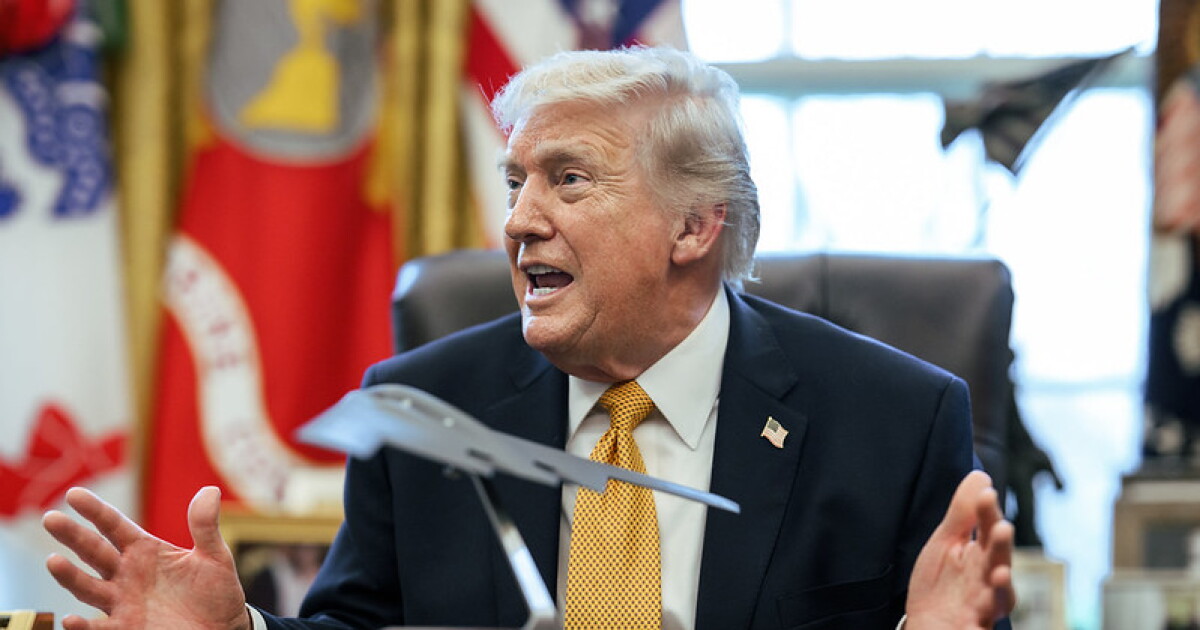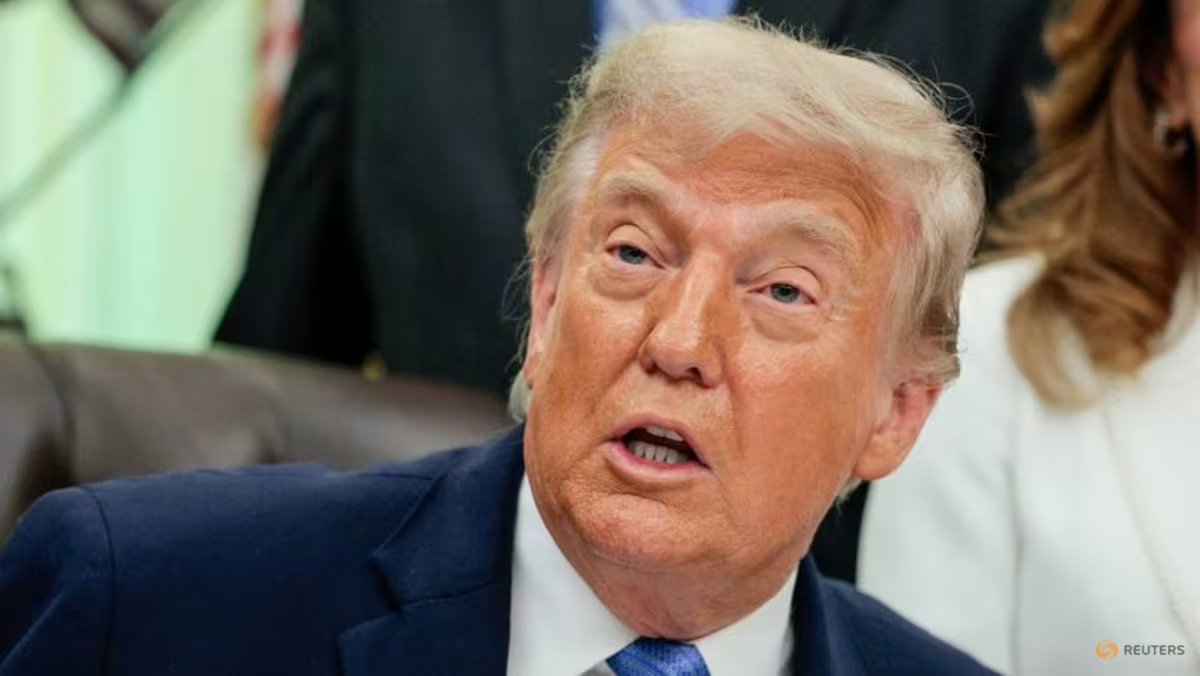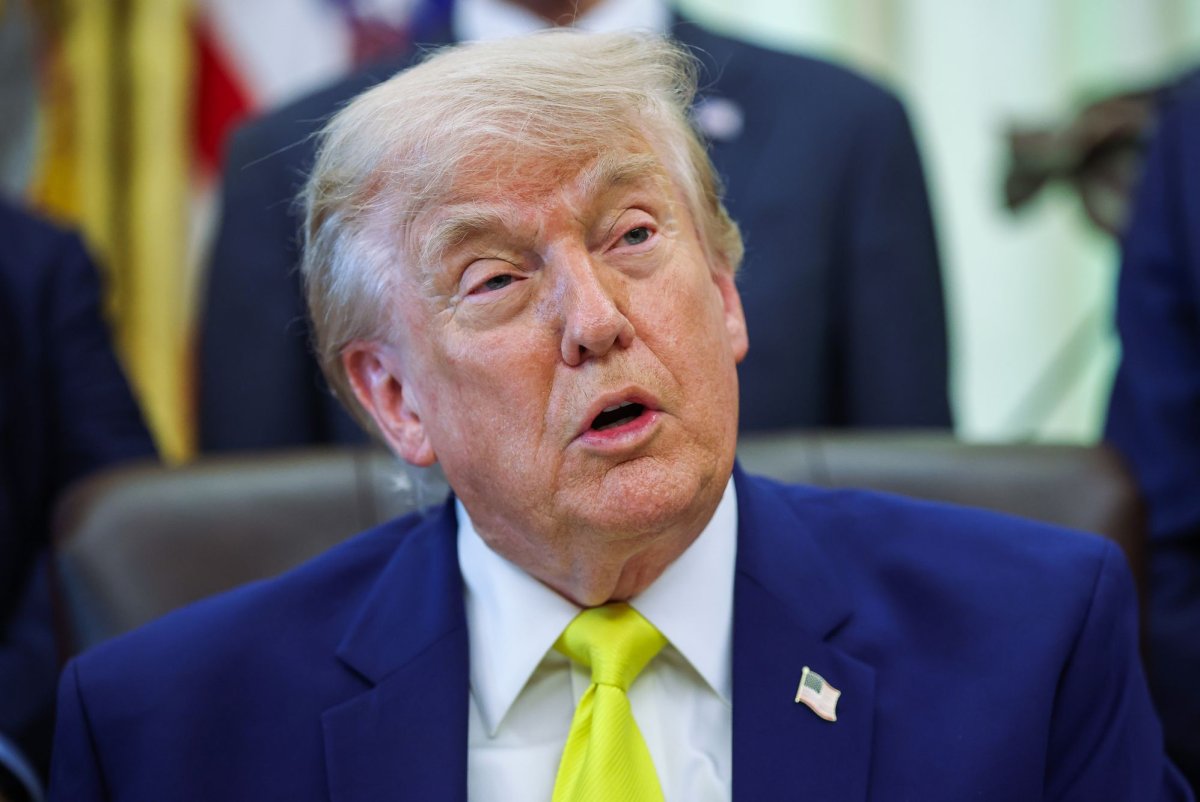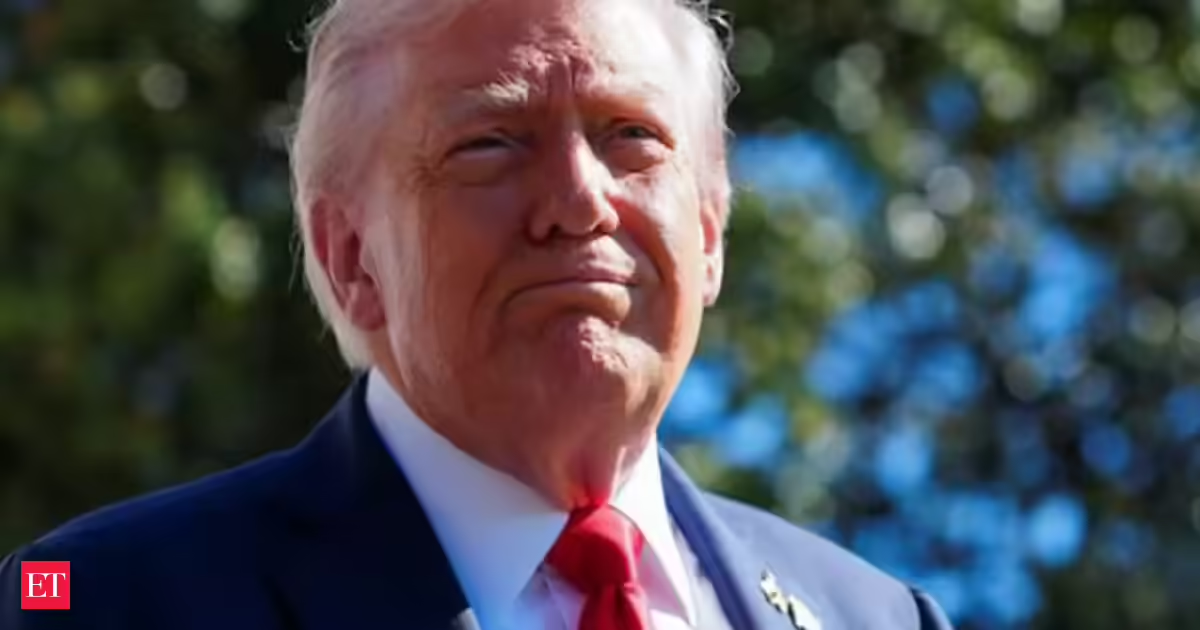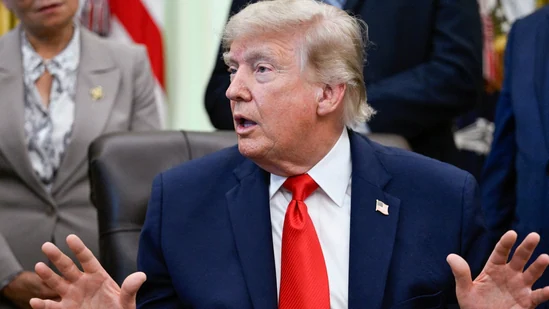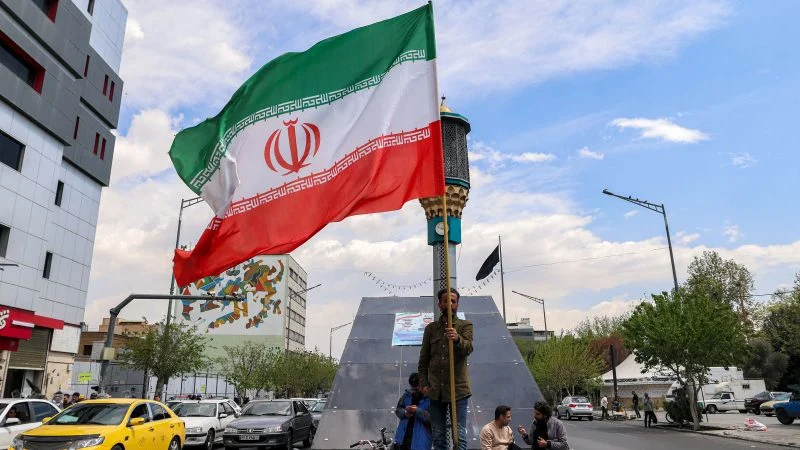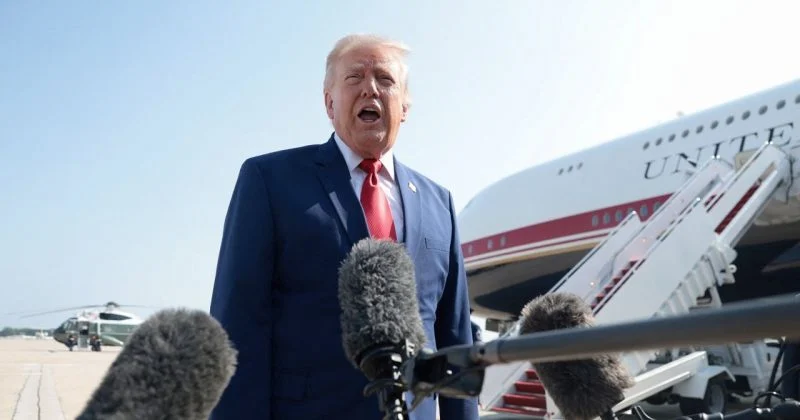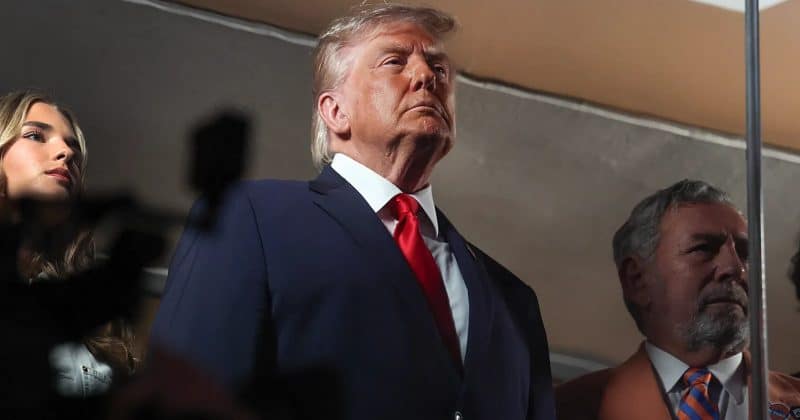
President Donald Trump canceled planned US strikes against Iran on June 11, pulling back from another military escalation as negotiations showed signs of progress.
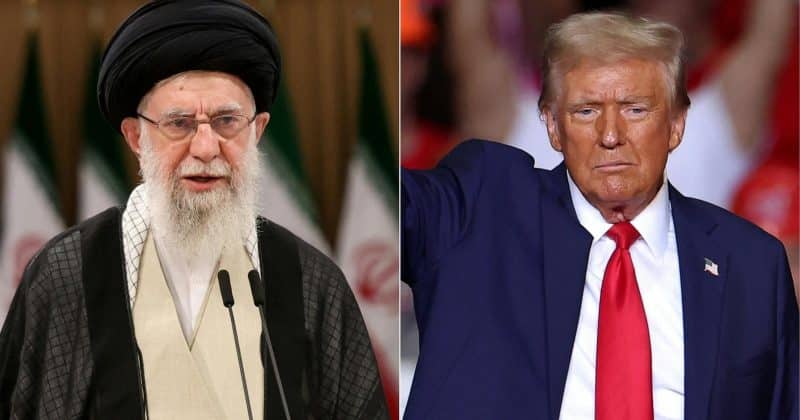
The strikes had been scheduled for Thursday evening after a period of direct confrontation between Washington and Tehran. Trump said the decision followed high level discussions with Iranian leadership and international stakeholders, including Israel, Saudi Arabia, the UAE, Qatar, Turkey, Pakistan, Bahrain, Kuwait, Jordan, and Egypt.
The White House move does not fully end the pressure campaign. Trump said a naval blockade targeting Iran will remain in place until an agreement is finalized, keeping the dispute tied to one of the world’s most important energy corridors.
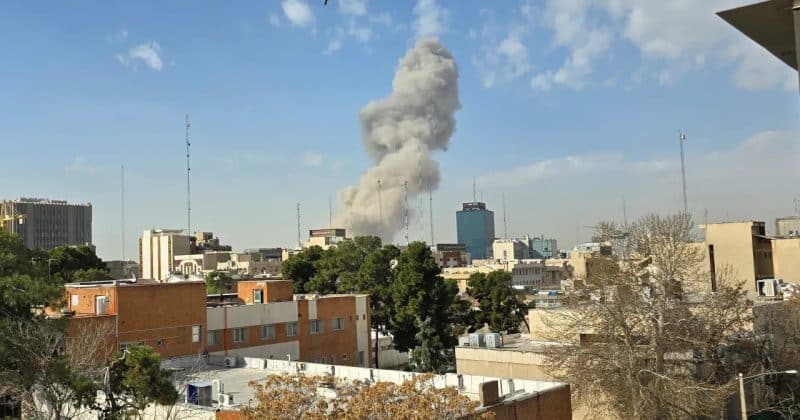
The cancellation follows days of heightened tension after Iran was blamed for downing a US Army Apache near the Strait of Hormuz. US forces responded with strikes on Iranian air defense and radar sites before the latest planned operation was called off.
The Strait of Hormuz remains the central market risk. Roughly a fifth of global oil flows pass through the chokepoint, making any renewed military action there a direct threat to energy prices, shipping routes, and inflation expectations.