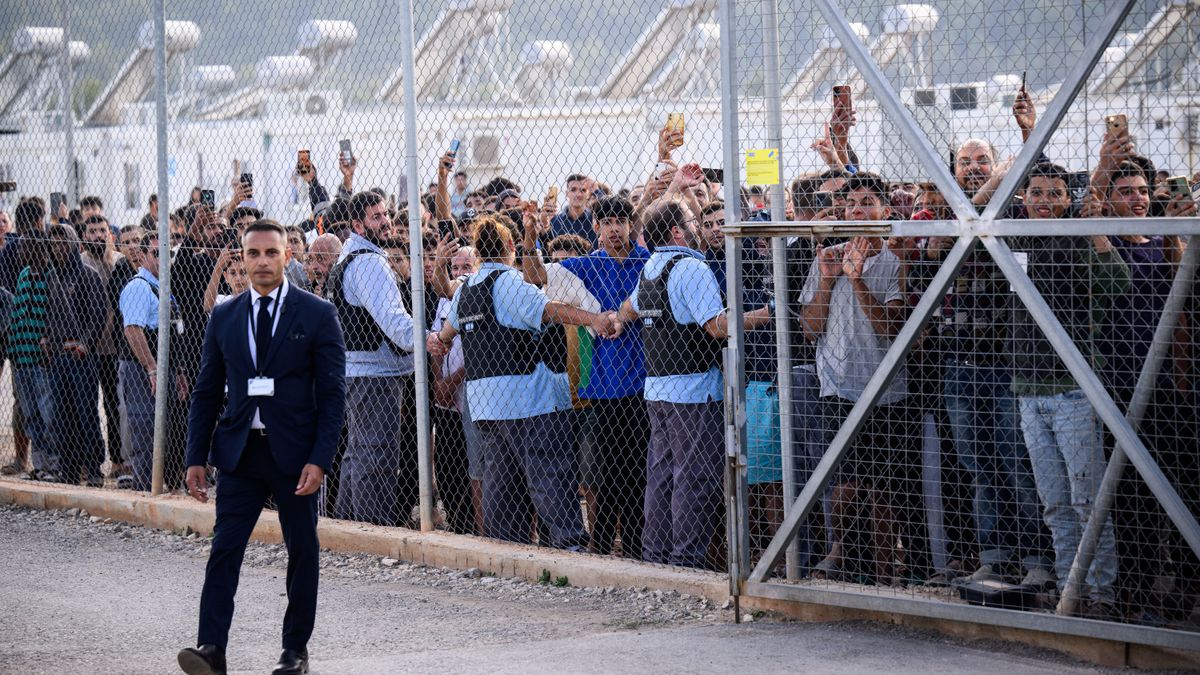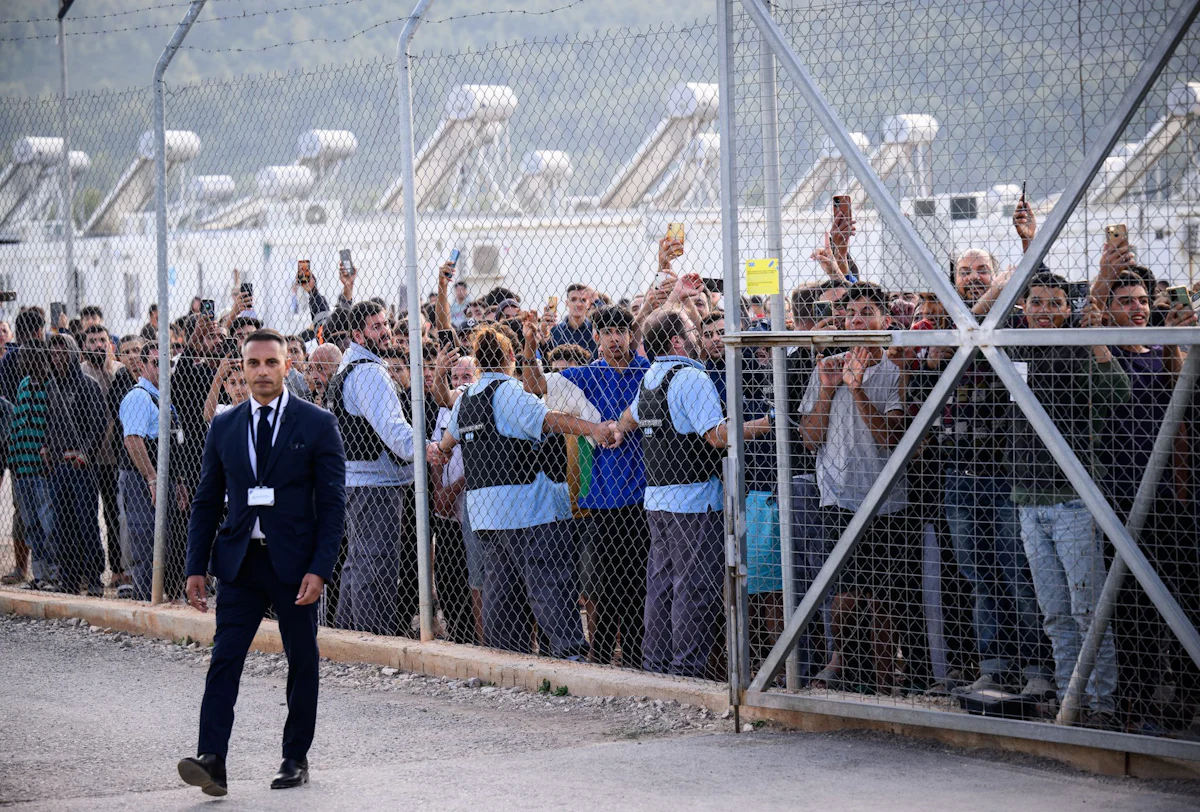
After years of preparation, one of the most significant reforms to asylum law in Germany and the entire European Union takes effect this Friday. The new "Common European Asylum System" (CEAS) will require that asylum seekers undergo a mandatory preliminary screening at the EU's external borders, in an attempt to speed up procedures for people coming from countries with low rates of acceptance of asylum applications.
This means that asylum seekers from countries such as Pakistan, Iran, Russia, Turkey and Nigeria will be subjected to fast-track border procedures in camps that are largely closed off. According to Eurostat, the EU's statistical office, fewer than 20% of the asylum seekers from these and dozens of other countries have their rights to asylum recognized.
Gerald Knaus, an immigration expert and founder of the think tank "European Stability Initiative" (ESI), doubts that this will work. It will still be tough to deport people to their home countries, as rejected asylum seekers will likely just move on to another EU country, says Knaus. "Actually, it has always been the case that the countries where asylum seekers arrive first are responsible for processing their applications. It just hasn't worked out that way. Why should it work now?" he ask.Social scientist and immigration researcher Gerald Knaus doubts that the CEAS will achieve its stated aimsImage: Privat