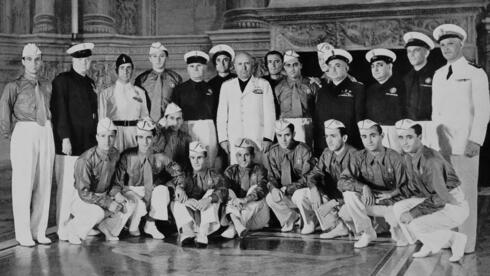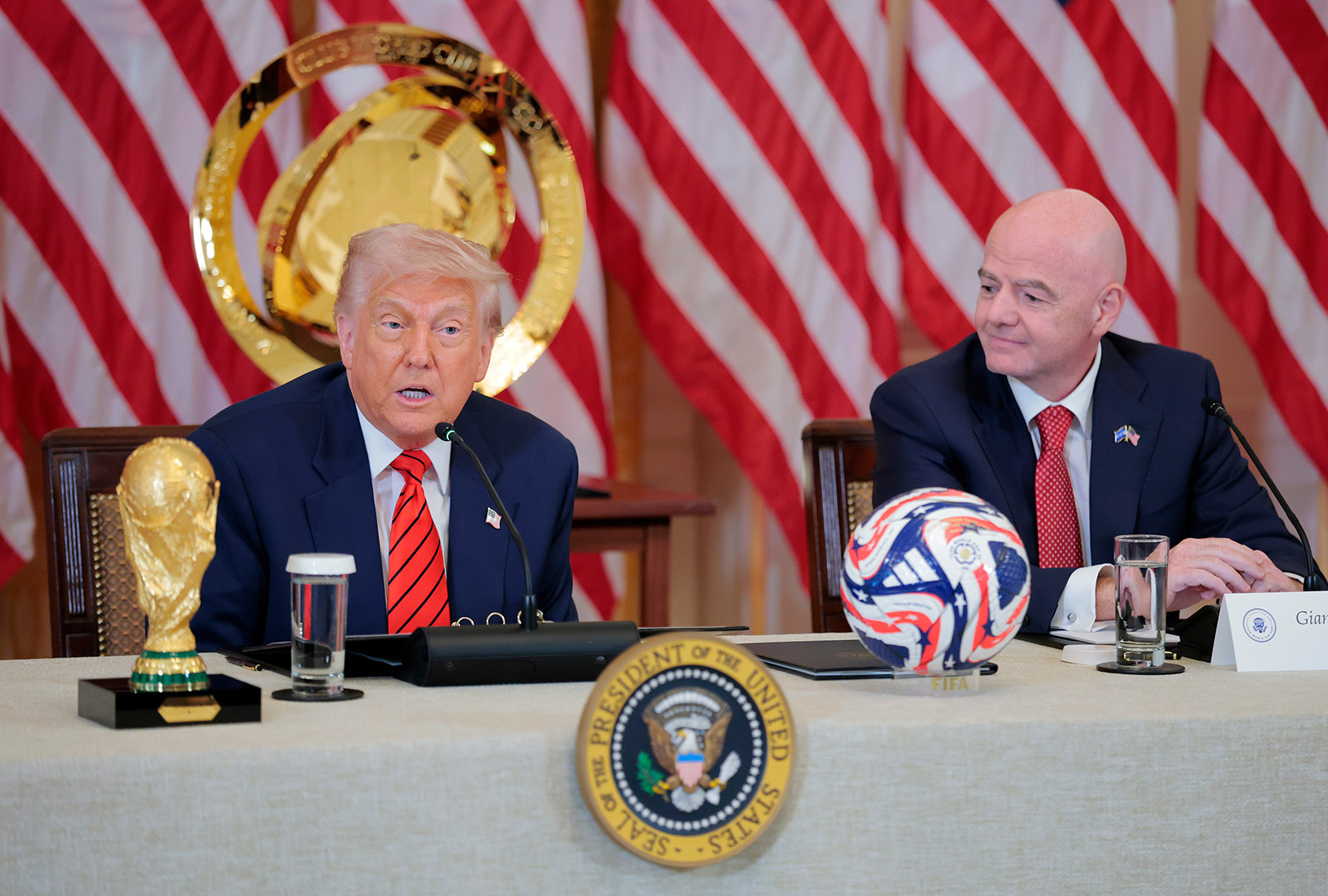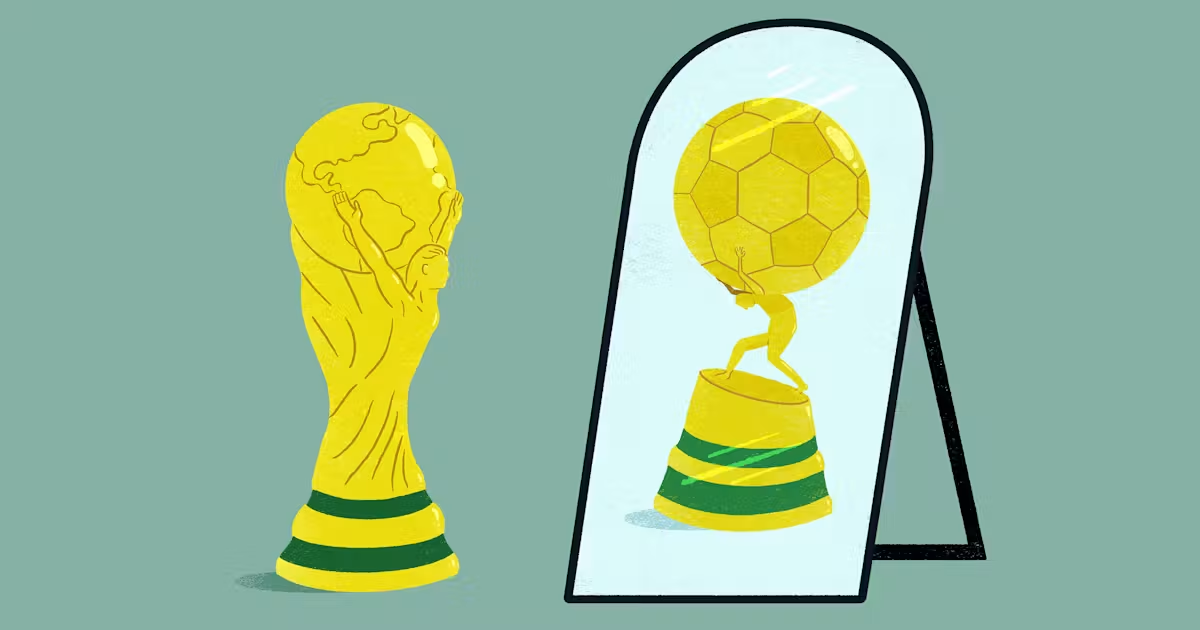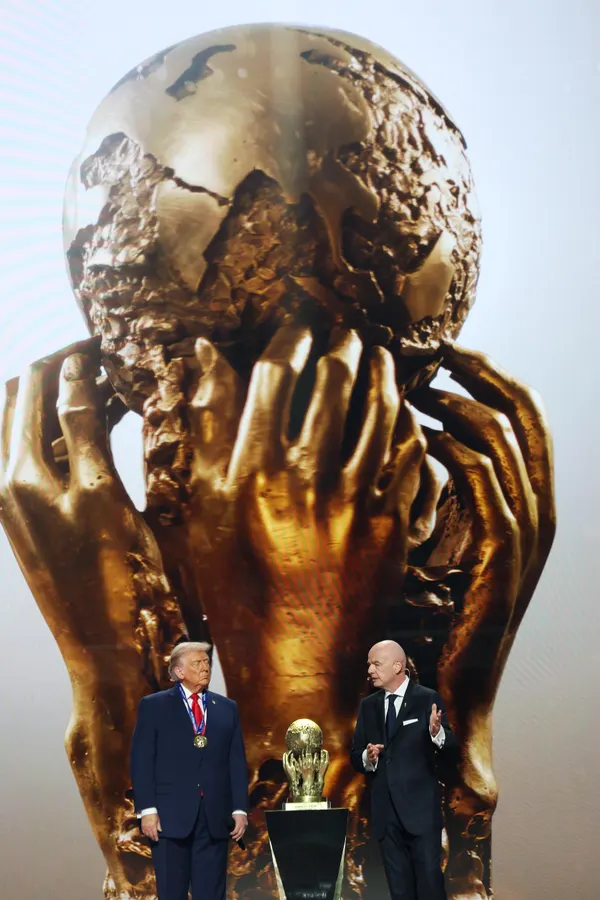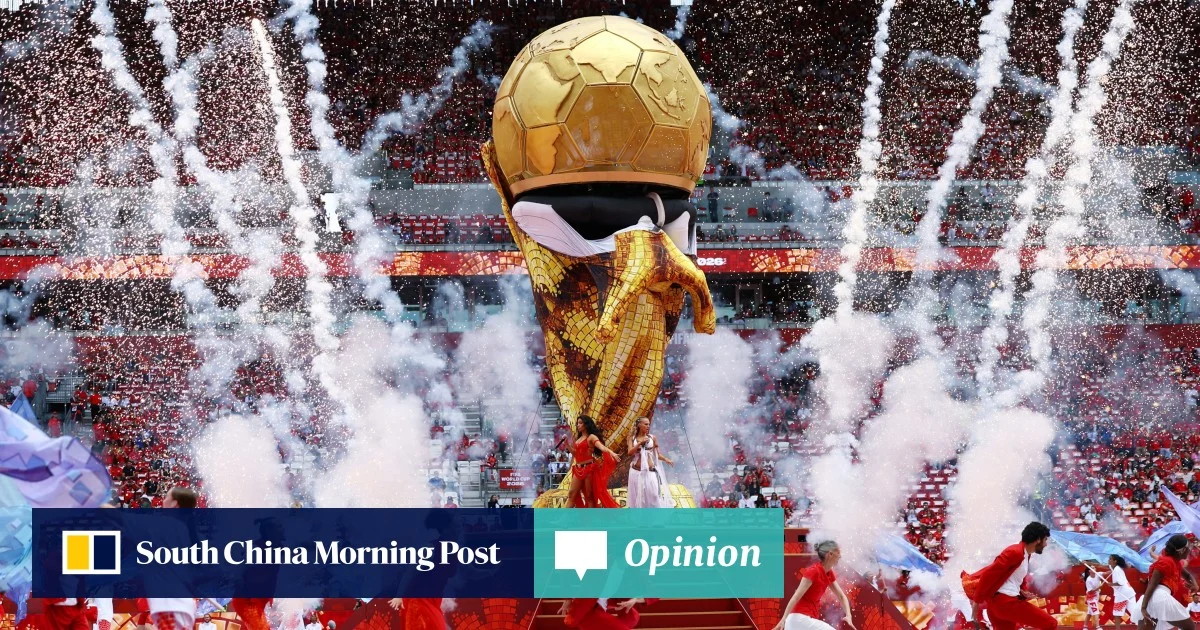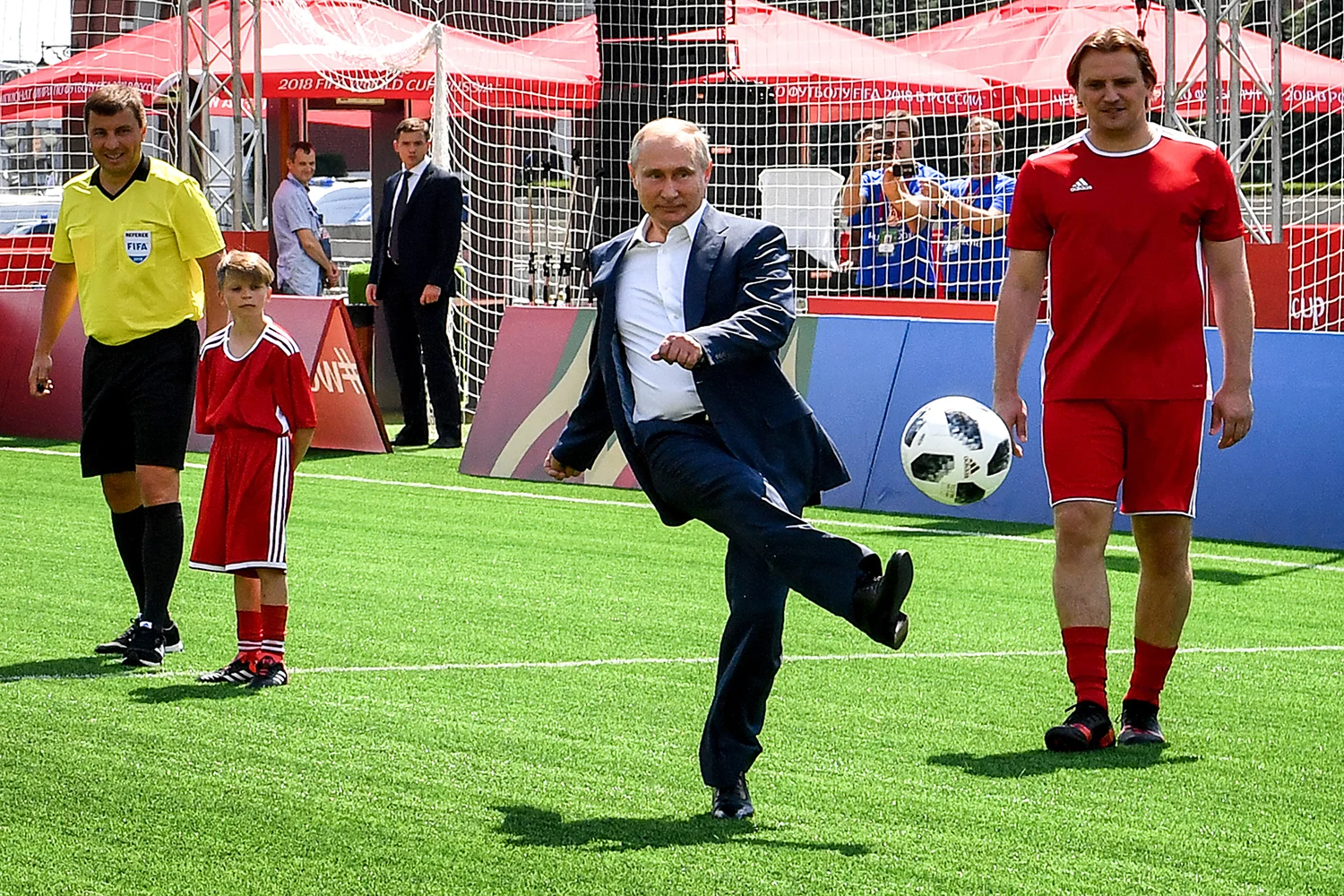
In the nearly centurylong history of soccer’s greatest spectacle, the World Cup has survived dictators, juntas, and a menagerie of autocrats who sought to exploit the tournament for their own glorification. Benito Mussolini turned the 1934 tournament in Italy into a fascist pageant. Argentina’s military rulers in 1978 deployed it as a propaganda weapon even as they were disappearing thousands of their own citizens. Vladimir Putin used the 2018 event to project an image of normalcy in Russia while his forces propped up a murderous regime in Syria.
Jonathan Wilson’s magnificent new history, The Power and the Glory, chronicles all of this and more with the meticulous research and elegant prose that have made him, as World Cup Fever author Simon Kuper puts it, the writer through whom “so much of what we know of football’s history we know.” This is the first serious English-language history of the World Cup since Brian Glanville’s Story of the World Cup, versions of which first came out in the 1970s, and it has arrived just in time for this year’s tournament.
In the nearly centurylong history of soccer’s greatest spectacle, the World Cup has survived dictators, juntas, and a menagerie of autocrats who sought to exploit the tournament for their own glorification. Benito Mussolini turned the 1934 tournament in Italy into a fascist pageant. Argentina’s military rulers in 1978 deployed it as a propaganda weapon even as they were disappearing thousands of their own citizens. Vladimir Putin used the 2018 event to project an image of normalcy in Russia while his forces propped up a murderous regime in Syria.