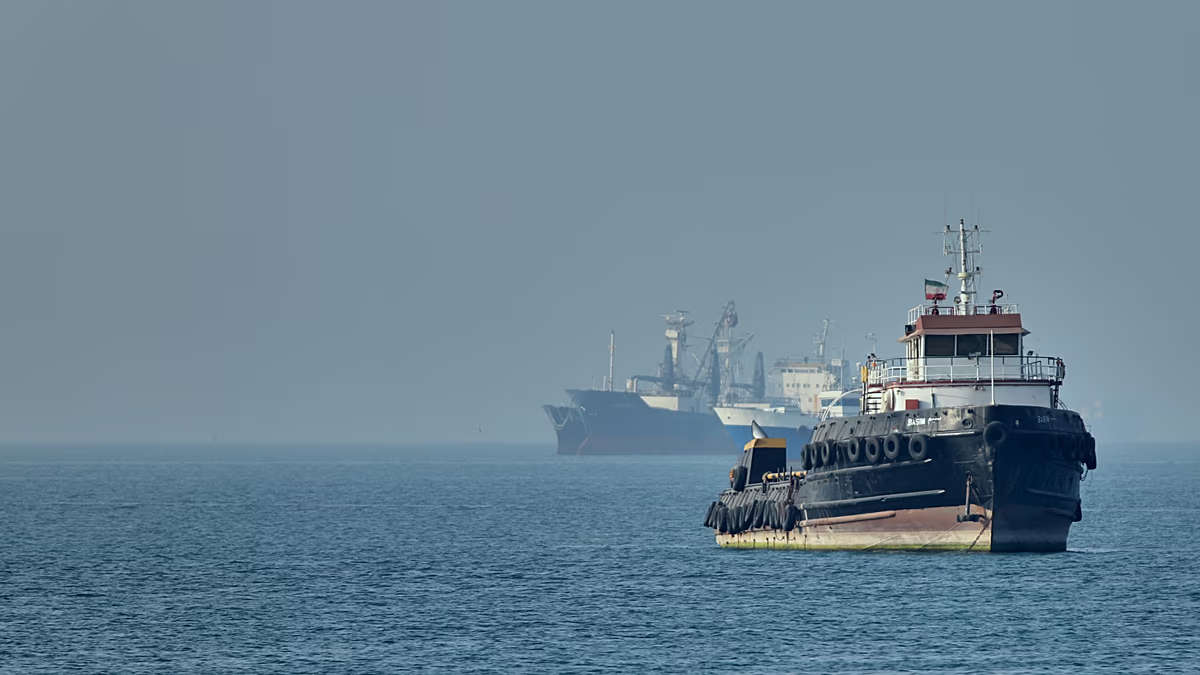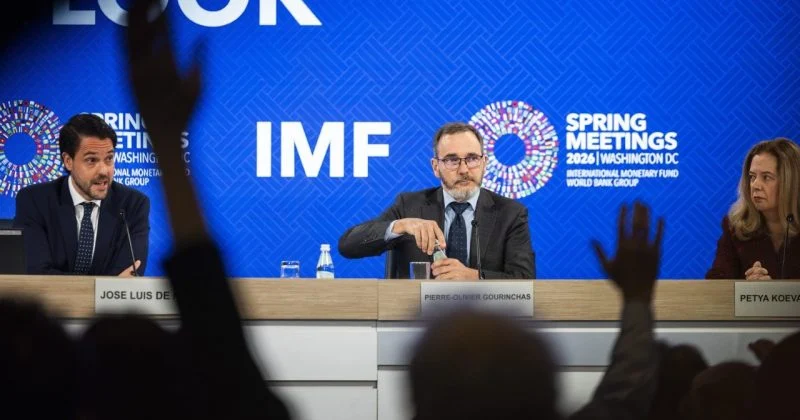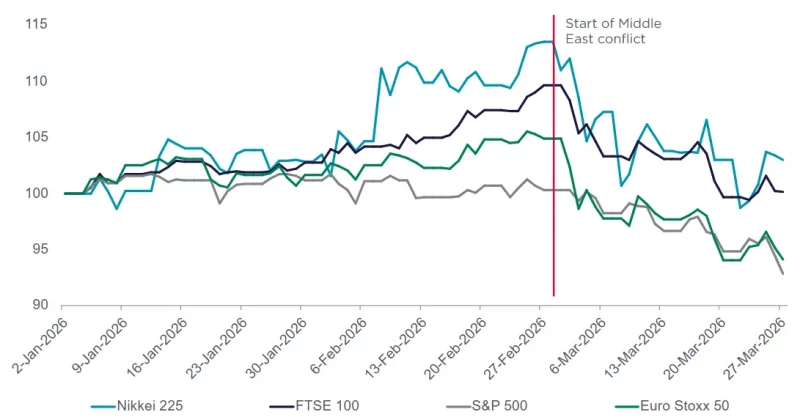
PARIS - The International Monetary Fund warned on June 11 that the energy price shock from the Middle East war, now in its fourth month, would drag down euro-zone growth more than it previously expected, while pushing up inflation further.Even if surging oil and gas prices are “temporary”, the fund said consumer confidence would weaken amid more persistent energy market disruptions, raising the risk of spending pullbacks.Euro-zone growth is now forecast at 0.9 per cent this year, down from its April forecast of 1.1 per cent, before increasing to 1.2 per cent in 2027.Inflation, meanwhile, will reach 2.8 per cent this year, above the April forecast of 2.6 per cent and an increase of 0.8 percentage points from before the US and Israel launched attacks on Iran in late February.The war has effectively shut the Strait of Hormuz to Gulf oil and gas shipments by sea, and officials say damage to production facilities could result in several more months of supply constraints.“An even more persistent energy shock could raise inflation and inflation expectations further, even as a drop in confidence or financial stress could weaken demand,” the IMF said.It noted the challenge for the European Central Bank, which raised its benchmark interest rate to 2.25 per cent on June 11 as it tries to limit the economic hit while keeping inflation in check.The ECB also cut its own 2026 growth forecast, to 0.8 per cent from 0.9 per cent, while raising its inflation estimate to 3 per cent – well above its target of 2 per cent.“The immediate priority is to keep inflation expectations anchored and cushion the impact of the shock within the available fiscal space,” that is without excessive government spending that would further increase public deficits, the IMF said.After the June 11 rate hike, the fund still expects a further 0.25 basis point increase in the ECB’s benchmark rate by the end of this year. AFP
IMF cuts euro-zone growth forecasts again on energy inflation risks
Euro-zone growth is now forecast at 0.9 per cent this year. Read more at straitstimes.com. Read more at straitstimes.com.
TL;DRAI
IMF cuts eurozone growth to 0.9% and inflation to 2.8% as Middle East war blocks Strait of Hormuz energy supplies. For European CTOs: lower IT capex 2026, deferred cloud investments, and margin pressure from energy costs impacting enterprise infrastructure decisions.
319 words~1 min read