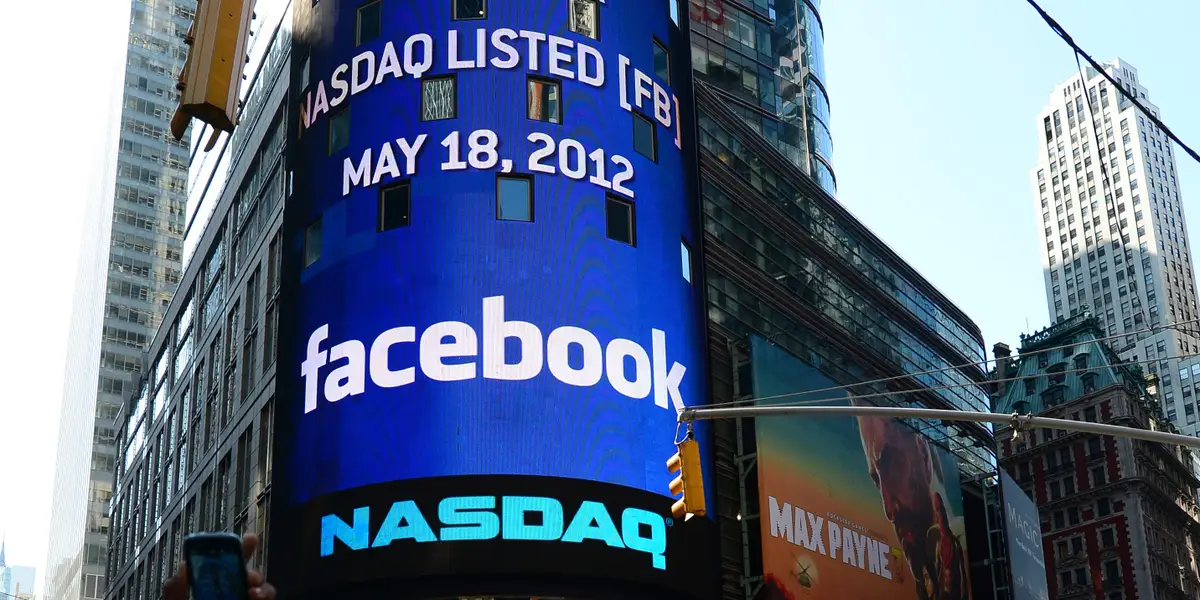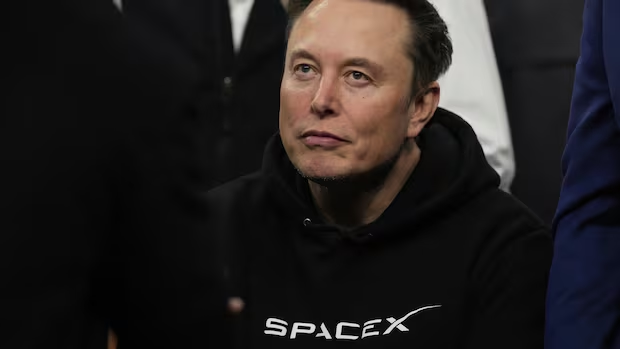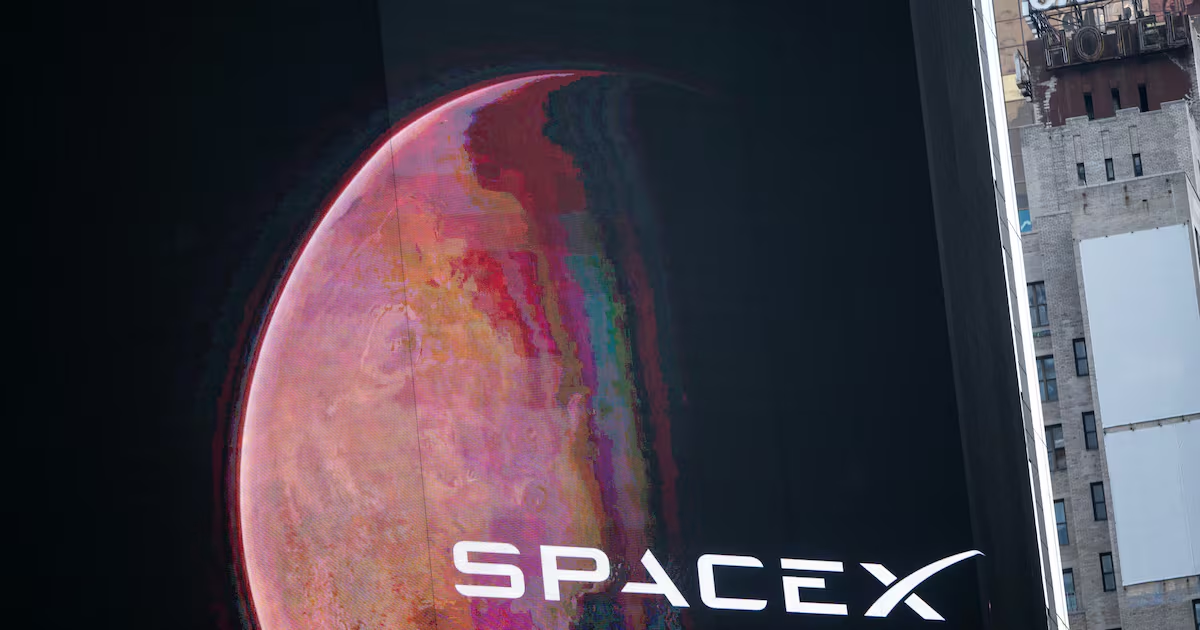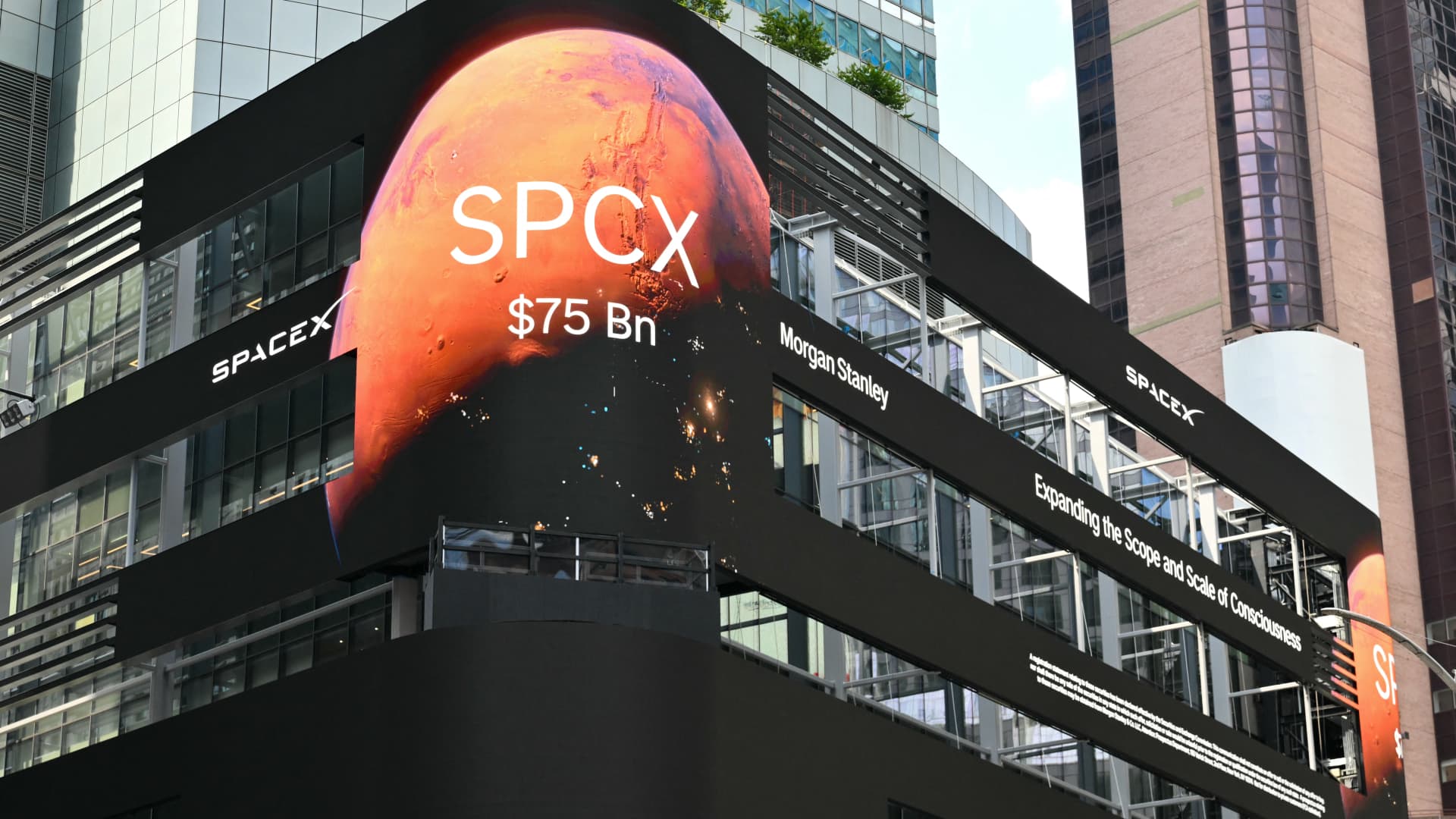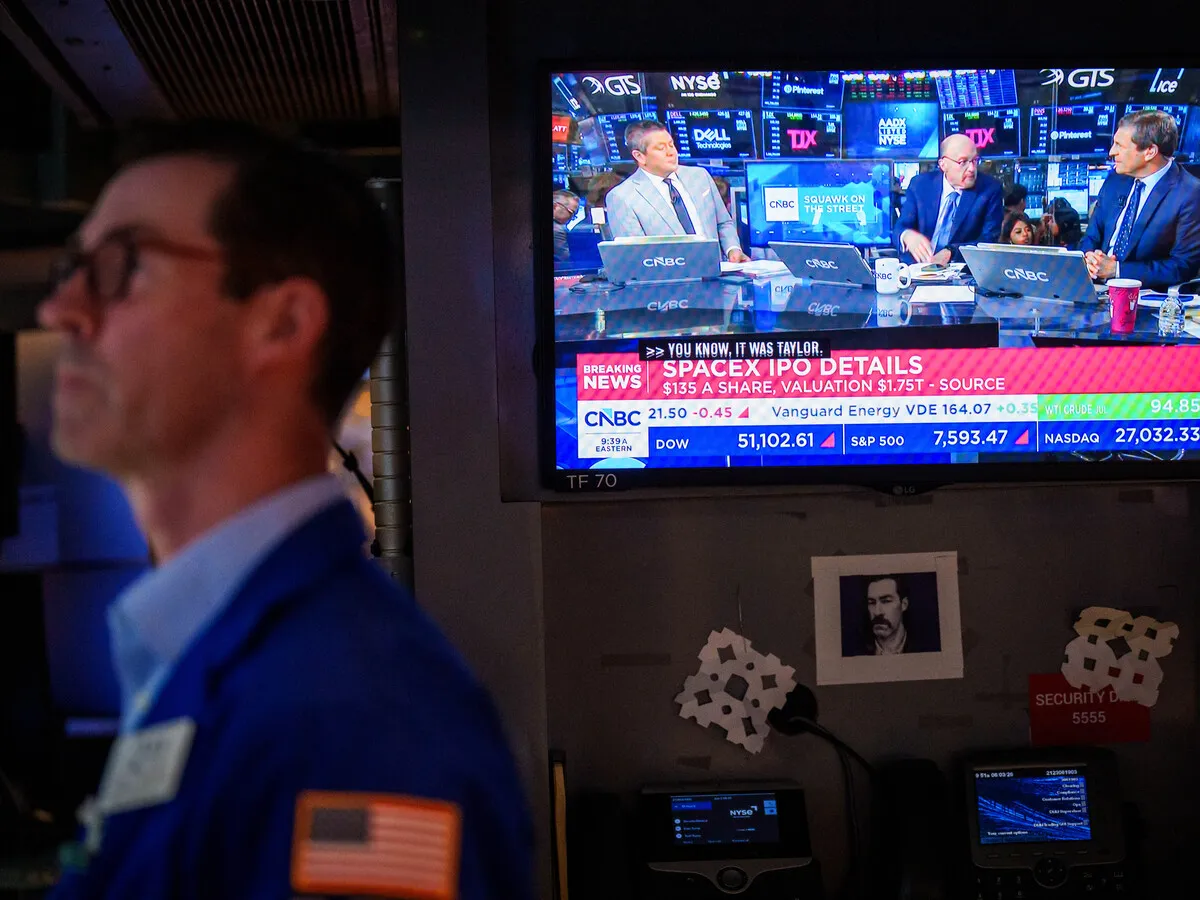
Skip to Content News Archives Economy Energy Oil & Gas Renewables Electric Vehicles Mining Commodities Agriculture Real Estate Mortgages Mortgage Rates Finance Banking Insurance Fintech Cryptocurrency Work Wealth Smart Money Wealth Management Investor Personal Finance Family Finance Retirement Taxes High Net Worth FP Comment Executive Women Puzzmo Newsletters Financial Times Business Essentials More Innovation Information Technology FP500 Podcasts Small Business Lives Told Tails Told Shopping Financial Post Store Obituaries Place a Notice Advertising Advertising With Us Advertising Solutions Postmedia Ad Manager Sponsorship Requests Classifieds Place a Classifieds ad Working Profile Settings My Subscriptions Saved Articles My Offers Newsletters Customer Service FAQ News Economy Energy Mining Real Estate Finance Work Wealth Investor FP Comment Executive Women Puzzmo Newsletters Financial Times Business Essentials HomeInvestorHow SpaceX's IPO frenzy compares with previous FOMO investments and how they turned outPeter Hodson: From the dot-com bubble to bitcoin, 'fear of missing out' has led investors to massive gains, or big losses You can save this article by registering for free here. Or sign-in if you have an account.We do not know how SpaceX will fare the rest of this year, but we do know it is expensive, even before any IPO pop after listing. Photo by Adam Gray/BloombergHaving been in the investment business now for 41 years and having bought my first stock 52 years ago (Mitel Corp.), I feel safe in saying I have seen a few things in my time.Subscribe now to read the latest news in your city and across Canada.Exclusive articles from Barbara Shecter, Joe O'Connor, Gabriel Friedman, and others.Daily content from Financial Times, the world's leading global business publication.Unlimited online access to read articles from Financial Post, National Post and 15 news sites across Canada with one account.National Post ePaper, an electronic replica of the print edition to view on any device, share and comment on.Daily puzzles, including the New York Times Crossword.Subscribe now to read the latest news in your city and across Canada.Exclusive articles from Barbara Shecter, Joe O'Connor, Gabriel Friedman and others.Daily content from Financial Times, the world's leading global business publication.Unlimited online access to read articles from Financial Post, National Post and 15 news sites across Canada with one account.National Post ePaper, an electronic replica of the print edition to view on any device, share and comment on.Daily puzzles, including the New York Times Crossword.Create an account or sign in to continue with your reading experience.Access articles from across Canada with one account.Share your thoughts and join the conversation in the comments.Enjoy additional articles per month.Get email updates from your favourite authors.Create an account or sign in to continue with your reading experience.Access articles from across Canada with one accountShare your thoughts and join the conversation in the commentsEnjoy additional articles per monthGet email updates from your favourite authorsSign In or Create an AccountorBut I am not sure if I have ever seen the level of “fear of missing out” (FOMO) that has surrounded the recent initial public offering (IPO) of Space Exploration Technologies Corp. (SpaceX). At 5i Research, we received hundreds of questions on whether investors should buy shares, and what they should sell to fund a purchase. We will discuss SpaceX and the FOMO surrounding it and we also thought we would take a look at some other instances where investors went gaga, and how things turned out for them. Let’s start with SpaceX.Canada's best source for investing news, analysis and insight.By signing up you consent to receive the above newsletter from Postmedia Network Inc.A welcome email is on its way. If you don't see it, please check your junk folder.The next issue of Investor will soon be in your inbox.We encountered an issue signing you up. Please try againBrokers have reported that the demand from institutional investors was for “several times” the available shares in the IPO. Experts have called it a once-in-a-generation listing with intense retail demand and FOMO. The Elon Musk brand, the “coolness” of a space company, the sheer size of the deal and the historical performance of his electric vehicle company Tesla Inc. (up 2,878 per cent in the past decade, according to Bloomberg) have all contributed to the excitement surrounding the listing. Stock market indexes are considering changing their listing rules so SpaceX could go into them without the usual waiting period. Fund managers have predicted up to a US$14 trillion projected market opportunity for the company. How will this all work out? Well, at time of publication the stock will have barely started trading. FOMO typically results in high valuations and although SpaceX is not profitable now so a price-to-earnings ratio can’t be calculated, it has a price-to-sales ratio of about 100 times. We do not know how SpaceX will fare the rest of this year, but we do know it is expensive, even before any IPO pop after listing.In 1998 to 2000, investors flocked to any technology or internet company, fearing they would miss out on the new era of online commerce. Companies added a simple “.com” to their corporate name and saw their valuations sometimes double overnight. Investors bid up any company that had anything to do with the internet. The Nasdaq Composite index rose about 21 per cent in 1997, 40 per cent in 1998 and 86 per cent in 1999. How did this FOMO turn out? Well, the Nasdaq fell 78 per cent in the next three years. Most dot-coms went bankrupt, or were acquired at fractions of their former valuations. A few, such as Amazon.com Inc. and Microsoft Corp., survived and prospered. But the Nasdaq market did not regain its former peak until 2015.Gamestop shares soared more than 2,000 per cent in early 2021 as users in social media platform Redditt’s high-risk trading forum, WallStreetBets, executed a near-perfect short squeeze on the stock. Interested investors can watch the movie Dumb Money for more details. Millionaires were made overnight (on paper only for some), some funds that were shorting the stock actually shut down and FOMO was high as the stock went to about US$87 briefly from a low of 70 cents U.S. the prior year (prices adjusted for stock splits). The aftermath? Following the short squeeze, Gamestop stock collapsed about 90 per cent in the following weeks and FOMO investors suffered large losses. The stock is down about 60 per cent over the past five years.Viral success stories and new millionaires and a social media frenzy pushed bitcoin to about US$20,000 in 2017, with many investors jumping in with full FOMO even though many didn’t even know what bitcoin was. The cryptocurrency rose 1,375 per cent that year before plunging. Sure, bitcoin is much higher now, so long-term investors have still made out fine. But the 2017 FOMO investors lost 74 per cent in 2018 if they couldn’t stand the pressure and sold. FOMO bitcoin buyers who held needed to wait three years just to break even.After the dot-com crash there was a recession and interest rates moved lower. Investors thus flocked to real estate, believing it was a “safe” investment. FOMO drove massive buying in homes and mortgage-backed securities. U.S. house prices nearly doubled from 1996 to 2006, with most of that gain occurring from 2002 to 2006. People with regular jobs owned two, three, four houses. There is a movie about this also: The Big Short. Mortgages were being thrown around without checking income. Securitizations packaged up “garbage” loans and passed them off as AAA-rated investments. We all know how this one ended up. The FOMO trade almost ended up collapsing the world’s financial system. House prices collapsed as owners simply walked away from mortgages. Bankruptcies were common. Credit seized up. The S&P index fell 38.5 per cent in 2008, the worst year ever since its inception in its modern form.Peter Hodson, CFA, is founder of 5i Research Inc., an independent investment research network helping do-it-yourself investors reach their investment goals. He is also portfolio manager for the i2i Long/Short U.S. Equity Fund. (5i Research staff do not own Canadian stocks. i2i Long/Short Fund may own non-Canadian stocks mentioned.) If you like this story, sign up for the FP Investor Newsletter. Join the Conversation This website uses cookies to personalize your content (including ads), and allows us to analyze our traffic. Read more about cookies here. By continuing to use our site, you agree to our Terms of Use and Privacy Policy.
How SpaceX's IPO frenzy compares with previous FOMO investments and how they turned out
Peter Hodson: From the dot-com bubble to bitcoin, the fear of missing out has led investors to some massive gains, or big losses. Read on
1,391 words~6 min read