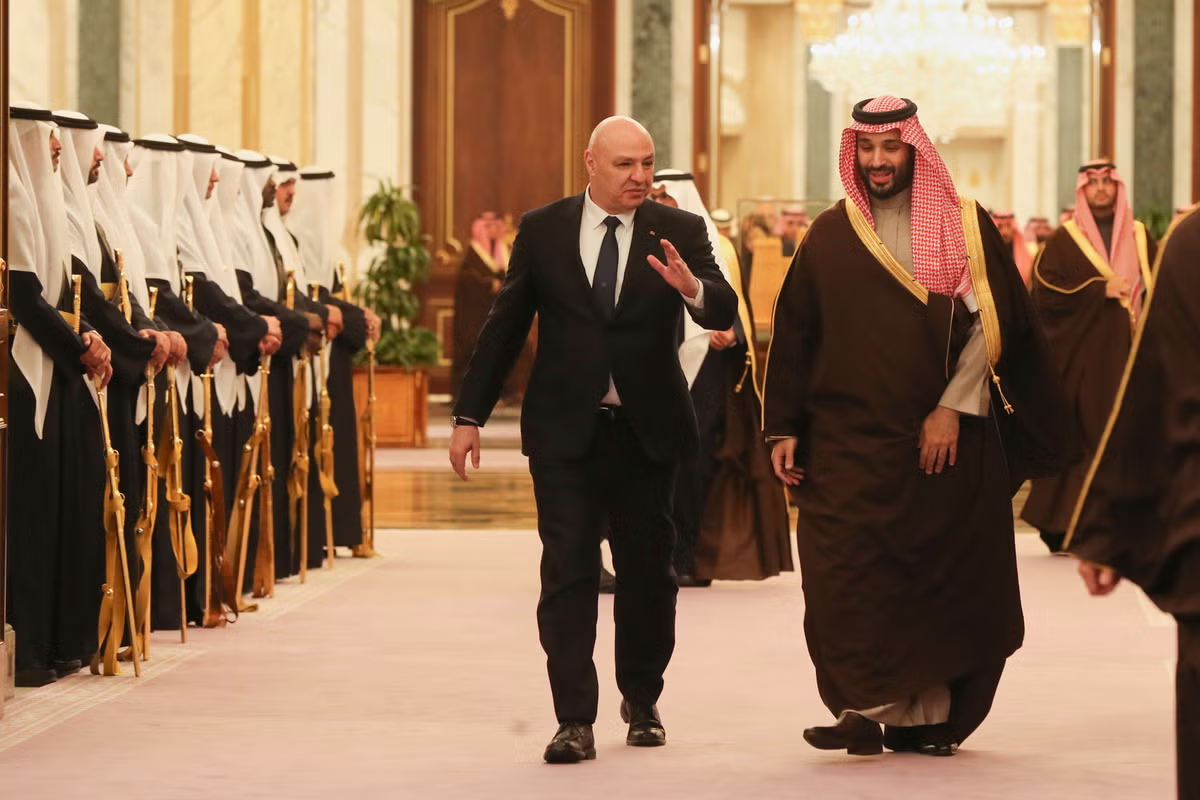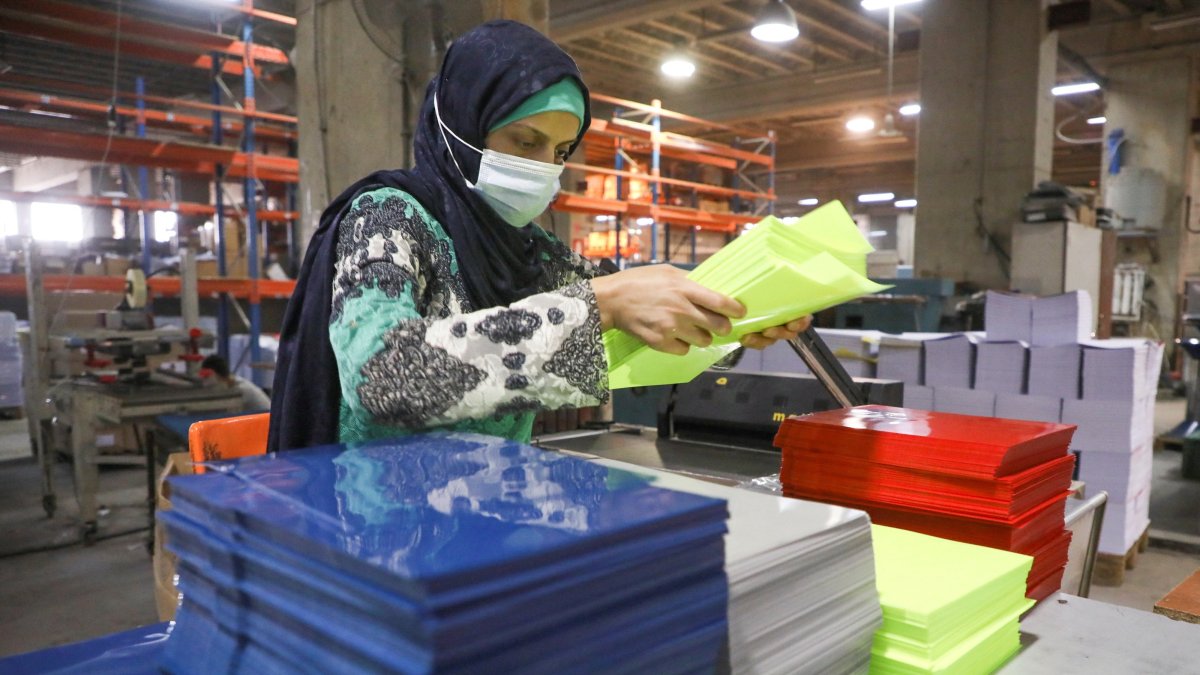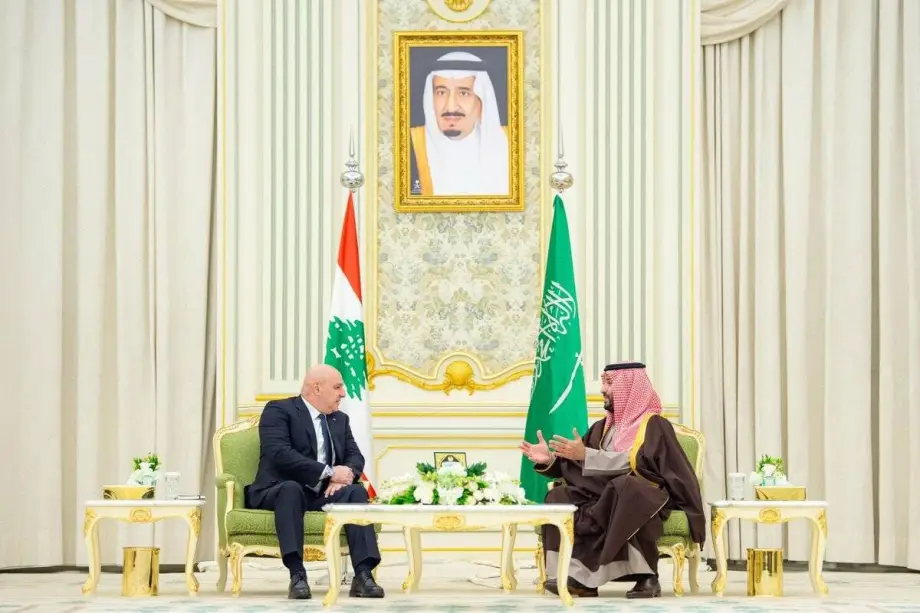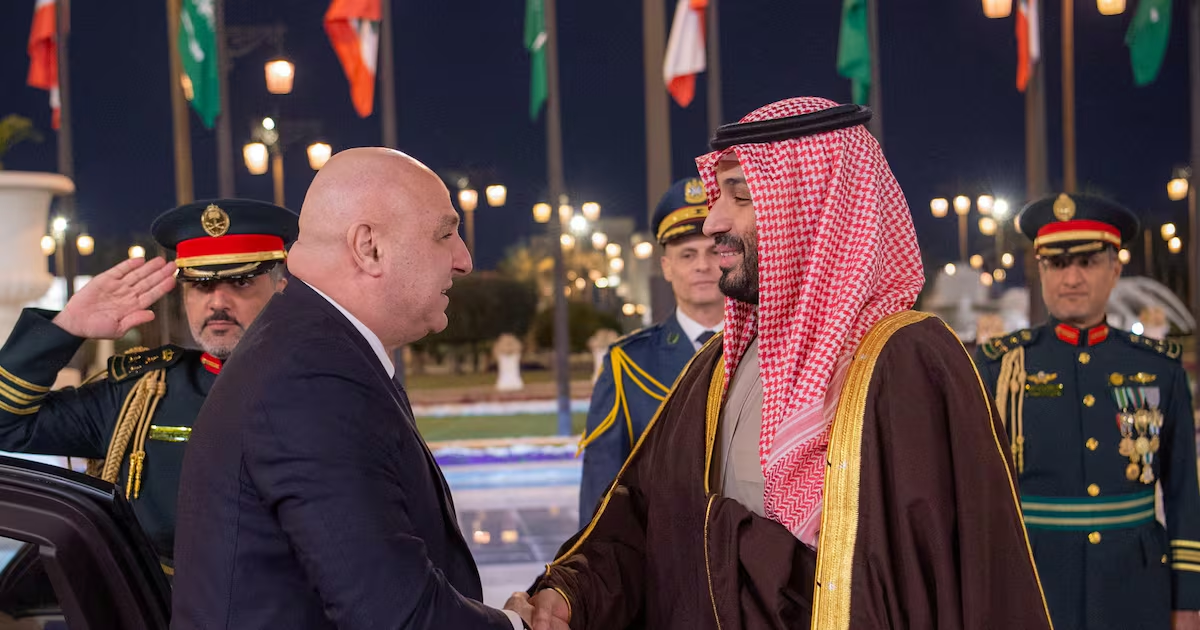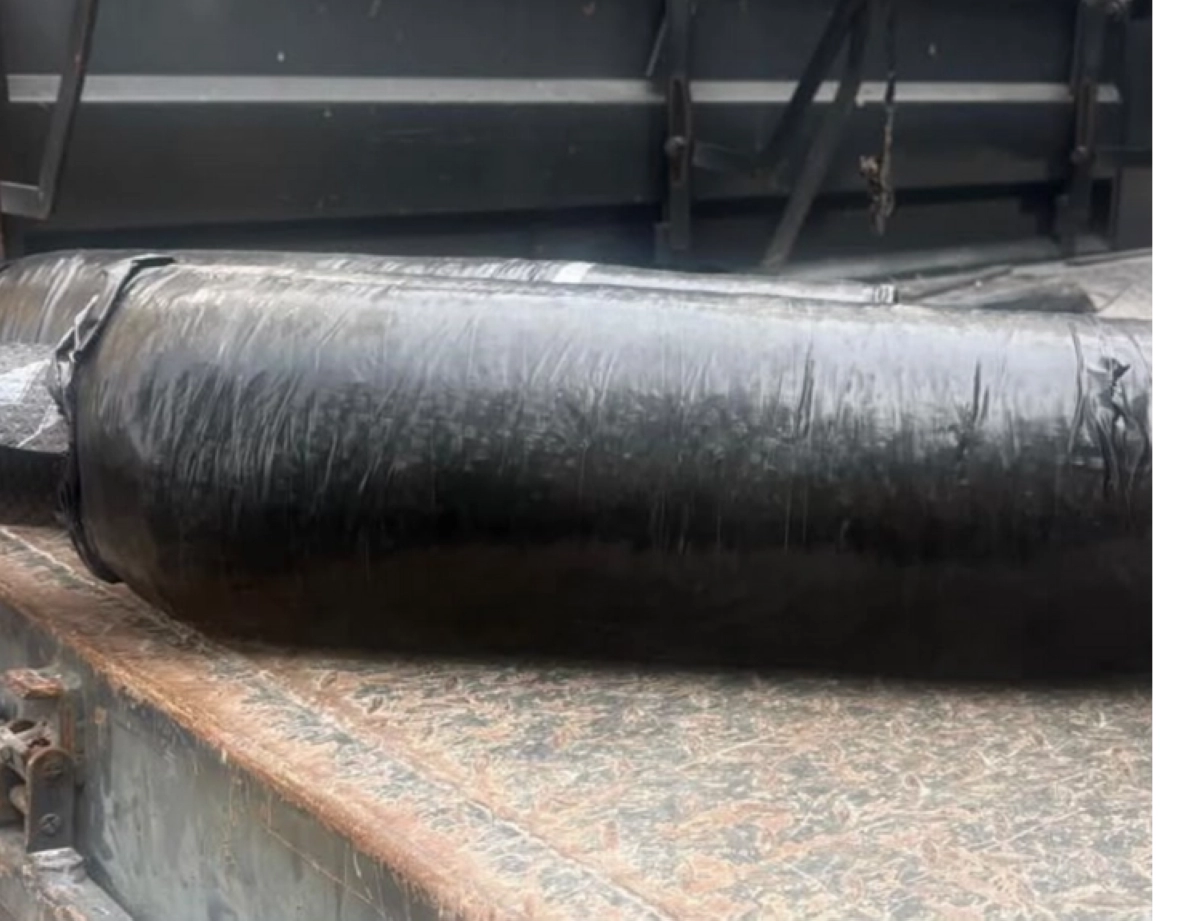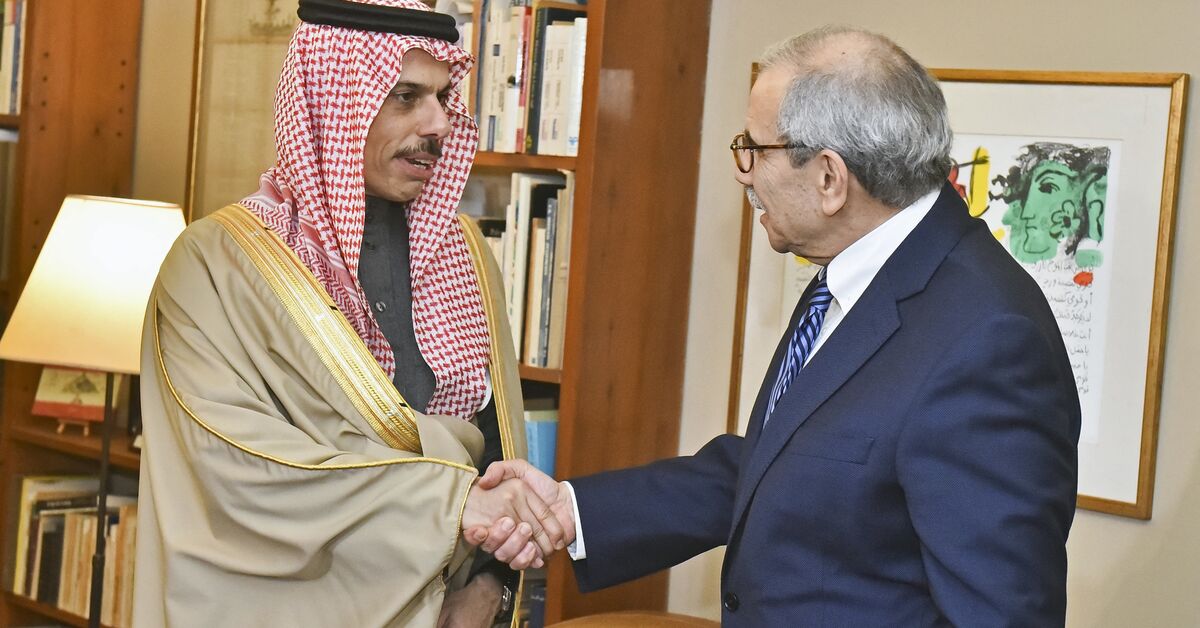
BEIRUT — Saudi Arabia resumed imports from Lebanon on Wednesday, ending a five-year ban and marking a breakthrough for Beirut as Lebanese authorities seek to reduce Iranian influence and restore ties with the Arab Gulf countries.What happened: Saudi Crown Prince Mohammed bin Salman on Wednesday ordered the resumption of Lebanese exports to the kingdom, citing what he described as the “positive steps taken by the Lebanese government toward rebuilding state institutions.”The decision came at the request of Lebanese President Joseph Aoun and Prime Minister Nawaf Salam, according to Saudi state-run news agency SPA.Saudi Foreign Minister Prince Faisal bin Farhan informed Salam of the decision during a phone call on Wednesday, SPA added.Salam later issued a statement expressing his “gratitude and appreciation” to Prince Mohammed for his “generous” decision to lift the ban, while also thanking Prince Faisal for his “diligent follow-up on this file.”Background: Saudi Arabia banned the import and transit of fruits and vegetables from Lebanon in April 2021 after authorities seized more than 5.3 million Captagon pills hidden in a pomegranate shipment from the Mediterranean country.The incident heightened longstanding Saudi concerns about drug-smuggling networks operating from Lebanon and Syria. Several countries, including the United States and Gulf states, have accused Hezbollah of involvement in regional narcotics trafficking, allegations the group has repeatedly denied.Later that year, Saudi Arabia broadened the restrictions to cover all Lebanese imports amid a diplomatic dispute triggered by comments from then-Information Minister George Kordahi criticizing the Saudi-led military campaign in Yemen.Since taking office, Lebanon's new authorities have stepped up efforts to curb smuggling, carrying out several drug busts in coordination with Saudi Arabia over the past year.Economic impact: The Saudi ban added to Lebanon's economic woes as the country grappled with a financial crisis that erupted in October 2019.In 2020, a year before Saudi Arabia halted imports from Lebanon, the kingdom was one of Lebanon's leading export markets, purchasing nearly $230 million worth of Lebanese products, or about 5.6% of the country's total exports, according to Lebanese Customs data.The trade deficit between the two countries reached $885 million in 2024, a significant increase from the annual average of $108 million recorded between 2016 and 2021, according to customs figures.Aoun said the decision to lift the export ban “will contribute tangibly to reviving the national economy and providing support to broad segments of Lebanese producers and exporters.”Saudi-Lebanon ties: Saudi Arabia long served as a key partner of Lebanon, providing billions of dollars in assistance following the 1989 Taif Accord that ended the Lebanese civil war.Relations deteriorated, however, as Hezbollah's influence expanded after the 2005 assassination of former Prime Minister Rafik Hariri, a close Saudi ally. The decline culminated in 2021, when Saudi Arabia and several Gulf countries recalled their ambassadors over comments on the Yemen war by a Lebanese minister aligned with Hezbollah.In 2016, the Gulf Cooperation Council designated Hezbollah as a terrorist organization.Why it matters: The Saudi move to resume Lebanese exports comes as Aoun's government seeks to curb Hezbollah and Iranian influence while restoring ties with Arab Gulf states.In the phone conversation with Salam, Prince Faisal reaffirmed his country’s support for Lebanon’s stability and sovereignty over all of its territory. According to SPA, he said that “Lebanon will continue to take all necessary measures to ensure the country is not utilized as a staging ground to harm its neighbors.”In March, the government announced a ban on the group’s military and security activities in response to a rocket attack it launched at the start of that month that triggered the Israeli war on Lebanon. Beirut later withdrew the accreditation of Iran's ambassador.Lebanon was drawn into the Middle East conflict on March 2 after Hezbollah claimed responsibility for an attack on Israel, which it said was in support of Iran. Since April, Lebanese and Israeli diplomats have engaged in direct talks in the United States aimed at reaching an agreement to end Israeli attacks.Know more: Meanwhile, Saudi Arabia has been leading a parallel diplomatic track in Lebanon, reportedly communicating with parliament speaker Nabih Berri, who serves as the main intermediary for Hezbollah in negotiations.The local Al-Jadeed channel reported on Thursday the arrival of Saudi envoy Prince Yazid bin Farhan to Beirut for an official visit.Prince Yazid, who oversees the Lebanese file, previously visited Lebanon in April, where he met twice with Berri. The latter had also dispatched his aide, lawmaker Ali Hassan Khalil, to Riyadh. It remains unclear what was discussed during Khalil’s trip.Saudi Arabia’s behind-the-scenes activity has reportedly helped secure an extension of the ceasefire between Israel and Lebanon that was initially announced by President Donald Trump on April 16.
Saudi Arabia lifts 5-year ban on Lebanon imports: What to know
Saudi Arabia had been a main donor for Lebanon before ties strained during Hezbollah’s rising influence in the country.
765 words~3 min read