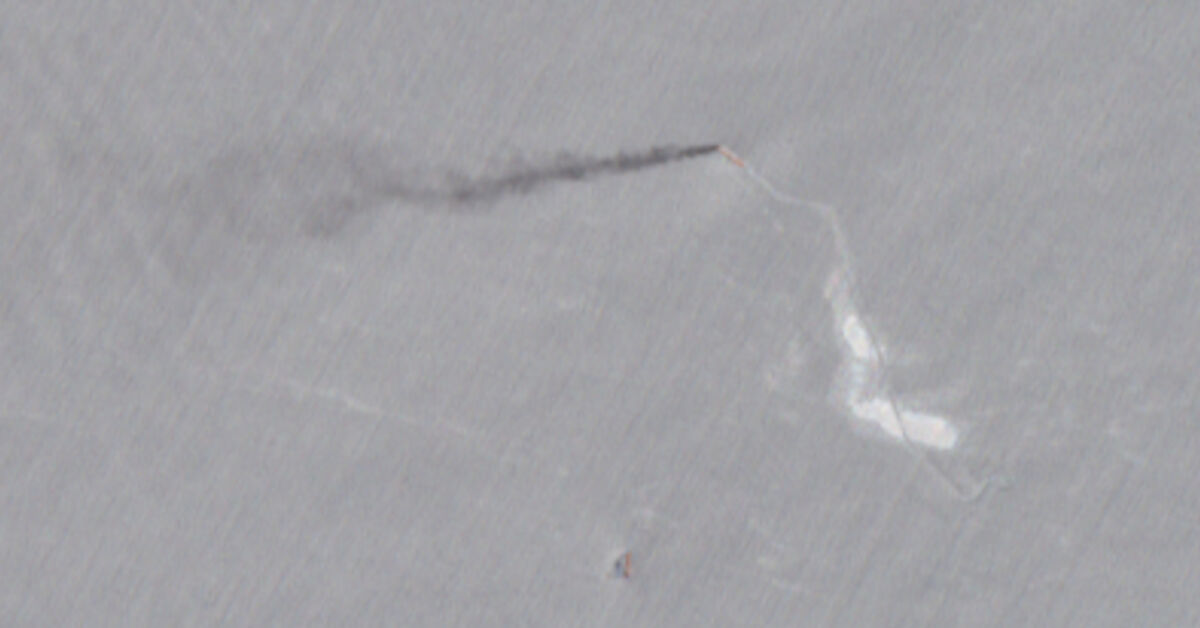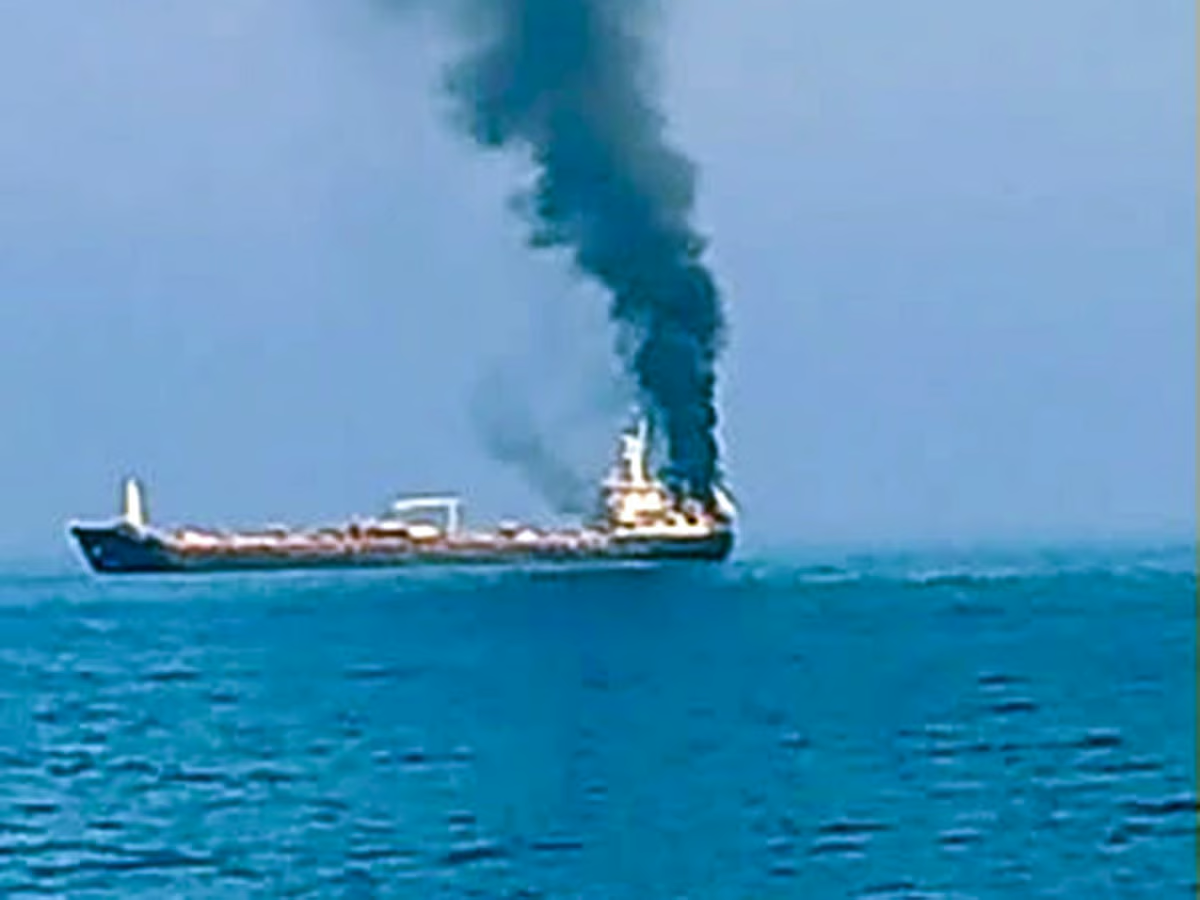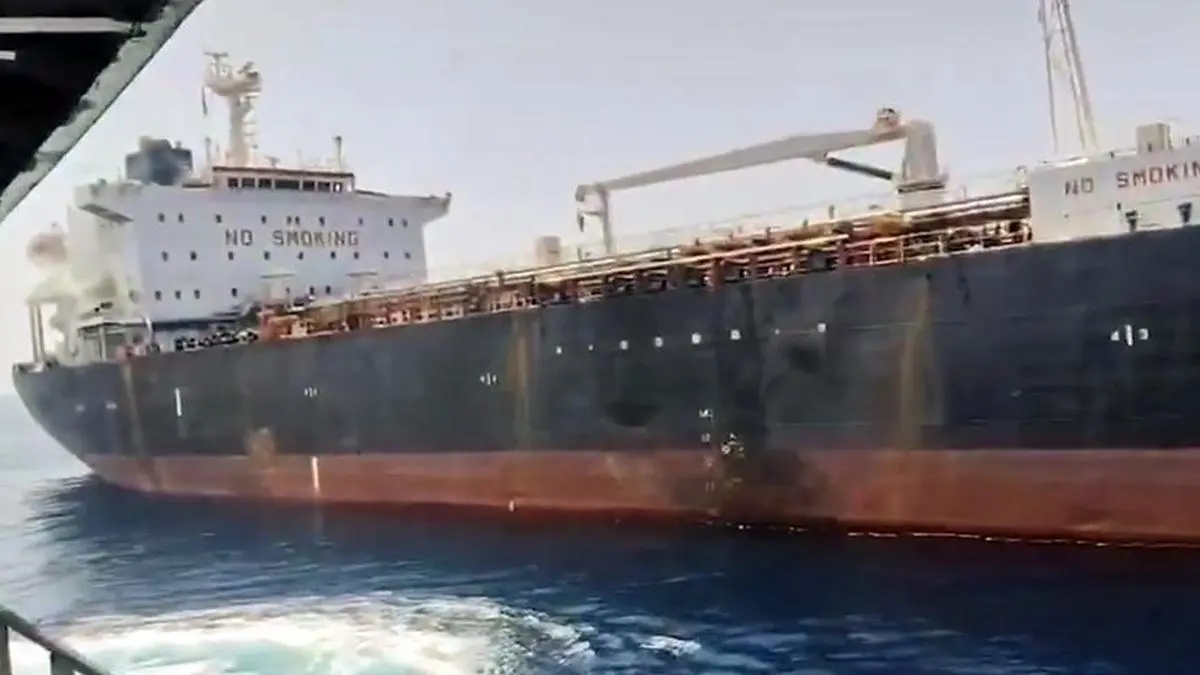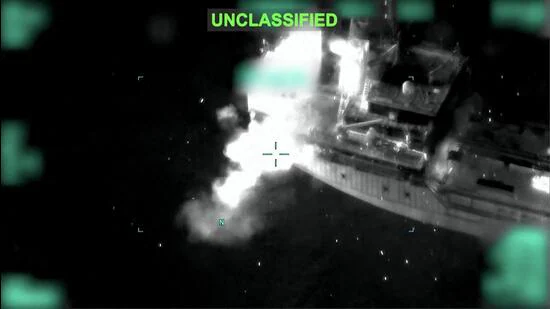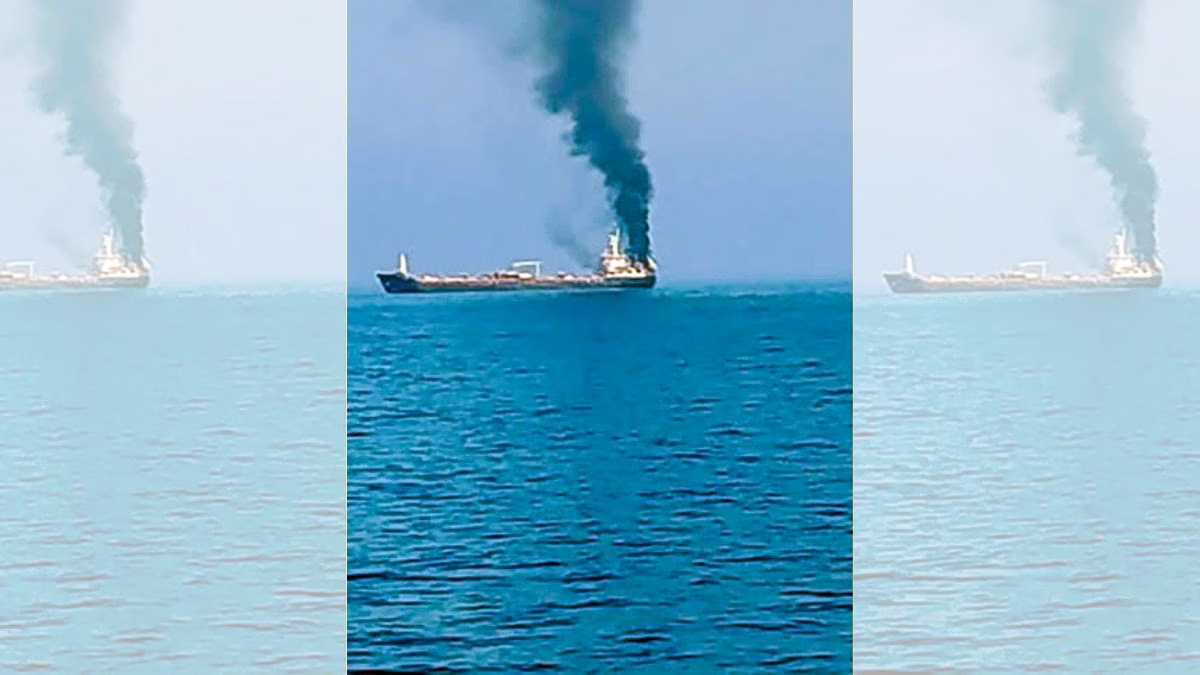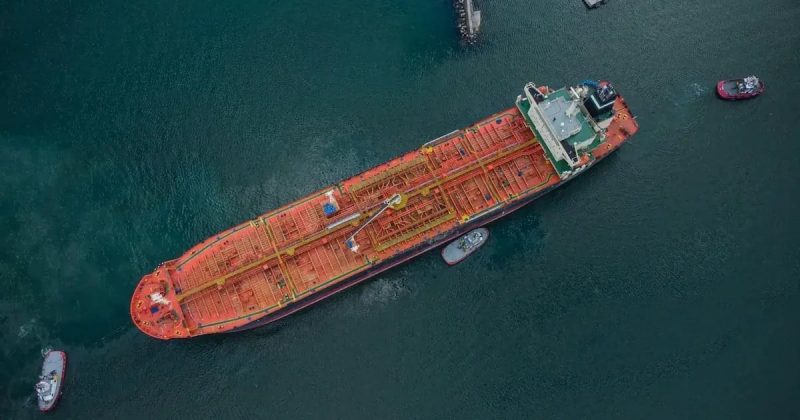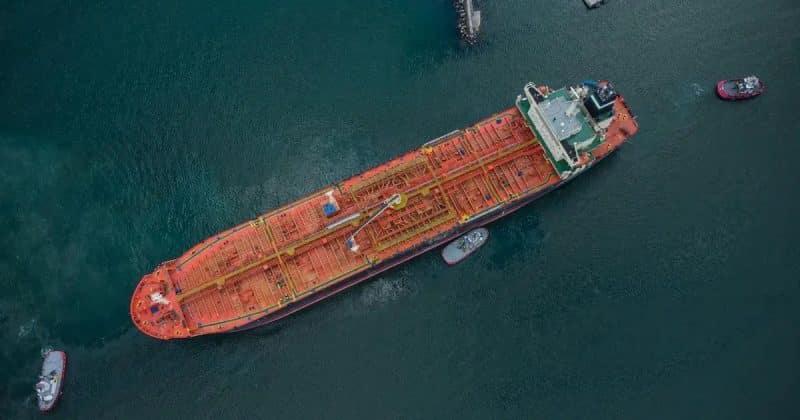
The US military fired two Hellfire missiles into the engine room of an oil tanker in the Gulf of Oman on June 11, disabling a vessel called the M/T Jalveer and marking the third strike on an Indian-crewed ship in a single week. All 20 Indian crew members aboard were reported safe, but the broader picture is far grimmer.
Earlier in the week, a strike on the Palau-flagged M/T Settebello killed three Indian sailors. Those were the first fatalities since the US began enforcing a naval blockade targeting Iranian oil exports on April 13. India’s government is, to put it mildly, furious.
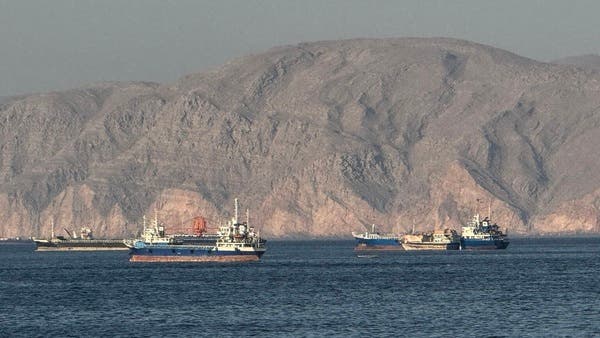
What’s actually happening in the Gulf of Oman
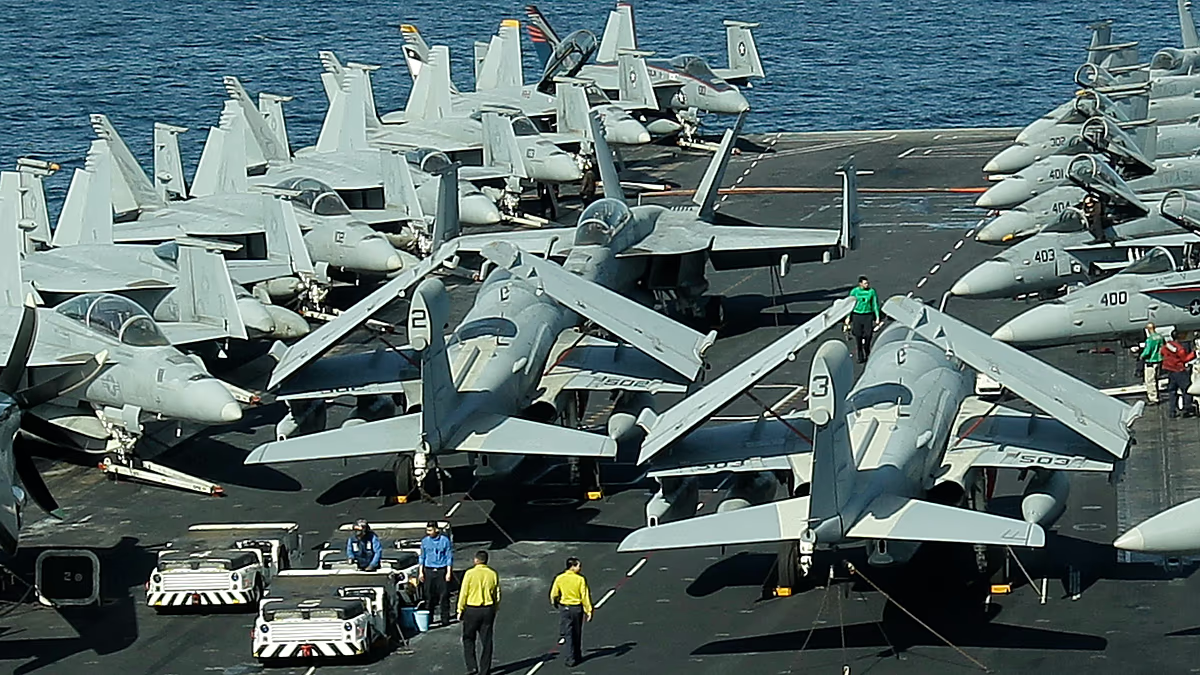
Since mid-April, US Central Command has been running a naval blockade designed to choke off Iran’s ability to export crude oil. The campaign has resulted in at least nine documented vessel disablements across roughly two months of operations. The targets have been ships that CENTCOM says violated the blockade, often flagged under countries like Palau and Guinea-Bissau but crewed predominantly by Indian nationals.
The M/T Jalveer incident followed that playbook precisely. According to CENTCOM’s account, the crew was given repeated warnings before the two Hellfire missiles were fired directly into the engine room. The ship was disabled but didn’t sink, and its crew survived.