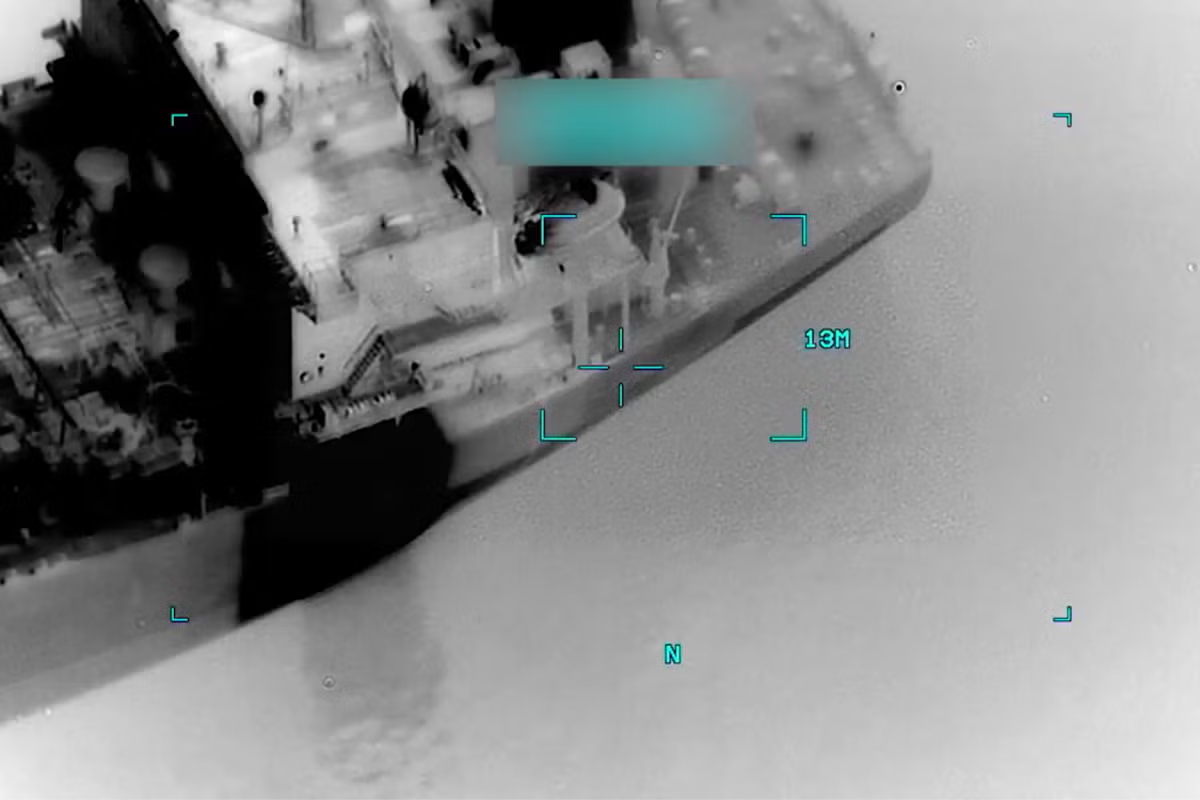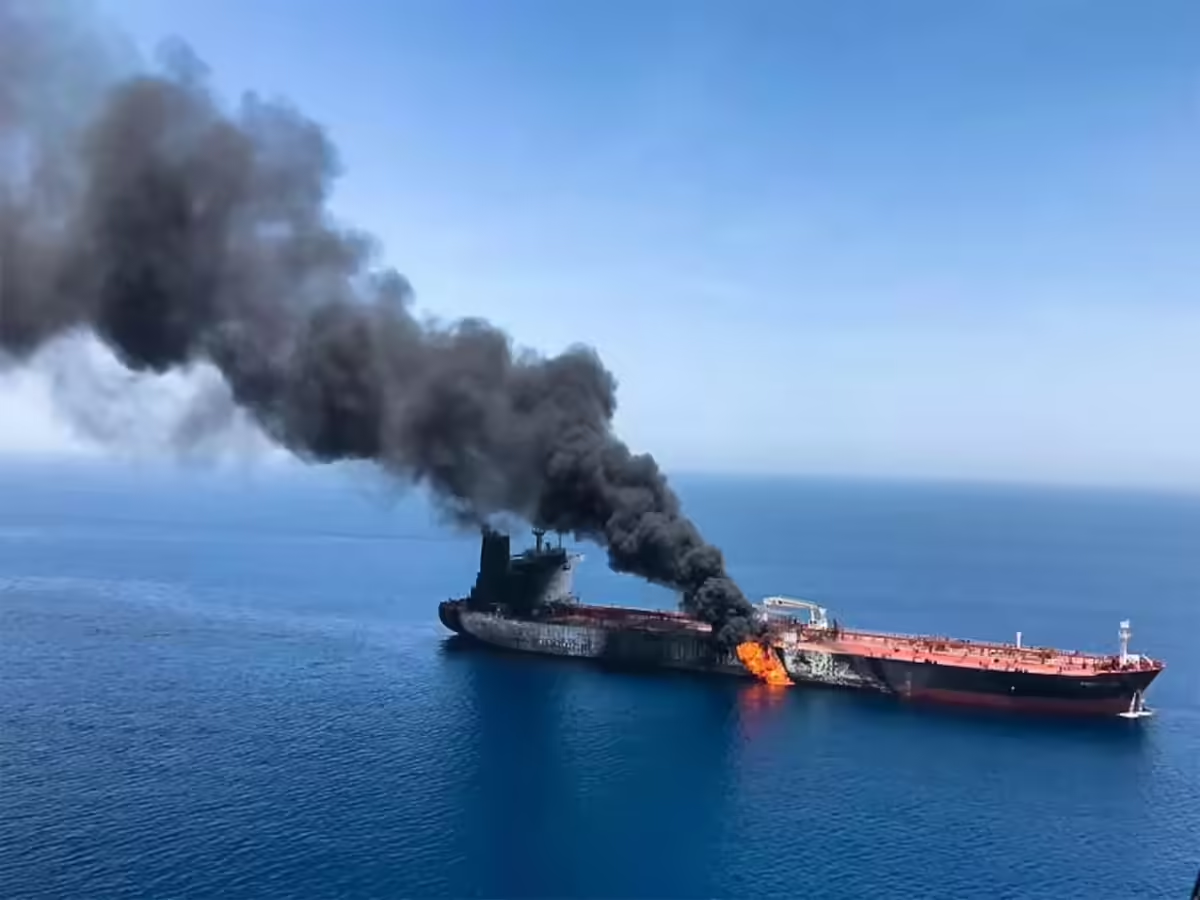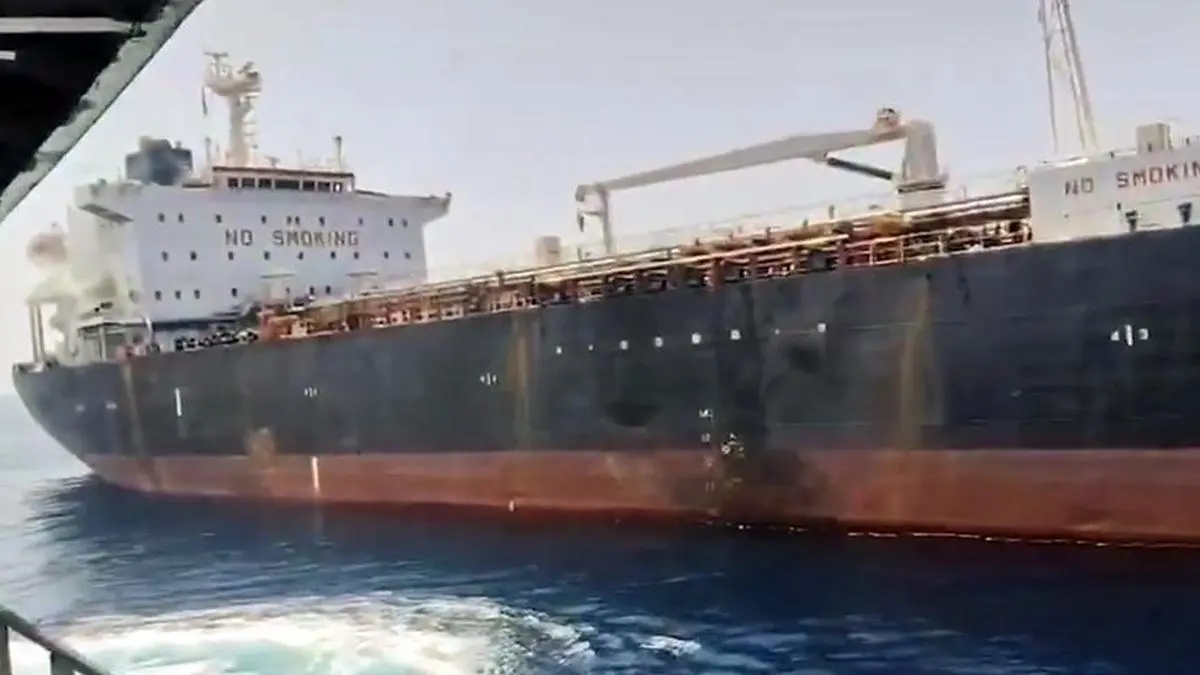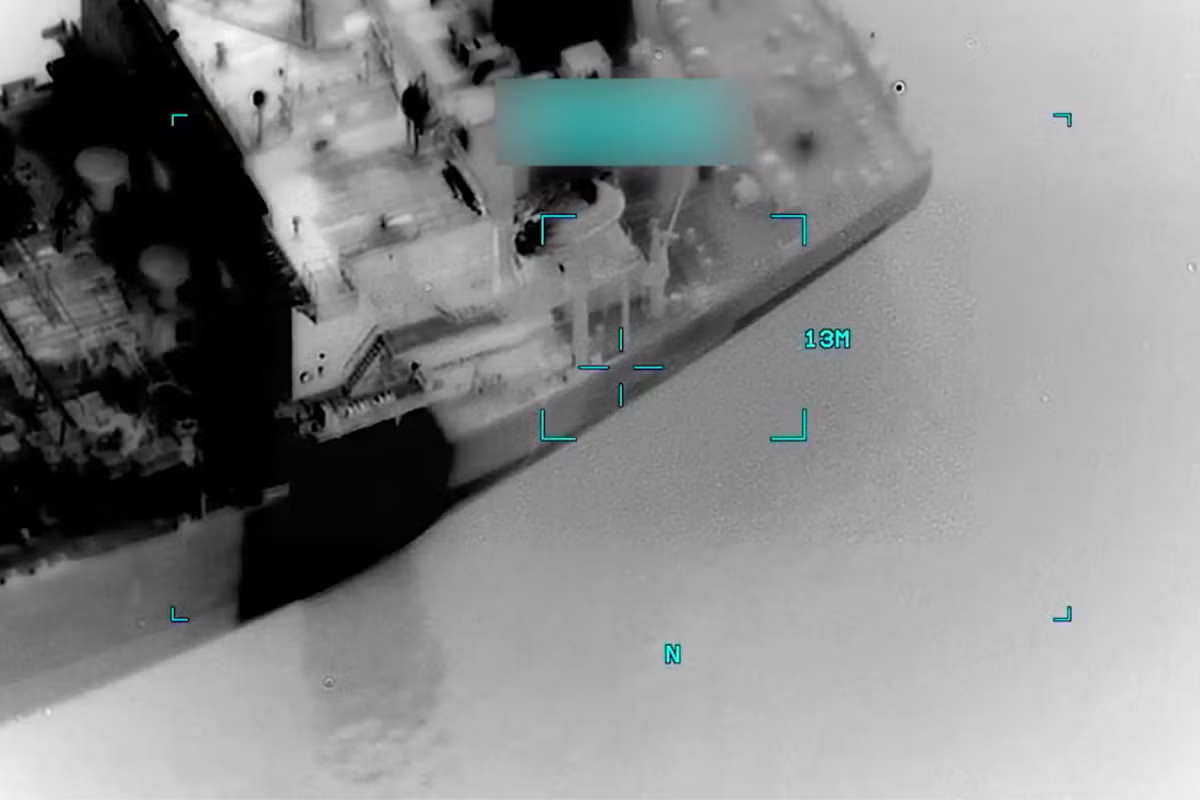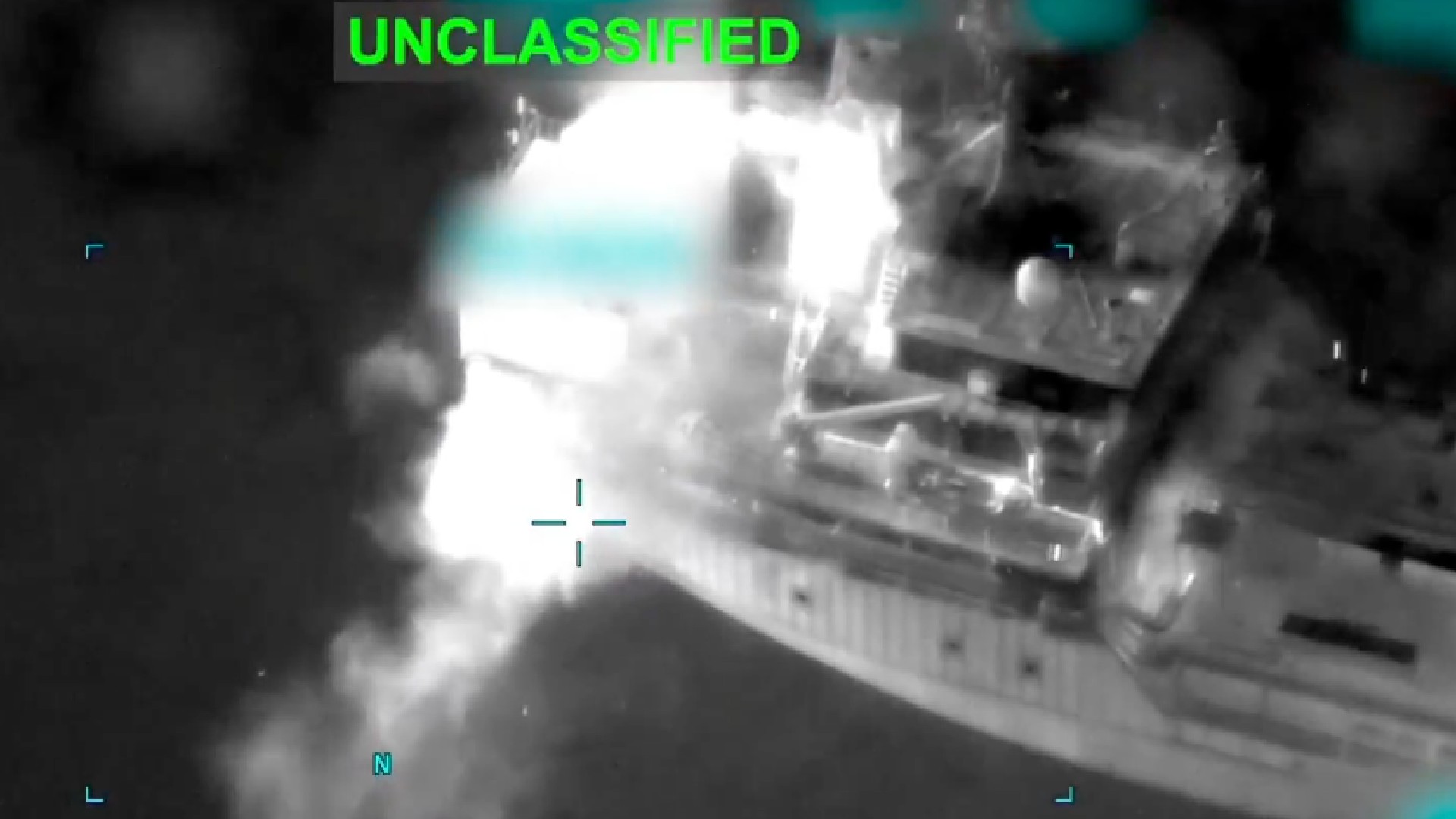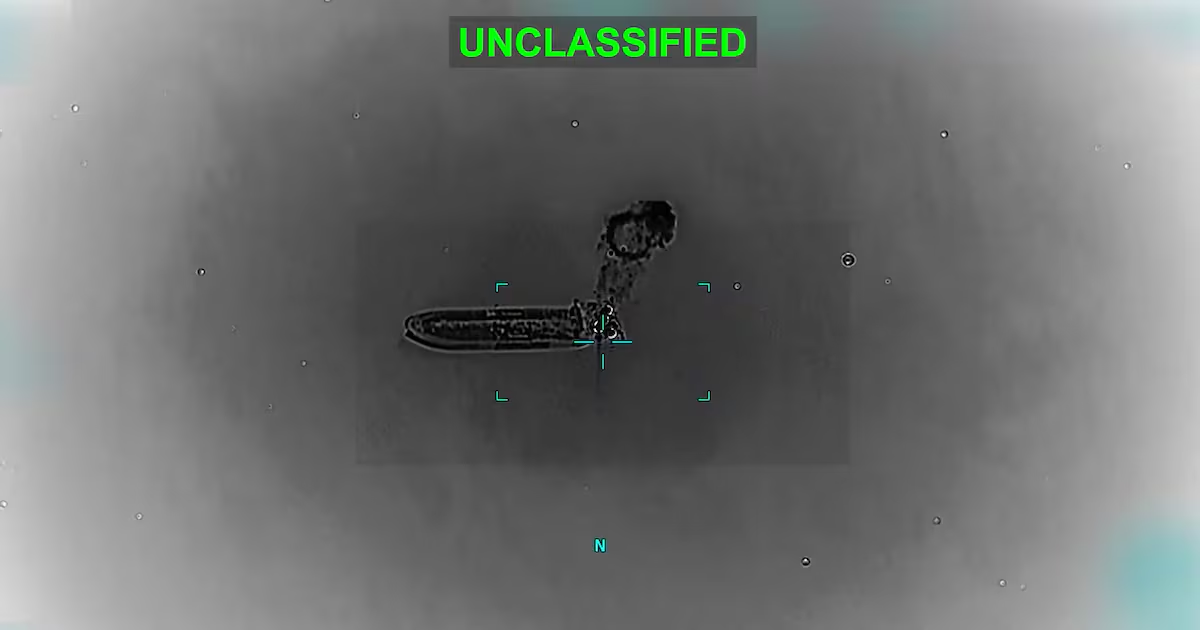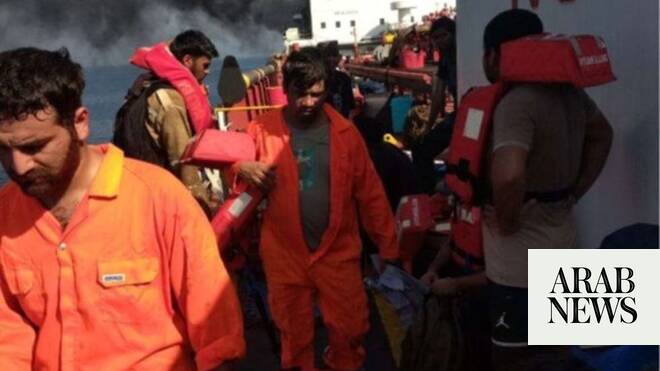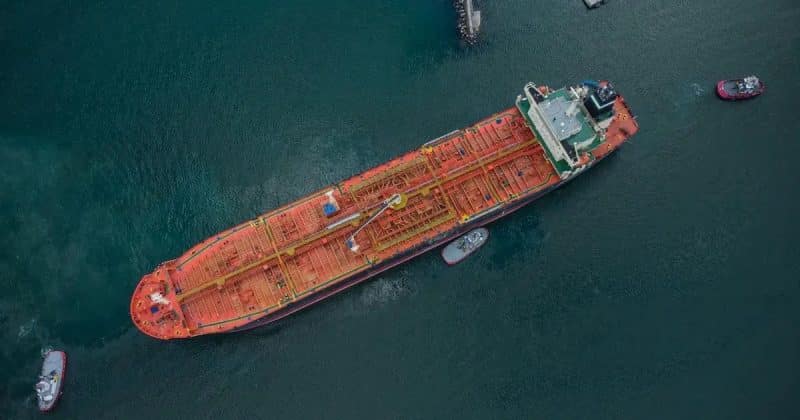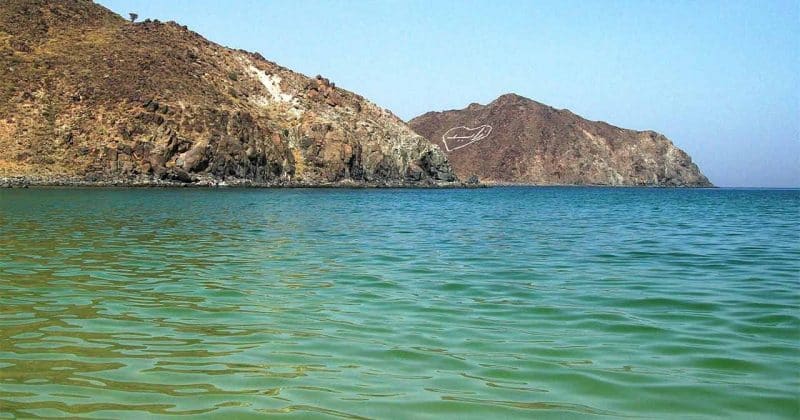
The US military struck an oil tanker in the Gulf of Oman on June 8, killing three Indian crew members and igniting a diplomatic firestorm with one of Washington’s most important strategic partners. The vessel, a Palau-flagged tanker identified as the Settebello (also known as Marivex), was targeted by US Central Command over allegations it was attempting to breach the American blockade on Iranian oil shipments.
Of the 24 Indian nationals aboard, 21 were rescued by Omani forces. Three remain unaccounted for, though Indian officials have confirmed the deaths. India’s foreign ministry responded by summoning the senior US diplomat in New Delhi, a move that signals genuine anger rather than diplomatic theater.
What happened in the Gulf of Oman
Centcom executed what it described as a precision strike on the tanker’s engine room. The strike fits into a broader pattern of US enforcement actions that began on April 13, when Washington initiated a blockade targeting Iranian shipping through the Strait of Hormuz. That waterway handles roughly a fifth of the world’s oil supply on any given day.
The tanker itself wasn’t exactly an unknown quantity to US authorities. The vessel had previously been subject to American sanctions tied to Iranian oil transactions. The incident is one of several enforcement actions the US has taken against vessels it considers non-compliant with the blockade, but this is the first to produce confirmed casualties among nationals of a major US partner nation.