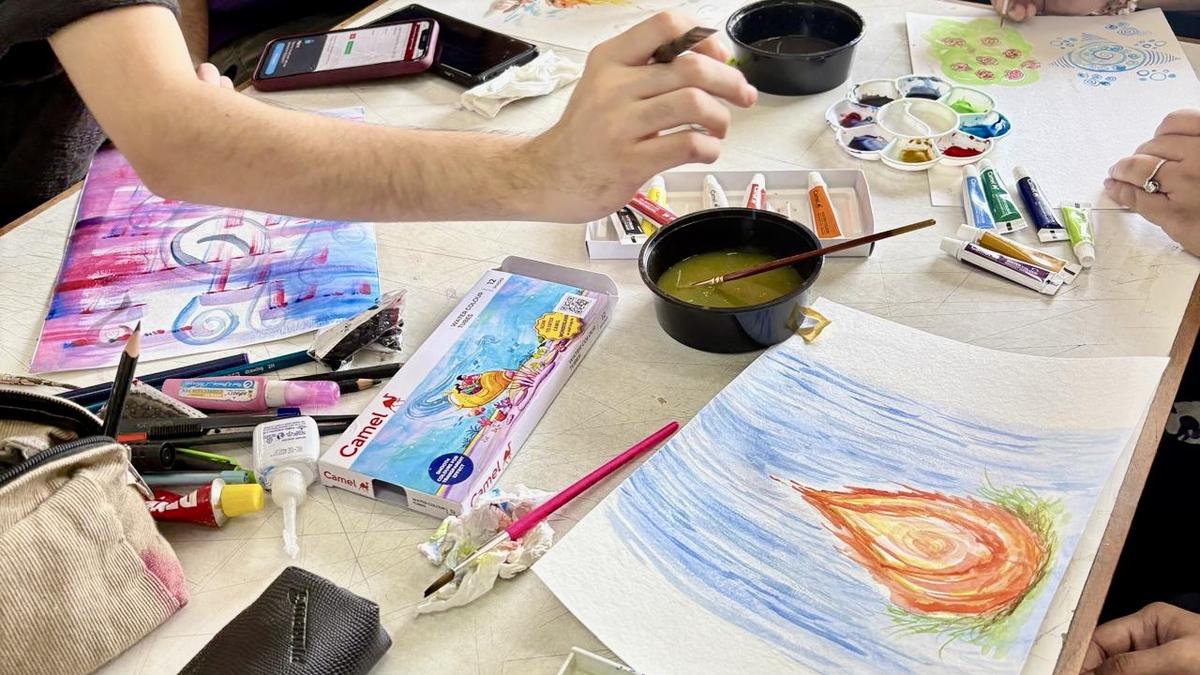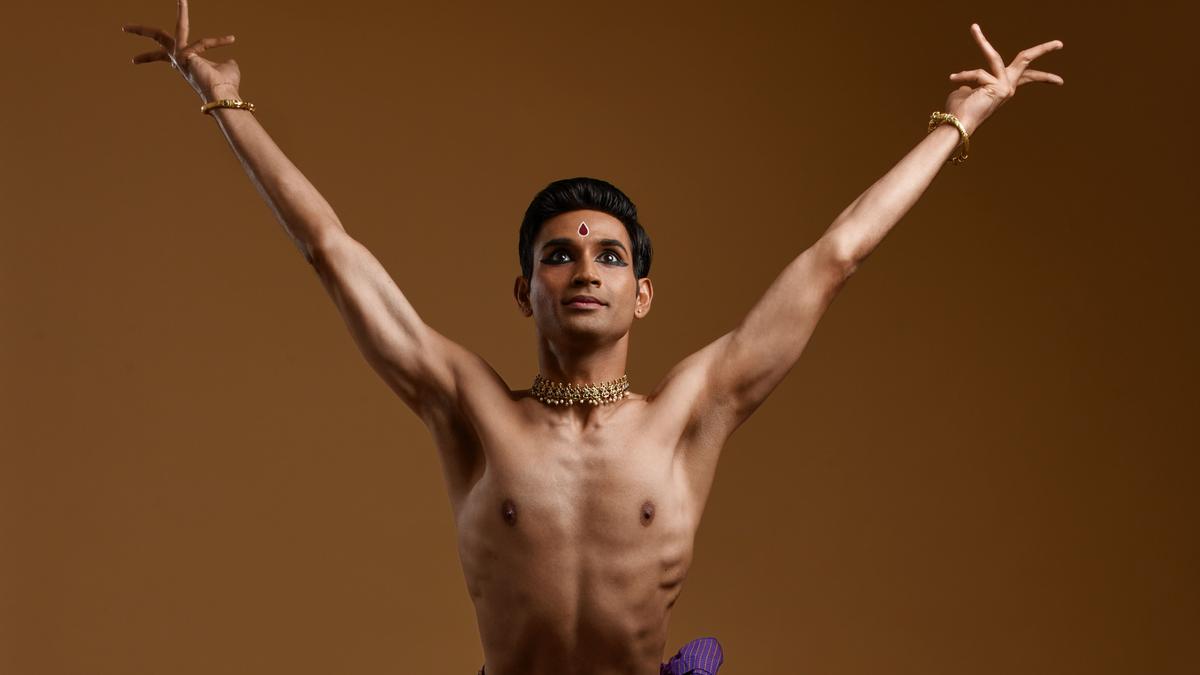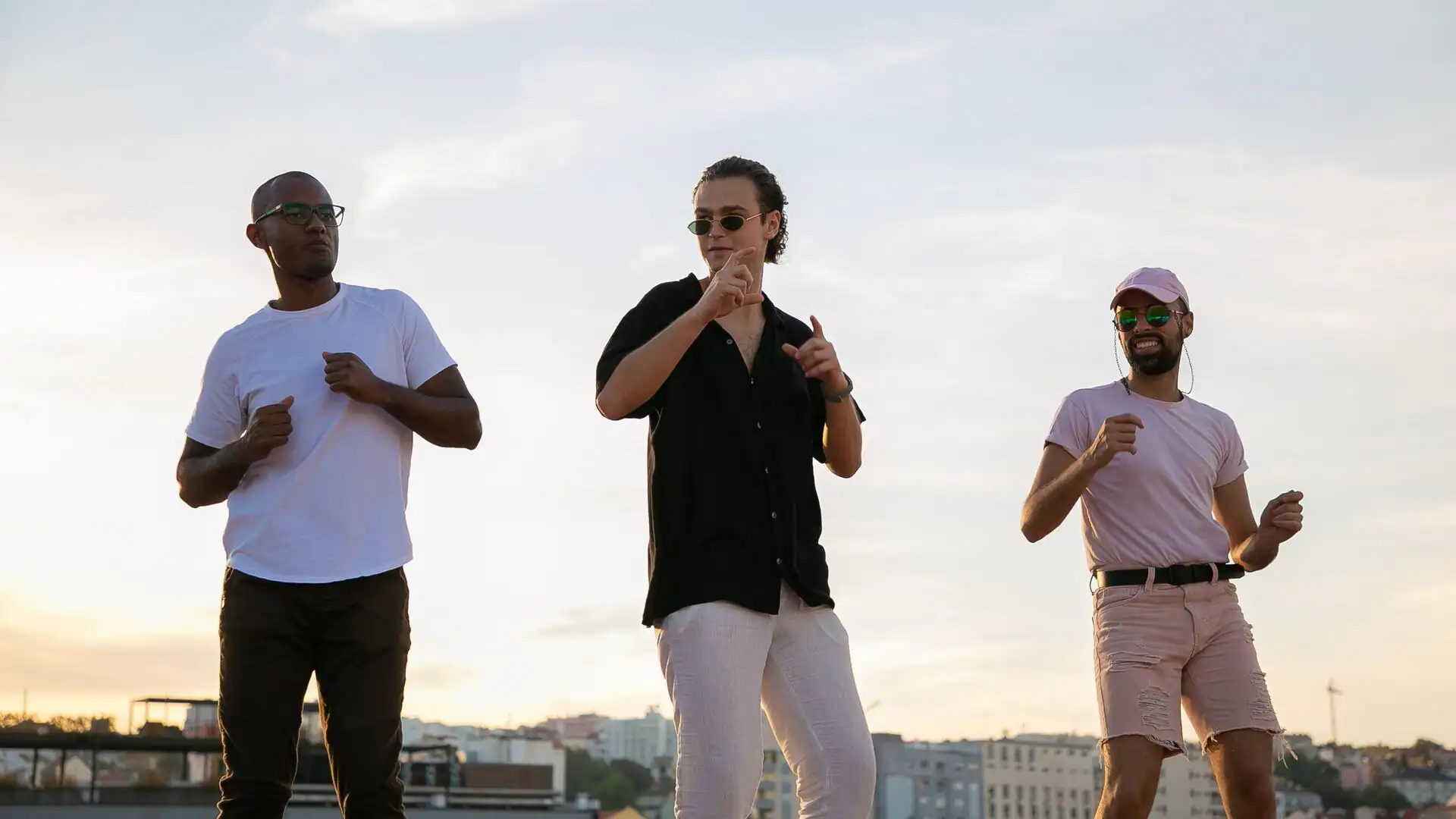
For decades, career paths in mental health in India were largely confined to traditional clinical psychology and talk therapy. However, a major shift is occurring in the post-pandemic landscape. Somatic healing—specifically Dance Movement Therapy (DMT)—is rapidly emerging as a viable, highly sought-after professional avenue.(Sign up for THEdge, The Hindu’s weekly education newsletter.)But what exactly is DMT, how does it differ from a commercial dance class, and what does it take to build a career in this niche field?Understanding the core: It’s process, not performanceFor individuals navigating complex mental health landscapes, the idea of dance therapy can be intimidating. One anonymous patient diagnosed with depression, ADHD, and Generalised Anxiety Disorder (GAD) shared a common hesitation: “I wonder how it differs from a regular dance class, and who this is best suited for. I dance to feel momentarily joyful, but I am not skilled at all.”This is where the core philosophy of DMT shines. It is entirely process-oriented rather than performance-oriented.Nandini Awasthi, a Mumbai-based DMT practitioner with over nine years of experience, clarifies the distinction, “A dance/movement therapy session is different from a regular dance class because it is about exploring how your body’s sensations influence your thoughts and feelings. Depending on your specific needs, the therapist may lead you through set movements or guide you through improvised movements to see what information comes up—like images, thoughts, feelings, or memories—which are then processed through words, writing, drawing, or more movement.”Awasthi emphasizes that clinical skill in dance is irrelevant to healing. “You don’t have to be skilled to benefit from DMT! I often say that if you can move your eyes, you can dance. There is movement and rhythm happening in your body’s basic functions every single second. Everyone is a dancer. We move, jiggle, wiggle, and dance before we talk.”The science: How movement regulates the brainTo understand this field, one must look at the neurobiological impact of movement on psychiatric conditions like depression, ADHD, Generalised Anxiety Disorder (GAD), and PTSD.Dr. Karthik Rajaram, Occupational Therapist and Founder Director of Stepsgroups, explains that traditional counseling has its limitations. “Counselling will only act as a ventilation for the patients. Dance Movement Therapy reflects as a physical movement and spends neurotransmitters. The neurotransmitters—cortisol, oxytocin, serotonin, and dopamine—levels have to be proper for a balanced life. DMT regulates the level of negative hormones and brings in the balance,” he says.For individuals dealing with severe depression, opening up verbally can feel like an insurmountable chore. “Talking to counsellors would feel like a burden; DMT does good for both physical health and mental health,” Dr. Rajaram adds. “It gives you a sense of purpose, especially for individuals with depression, whose cortisol levels are higher and who would find it difficult to indulge in physical activities.”Furthermore, when introduced in a group setting, DMT acts as a catalyst for social rehabilitation. Patients begin making social connections unconsciously, triggering a collective sense of well-being.Market demand and career opportunitiesThe job market for DMT professionals has shifted over the last four years. “The demand for DMT therapy is registering an upward trend since 2022,” notes Dr. Rajaram. “It was a stagnant market before COVID-19. Now, 9 in 10 patients agree to undergo DMT for their mental health illness.”Graduates find employment across diverse sectors including Psychiatric Rehabilitation Centers & Hospitals, Special Education Schools, NGOs and Community Development Organisations and Corporate Wellness Modules.Academic pathways in IndiaTo meet this rising demand, specialised training programs are opening up across the country. For instance, the Banyan Academy of Leadership in Mental Health offers a dedicated six-month short course in DMT.T. Nagarajan from the Banyan Academy explains the program’s origins and intent, “The programme was launched post-pandemic in collaboration with the NGO Sampoorna. We primarily train our in-house staff, but external workers are also welcome. Flexibility and genuine interest are paramount for students; these are not standard dance routines, but structured somatic movements aligned with therapeutic goals,” he explains.Beyond short courses, comprehensive postgraduate diplomas are offered by premier institutions like the Tata Institute of Social Sciences (TISS, Mumbai) in collaboration with Kolkata Sanved, and the Creative Movement Therapy Association of India (CMTAI) in Delhi and Bengaluru.Eligibility criteriaMost short-term and diploma courses across Indian institutes require an undergraduate degree in any stream. The ideal candidates are social workers, community leaders, psychologists, or nursing professionals looking to add a somatic tool to their practice.What employers look for: Skills beyond danceIf you are looking to enter this industry, a pure arts background is not enough. Employers look for a highly interdisciplinary skill set.According to Dr. Rajaram, Stepsgroups hires graduates who express clear kinesthetic abilities and possess multiple intelligences—including music, dance, and strong interpersonal or intrapersonal communication.More importantly, a foundational grip on medical science is mandatory to ensure patient safety. “Individuals from an art background are welcome, but it is essential to possess knowledge about the basic physiology and anatomy of the body. The absence of this understanding might cause injury in patients. DMT professionals should know about orthopedic conditions, muscle spasms, and knee injuries,” warns Dr. Rajaram.Advice for aspiring professionalsWorking in mental health requires immense emotional resilience and cultural adaptability. Fresh graduates entering the industry must keep two critical realities in mind - “Expect Oscillating Progress - The mood of patients will oscillate every day,” says Dr. Rajaram. “Professionals have to assess the present situation of the patient’s mind before expecting a specific outcome from a session. Stay Contextually Aware: Mental health does not exist in a vacuum. A successful therapist must thoroughly understand the cultural aspects of the city they practice in and respect the unique belief systems of their patients while structuring therapy.”For those passionate about psychology, human anatomy, and the expressive power of movement, DMT offers a unique, deeply rewarding career path that bridges the gap where conventional words fall short.
Where words fall short, movement speaks: Understanding dance therapy
Explore Dance Movement Therapy (DMT): a transformative career in mental health that prioritizes movement over performance for healing.
961 words~4 min read